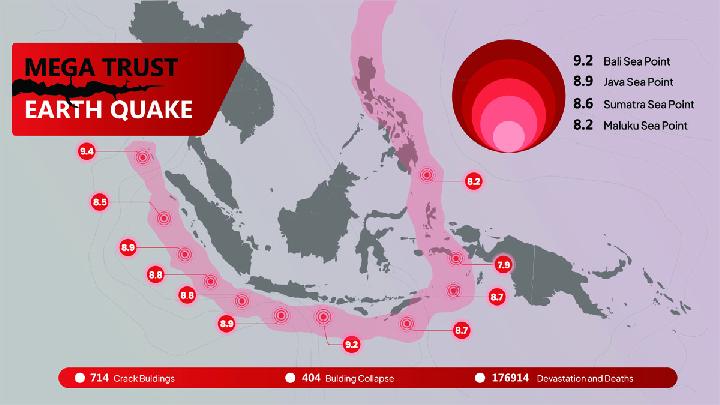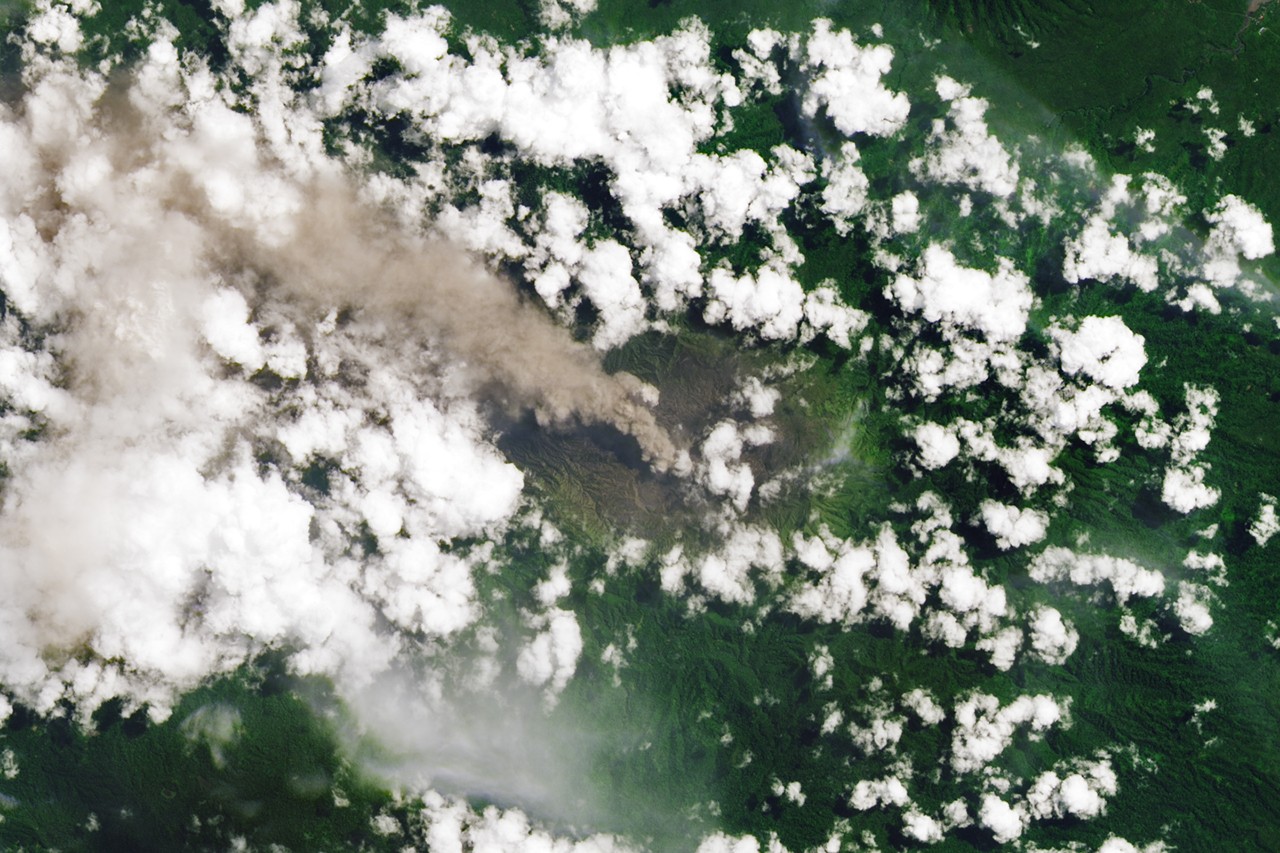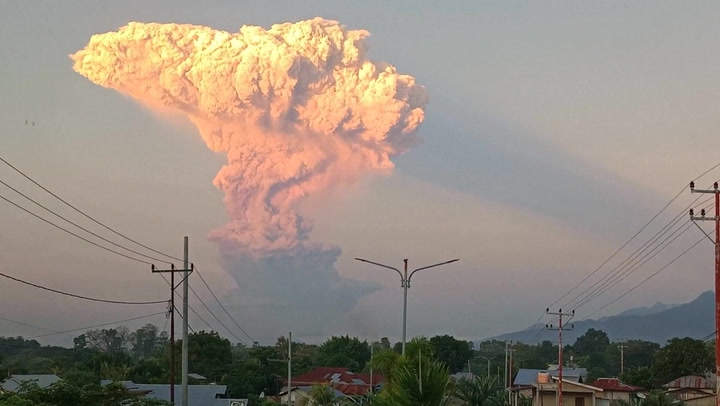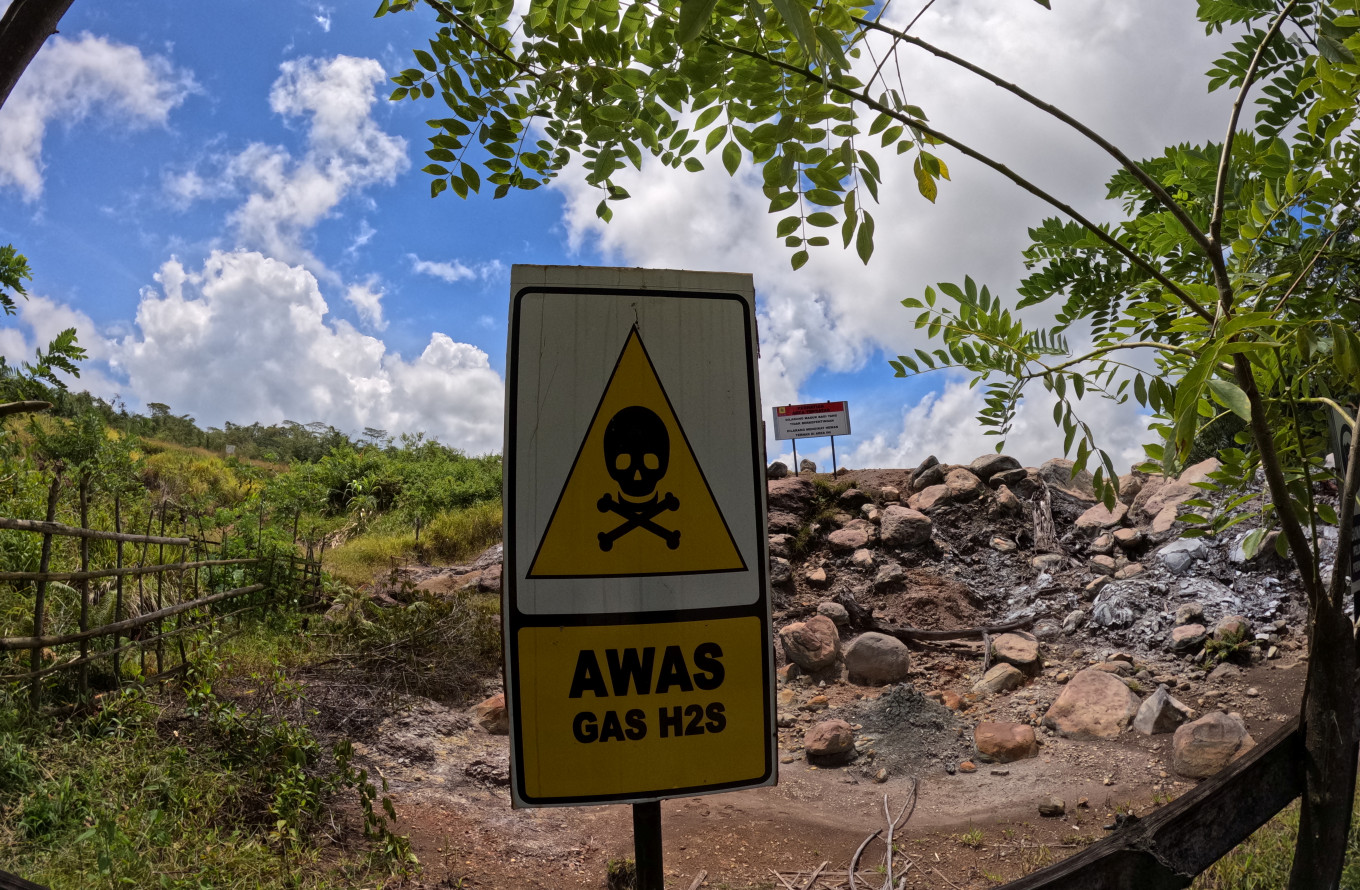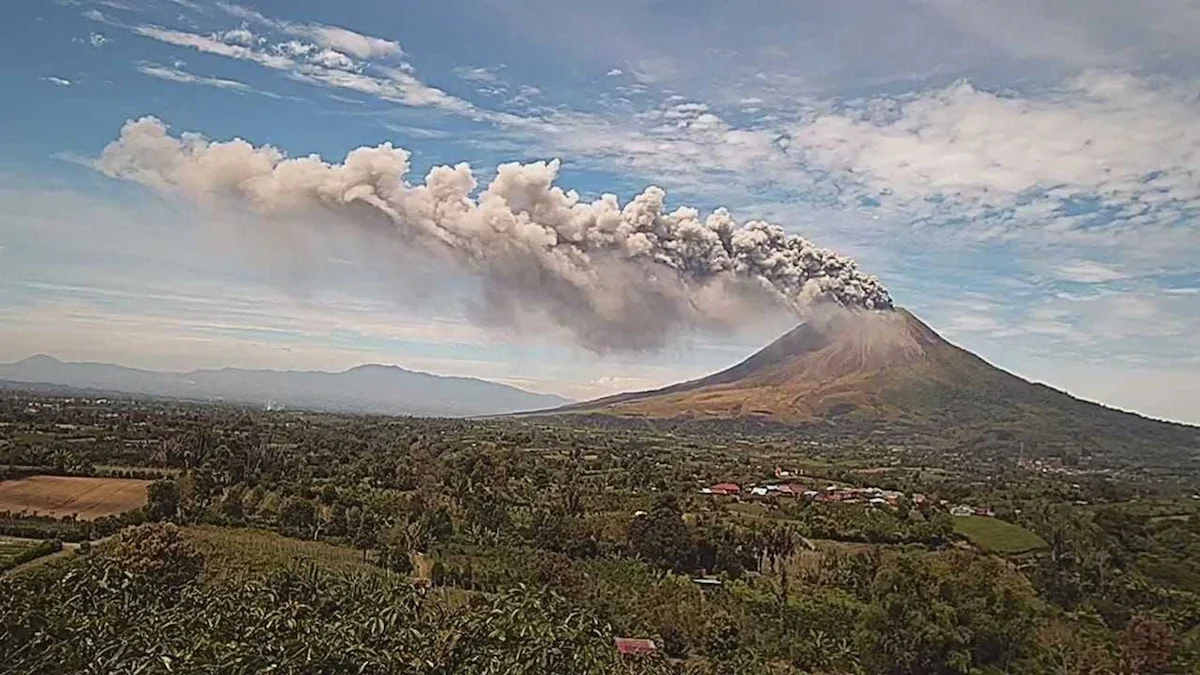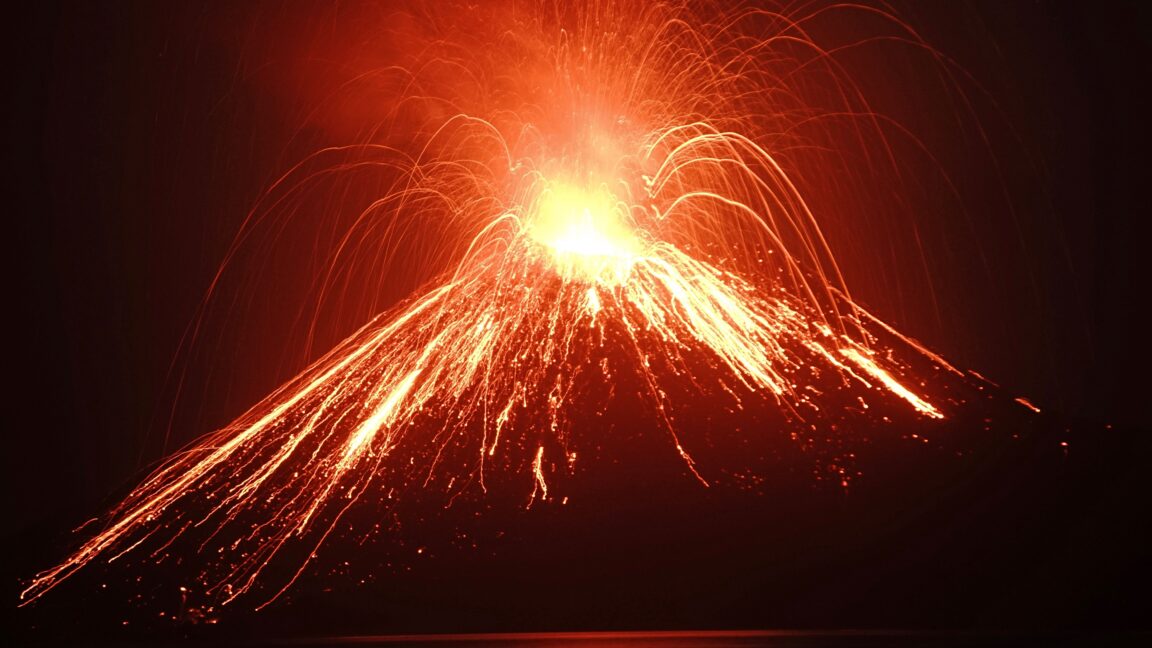
With Indonesia’s strategic position within what is known as the Pacific ring of fire, the country is home to 141 volcanoes recorded by The Smithsonian Institution, with around 130 of them being active. The strategic position means Indonesia has the highest numbers of eruptions.To name a few historical disasters, Indonesia’s volcanic eruptions have affected the world’s climate, notably the volcano that led to the creation of Lake Toba with its super-eruption around 74,000 years ago, which caused a six-year volcanic winter. In addition, Mount Tambora’s eruption in 1815 and the Krakatau explosion in 1883 have been linked to plunging world temperature’s.
On the other side, areas with high volcanic activity also have some of the world’s most fertile farmlands due to the release of plant nutrients such as potassium and phosphorus, which leads to better agriculture and food security.
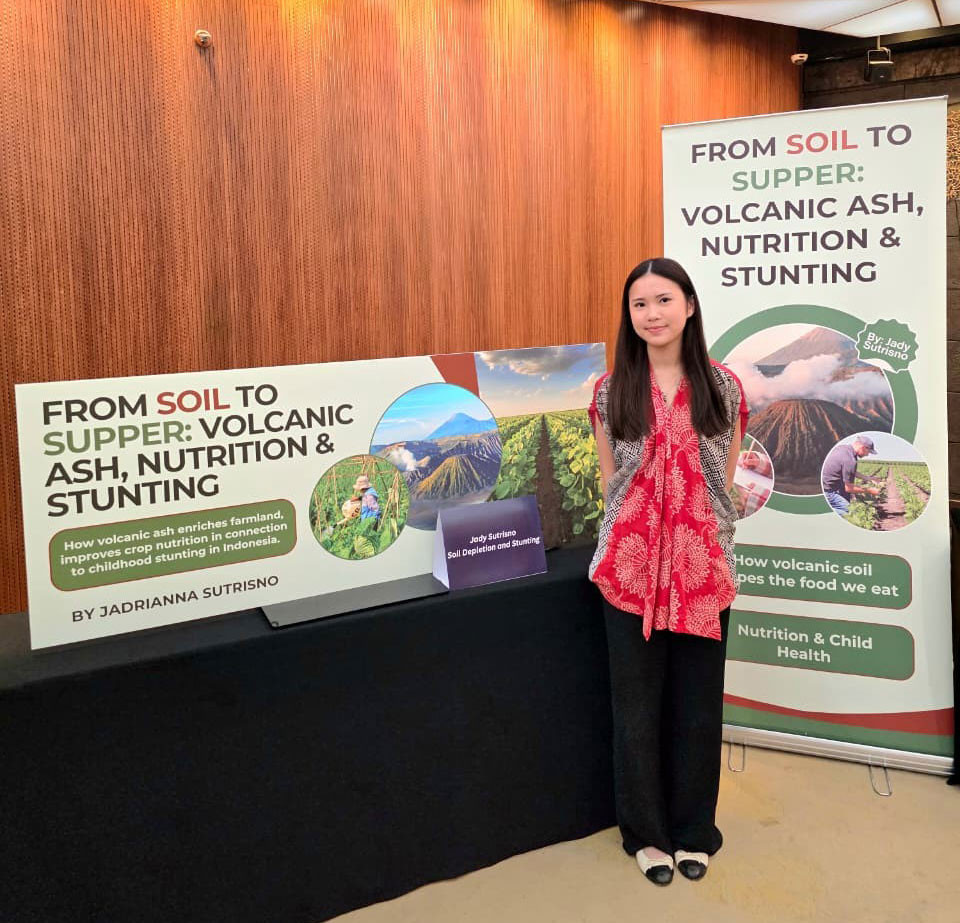
This is particularly highlighted in the research done by 11th grader Jadrianna Sutrisno in her project entitled “From Soil to Supper: Agriculture and Child Health in Indonesia”. Presented during this year’s Jakarta Scholars Symposium (JSS) on May 27, she makes a case of how the after-effects of volcanoes can be the key to food security.