Indonesia
Archipelago
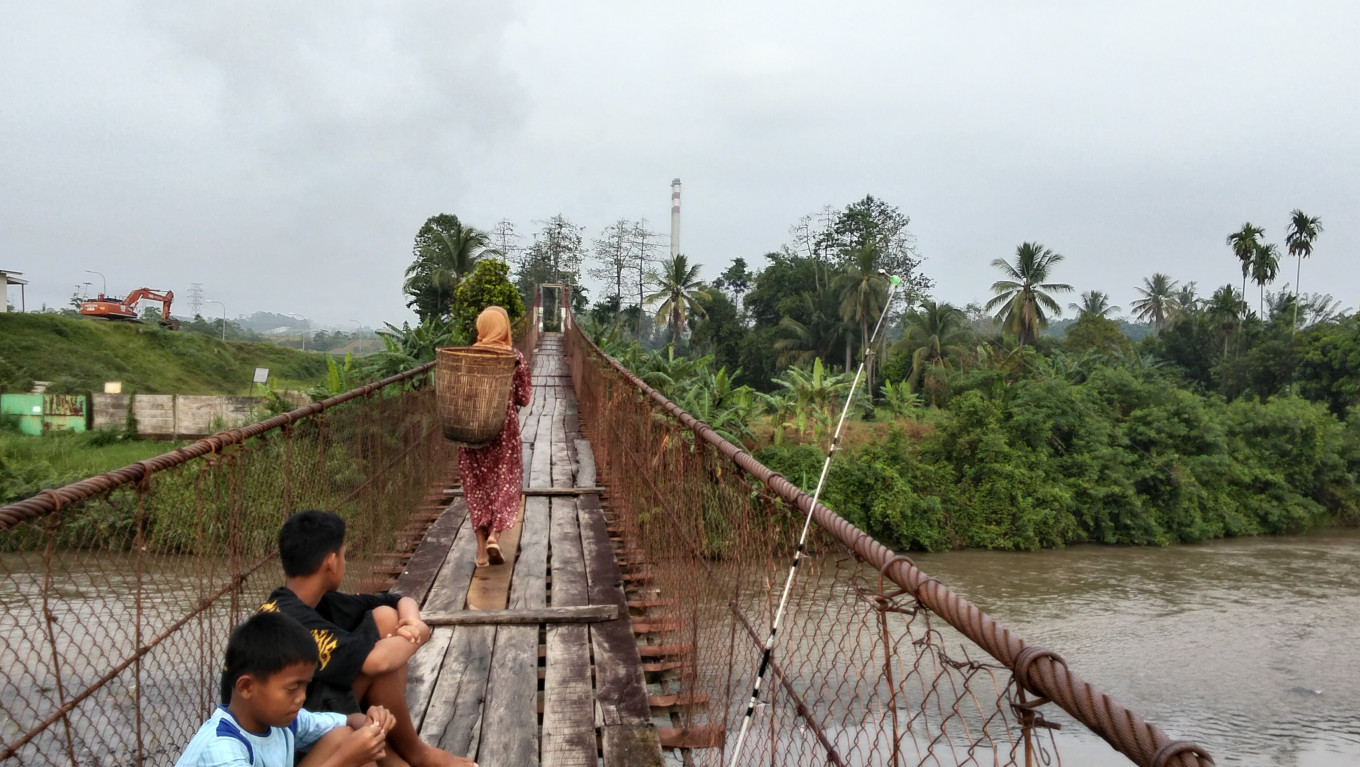
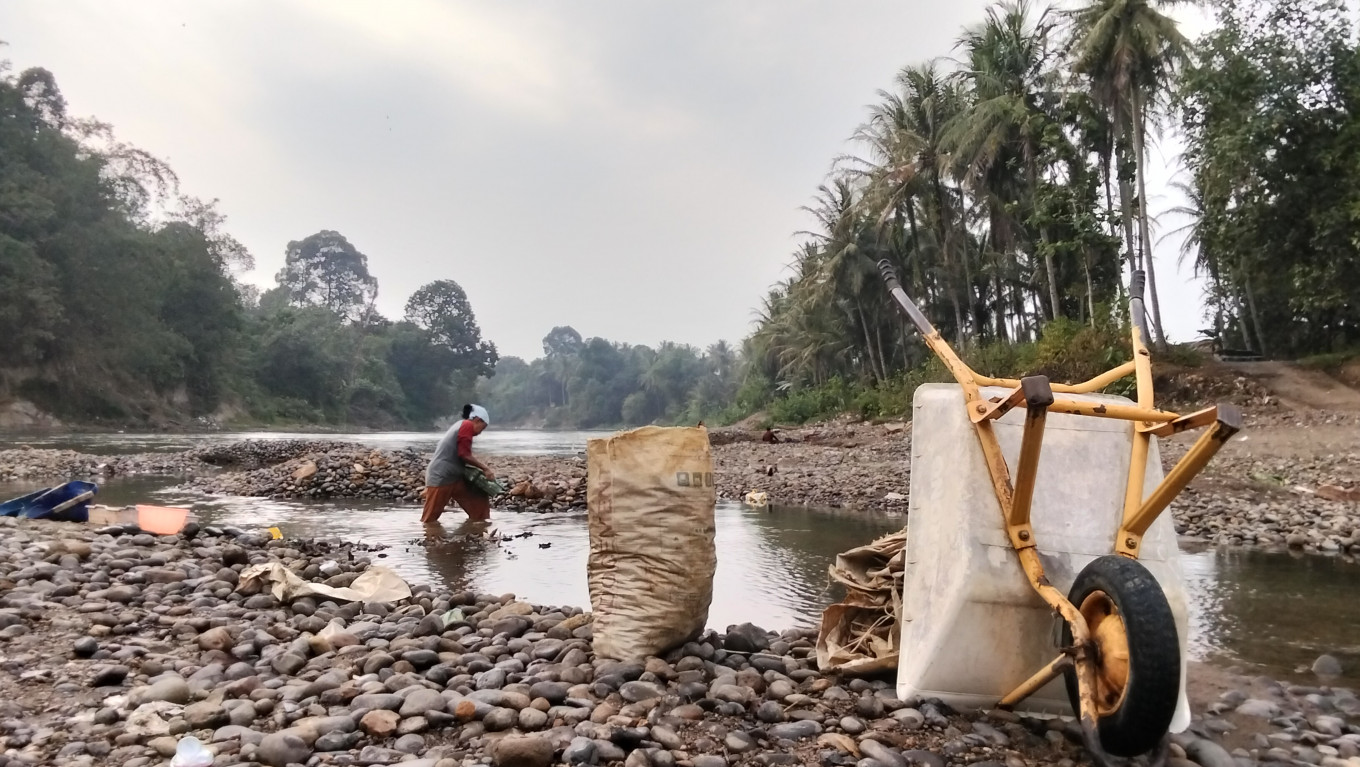
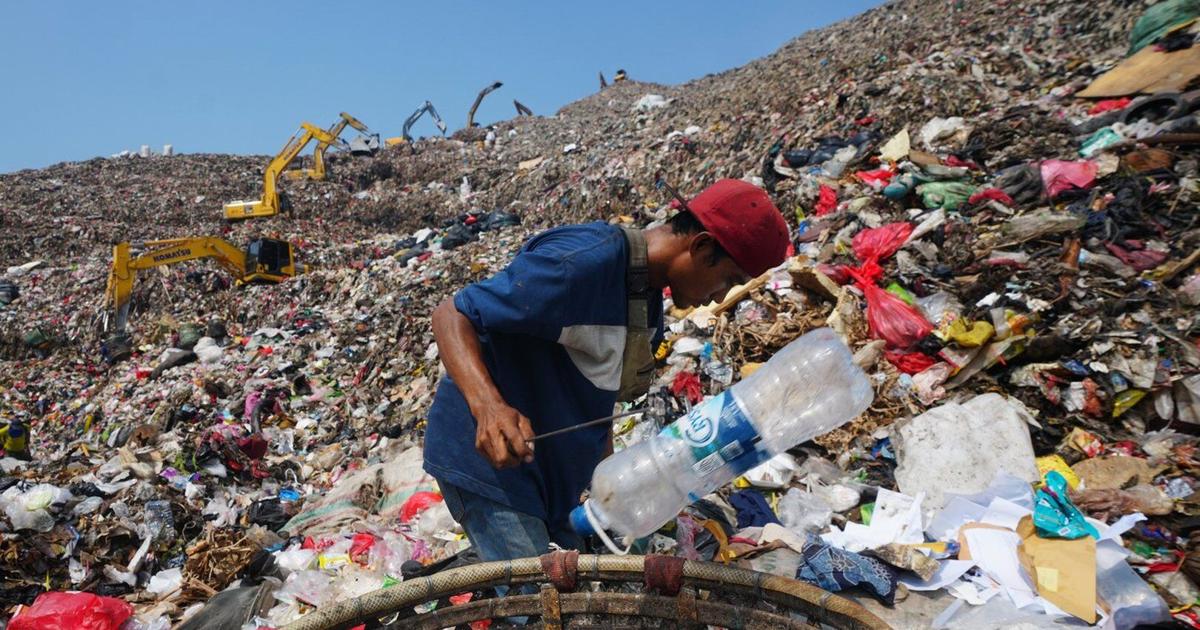
A year-long Magdalene investigation across three geothermal regions in Indonesia found that environmental changes, health concerns and declining livelihoods have placed the heaviest burden on women.
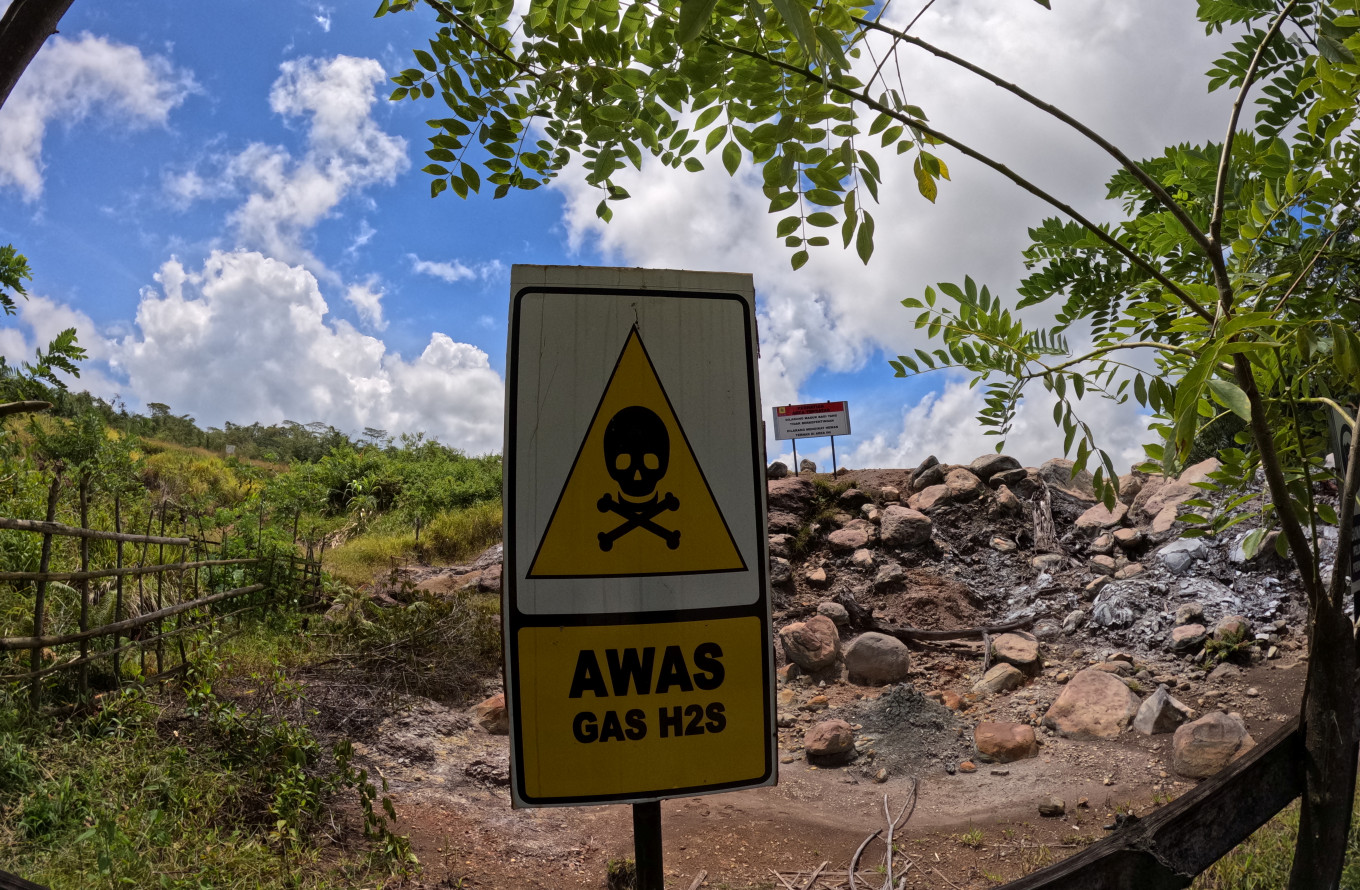
Danger zone: A hydrogen sulfide warning sign stands near a geothermal project in Ijen Blawan, Bondowoso, East Java, in this undated photo. Hydrogen sulfide is a toxic gas commonly found around geothermal and volcanic sites. (Magdalene/-)
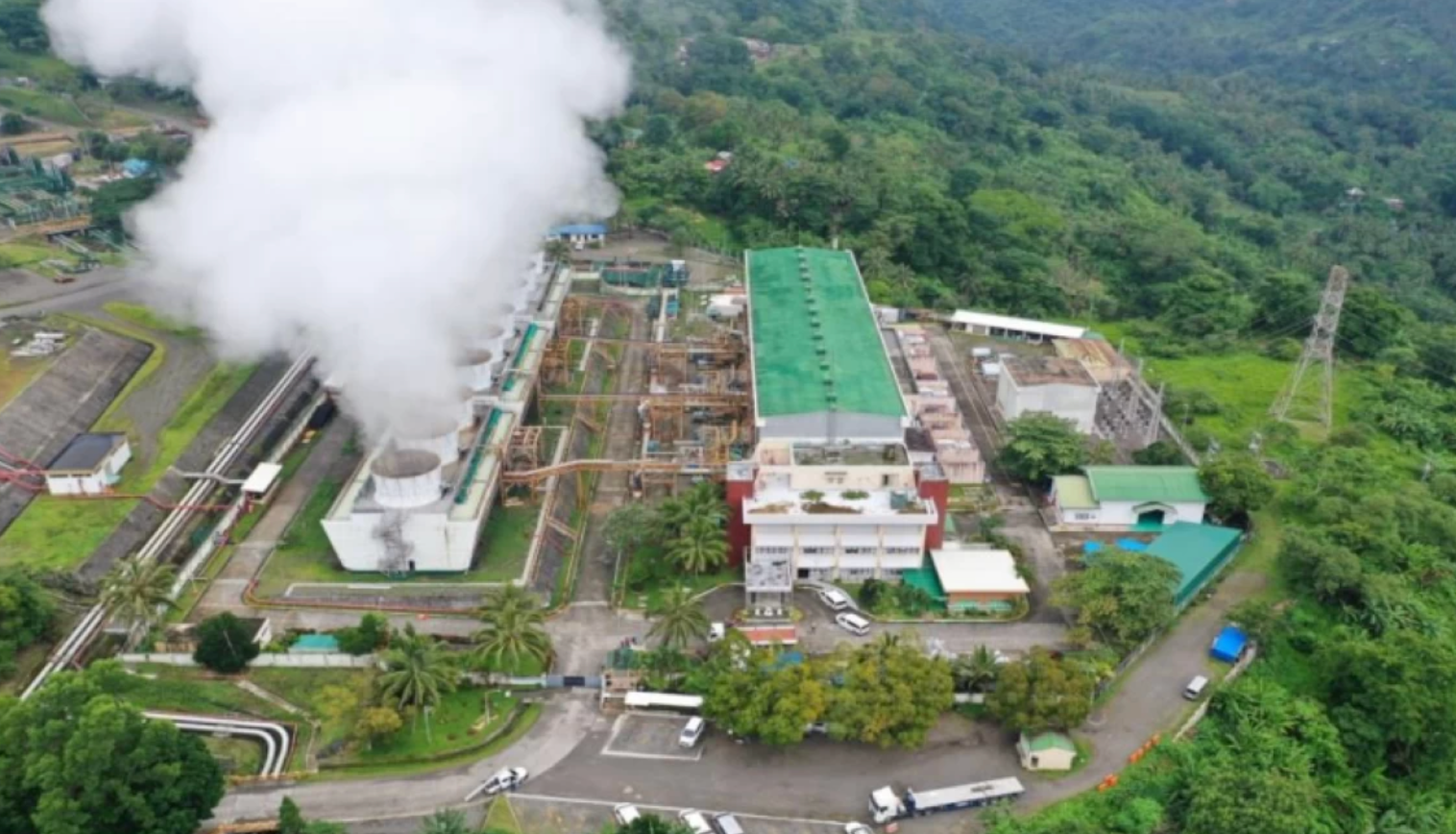
The government is pressing ahead with geothermal development as part of Indonesia's energy transition. Under the 2025-2034 Electricity Supply Business Plan (RUPTL), installed geothermal capacity is targeted to increase by 5,200 megawatts. The projects have been designated National Strategic Projects (PSN) and National Vital Objects (Obvitnas).Behind those targets, however, Magdalene has found recurring environmental, economic and social concerns among communities living near geothermal projects. Over nearly a year, its reporting team investigated three geothermal regions: Bondowoso in East Java, Mandailing Natal in North Sumatra and Ngada in East Nusa Tenggara.