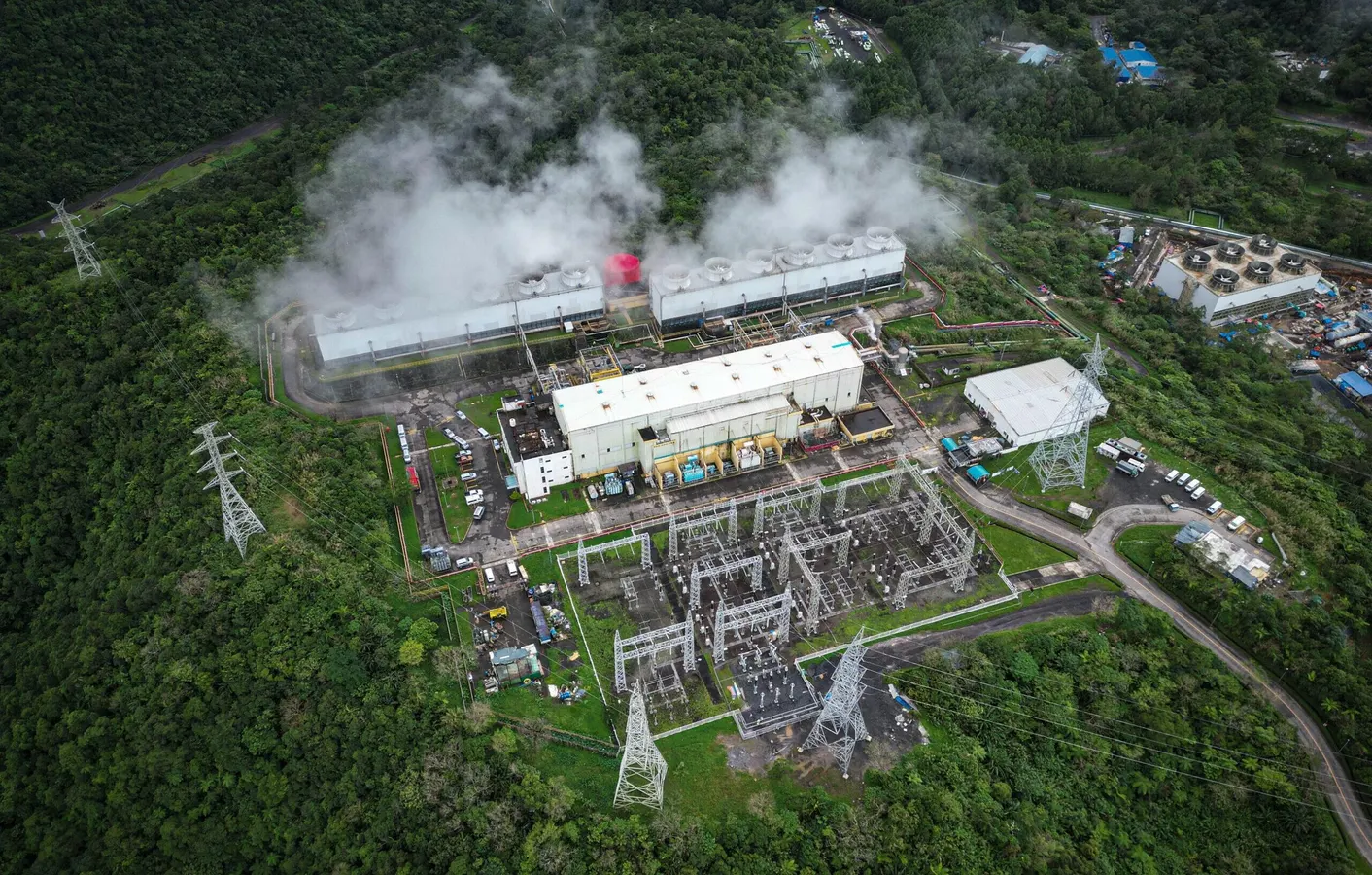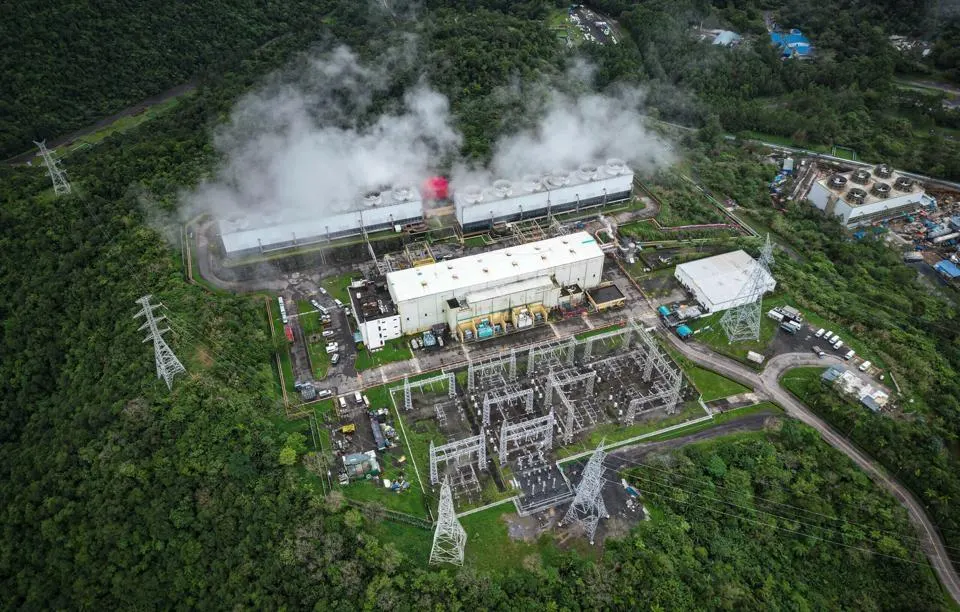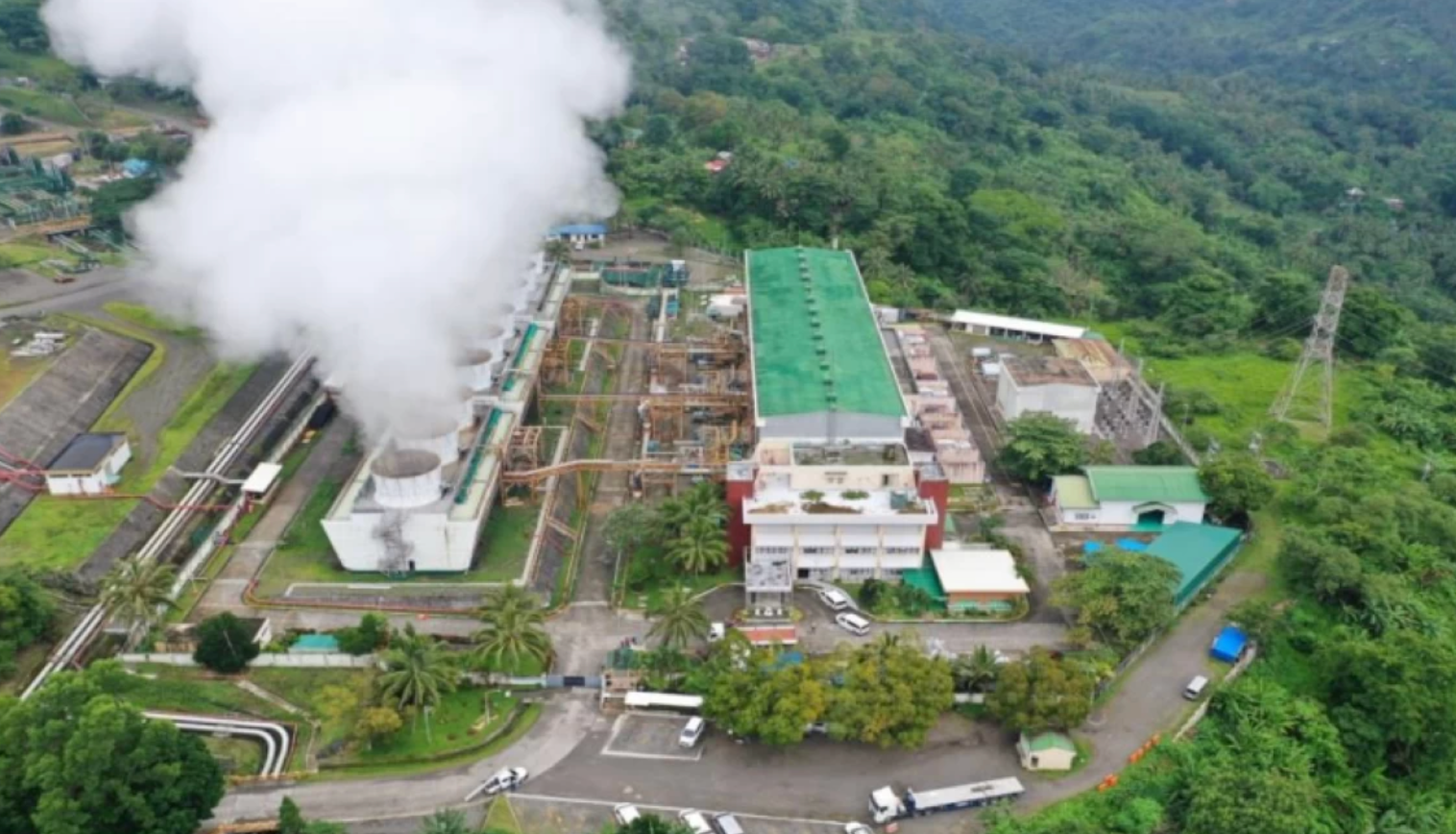
A 22-megawatt geothermal facility located within the Bacon-Manito, Sorsogon City, Philippines. EDC photo.
Support CleanTechnica's work through a Substack subscription, on Patreon, or on Stripe. Help us produce all of the high-quality, original content we publish week after week despite the challenges of content-scraping AI, antisocial media, inflation, and other hurdles.
When news emerged that Indonesian billionaire Prajogo Pangestu made an unsolicited, non-binding takeover offer for Energy Development Corporation (EDC), the Philippines’ largest geothermal producer, most coverage focused on the size of the deal.
Estimates from initial filings and market disclosures place the transaction at more than $5 billion in equity value, or up to $7 billion including debt, making it one of the largest renewable energy acquisitions ever proposed in Southeast Asia. First Gen Corporation, EDC’s parent led by the Lopez family, confirmed receiving the indicative cash offer from Pangestu’s PT Barito Renewables Energy Tbk. EDC management has noted that while unsolicited, they remain open to evaluating strategic offers.
In the midst of studying the progress of the over two decades old Electric Power Industry Reform Act (Republic Act No. 9136) or EPIRA, the more interesting question may not be the price. It may be what the deal says about the direction of Asia’s energy transition amid national energy security.