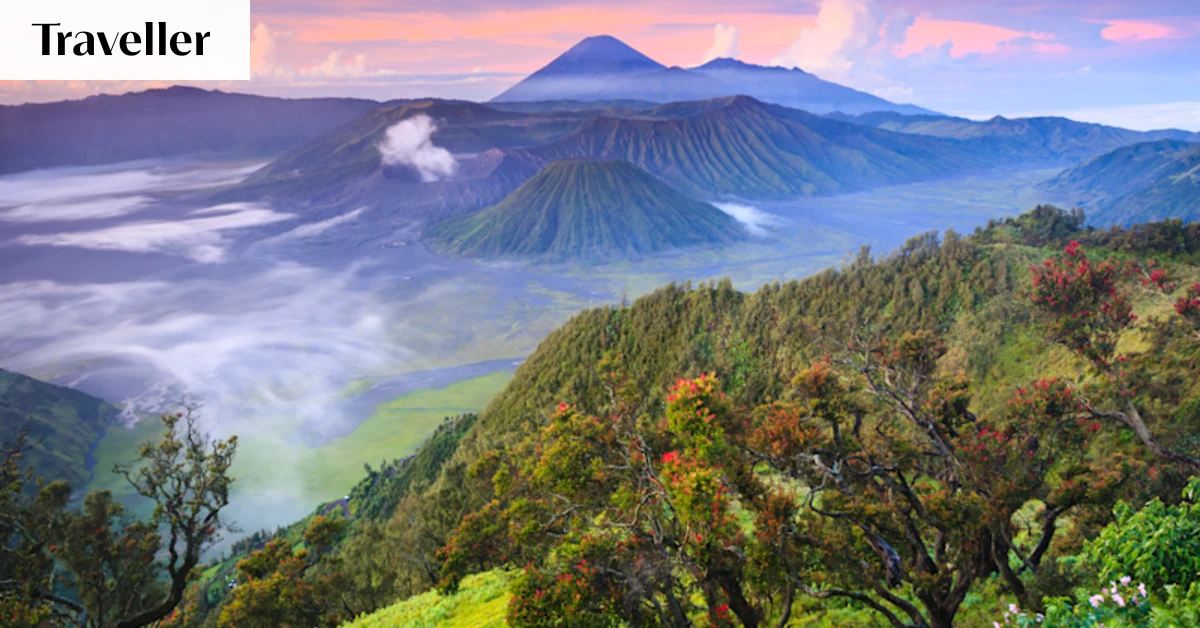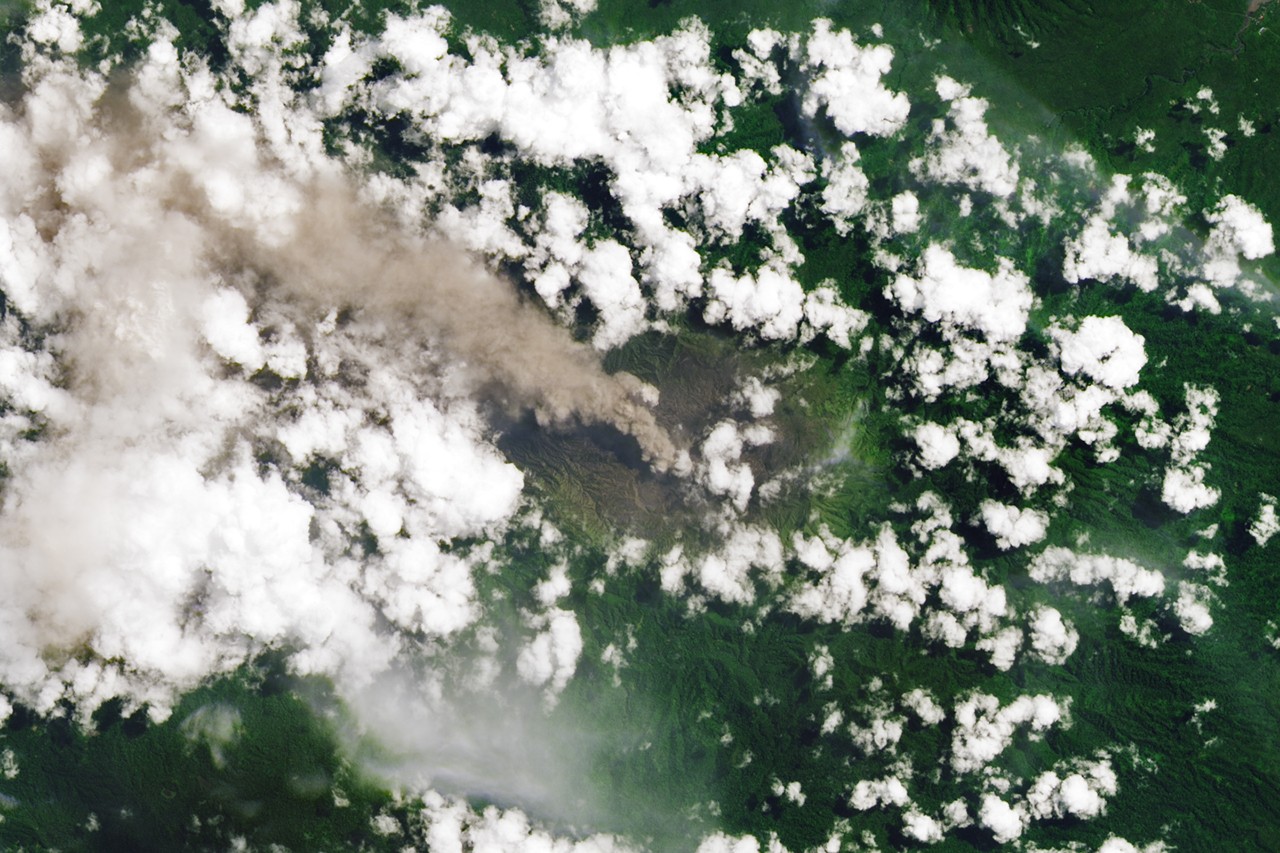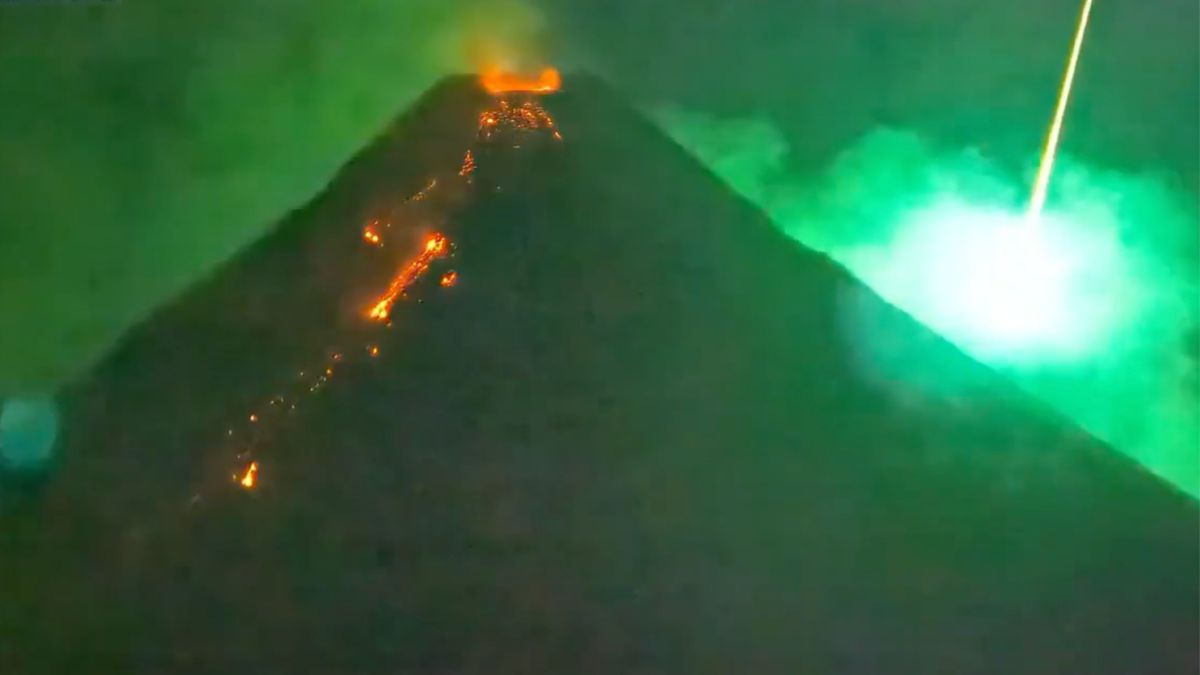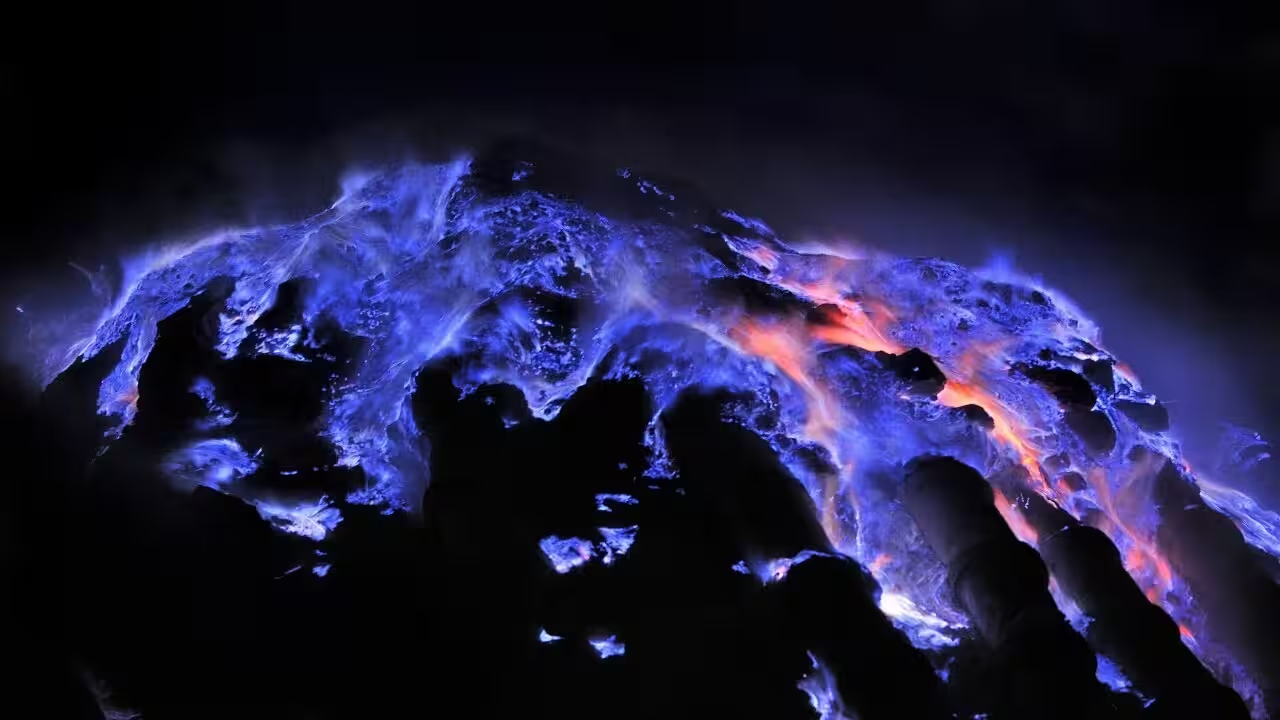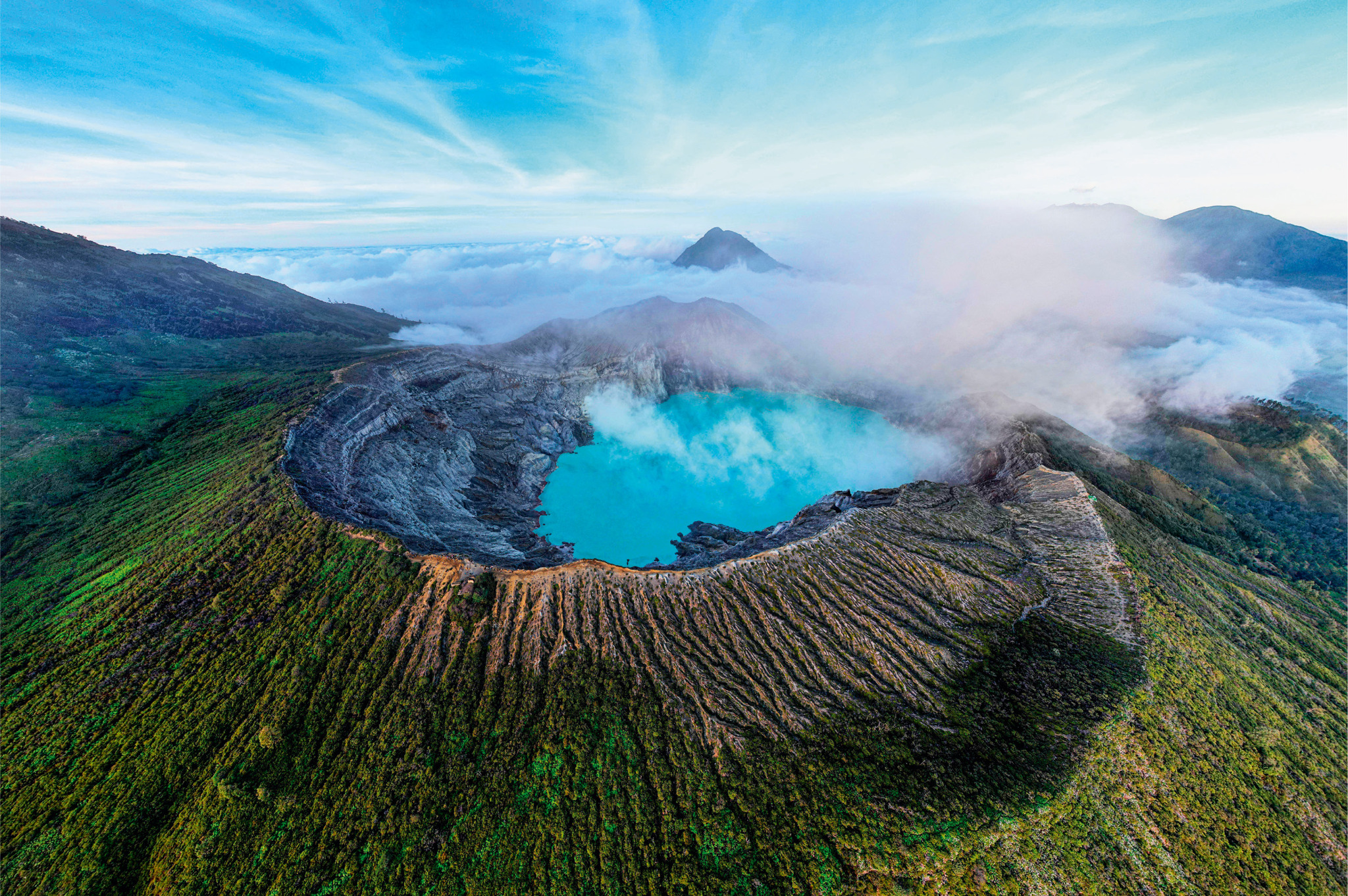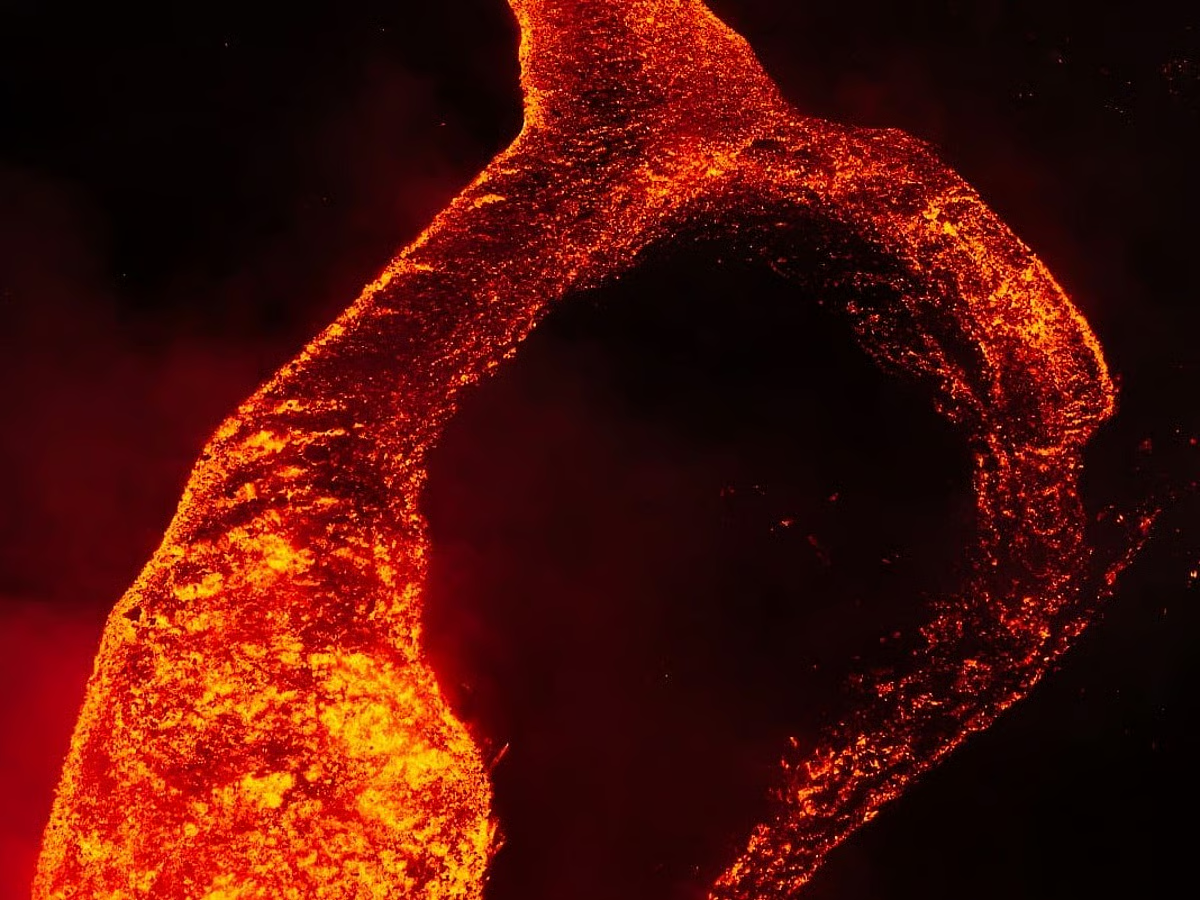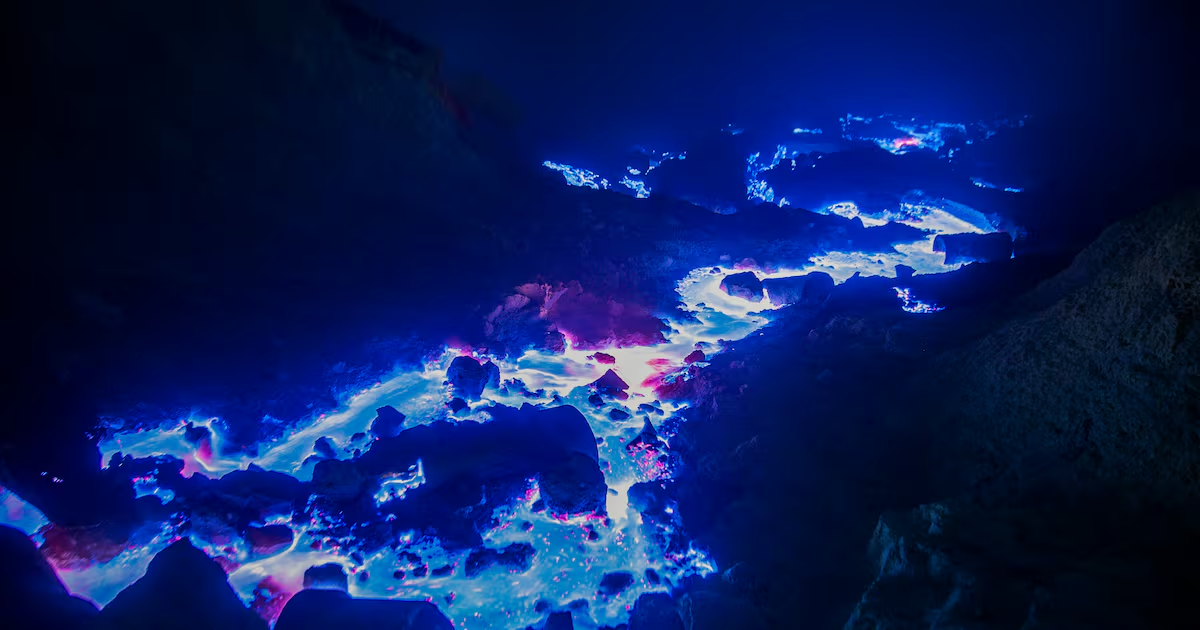
The spectacularly coloured Ijen volcano is a wonder – just be prepared to use your elbowsBlue flame in the crater of the Ijen volcano in East Java, Indonesia. Photograph: Sutanta Aditya/NurPhoto/Getty Tue May 26 2026 - 05:58 • 5 MIN READHow often have you been scrolling through your social media and spotted something in a far off clime that made you think, “I’d love to see that with my own eyes some day”?The Ijen volcano in East Java, Indonesia, regularly pops up online because of its spectacularly unusual colouration: the lava that burns in its crater is an alluring blue. This natural phenomenon occurs when sulphur gases at high temperatures in the crater meet air, causing a deep, electric violet-blue colour. Is reality like the video? Our quest to find out begins when we book a tour organised by a local Indonesian company, Nextdoor Tour & Travel, that brings us to the active volcano of Mount Bromo on one night and then Ijen the next. Just after midnight, a minibus collects our small group at a guest house in the city of Banyuwangi on Java’s east coast. An hour’s drive later, we arrive at the entrance to a Unesco-designated global geopark, roughly 2km above sea level. After a much needed coffee, a quick safety briefing and on collecting our gas masks, goggles and head torches, we begin the trek up to the crater with our guide, Gun.Gun explains that at the time of our visit in mid-April, they are still in the low season, during which he works for only a few days a week. He’ll switch to full time when the high season rolls around in the summer months and the path is even more full of visitors. Given the number visitors setting off right now, it doesn’t feel like low season.A hike of 4km seems like a reasonable proposition. But when those 4km have to be climbed at a predominantly 45 degree angle on rough, rutted ground, flanked by several hundred other tourists half blinding each other with their head-torches in the dark, it can wear you down fairly quickly. Some visitors use the services of local “drivers” to bring them up most of the climb. Called drivers, their “cars” are in reality small home-made carts on two wheels. Each one is handled by two locals, one in front pulling with a rope, one behind pushing the handlebars or applying the bicycle-style brakes as needed.The lowest price we hear offered for an upward journey is 300,000 Indonesian rupiah, roughly €15. None of us has ever dodged DIY cars while hiking before but it’s necessary at times to avoid being tripped by the men moving the carts. The trail levels close to the summit before sloping up again to the rim of the crater itself. From the top looking down, vapours rise up to meet the sky.A barely noticeable path is lit by the glimmering of torches, zigzagging into the gloom.The Ijen volcano seen from the air. Photograph: iStock The path down towards the lake is rough and jagged, necessitating close attention. The occasional bit of rusting metal and frayed lengths of wood stand in for fencing on the steep descent. This is the part of the trek where the large crowds become really noticeable. Some of the groups have stuck with their guides from the first step to the crater. Other groups have been split up by the climb, with more than a few people opting to go in solo or in smaller clusters. The more confident hikers at times speedily make their way down towards the lake past others taking it more gingerly. On top of attracting thousands of visitors a year, the crater serves as an active sulphur mine. Two baskets joined by a length of wood are used by the miners to carry the raw honey-coloured mineral on their backs. Spare a thought for the miners working in the small hours surrounded by hundreds of tourists galloping their way into the crater on the same path they use to bring the sulphur up and out.By the time we reach the bottom of the path, just shy of 1km of a descent, we are among the throng. As the wind blows the gas clouds to one side, the first glimpse of the electric blue flame comes into view.But only after we make our way through the waiting dozens assembled like a scrum 10 people deep. People clamber for their perfect shot of a single line of blue fire that is really more of a trickle. Some people are less gracious than others, and use their elbows to force their way to the front of the throng. There they do a quick partial costume change and then pose by a little pool of the flame at ground level as their photographer grabs the snaps. A basket of sulphur. Photograph: Glen Murphy A tourists snaps a moments at the Ijen crater. Photograph: Glen Murphy Couple that with the continuous eye-watering and choking gases, even with our face-masks and goggles on, and the lack of half a crater lit up in blue (like TikTok would show you), it felt like a very underwhelming experience. Was it still worth it?Well ... yes, just about. Despite the downsides, the blue fire is something that’s hard to pull your eyes away from, especially after a long trek. Even with science and tourism to explain and exploit it, these flames are worth getting out of bed at midnight for. You could be better off sticking with a Mount Bromo sunrise jeep ride and hike, though. The homestay in the remote village of Cemorolawang is worth the trip alone for its serene, tranquil setting in the clouds. The roads are full of small buses to bring groups into the town and hundreds of Toyota Land Cruisers used by local drivers to bring the same groups out and up to the sunrise viewing point on King Kong Hill, which lies just across the black Sand Sea in the dark. The crater at sunrise from halfway back up the climb out. Photograph: Glen Murphy Lighting flares behind Mount Bromo shortly before sunrise. Photograph: Glen Murphy Homestay in Cemorolawang. Photograph: Glen Murphy It’s the perfect vantage point to drink in Bromo’s beauty, even on a slightly cloudy morning, as the day dawns. It’s made even better by the forks of lightning that flash in the clouds in the final hour before sunrise.The climb to the viewpoint here is barely noticeable once you hop out of the car. After you drive back down from the hill, the jeep takes you back across the Sand Sea in the growing light.Picture a slightly greener Mordor.Islands of long grass dotted around a flat valley floor with almost sheer mountains all round.There’s a gentle climb up to Bromo’s crater with a steep concrete staircase to bring you up the final few hundred metres. Bromo’s crater is spewing clouds of volcanic vapour being blown away from the visitors by the wind.The underground gurgling of the earth echoes up from far below but one thing in the foreground will probably catch your eye first. The crater is strewn with rubbish. Reality isn’t always as picture-perfect as Instagram might have you believe.IN THIS SECTION
The Ijen volcano: Can this East Java marvel live up to the Instagram hype?
Is the much Instagrammed destination worth the hype?
1,209 words~5 min read