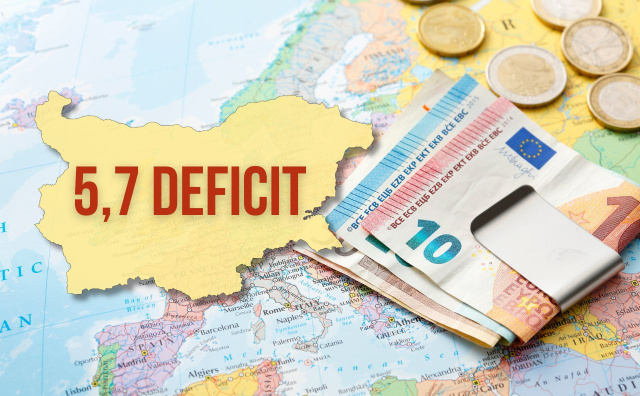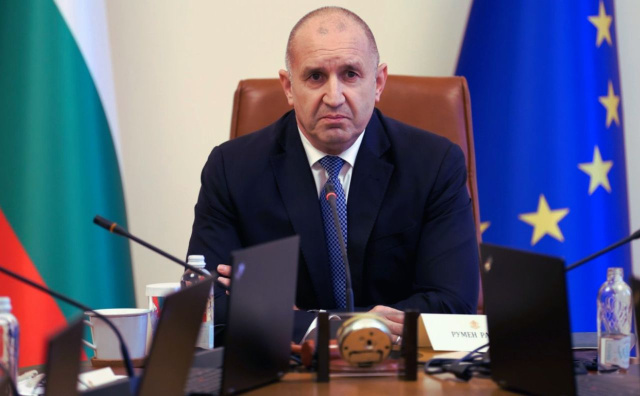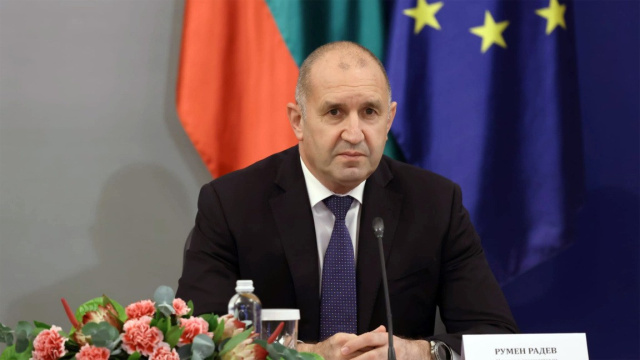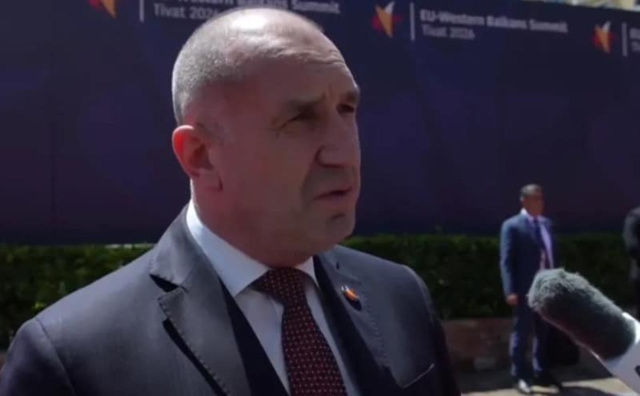
Prime Minister Rumen Radev said in Montenegro that the European Commission’s move toward an excessive deficit procedure represents a clear judgment on previous governments that aimed to maintain the 3% deficit target through what he described as “budget gymnastics.” Speaking to reporters during the EU-Western Balkans summit, he argued that fiscal discipline had often been achieved through indirect and delayed accounting practices.
Radev outlined several methods he said had been used in recent years, including the weakening of state-owned companies’ financial positions, liquidity pressure on businesses, delayed VAT reimbursements, and the early collection of taxes due in future periods. He also pointed to higher spending combined with what he called questionable public procurement procedures with inflated costs.
He expressed expectation that political forces in parliament would adopt a more constructive approach, stressing that only joint action could stabilize public finances.
“There is a discrepancy in the data with Brussels because in recent years we have postponed payments that are shifted into the following year. These are the so-called hidden payments that inflate the hidden deficit,” Radev said.