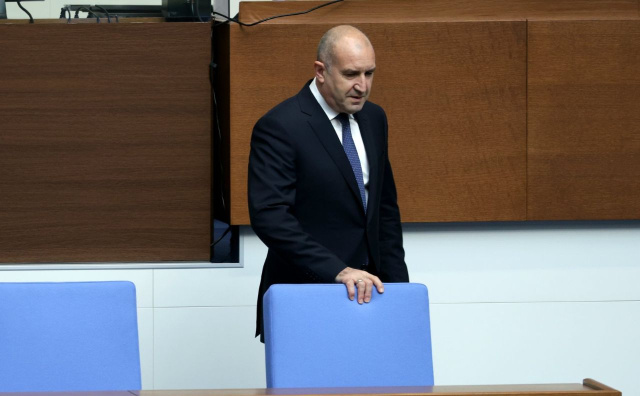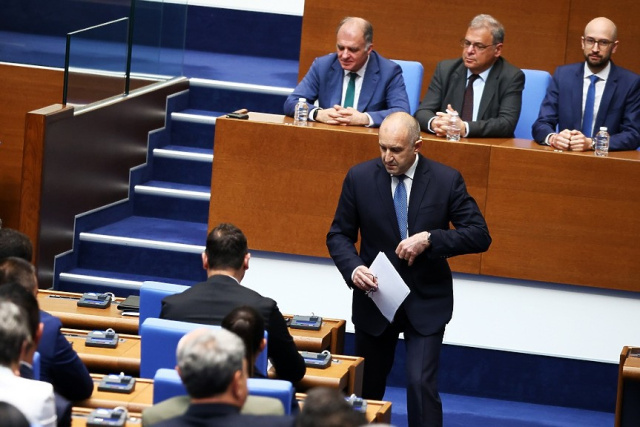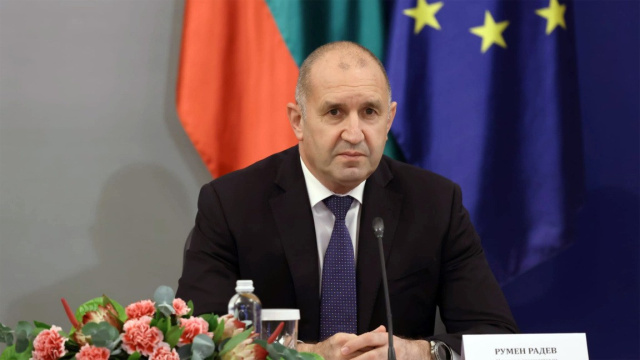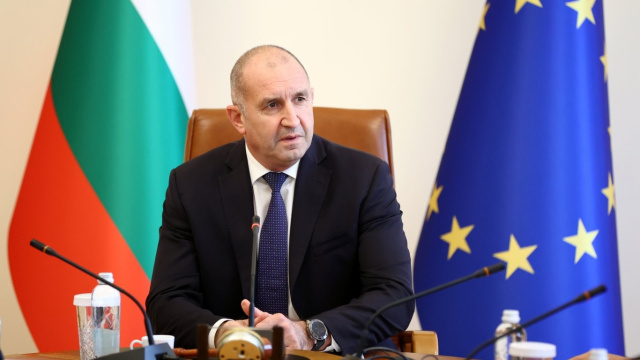
Prime Minister Rumen Radev said Bulgaria’s 2026 budget deficit is expected to be “well over 3%,” arguing that the country’s main problem is not the size of the deficit itself but what he described as a long-standing budget philosophy based on continuous spending growth. Speaking at a Council of Ministers meeting, he said the government’s priorities include changing this approach, improving fiscal discipline, and supporting investment while avoiding economic stagnation.
Radev announced measures targeting state-owned enterprises, including reductions in management salaries and fewer members in supervisory and control bodies, alongside the possible abolition of audit committees where legally feasible. At the same time, he stressed that there would be no cuts to workers’ incomes in the public or private sector, with only limited exceptions affecting certain management structures. He also said the government would not allow municipalities or the economy to be burdened by unfinished infrastructure projects.
Addressing public administration reform, Radev said restructuring is already underway through efficiency reviews, including assessments of overlapping functions and opportunities for digitalization and automation. He emphasized that there would be no mass layoffs or sweeping dismissals, arguing that reforms must be based on detailed analysis and legal changes rather than abrupt cuts.