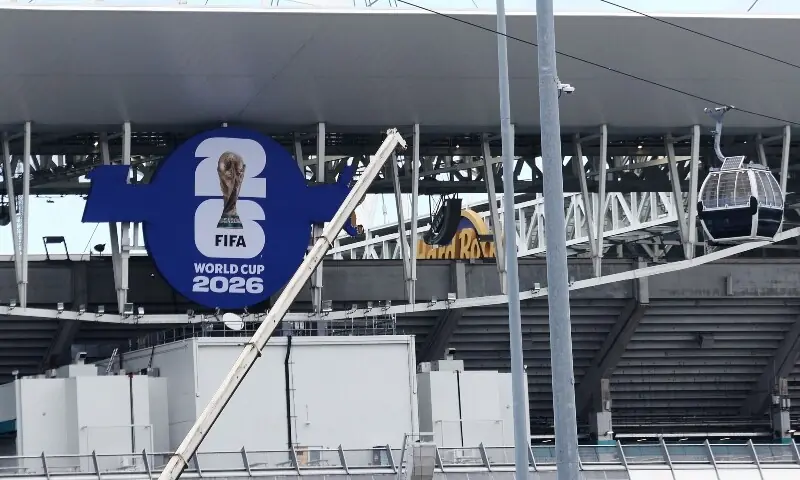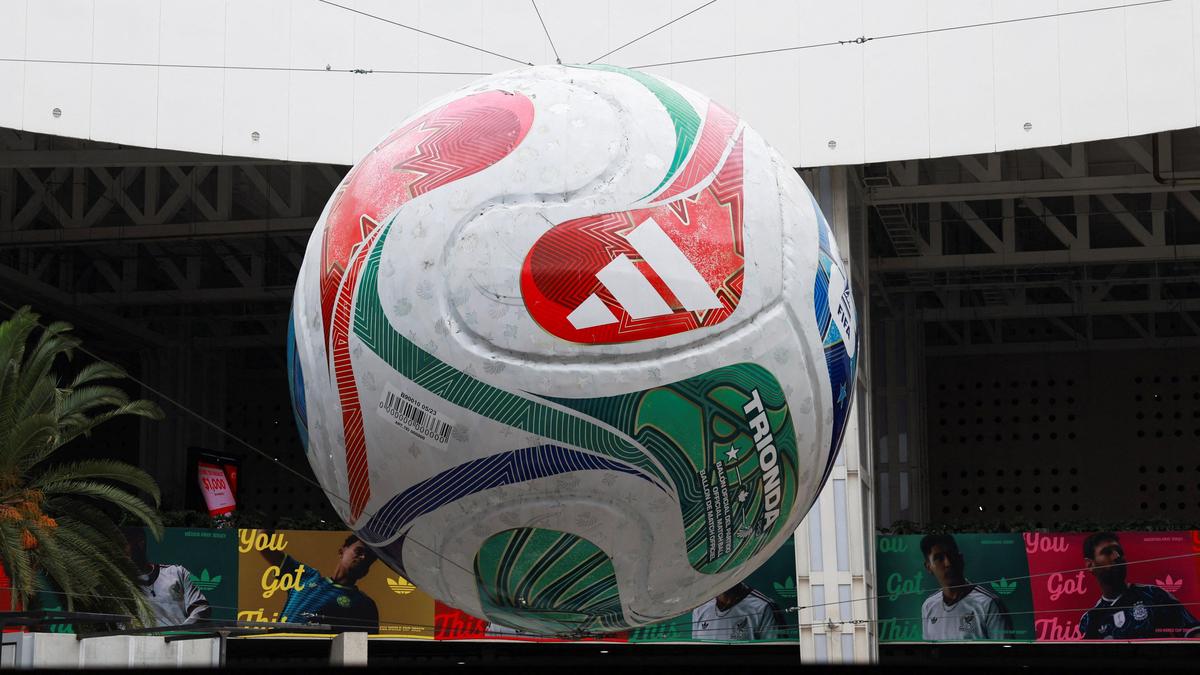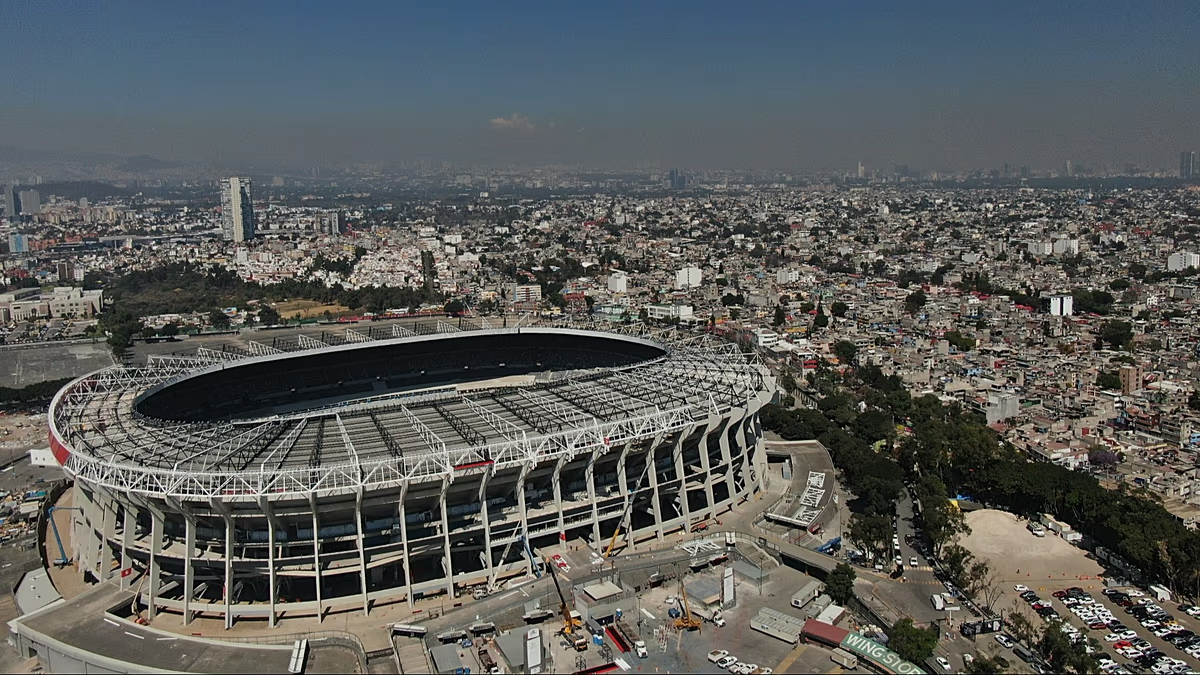
When the 2026 FIFA World Cup kicks off this June, it will not only be the biggest football tournament ever staged, it will, by many metrics, be the single largest organised event in human history.
Its sheer scale is borne out in the numbers. 48 nations, 104 matches, 16 host cities, three countries and millions of miles travelled by attendees.
The scale of the undertaking is vast. And behind every floodlit pitch, every television pixel and every journey to and from a stadium lies one huge question.
How on earth do you power something like this?
Analysts from the SGR estimate the tournament will generate in the region of nine million tonnes of carbon dioxide equivalent in total emissions, making it the most carbon-intensive World Cup in the history of the competition.