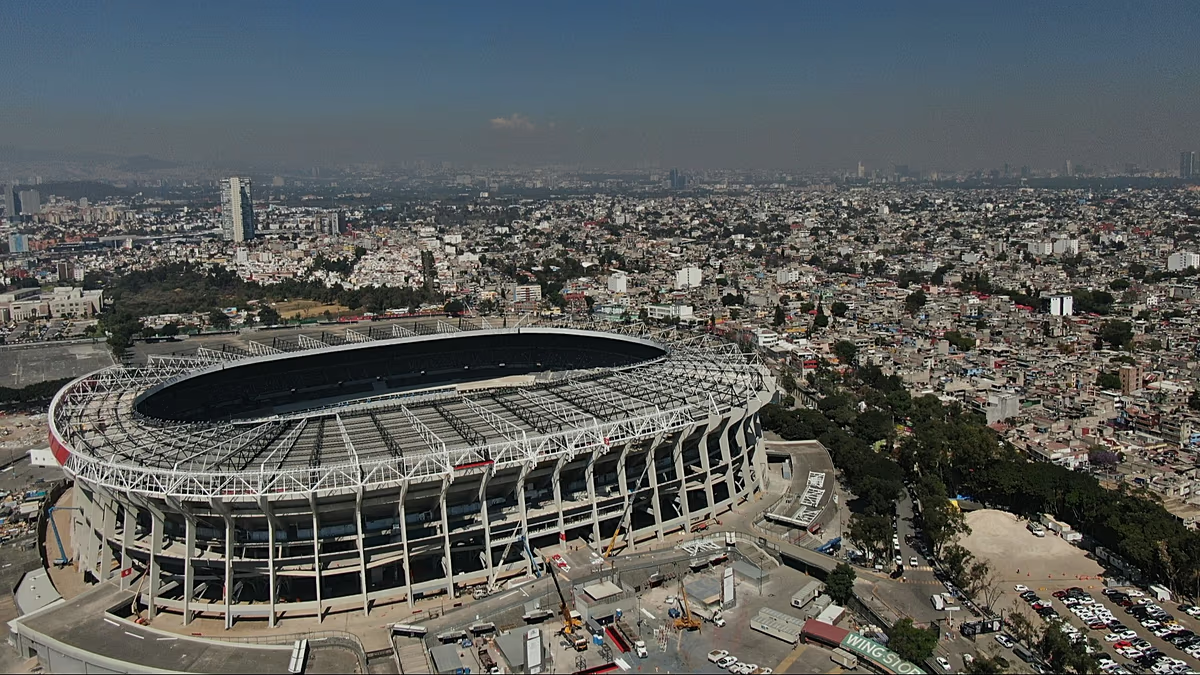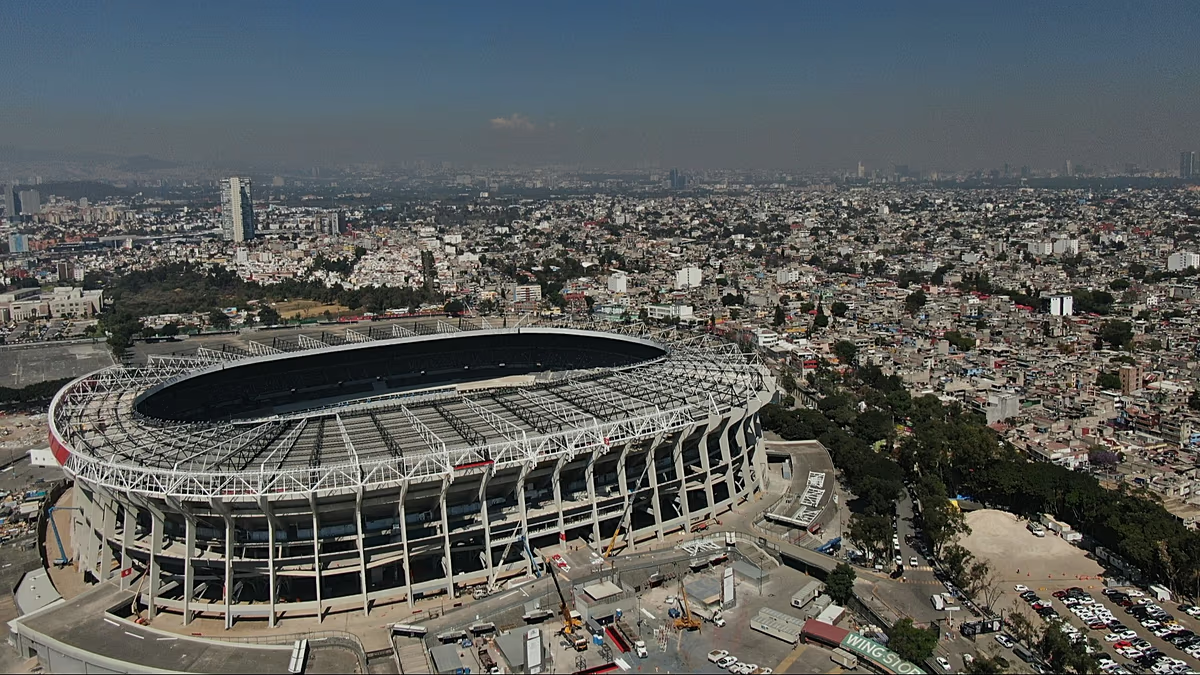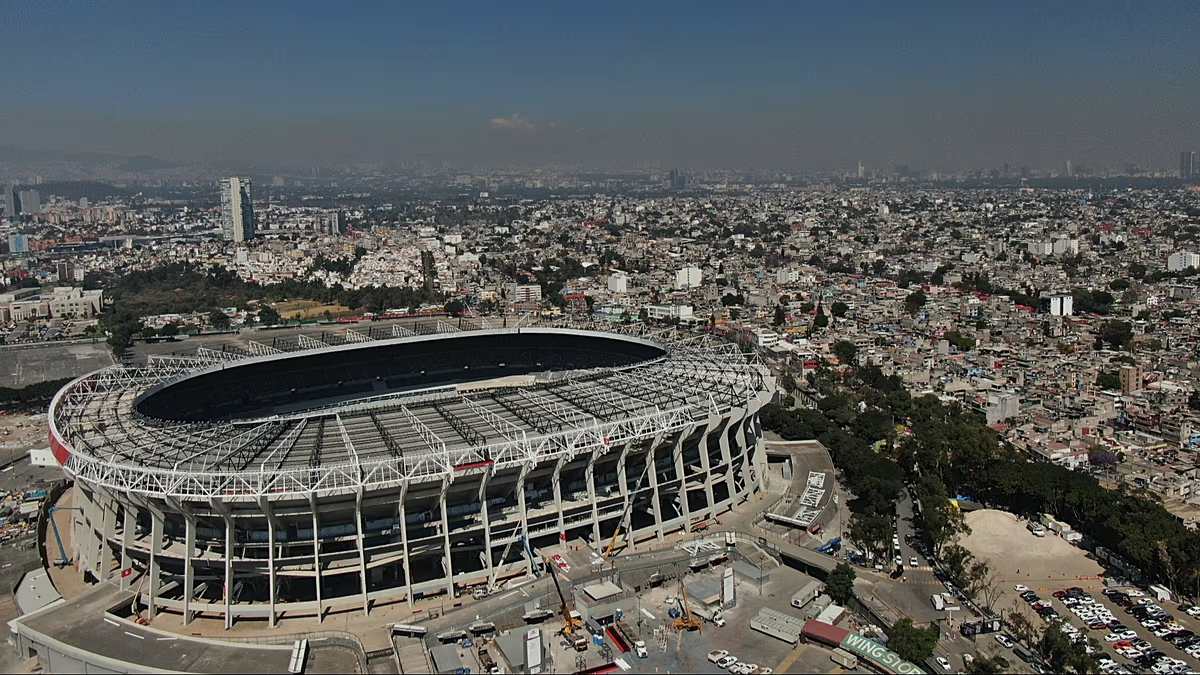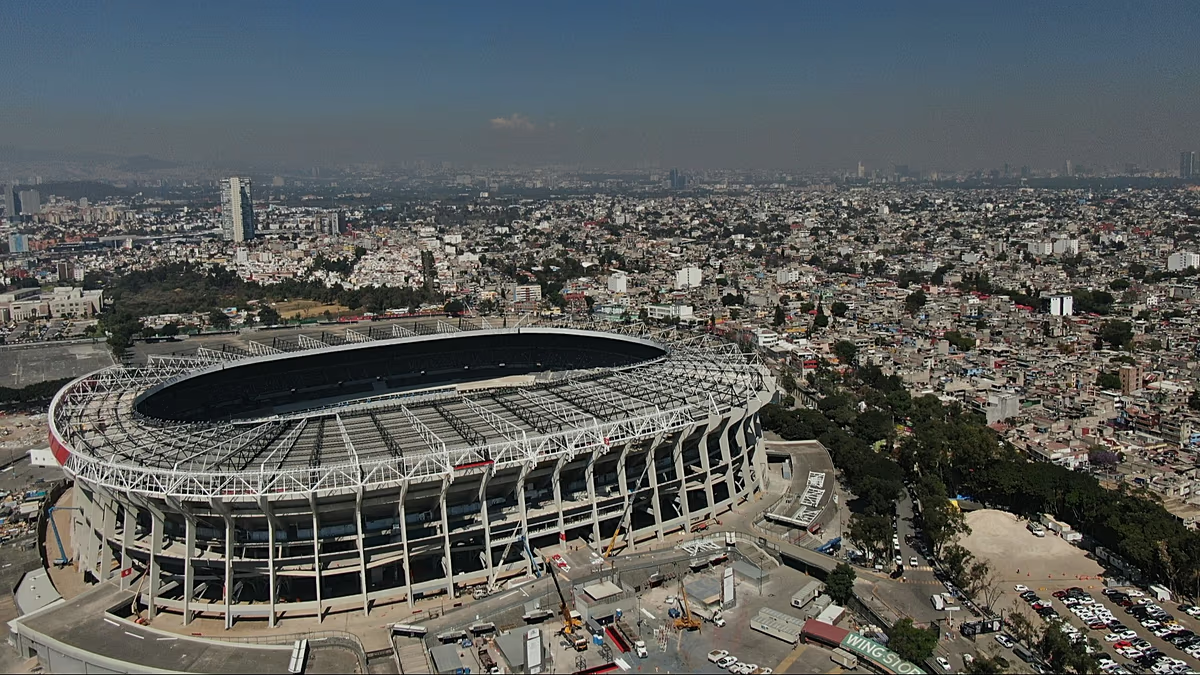
The 2026 World Cup, to be held in the US, Canada and Mexico, could become the most polluting tournament in football history. That is the warning from FIFA's Climate Blind Spot, a report outlining how the expanded format, geographical spread and reliance on air travel will sharply increase its climate impact.
According to the study, produced by the New Weather Institute, this year's World Cup will generate at least nine million tonnes of CO₂ equivalent, almost double the average for tournaments held between 2010 and 2022, which was around 4.7 million. In broader scenarios, that figure could rise to 15 million tonnes, making the event one of the most polluting in the history of sport.
More teams, more matches, more emissions
One of the key factors is the change in format. The 2026 World Cup will feature 48 teams and 104 matches, a 63 per cent increase on previous editions. This expansion means more travel, more fans and greater pressure on infrastructure. The report stresses that this growth will lead to a significant increase in emissions, especially from air travel, which is already the tournament’s main source of pollution.
The most critical issue is logistics. Unlike other tournaments concentrated in a single country, the 2026 World Cup will be played in 16 cities spread across the North American continent, separated by thousands of kilometres. This will mean that teams, journalists and millions of fans will depend almost entirely on planes. In fact, the report estimates that air travel will generate more than 7.7 million tonnes of CO₂.