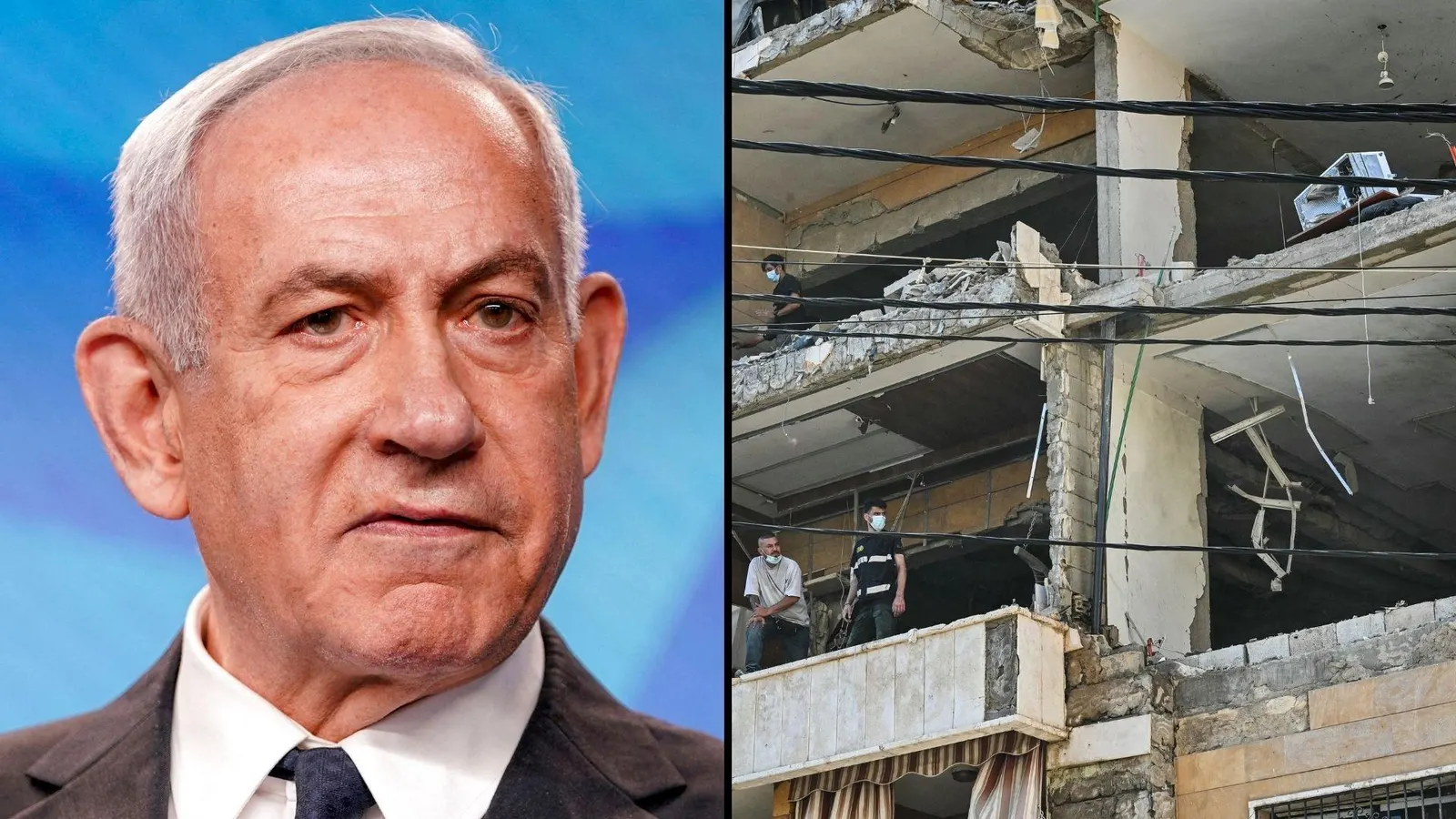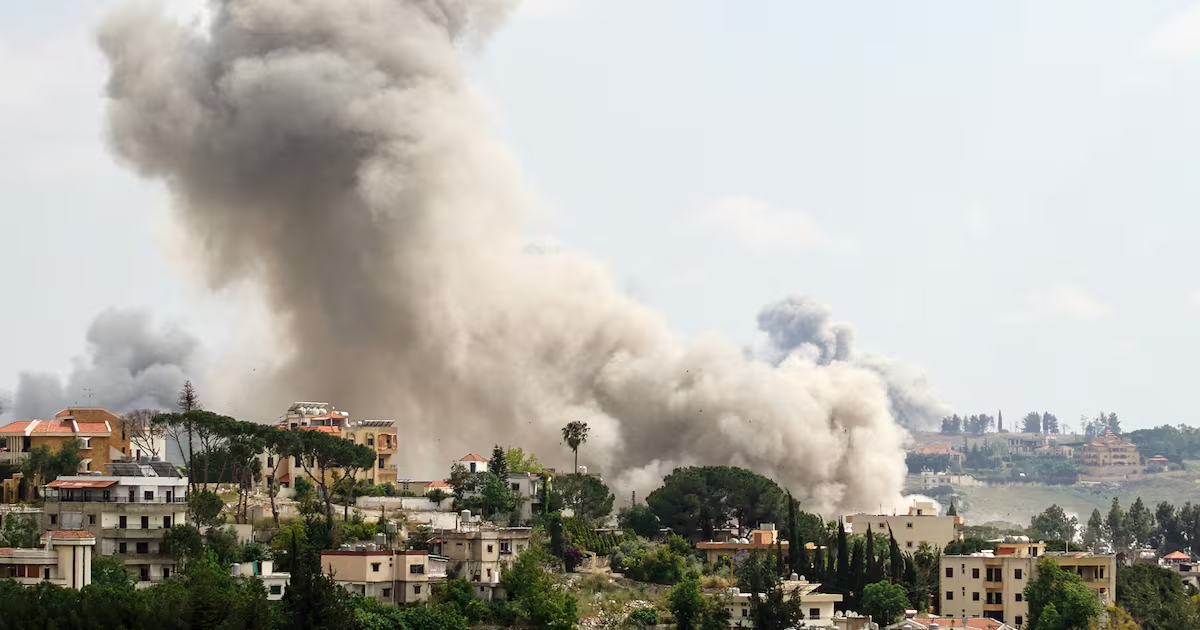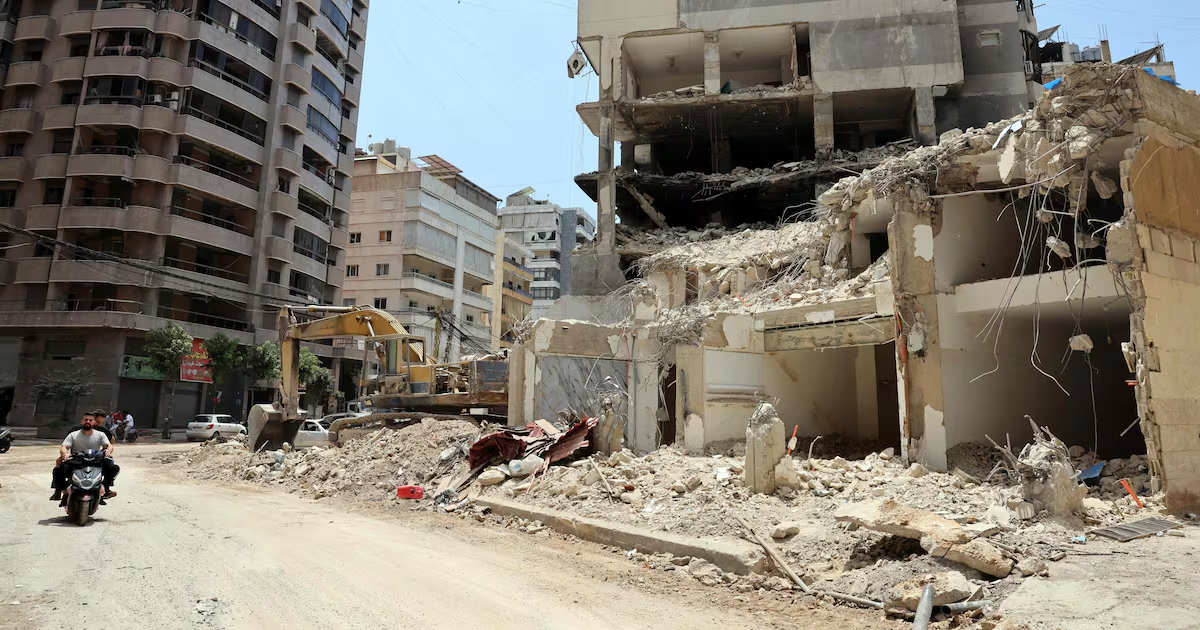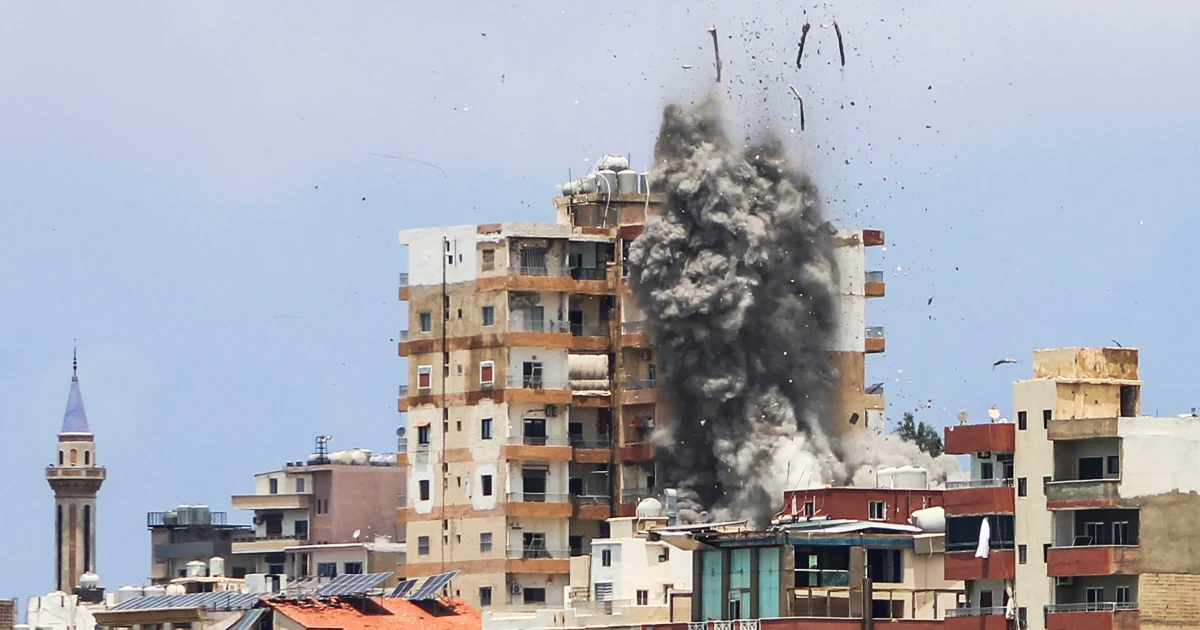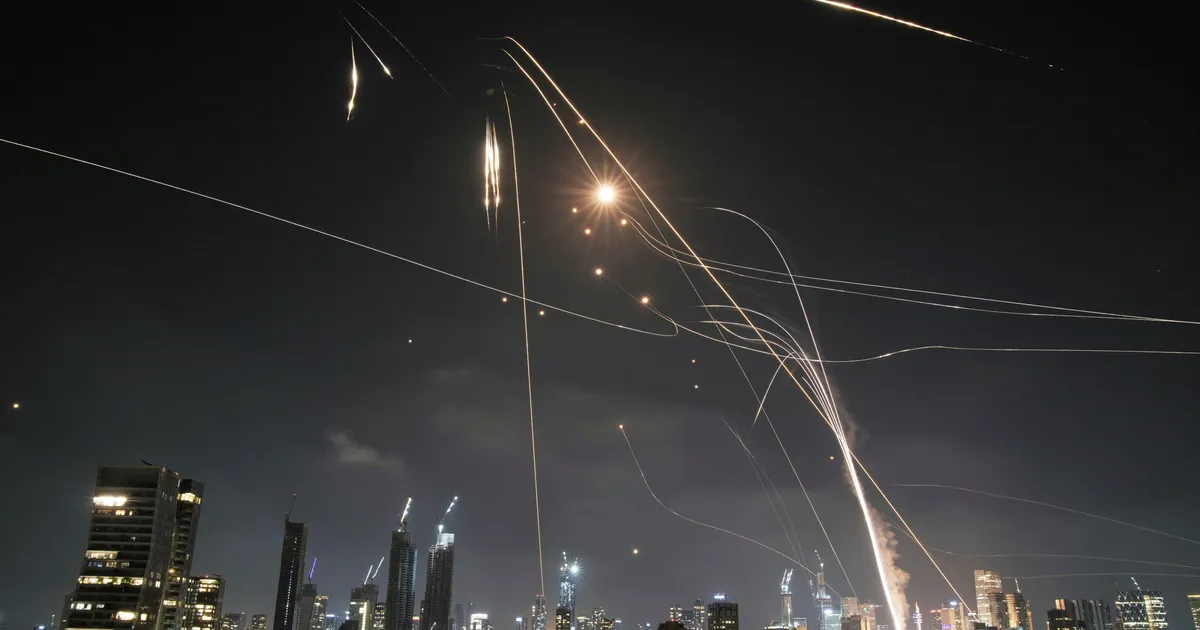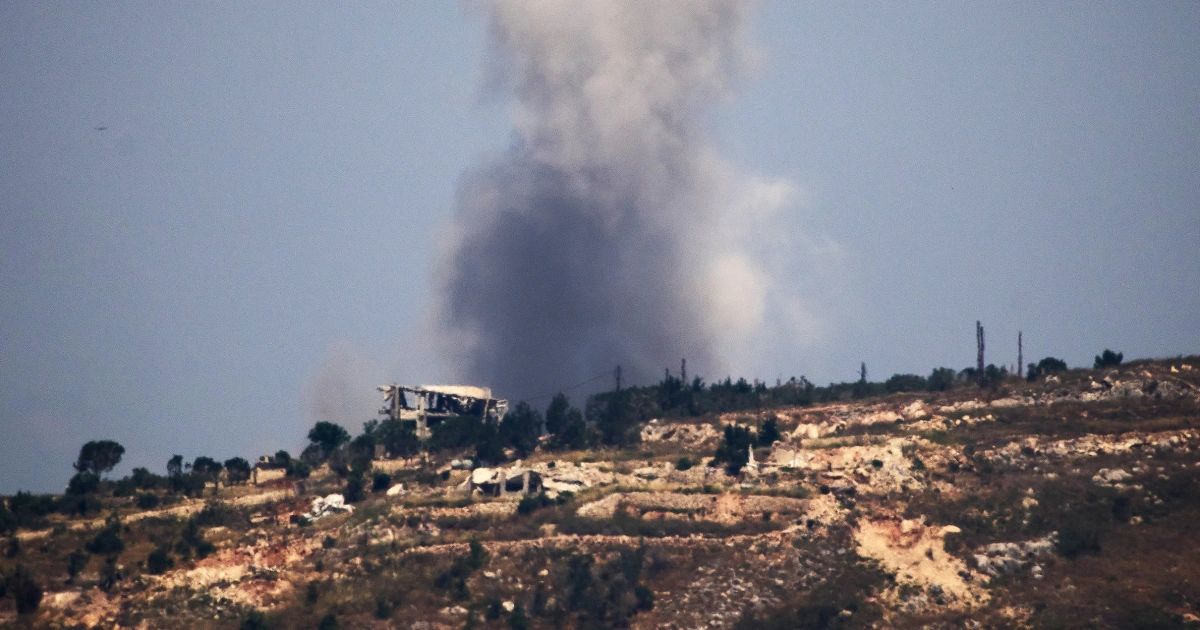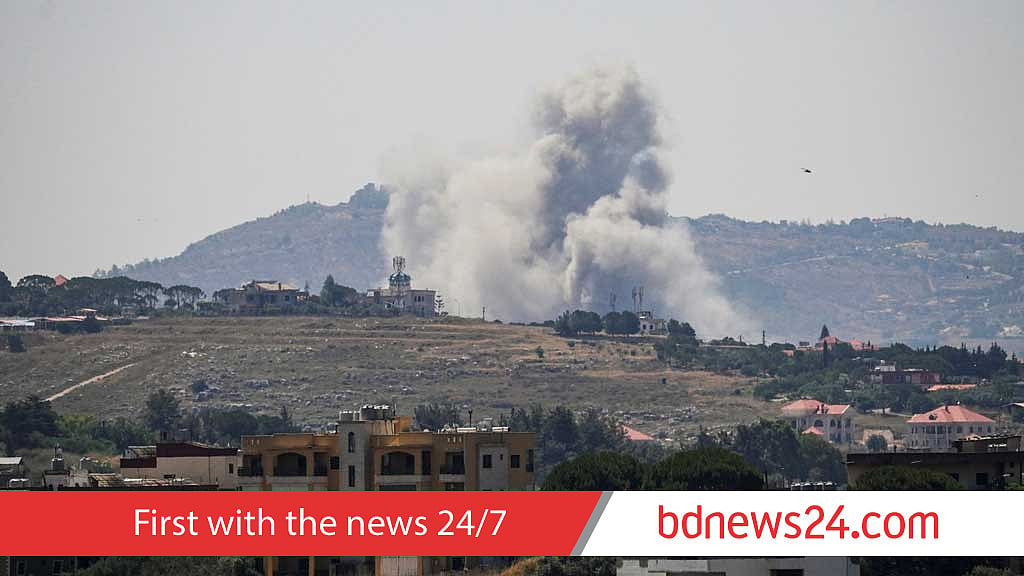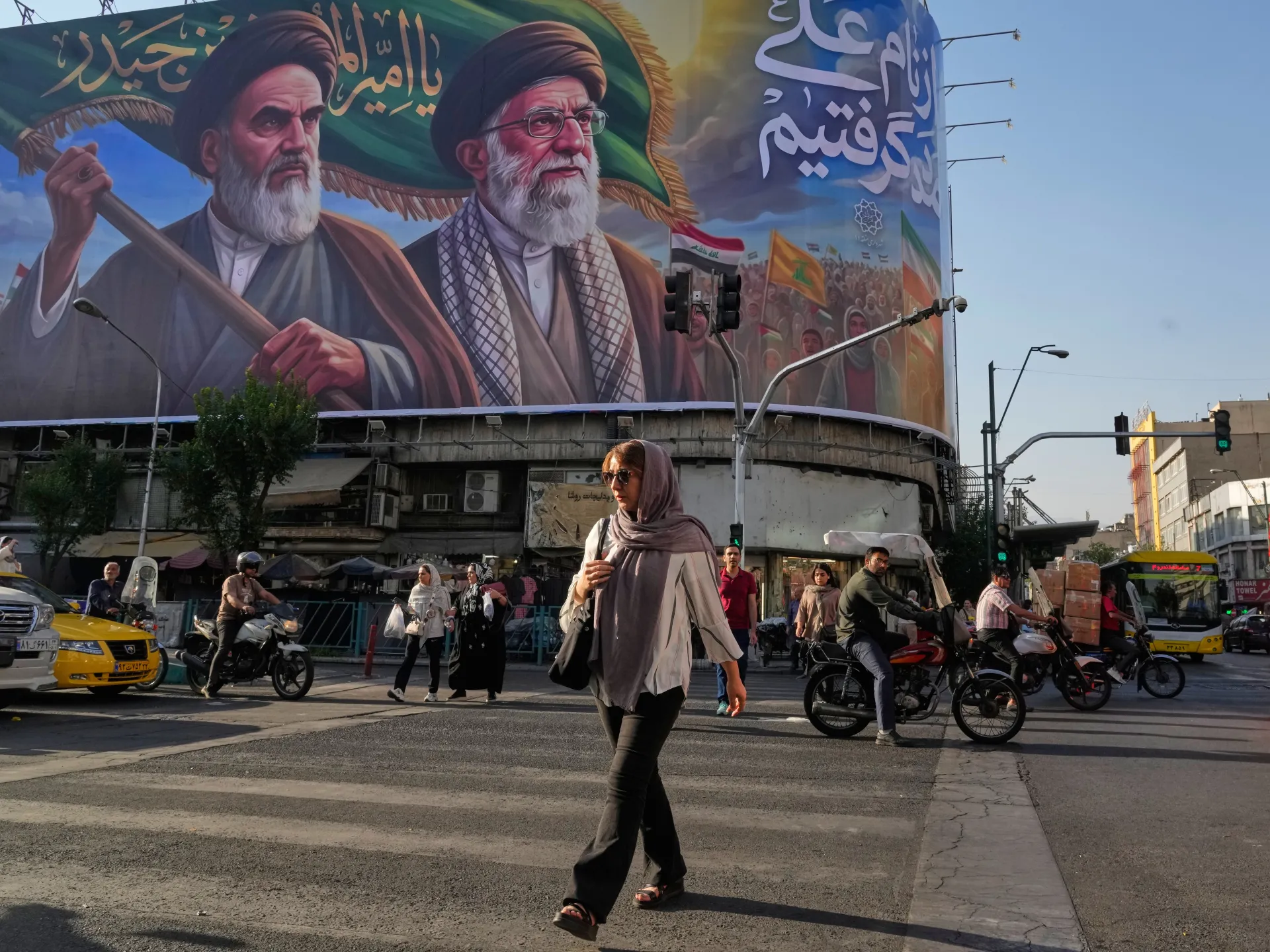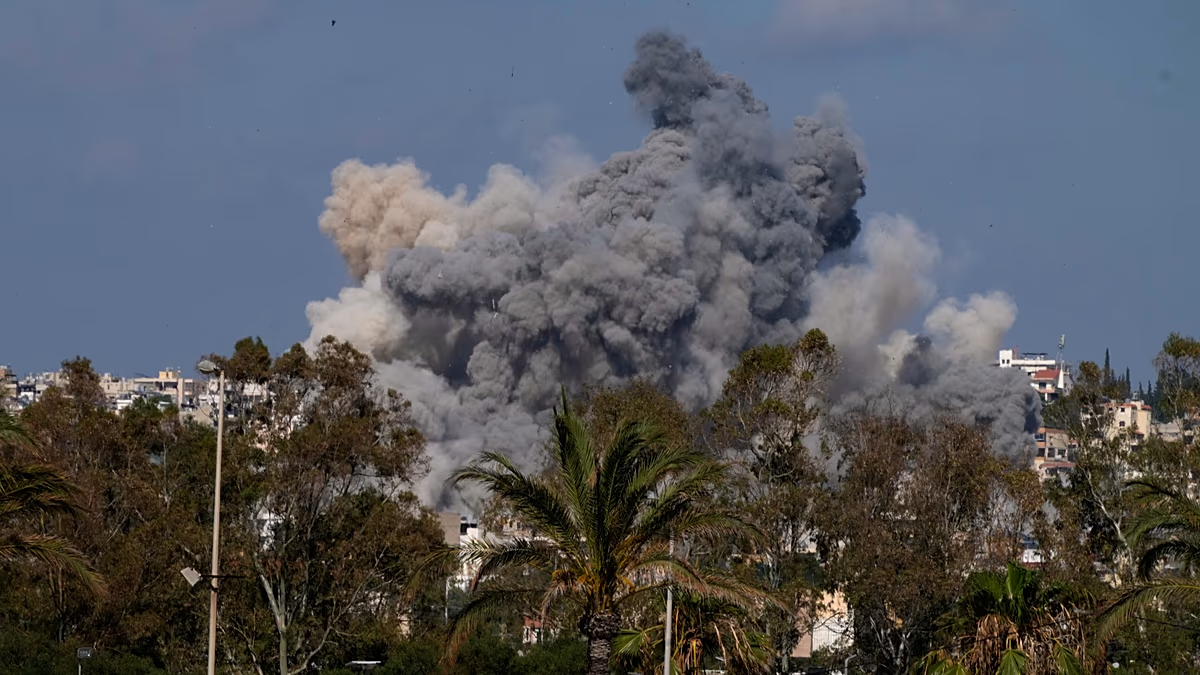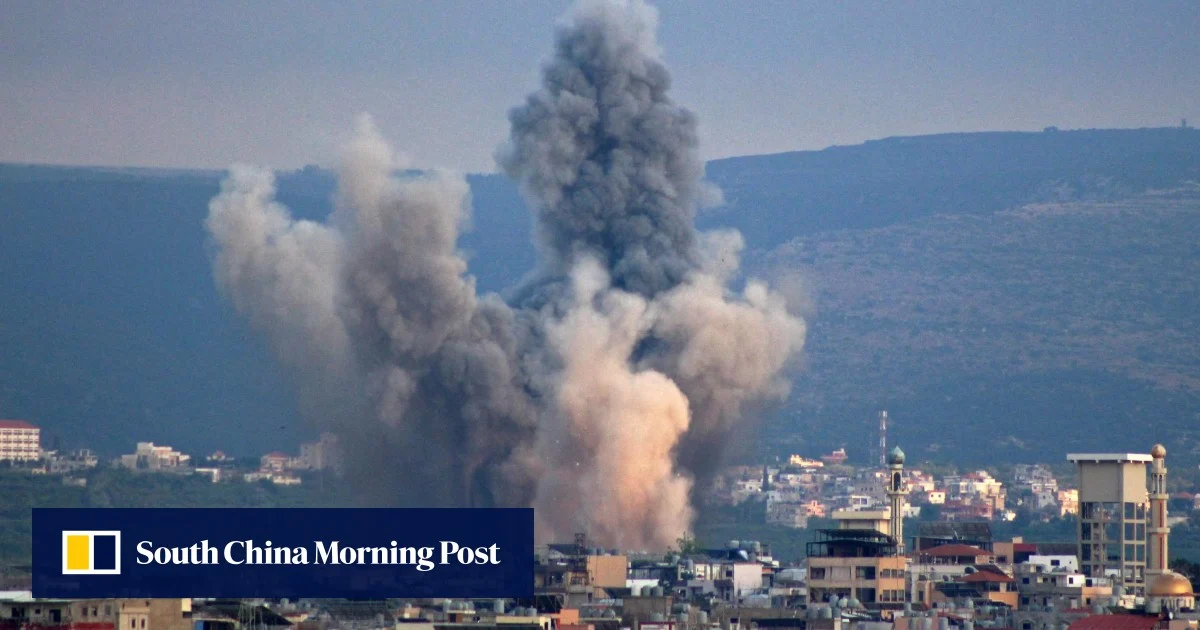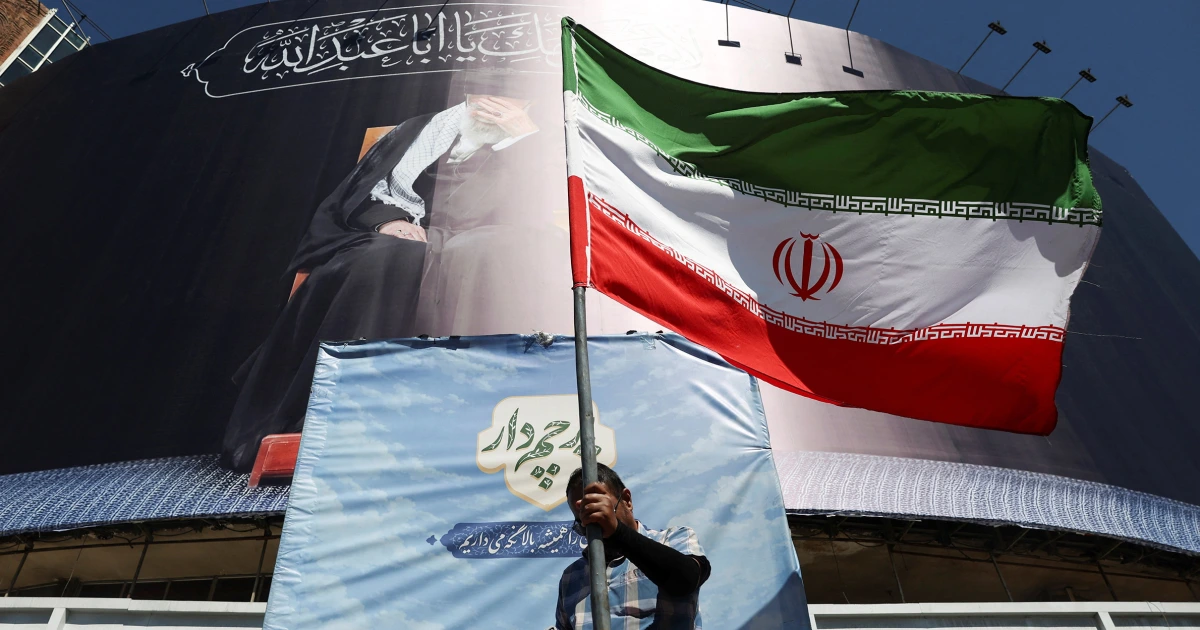
ByYAAKOV KATZJUNE 5, 2026 12:51Next Saturday will mark one year since the 12 Day War – the attack on Iran in June 2025 that saw the Israel-American military alliance soar to new heights and eventually led to Roaring Lion-Epic Fury being launched more than three months ago.It is worth remembering that summer because it stands in such stark contrast to the one we find ourselves in today. At the time, Israel was riding high. It had secured a solid ceasefire in Lebanon under which it enjoyed broad operational freedom to strike Hezbollah targets – terrorist commanders and strategic infrastructure. At the same time, with the help of America’s B-2 bombers, it had dealt a devastating blow to Iran’s nuclear program.If then Israel had near-complete freedom of action against Hezbollah, today that is far from the case. Instead, Israel is operating within guidelines set by US President Donald Trump. Does Israel want to push deeper into Lebanon? Trump needs to approve. Does it want to strike the Dahiyeh, the Hezbollah stronghold in Beirut? For now, the answer is no, because Trump has decided so.The same can be said about Iran. Then, Prime Minister Benjamin Netanyahu declared a “victory for generations,” while now the most it seems he can hope for is a phone call with the president during which he will not be cursed and threatened.Beyond the question of how Israel reached the point where it no longer fully determines its own fate, there is something deeply troubling about the way Trump views Lebanon. Rather than treating it as a separate front – one connected to Iran but not dependent upon it – he has effectively allowed the ayatollahs to link the two. In doing so, he has handed Tehran a significant strategic victory without even securing an agreement to extend the ceasefire.Prime Minister Benjamin Netanyahu and US President Donald Trump are seen shaking hands at a press conference in 2025. (credit: JONATHAN ERNST/REUTERS)For months, American officials have been working on a framework to extend the ceasefire by another 60 days. Depending on the day, the deal is either close or nowhere to be seen. In the meantime, as incessant rocket fire continued to bombard Israel’s north, the IDF deepened its offensive in Lebanon this week, reaching the Beaufort Ridge and signaling plans to strike the Dahiyeh.Everything appeared to be moving in that direction until Iran announced that it was pulling out of the talks unless Lebanon was included in any ceasefire arrangement, and Trump quickly fell in line.In a phone call that veteran Israeli diplomats say is unlike anything they can recall between an American president and an Israeli prime minister, Trump reportedly told Benjamin Netanyahu that he needed to stand down from its plan to strike Beirut. Netanyahu, the president said, needed to obey him because if it had not been for Trump, Netanyahu would be in prison. Israel was subsequently forced to agree to a ceasefire.A brief side note on the way the phone call has been reported. Both Axios and The Wall Street Journal reported that Trump made the prison remark and used profanity during the conversation.By contrast, Amit Segal, a journalist known to be close to Netanyahu and who was once offered a top spot on the Likud list, denied that profanity was used. It is obvious which version is more accurate, and Trump himself later confirmed the Axios version.But it is equally clear which side has a political interest in downplaying the tension – Netanyahu, who benefits from portraying the relationship as less strained than it appears.While all of this is concerning, it is not the main problem. Presidents and prime ministers clash. That itself is nothing new. What is new is that Trump seems to have made a strategic decision to end all of the conflicts in the region with disregard for how it will all play out in the long term.If there were any lingering doubts, Trump has made it abundantly clear that he wants a deal with Tehran and that anything standing in its way – rocket attacks on Israel, or an IDF campaign designed to further weaken Hezbollah – will be cast aside.Iran gambles on making Lebanon demandsThe Iranians took a gamble when they demanded that Lebanon be included in the ceasefire negotiations. Now that it has been, they understand they hold the stronger hand. They know Trump is eager for a deal and that they can extract additional concessions.For Israel, the implications are immediate. The Lebanese front is now directly tied to the Iranian front. If Trump decides that negotiations with Tehran require calm in Lebanon, then Lebanon is off limits. It is hard to write this, but what it practically means for now is that Hezbollah has won.Not only will it have survived nearly three years of war, but it will emerge stronger because Iran’s linkage between the two fronts has now been legitimized – whether formally acknowledged or not – by the White House itself.The broader regional implications are equally troubling. Iran is acting with growing confidence.Even if a future agreement removes Iran’s stockpile of highly enriched uranium and freezes enrichment for 15 or 20 years, Tehran will emerge from the process with significant gains. The regime will receive international legitimacy from the United States, potentially gain access to tens of billions of dollars, and come away knowing that it has survived war with two of the most powerful militaries in the world.A year ago, Israel demonstrated extraordinary military power against Iran and Hezbollah. It had major successes, but it missed the window to turn those achievements into something that would last.That is why the challenge today is not whether Israel can win battles, but rather if it knows how to translate those victories into a strategy that preserves its freedom of action and prevents old mistakes from becoming new realities.The writer is co-founder of MEAD, a senior fellow at the Jewish People Policy Institute, and a former editor-in-chief of The Jerusalem Post. His latest book, While Israel Slept, is a national bestseller in the US.Follow us on Google
Trump’s Iran strategy is reshaping Israel’s military options in Lebanon | The Jerusalem Post
Hezbollah gains leverage as US diplomacy links Lebanon to broader Iran deal efforts, limiting Israel’s options.
1,011 words~5 min read