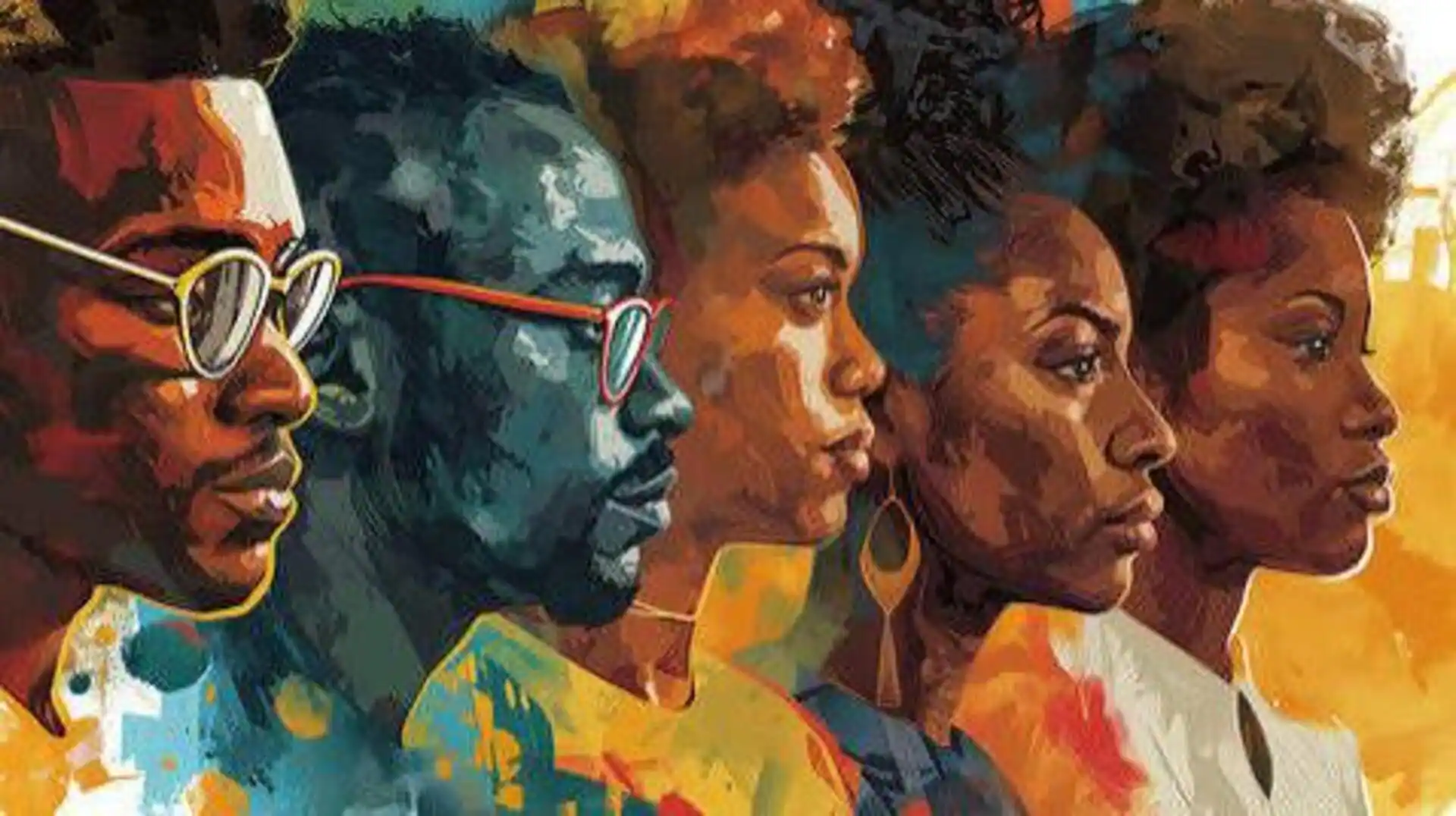
I was introduced to the term “Afro-Surrealism” through an interview in which Phillip B. Williams called it his preferred way to describe his novel Ours. The phrase was coined by Amiri Baraka in 1974 and expanded upon by D. Scott Miller in his 2009 “The Afro-surreal Manifesto.” Afro-Surrealism emerges from folklore, cosmologies, ancestries, spiritualities, humor, knowledge systems, and ways of being specific to the African continent and diaspora. Like magical realism, it allows the real world to co-exist with the uncanny and impossible. Miller distinguishes Afro-Surrealism from both European Surrealism and Afrofuturism, which imagines science and technologies to speculate on Black futures.
I find it difficult to describe the genre of my novel Rabbit, Fox, Tar. Though undeniably speculative, its supernatural elements don’t quite push it into the realm of fantasy or science fiction. Very real historical injustices and modern political tensions birth something phantasmic. Magical Realism might be a more accurate categorization, but even that feels both too broad and too specific to call it a match. Many authors who have influenced my work say that this is simply how Black folk have always told stories.