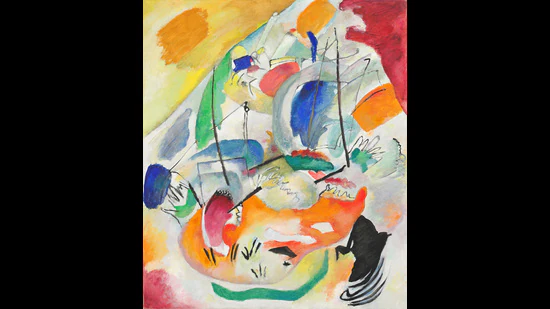
The history of art is, to a great extent, the history of humanity’s attempts to understand the world. The discovery of perspective, the study of anatomy, the examination of light, the analysis of movement. For centuries, art sought ways to represent reality more accurately. This is why the origins of many artistic movements can be explained relatively easily: Impressionism focused on the changing nature of light, Cubism fragmented form, Futurism was concerned with speed and modern life.
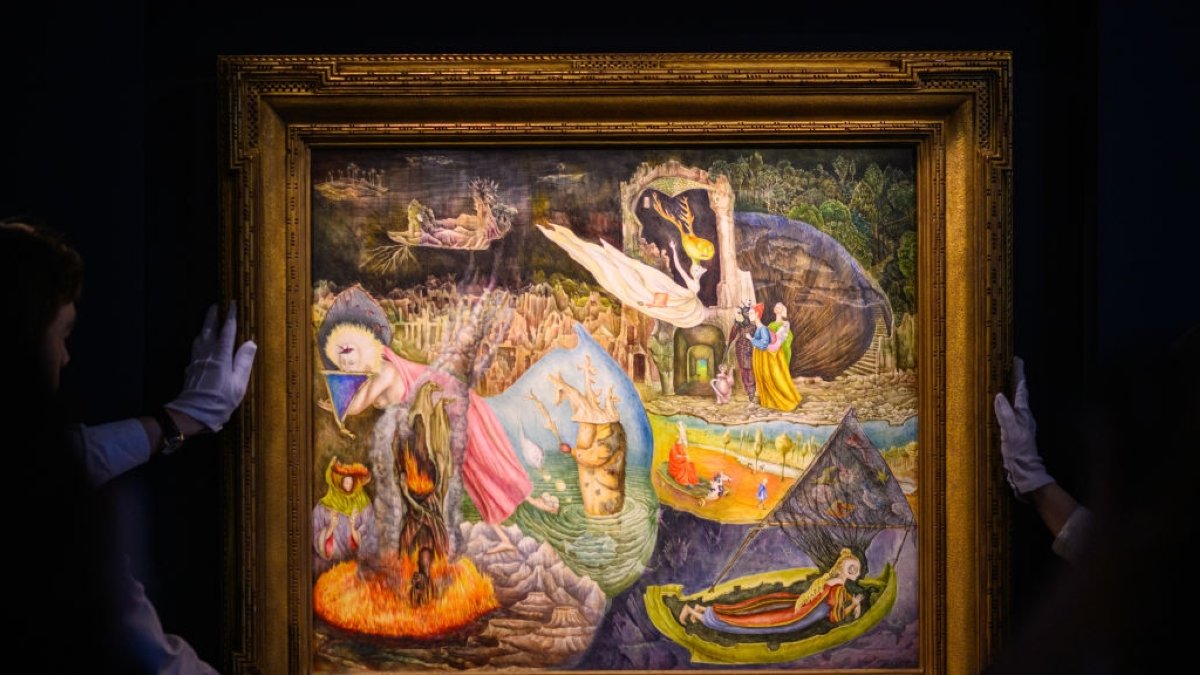
Surrealism, however, looked elsewhere amid all of this.
Its aim was not to describe reality better, but to reveal just how fragile reality already was.
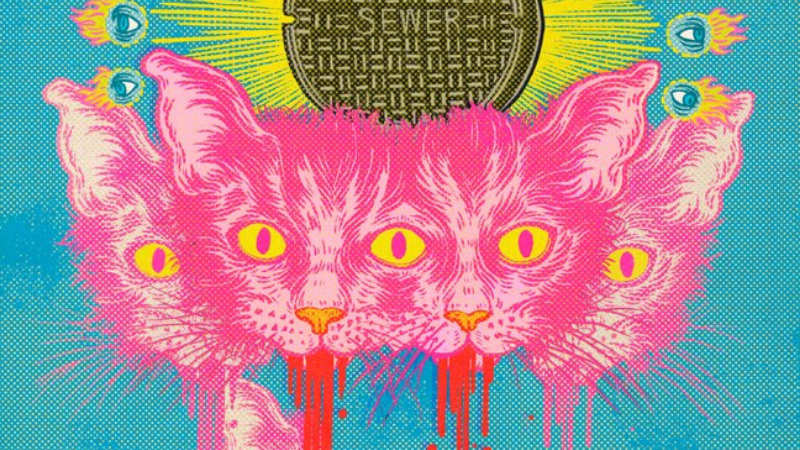
Perhaps this is why Surrealism remains one of the most popular yet simultaneously one of the most misunderstood movements in art history. Today, the word “surreal” is used in everyday language for almost anything: something strange, absurd, inexplicable. Yet Surrealism was never simply about producing bizarre images. In fact, many of the finest Surrealist works do not shout at first glance. They are quiet. Yet they remain in the mind.
Because Surrealism does not create a space where logic disappears completely, it creates a space where logic shifts ever so slightly. And perhaps that is precisely what affects us most.