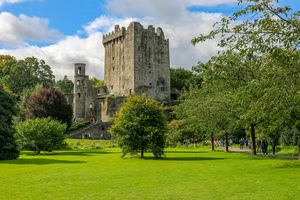
Dahlia E. Akhaine / Unsplash
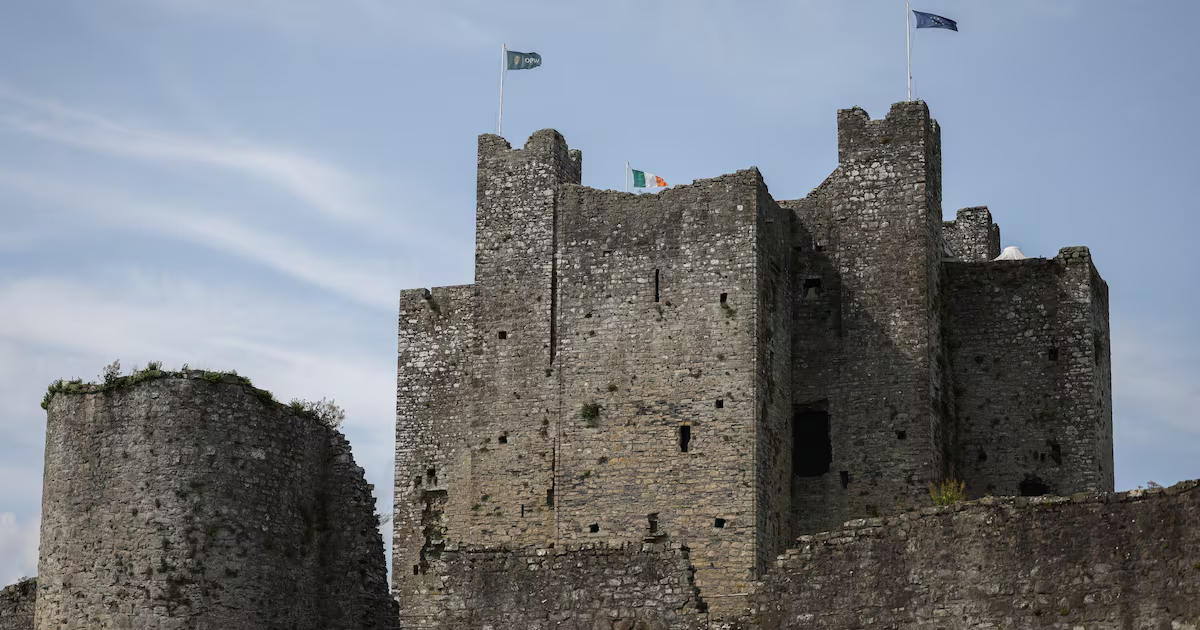
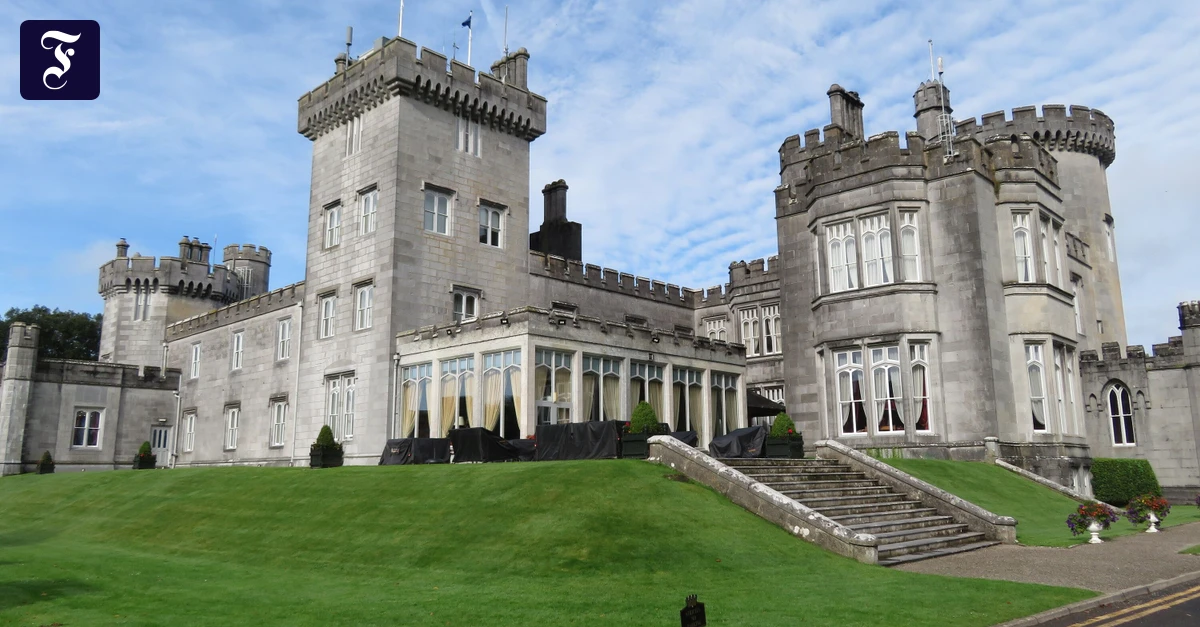
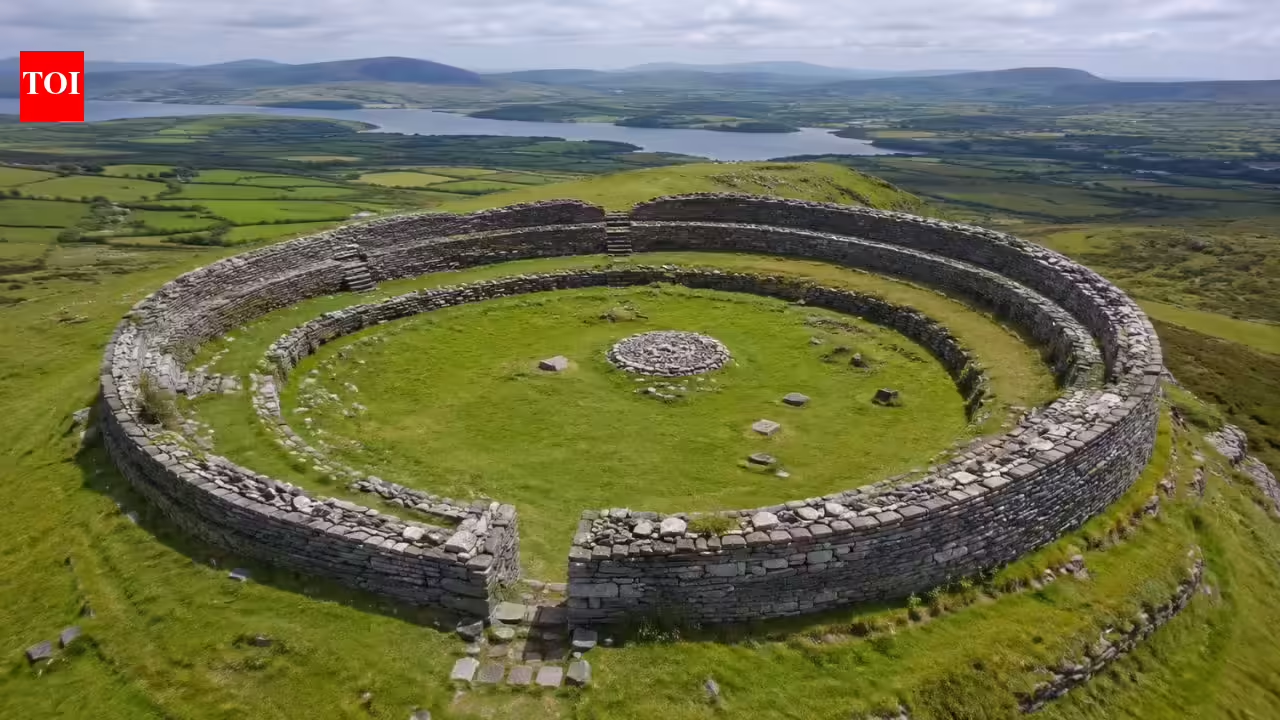
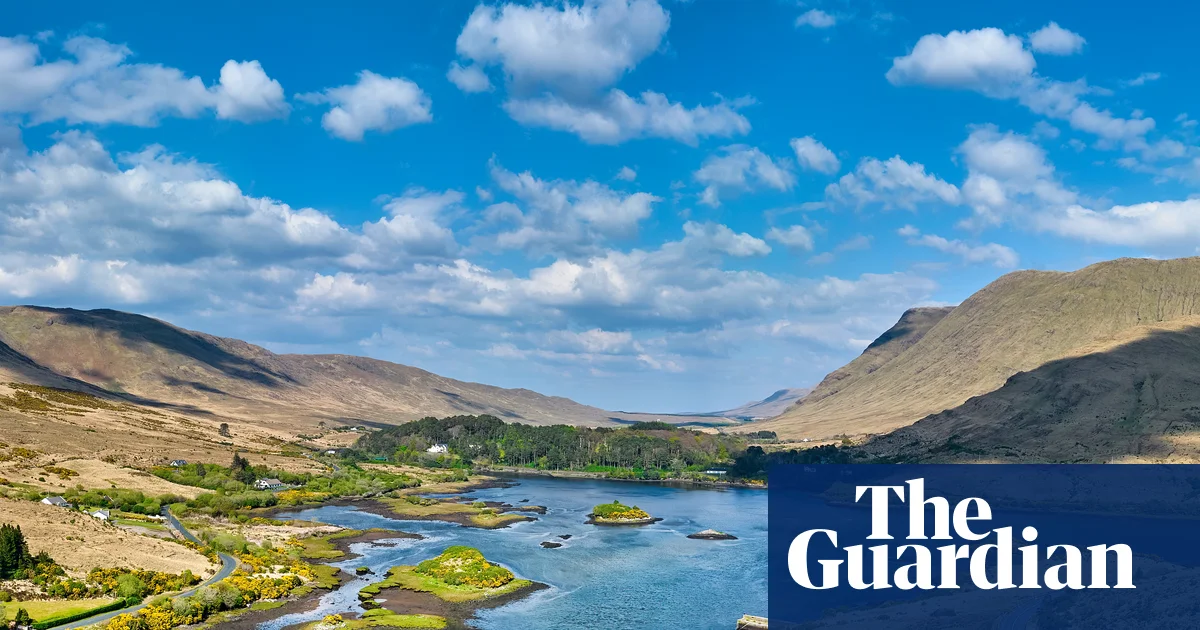
Ireland’s castles do not exist in isolation from the landscape around them. They were built into it: on rocky islands in river channels, atop coastal outcrops, at the edge of loughs, and in the centers of market towns that still function as living communities. The result is a kind of historical immersion that a standalone monument cannot provide: the castle, the village, the water, and the hill are one continuous thing, and visiting one means encountering all the others. The survival rate of these fortifications is also remarkable. Some are ruin-only, but many restoration projects have brought them to full functionality: government buildings, luxury hotels, event venues, and working family homes.
What makes Ireland’s castles particularly compelling for visitors is the range of stories they contain. Norman conquests, Gaelic clan rivalries, literary gatherings, Viking settlements, and medieval power struggles all left their marks in stone, and the castles that remain are the physical residue of those layered histories. Guided tours, audiovisual presentations, on-site heritage centers, and, in some cases, full medieval banquets with live entertainment make those stories accessible to visitors who arrive knowing very little about Irish history and leave knowing considerably more.