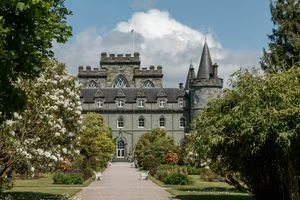
Ray Harrington / Unsplash
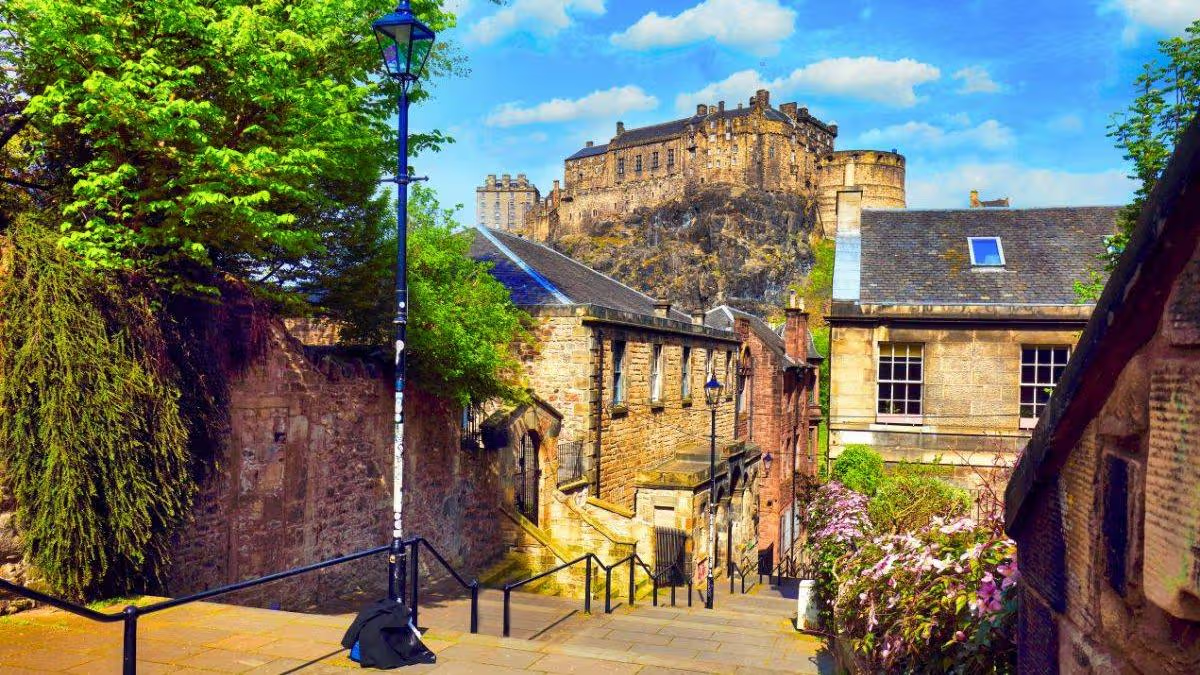
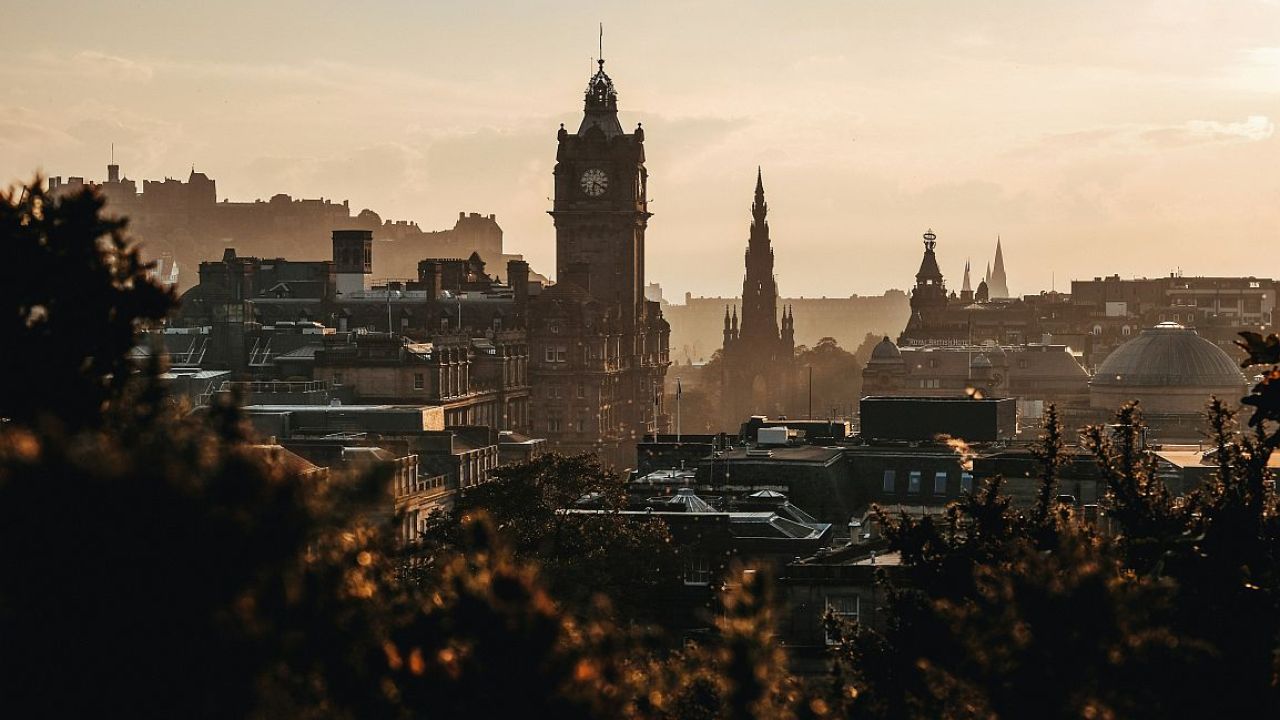
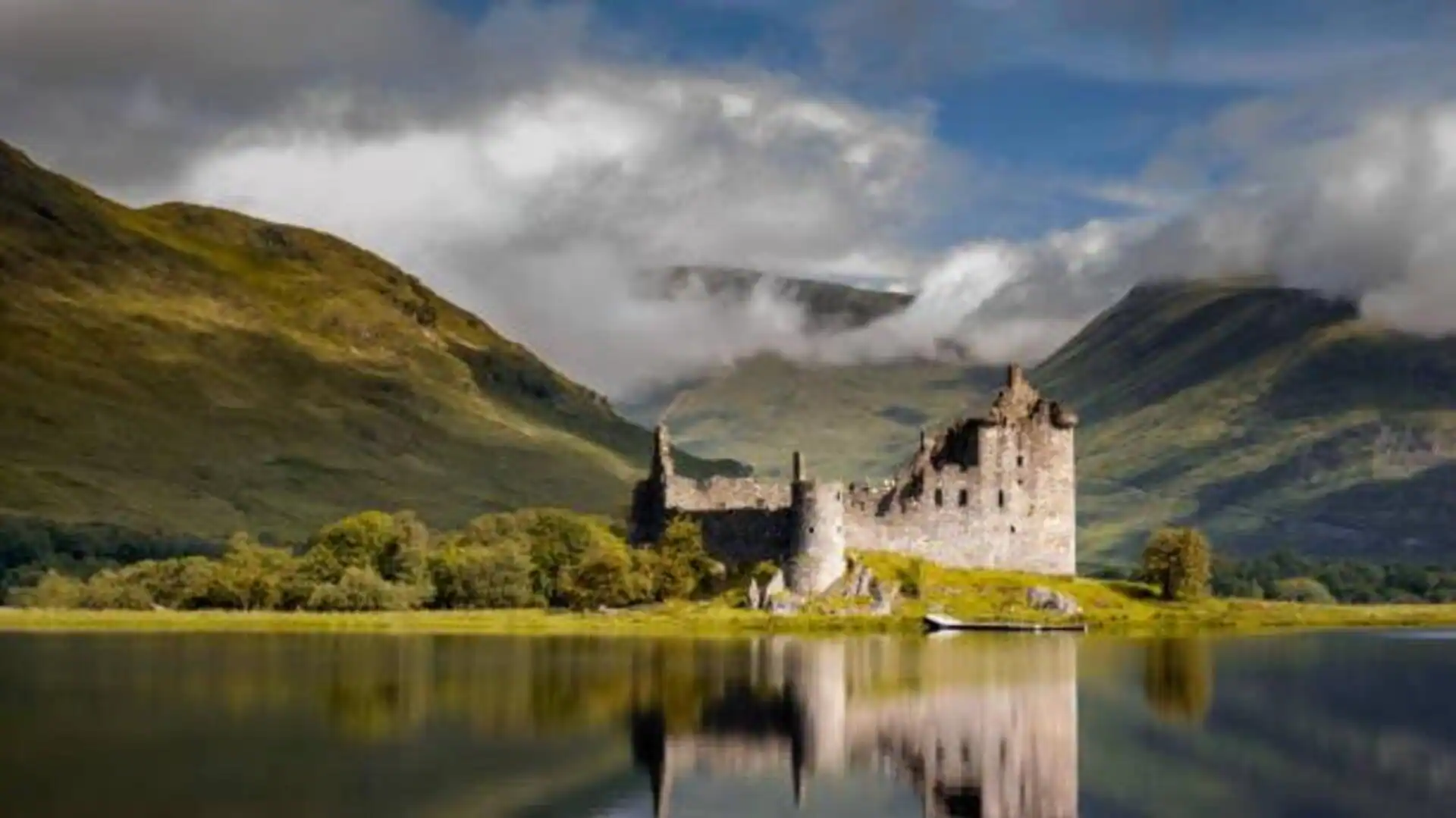
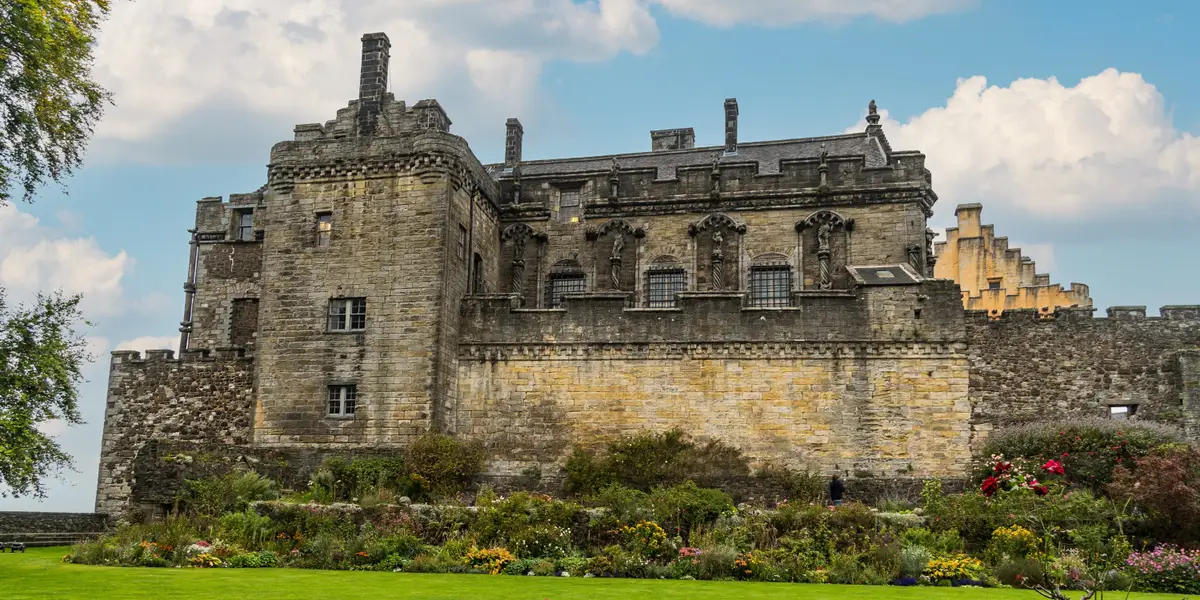
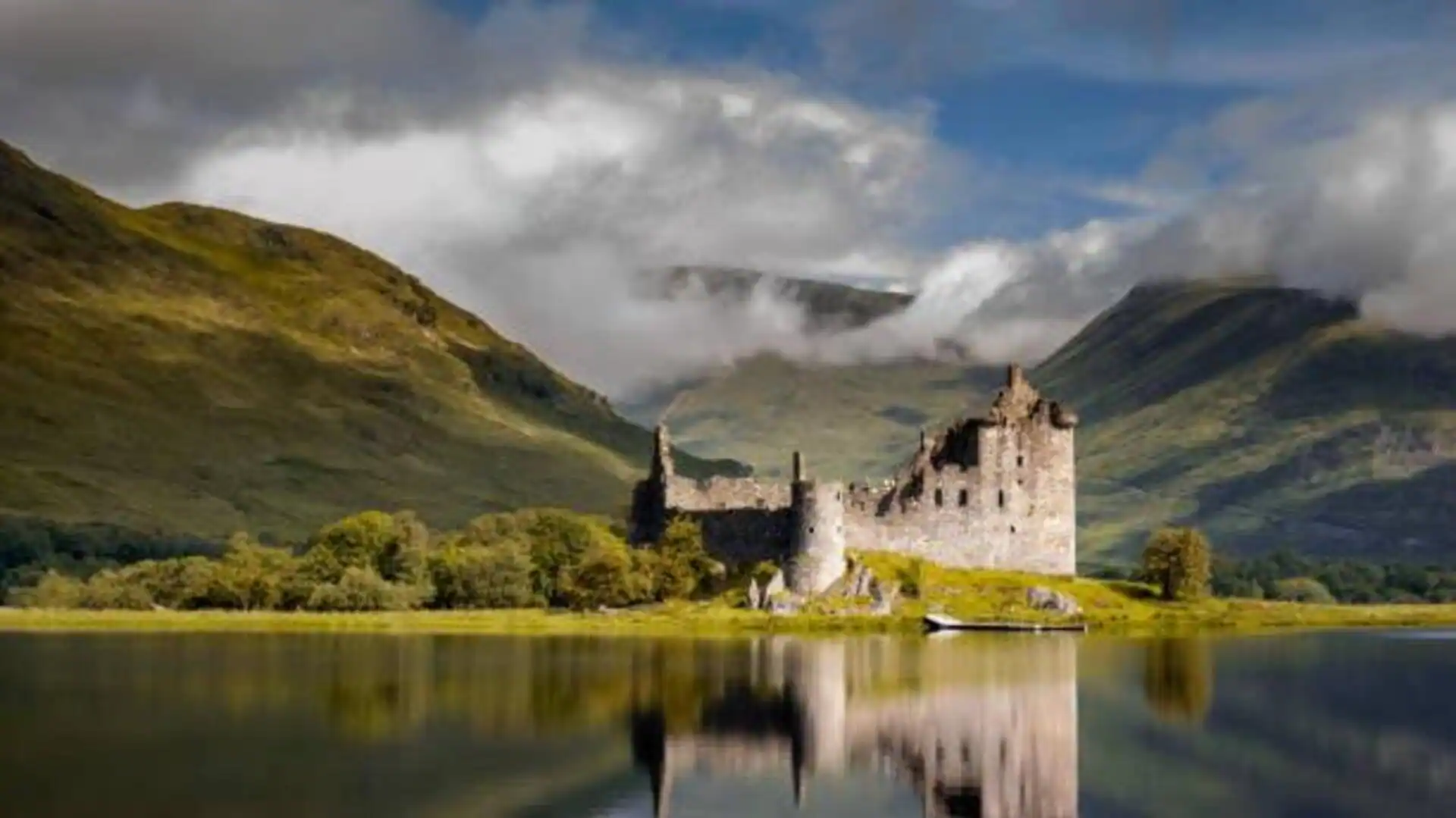
Scotland wears its history on its landscape in a way few countries can match. Castles appear on clifftops above crashing seas, on islands in highland lochs, in the middle of capital cities, and on the manicured grounds of active royal estates. Some stand in dramatic ruin, their collapsed towers and broken walls more atmospheric than any restored version could be. Others have been rebuilt, maintained, or converted into living museums that draw visitors from across the world. What connects them is the weight of what happened inside and around them: sieges, royal childhoods, parliamentary maneuvers, and centuries of conflict that shaped the country these buildings still occupy.
The density of Scottish castles is remarkable even by European standards. The country holds an estimated 1,500 of them, with the earliest structures dating to the 12th century. Many are privately owned and closed to visitors. Others open seasonally, typically from spring through October, when the grounds and interiors are accessible, and the surrounding landscapes are at their most inviting. A smaller number stay open year-round, operating as major cultural attractions that require advance ticket purchase during peak summer months.