Without mandatory extended producer responsibility, the economics of recycling crystalline silicon modules – which make up roughly 95% of the global installed base – cannot justify the cost gap over landfill on material recovery alone.
Recycling a utility-scale solar module in the United States costs between $15 and $45. Sending it to landfill costs between $1 and $5. That gap is the central problem facing the PV recycling industry, and it does not close without policy intervention, according to Philip Kwong, a researcher at the University of Adelaide who focuses on PV recycling economics.
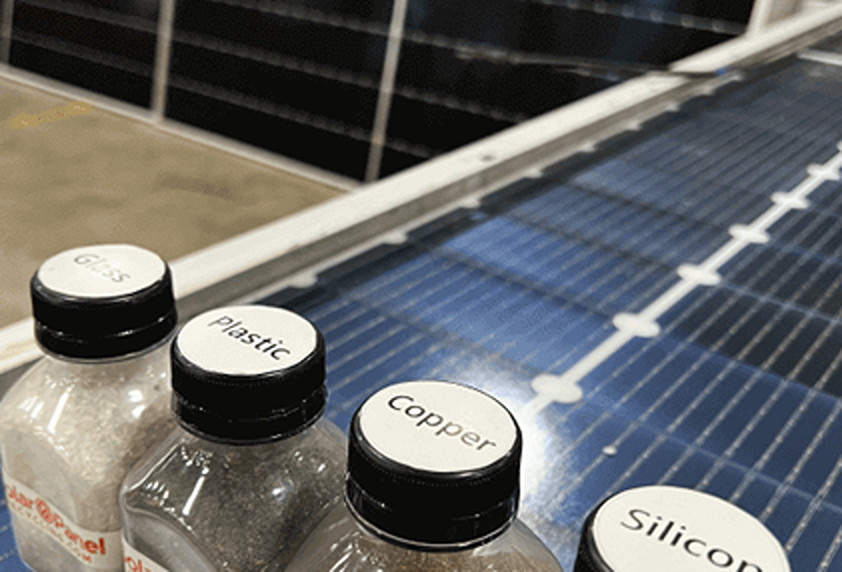
“For most mainstream crystalline-silicon PV recycling today, commercial viability without extended producer responsibility mandates, landfill restrictions, or public subsidies remains difficult,” Kwong said. “The economics are driven by a simple problem: the recovered materials are generally worth less than the cost of collecting, transporting, dismantling, and processing modules.”
In “Recycling of photovoltaic modules: Technologies, comparative insights, challenges, and future outlooks,” published in Waste Management, Kwong and his colleagues identify silver and silicon as the primary value drivers in end-of-life crystalline silicon modules, which account for roughly 95% of the global installed base. But Kwong said current commercial operations largely fail to recover either at sufficient purity to justify the cost.