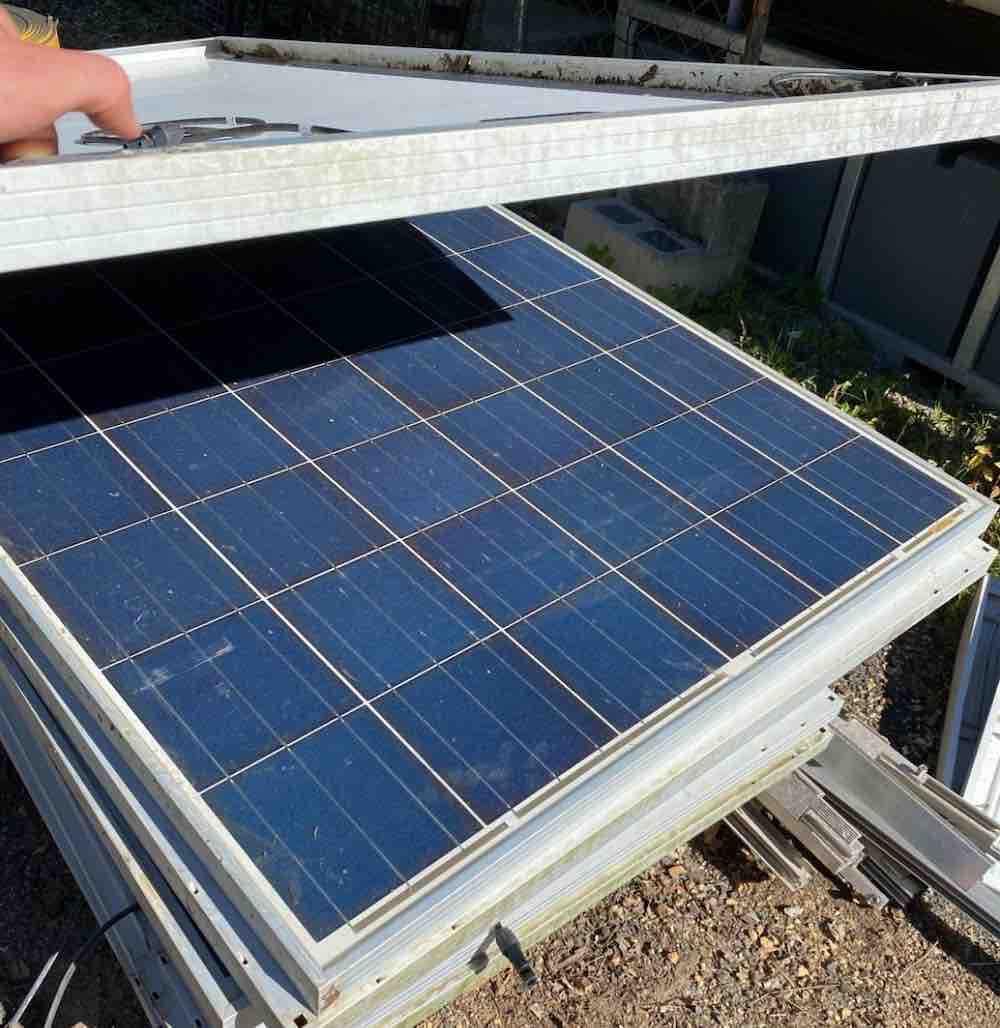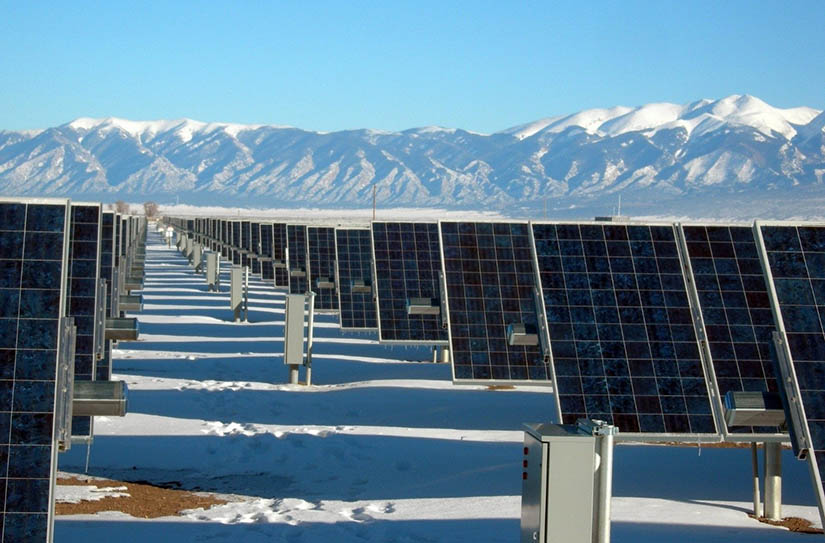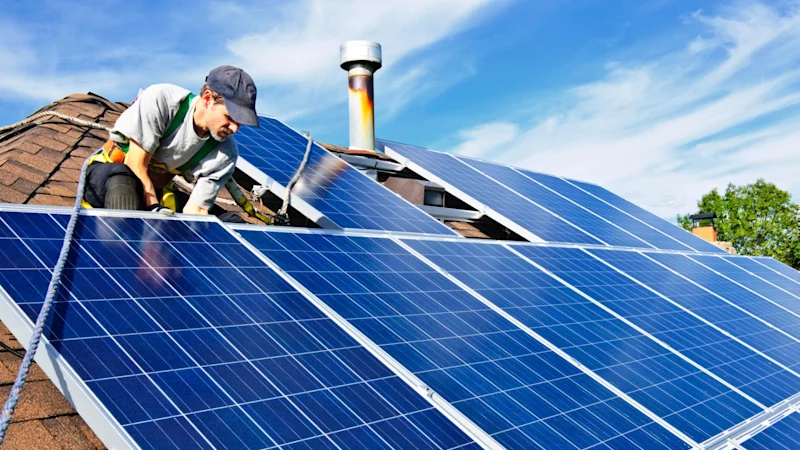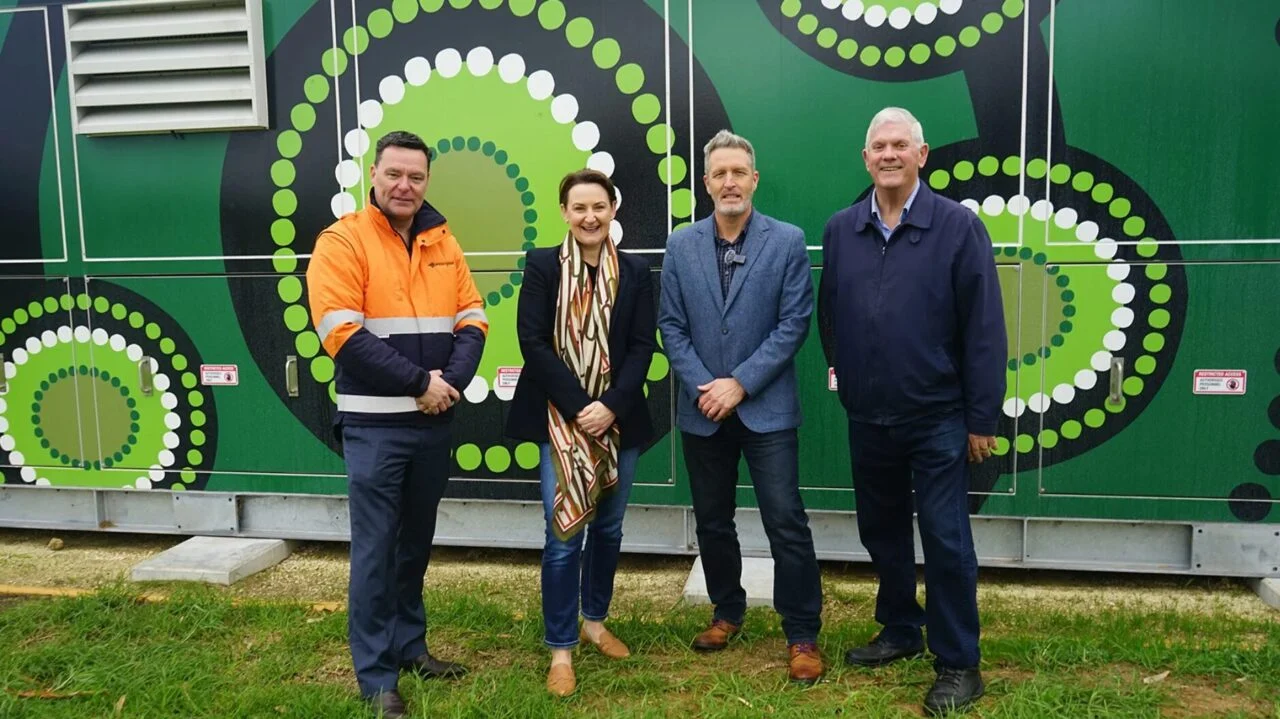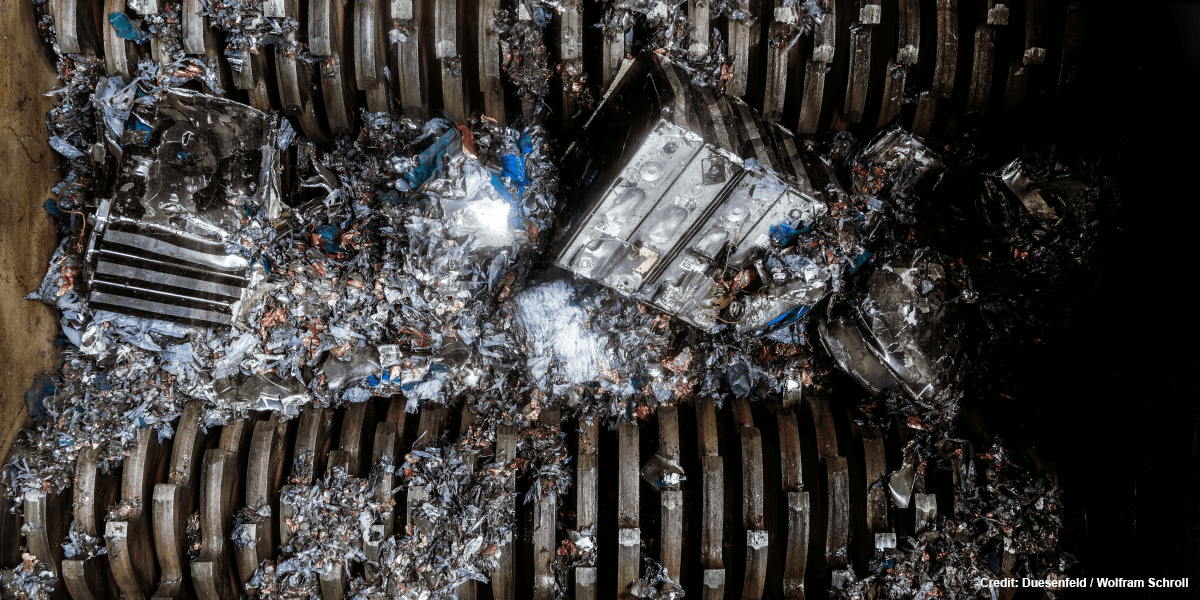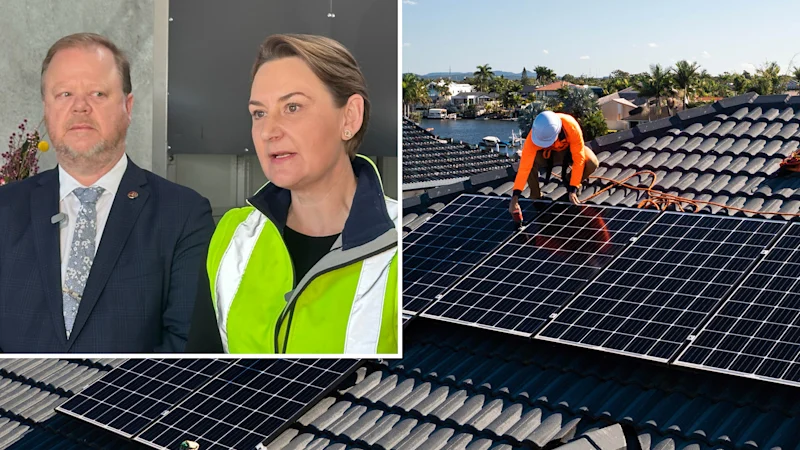
June 3, 2026 — 4:13pmThe West Australian government will tip $17.8 million into a program to recycle solar panels and lithium-ion batteries in a bid to recover valuable materials and reduce the waste being sent to landfill.The Remade in WA program includes a $13 million investment to establish new collection, transport and processing pathways for end-of-life solar panels from both households and solar farms.Currently, most solar panels wind up in landfill at the end of their life.Getty ImagesAround $3 million will be used to support local governments to collect embedded lithium-ion batteries, including those found in e-ridables and other household devices, while $1.8 million will be spent on the rollout of the programs.Environment Minister Matthew Swinbourn said as the government moves towards its energy transition, the state will be relying on more renewable energy sources such as solar.“Solar panels, of course, do have an end of life, and what happens with those panels, largely or historically, has been that they have been sent to landfill,” he said.“What the $17 million dollar investment in Remade in WA will be is an opportunity to support West Australian industry to gather more momentum about the recycling and reuse of solar panels in our system, so that they do not end in landfill.”Energy Minister Amber-Jade Sanderson and Environment Minister Matthew Swinbourn. Holly Edwards-SmithSwinbourn said the program will also reduce the risk of damage when disposing of lithium-ion batteries.“As many of you would know, lithium-ion batteries do serve as a risk for us in our waste streams, they have a tendency to, when damaged, to be able to catch on fire,” he said.“What we are doing with this $4 million program is supporting local government, in particular, to have a better controls around how we can return those embedded batteries back to responsible reuse and recycling opportunities.”Energy Minister Amber-Jade Sanderson said part of the $13 million investment would include machines that could crush solar panels and help support the sorting of components.“It’s also an important job creator, the circular economy, whether it’s food waste, landfill, or other e-recycling, is an important job creator in Western Australia, and we’re very happy to be partnering here, so that we can create more and more jobs,” she said.One of the businesses that will form a significant part of the program is Cyber Computer Recycling Solutions in Canning Vale.Managing director Shibu John said his company had been involved in electronic-based recycling for the past 10 years and had invested in one of the recycling machines for the program..“So what it does is the robot removes the electrical part,” he said.“The second machine removes the aluminum part, the third machine removes the glass, and the fourth machine removes the silver, silica and copper.“So, finally, the end product can be used completely rather than going to landfill.”John said the recycled materials are then able to be sold off to different vendors once the process is complete.He added that his business will also not charge households to recycle solar panels, but there is a fee for businesses. The company is planning a monthly intake of around 5000 panels.Swinbourn said West Australians had been one of the highest uptakers of rooftop solar, and he expected people would prefer the panels to be recycled rather than sent to landfill.“Most Western Australians will take that option up, because they want to see their materials dealt with responsibly,” he said.From our partners
WA is ahead of the pack for solar uptake. But what happens to panels at the end of their lives?
The WA government will tip $17.8 million into a program to recycle solar panels and lithium-ion batteries in a bid to recover valuable materials and reduce the waste being sent to landfill.
566 words~3 min read