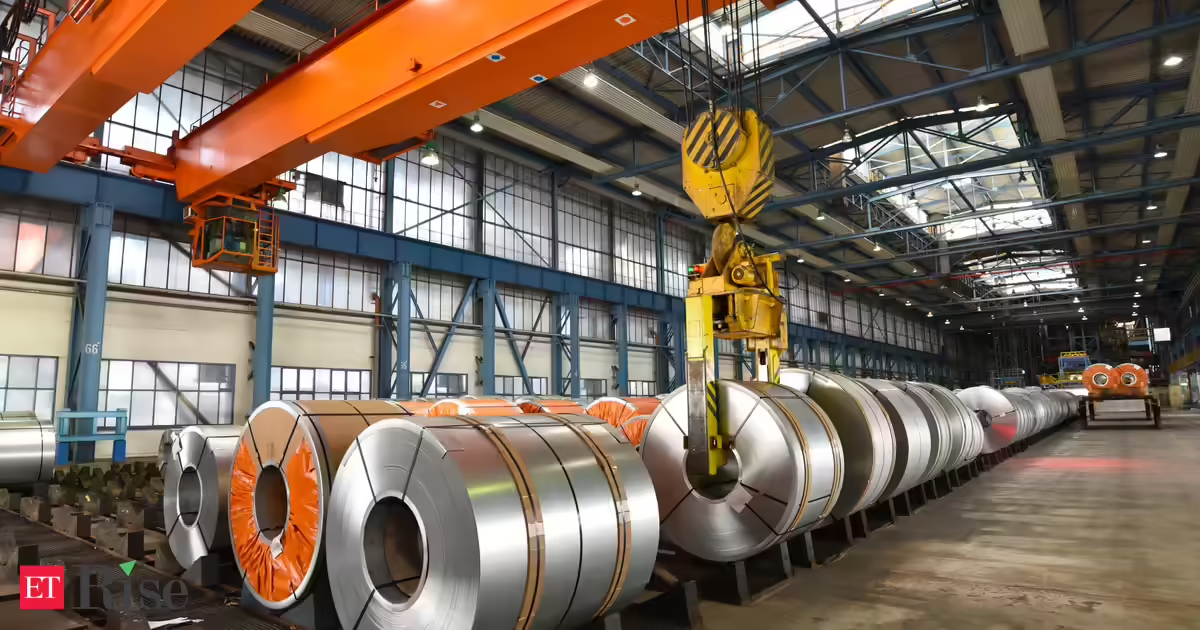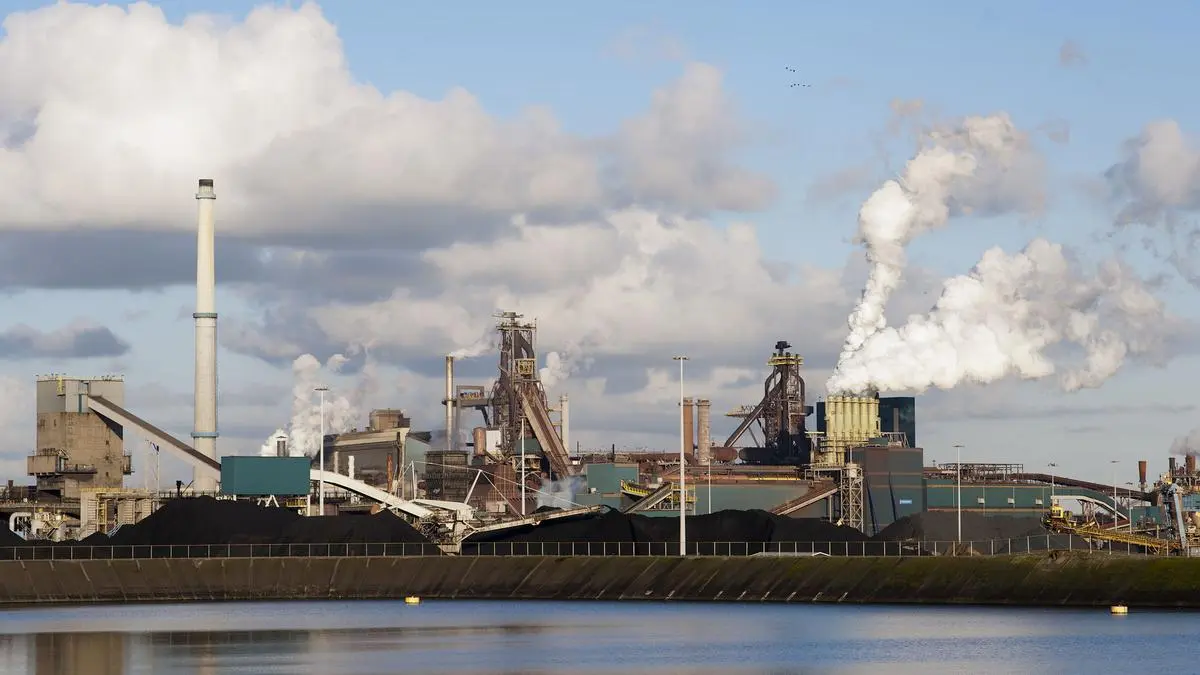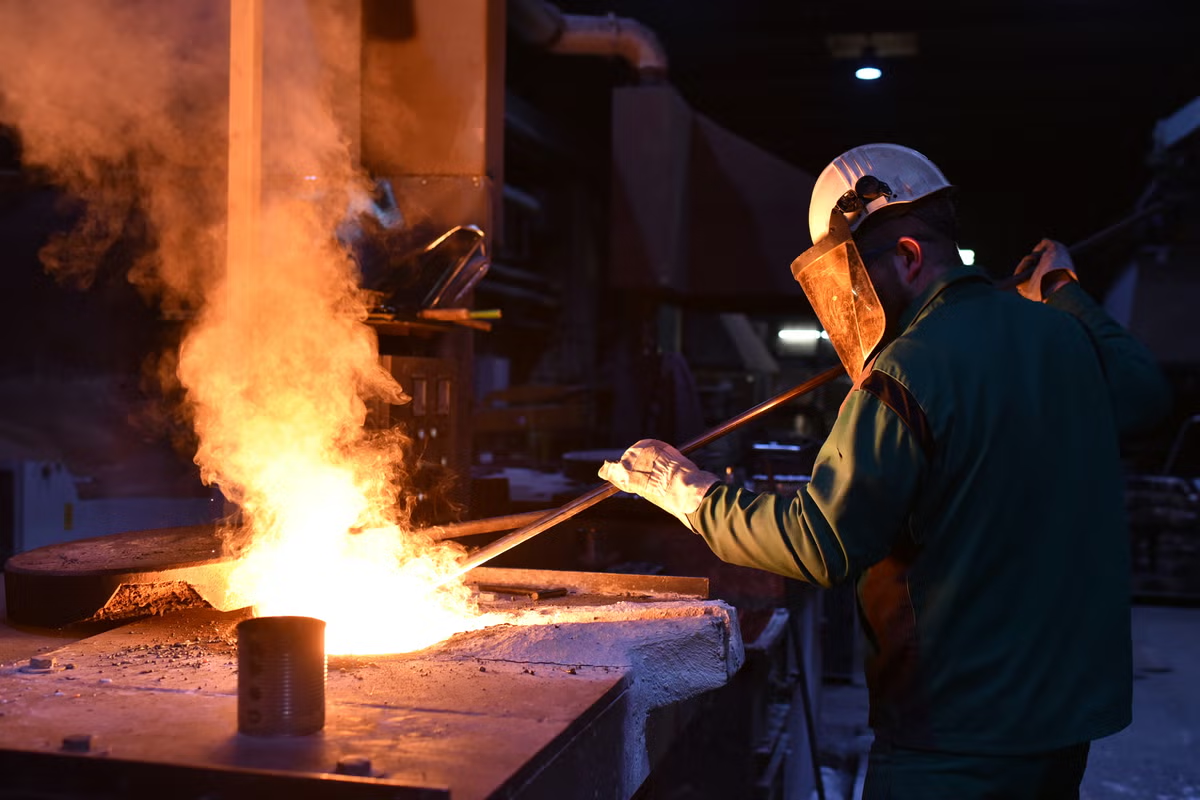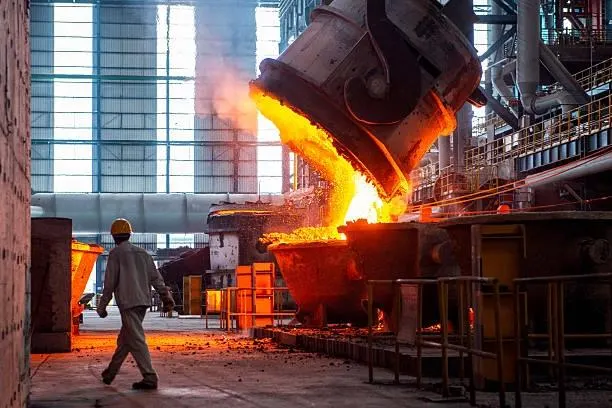
MUMBAI, India, Jun. 4, 2026 /PRNewswire/ -- As the global manufacturing industry confronts the realities of climate change, decarbonisation is no longer merely an environmental aspiration; it has become a strategic, commercial, and moral imperative. Across the steel industry, which contributes nearly 7–9% of global carbon emissions, the pressure to transition towards low-carbon manufacturing has intensified due to evolving regulations, investor expectations, customer preferences and carbon-linked trade mechanisms such as the European Union’s Carbon Border Adjustment Mechanism.At Viraj Profiles, sustainability is not viewed as a separate initiative. It is increasingly embedded into the way they melt, manufacture, consume energy, optimize resources, and design the future of their operations. Their decarbonisation story is rooted in a simple but powerful philosophy: The cleanest metal is the one that is recycled, remelted responsibly and produced with maximum efficiency and minimum waste. Stainless Steel: The Permanent Material of the Circular Economy Unlike many materials that degrade after repeated use, stainless steel is infinitely recyclable without loss of properties. This makes stainless steel one of the world’s most sustainable engineering materials and a natural fit for the circular economy. Viraj’s manufacturing model is fundamentally aligned with this philosophy. Approximately 95% of their metallic input is derived from recycled stainless-steel scrap. This significantly reduces dependence on virgin raw materials and substantially lowers embedded carbon emissions compared to conventional blast furnace-based steelmaking routes.Every ton of recycled stainless steel used in production reduces:
Viraj Profiles’ Decarbonisation Journey: Building a Circular, Responsible and Future-Ready Stainless-Steel Enterprise
Viraj Profiles' Decarbonisation Journey: Building a Circular, Responsible and Future-Ready Stainless-Steel Enterprise
1,303 words~6 min read