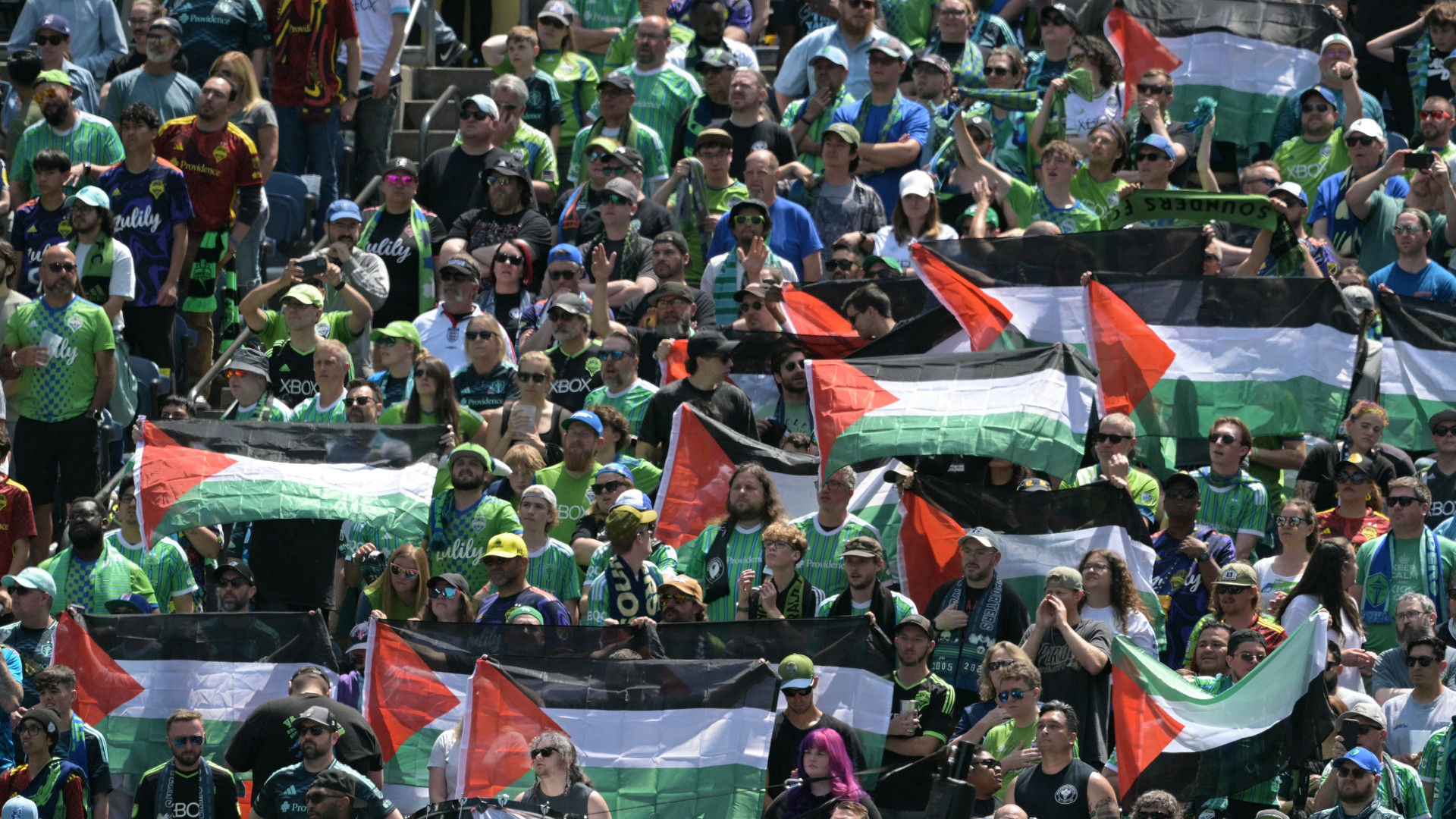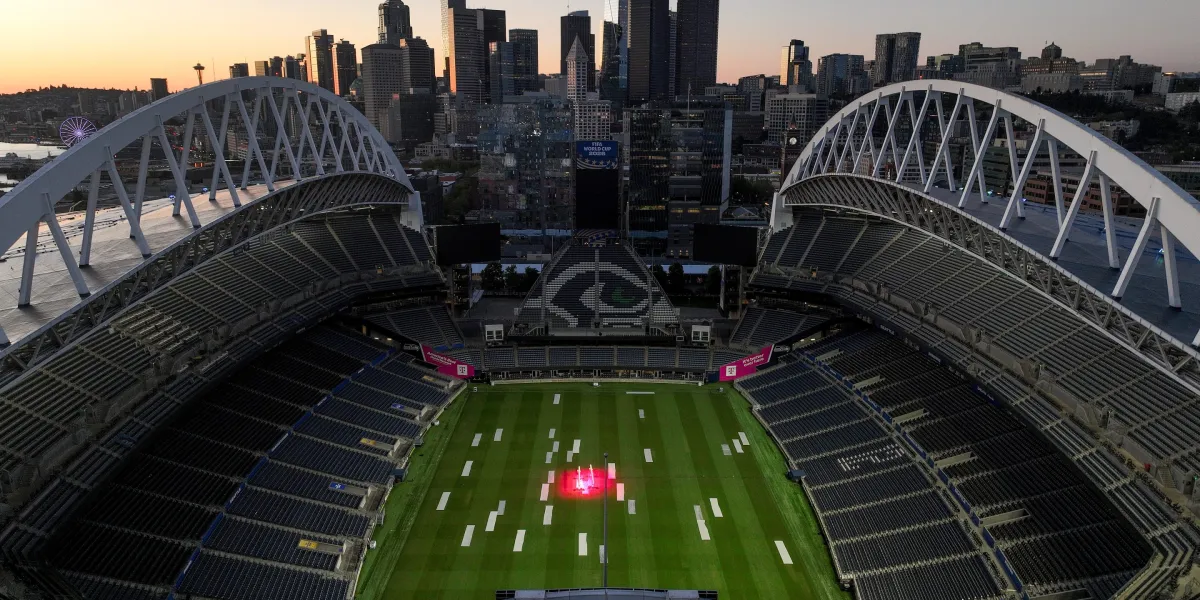
When the U.S. last hosted the World Cup in 1994, the event drew unexpectedly large crowds. At that time, soccer wasn’t as popular among Americans as it is now, so expectations for attendance had been fairly low.
So as the U.S. prepared to host the World Cup again in 2026, expectations for tourism were high.
But in the run-up to this year’s World Cup, the ongoing war in Iran has resulted in soaring inflation and high fuel prices, neither of which bodes well for tourism or event attendance.
Recent tourism reports indicate there will be fewer hotel reservations than anticipated due to reduced international travel confidence and a growing uncertainty related to U.S. immigration policies, geopolitical instability, tariffs and inflation.
We are a professor of hospitality and tourism management and a professor in international sports management. We believe there is good reason for concern in the 11 World Cup host cities in the U.S. An additional five cities in Mexico and Canada are likewise hosting games, and the next 10 days leading up to the event will be crucial for them to capitalize on it.