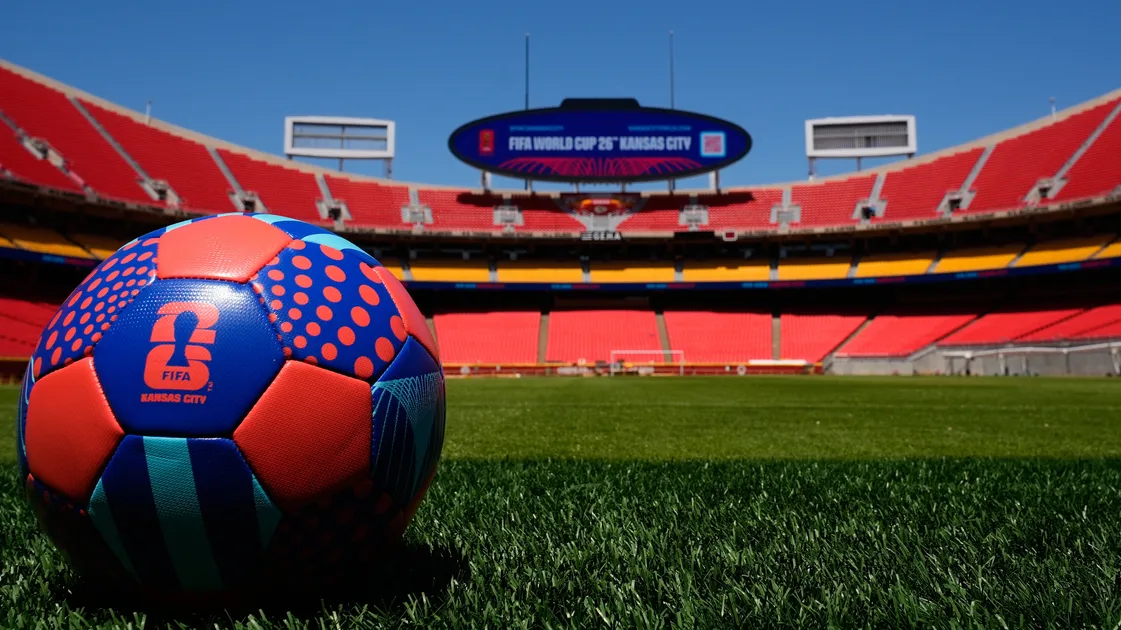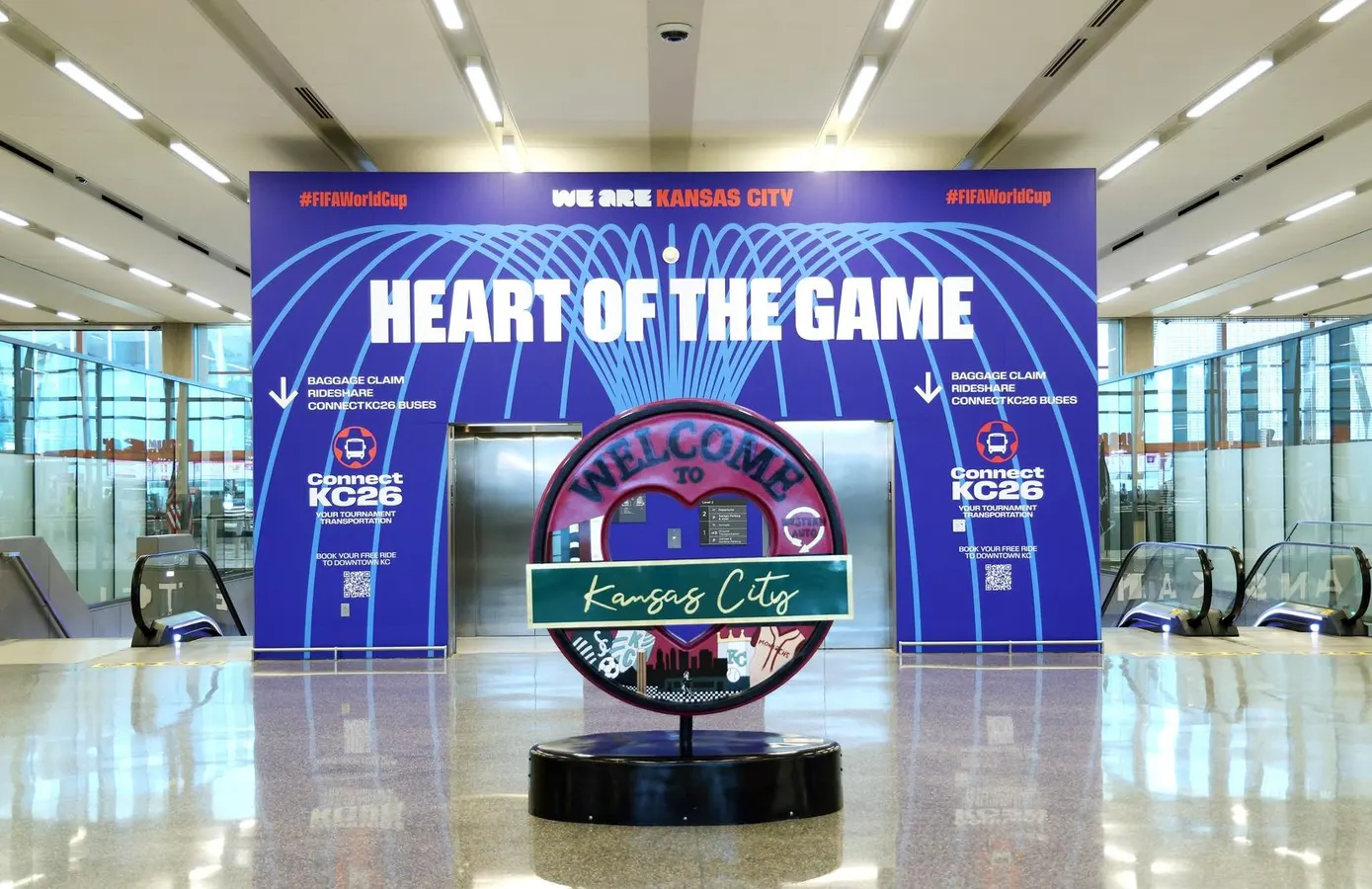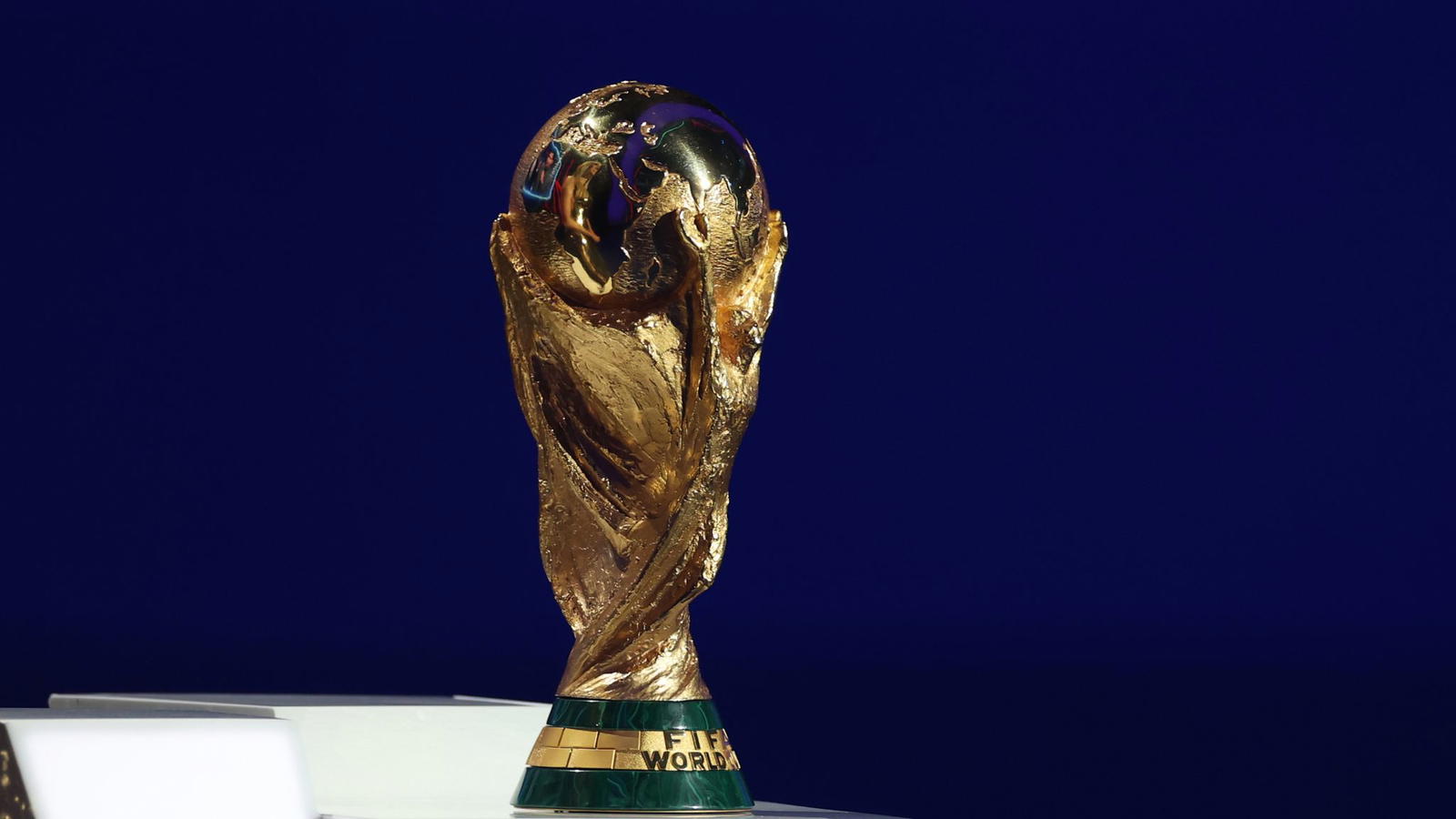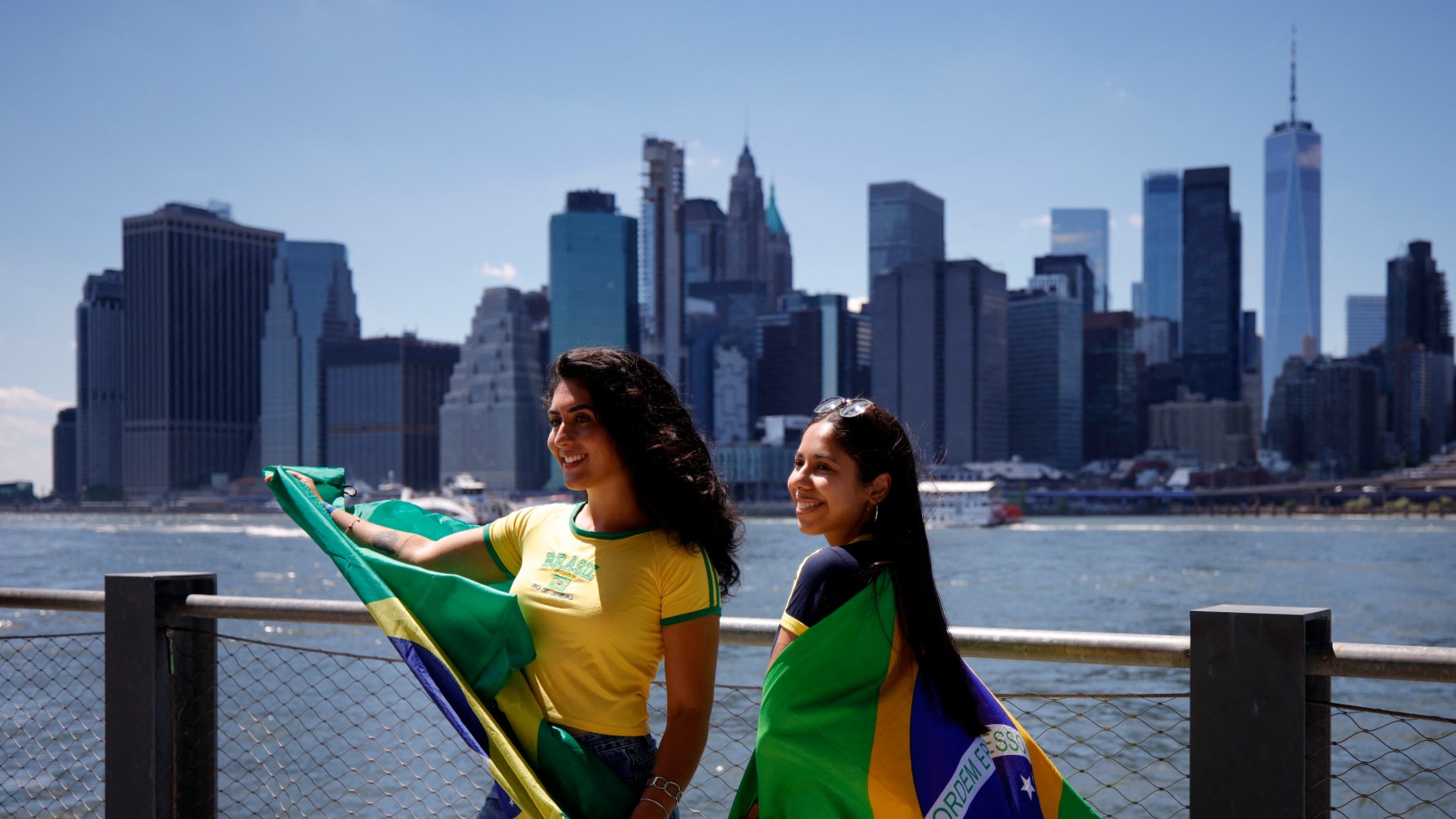
Eleven of the host cities for the 2026 FIFA World Cup are in the U.S. While the event has been expected to bring waves of fans to these cities, boosting tourism, a report out this week from the American Hotel & Lodging Association suggests that the reality is a bit more nuanced than that.While hoteliers in some cities, including Atlanta and Miami, are reporting that demand has exceeded expectations, other markets, including Kansas City, are saying the pace of bookings isn’t as high as they’d hoped. At The Fontaine Hotel in Kansas City, general manager Stephen Jenkins expected more bookings starting in February or so. “I think we may have been slightly too optimistic with our outlook in the sense of timing,” he said.In fact, bookings just started picking up more recently. “We've probably doubled our occupancy over the past three to four weeks or so, which has been a nice relief for us here,” he said.Jenkins said the hotel adjusted its marketing strategy, targeting potential guests in the Midwest who can drive in more last-minute. “To be completely frank, it may cause us an extra gray hair or two, but as long as we're able to do all we can to capture those bookings, then we will be just fine.”Staypineapple operates hotels in a handful of the World Cup cities, including Seattle, Boston, New York, and San Francisco.“Currently, we're tracking about 10% above what we anticipated and budgeted for,” said President Dina Belon.Though she noted that those expectations were already fairly reserved. “There's multiple things going on in the world right now that are just suppressing demand: the war in Iran, the gas prices, overall inbound travel into the U.S. internationally is down.”And, as Belon pointed out, some bookings will just have to be last-minute because who may want to watch, say, the July 6 match in Seattle will depend on which teams make it that far.
Report shows World Cup hotel bookings are slower than expected in some U.S. cities
Eighty percent of respondents told the American Hotel & Lodging Association that bookings are "tracking below initial forecasts."
318 words~1 min read