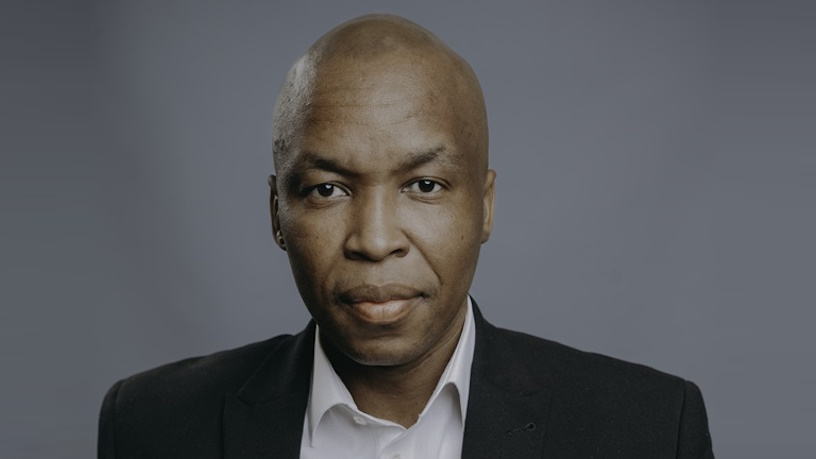
Prof Joseph Sekhampu, chief director of the NWU Business School.
By Prof Joseph Sekhampu, chief director of the NWU Business School.
South Africa’s higher education system continues to expand at a time when the economy into which it feeds remains unchanged. Universities are expected to serve as engines of social mobility, offering individuals a path out of poverty and into the middle class. However, this expectation depends on an economy capable of absorbing and productively deploying those skills. That assumption is becoming increasingly difficult to maintain. Degrees continue to accumulate faster than the demand for high-skilled labour.
The tension reflects a deeper misalignment between human capital formation and the structure of the economy. A degree functions not only as a qualification but also as a signal of future economic position. Students pursue higher education in part because it promises access to occupations, incomes and social status associated with middle-class life. The value of that signal depends not only on what graduates know, but also on whether the economy continues to generate enough opportunities for those expectations to be realised.
Human capital theory assumes that investment in education leads to higher productivity and growth, provided that labour markets are responsive. In South Africa, however, the structure of growth has remained narrow. Over the past two decades, economic activity has been concentrated in capital-intensive sectors, protected industries and segments of the public sector. While specialised and globally connected sectors continue to absorb skilled graduates, they do so at a scale far below overall graduate output. The challenge is not simply the number of jobs available, but the absence of broad labour absorption across the economy.