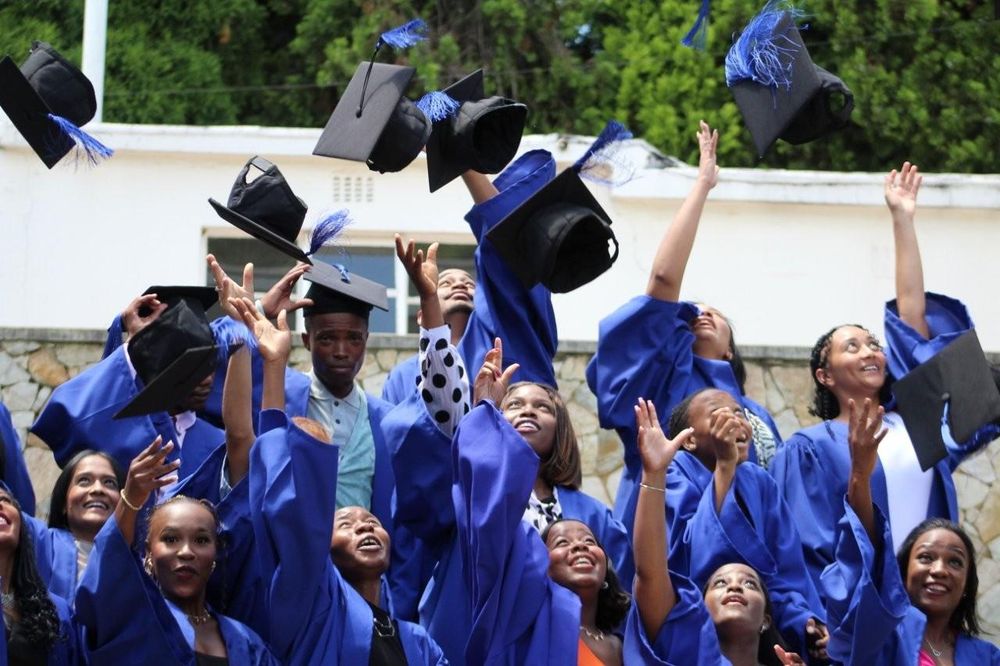
While universities have eliminated the traditional barriers to access to tertiary education for the country's majority, the writer says the pressing question now is whether graduates can successfully embark on fulfilling, prosperous careers in an era being defined by technological advances.
For three decades, South Africa's higher education transformation project has been built upon a noble and necessary objective: access. The democratic state rightly recognised that universities could no longer remain enclaves of privilege. They had to become instruments of social justice. Millions of young South Africans who would once have been excluded from higher education were given opportunities previously denied to them.
This achievement should not be underestimated. But it should no longer be mistaken for success. Indeed, one of the most uncomfortable questions confronting South African higher education today is whether we have become so obsessed with access that we have stopped asking what happens afterwards.
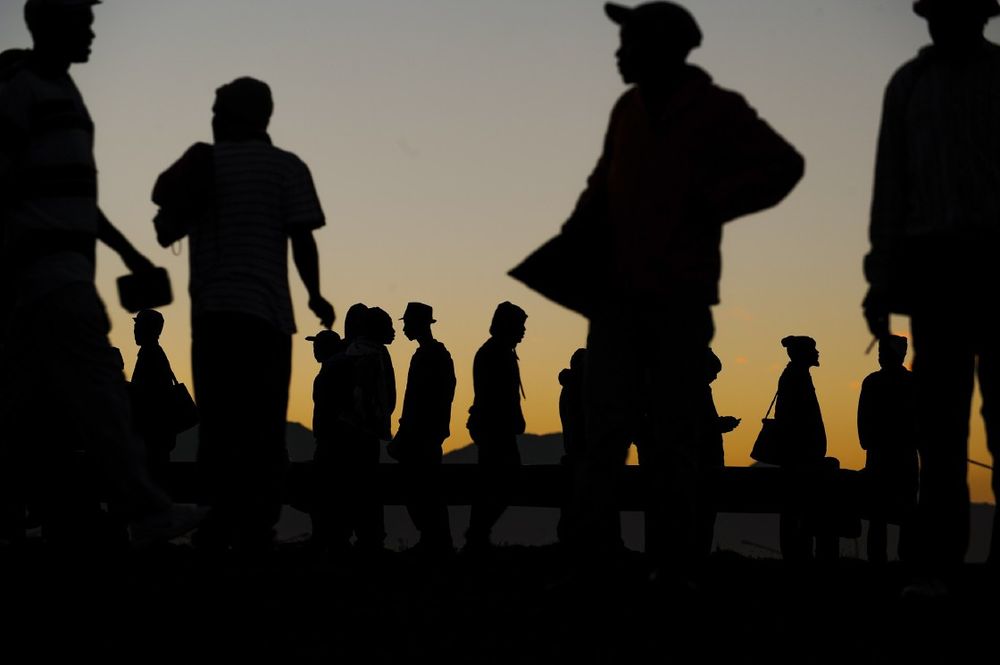
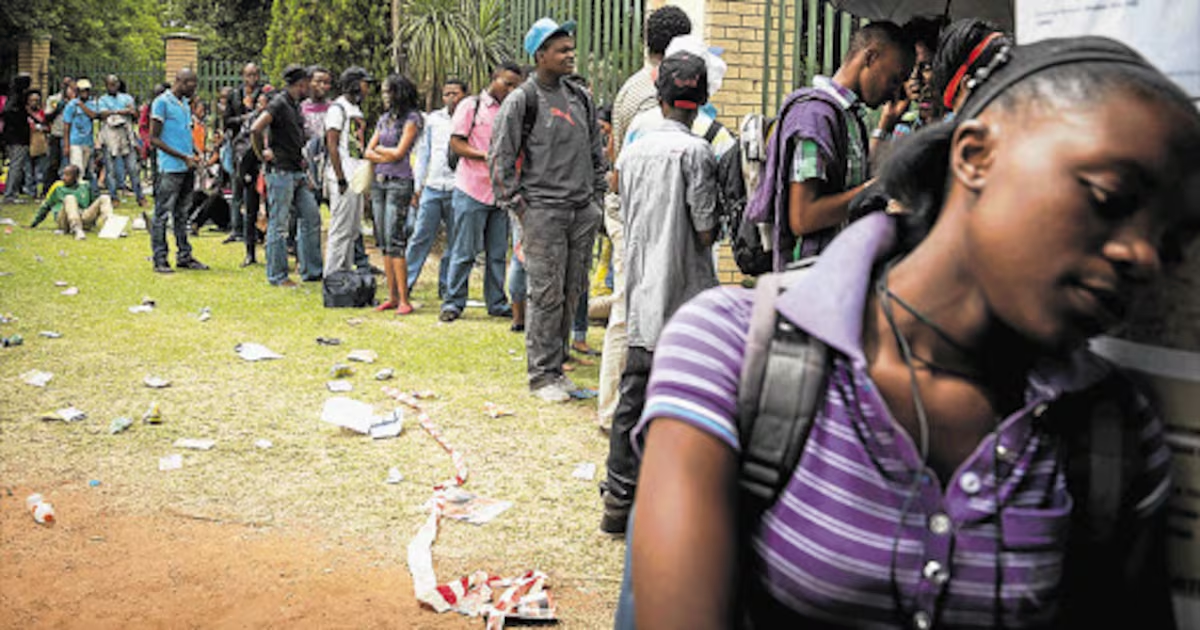
What happens after graduation? What happens when a young person becomes the first member of their family to earn a degree, only to discover that the labour market has no place for them? What happens when universities proudly celebrate graduation ceremonies while thousands of graduates quietly join unemployment queues? What happens when inclusion into higher education does not translate into inclusion into the economy? These questions strike at the heart of the next phase of transformation. The truth is both simple and disturbing.