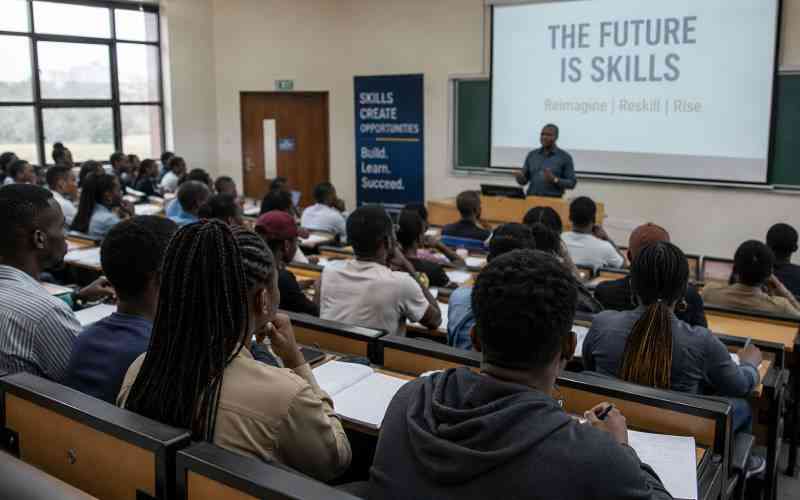
African universities have been warned that a sharp rise in the continent’s youth population will put an even greater strain on its higher education system, with institutions being urged to collaborate more to address access problems.
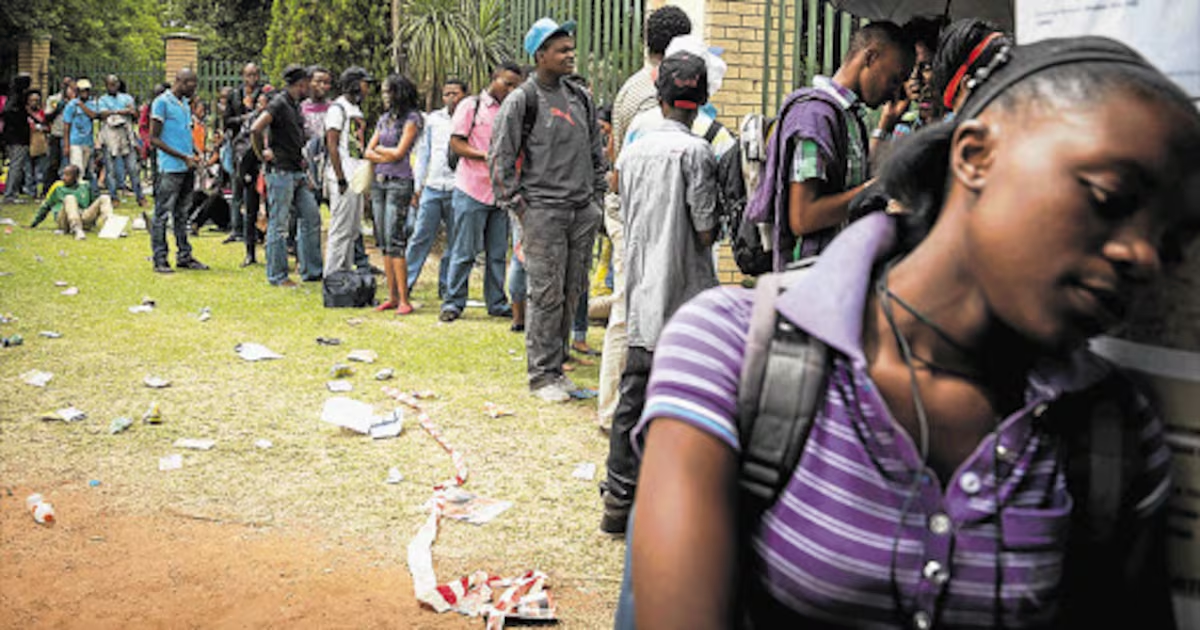
South Africa’s public universities face a severe capacity crisis where high application numbers vastly outstrip available places. Its universities are subject to caps on how many students they can accept, a funding model that has come under criticism in recent years.
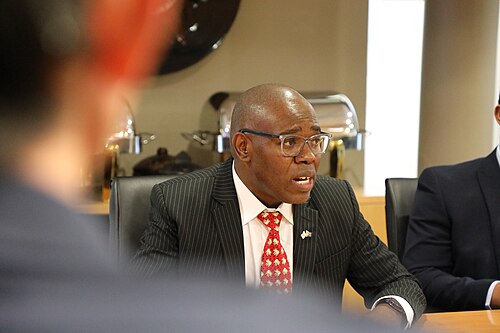
Speaking at an event organised by the Centre for Global Higher Education, the University of Johannesburg’s vice-chancellor, Letlhokwa George Mpedi, noted that it is estimated that between 2020 and 2040, the number of young Africans completing secondary or tertiary education is expected to more than double, from 103 million to 240 million, according to Unesco.
Meanwhile, unemployment figures in South Africa for those aged between 15 and 34 currently stand at 45.8 per cent, rising to 60.9 per cent for those aged 15 to 24.
This is already playing out in application rates, with Johannesburg receiving more than 450,000 applications for just 11,500 places for the 2026 academic year.