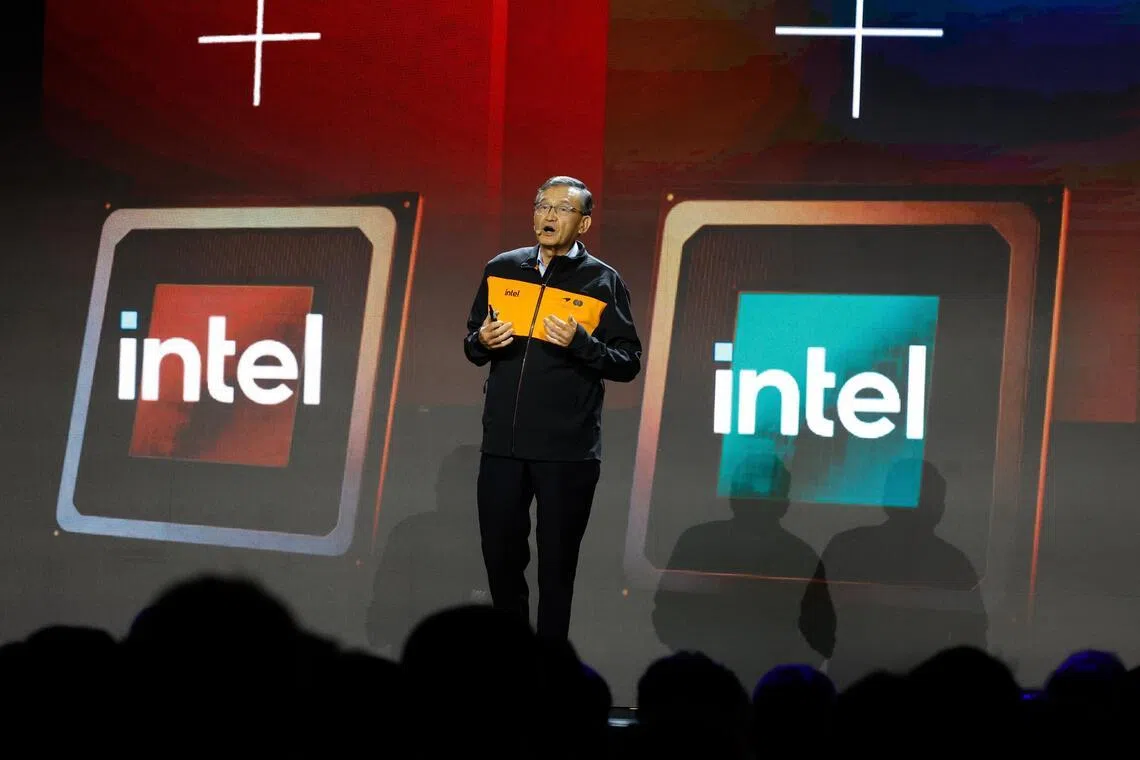
Most gamers don’t want to hear more talk about AI in games. But you know who does? Intel fellow Tom “TAP” Petersen, who told me in a sit-down interview late one muggy night in Taipei, Taiwan, that he enjoys frame generation, the software often derided as “fake frames.” But he admits that it could be better. Specifically, Intel wants “fake frames” to predict the future.
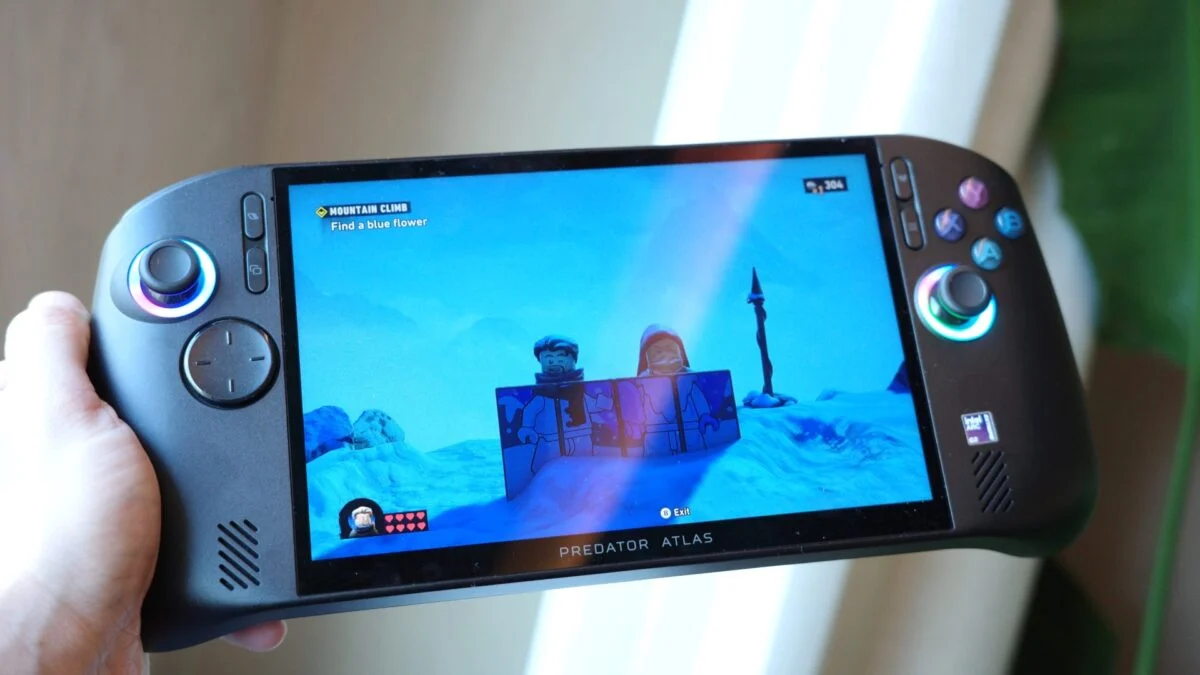
What Petersen is talking about is a technology Intel is working on called “frame extrapolation.” Essentially, software would be able to insert the images ahead of rendered frames—artificially increasing frame rates and making games look a bit more “smooth.” Intel has been working on extrapolation for years now. It first hinted at the technology in 2023 but has been mum ever since. Petersen told me that work was still ongoing and that the feature is “almost” ready for a full showcase, but that it wasn’t quite there in time for Computex 2026. While the interview didn’t provide the concrete information that a full demo would have, it was at least a look behind the curtain at Intel’s next AI gaming venture. How does this all work? Intel wants to promote frame gen as a way to “smooth” frame rates on handhelds, not explicitly increase performance. Still, you’ll take a rastered performance hit the more frames you generate. © Intel According to the Intel exec, like this: “I’ve got one frame. I’ve rastered it. I’m showing it to a user. And while I’m not quite ready to raster a new one, I’m going to predict where he’s going to move his mouse… all you’re trying to do is figure out how this image is going to be translated.”