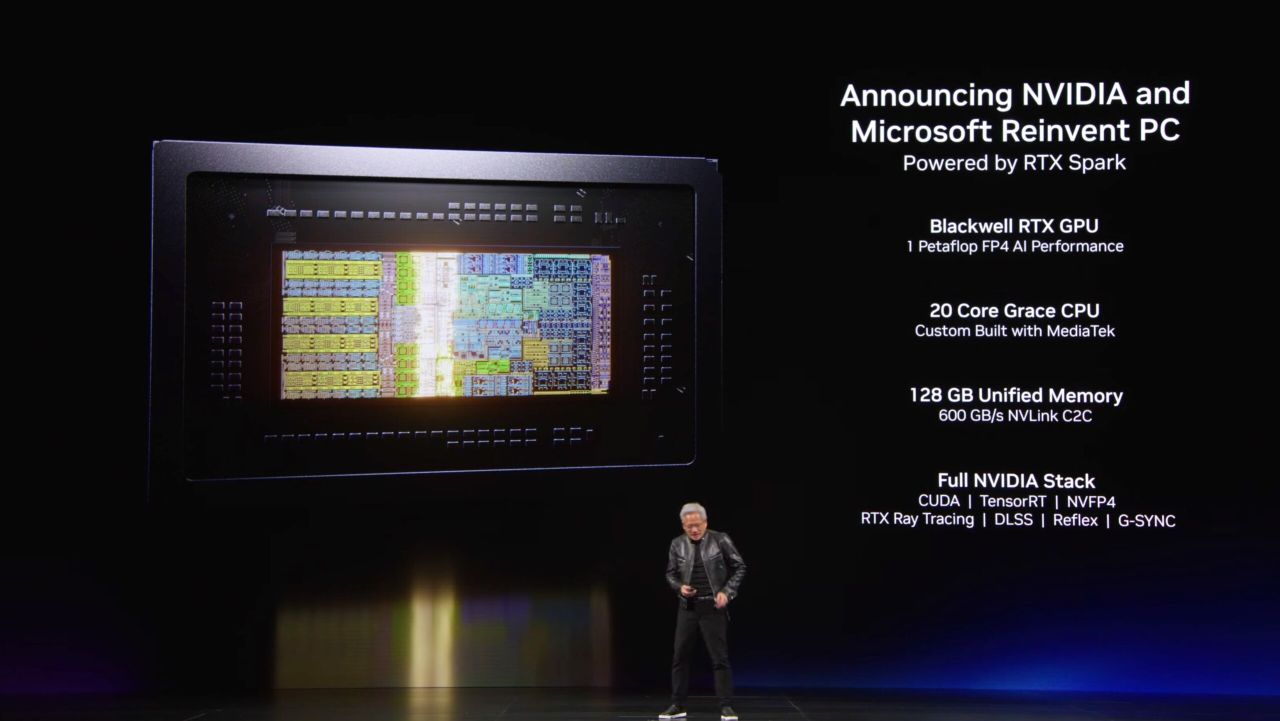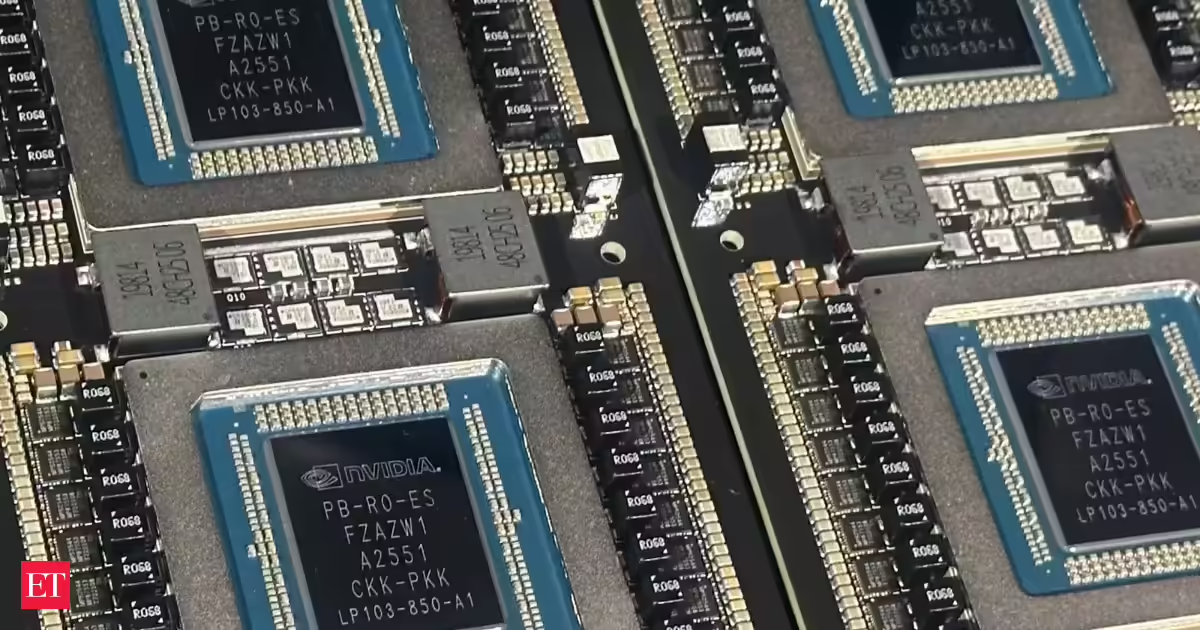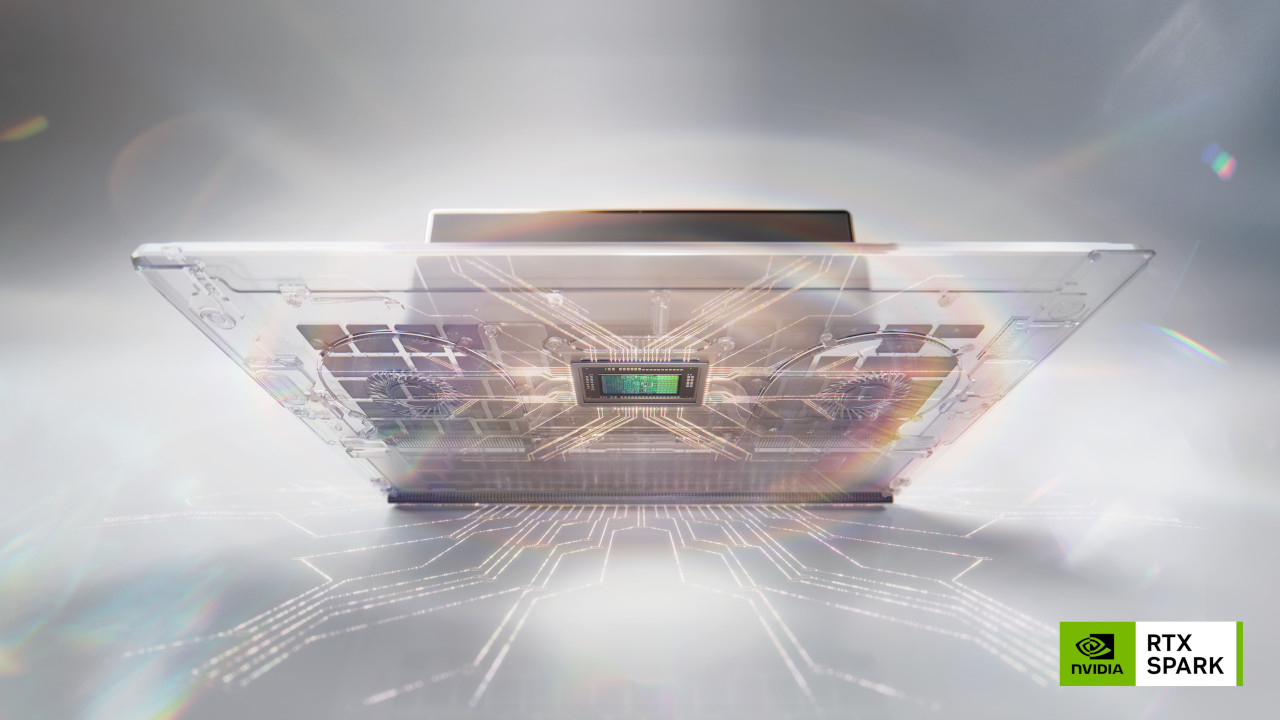
(Image credit: Nvidia)
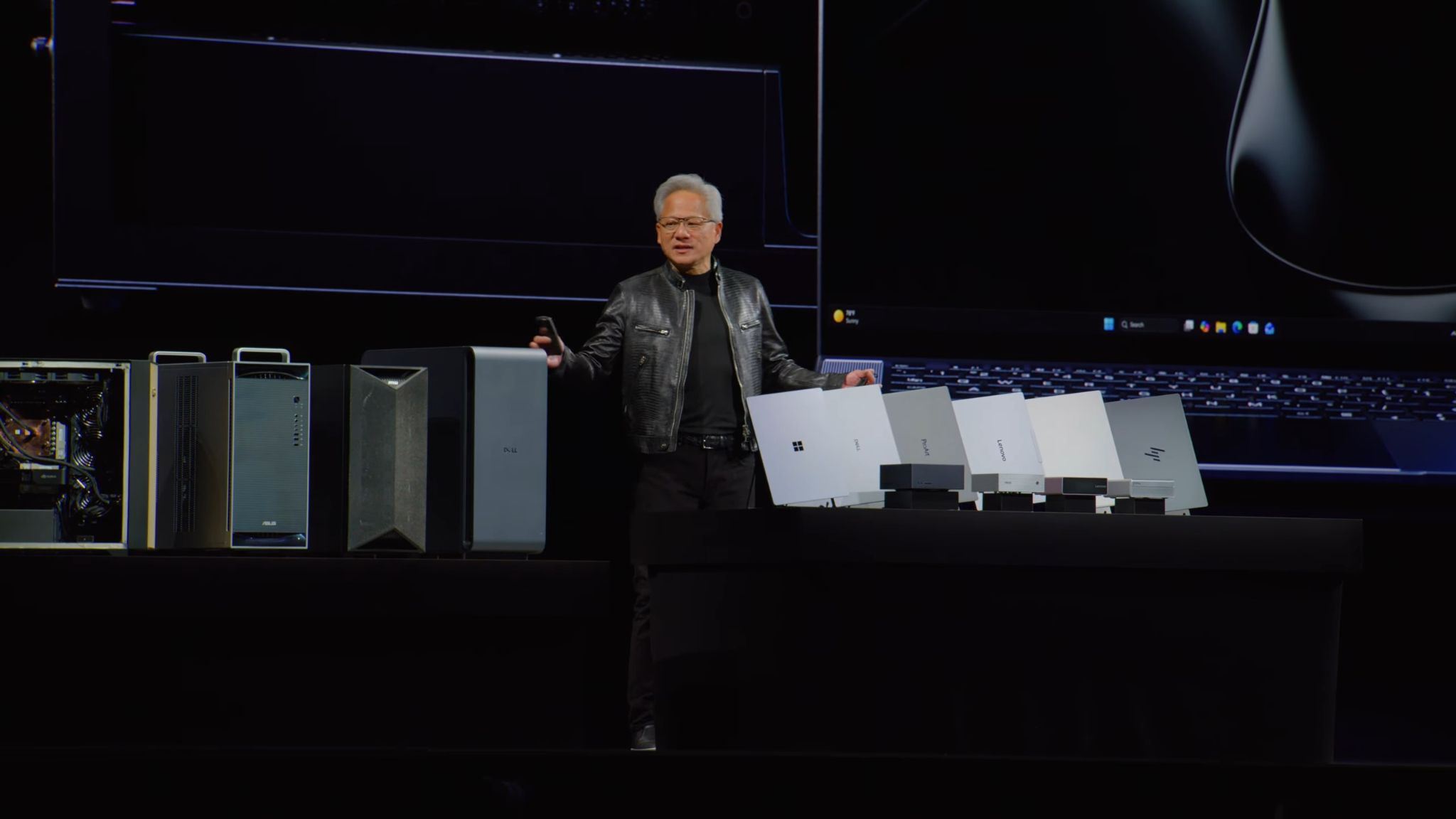
Intel is taking Nvidia’s RTX Spark SoC range seriously. Tom’s Hardware sat down with Nish Neelalojanan, senior director of product management for Intel’s Client Computing Group, to get the company’s reaction to Nvidia’s new chips at Computex 2026. Rather than discrediting Nvidia’s new range, Neelalojanan says Intel is handling RTX Spark with “a healthy dose of paranoia,” while highlighting compatibility issues for Windows on Arm and the potentially high price point of Nvidia’s new platform.Go deeper with TH Premium: CPU“Nvidia puts out great products, right? And they know how to do gaming, they know how to do all these different things. So we always take everything with a healthy dose of paranoia, but we are also very, very confident with our products,” Neelalojanan told me. “When an Arm CPU enters a market, there’s going to be tons of compatibility, DRM issues, backwards compatibility, so as a result, we are very confident that we have the right CPU, GPU mix for clients, both for gaming and when it comes to what you call AI inference workloads.”Although Qualcomm laid the groundwork for Windows on Arm, the momentum behind the company’s Snapdragon X range has leveled out. Both AMD and Intel have since released chips that deliver the same all-day battery life without the need to fuss with any Arm-to-x86 translation. Nvidia entering the market is a different beast, however. As one of the most valuable companies in the world and the clear forerunner in the AI space, Nvidia demands attention.To that end, and for just one example of its commitment, Nvidia already revealed that Adobe is working on native Arm versions of Photoshop and Premiere Pro to support RTX Spark, a feat that Qualcomm has been unable to accomplish after two years on the market.Given how much attention Nvidia demands, it makes sense that Intel is paying closer attention. The company is also in a strange position, as it rarely competes directly with Nvidia. Intel has made some inroads into consumer graphics with discrete GPUs like the Arc B580, and the top-end Arc B390 on Panther Lake is an impressive integrated part, but it hasn’t built anything to seriously challenge Nvidia’s dominance. And the companies continue to work together. Just this week, with the announcement of Xeon 6+ ‘Clearwater Forest’ CPUs, Intel highlighted its work with Nvidia in the data center.Now, Intel has a direct mobile platform competitor in the form of Nvidia, which isn’t to be taken lightly. Even with that direct competition, Intel says it will continue to work with Nvidia, especially in the data center.“Nvidia is a great partner. We will continue to work with them. You saw some of our announcements,” Neelalojanan told me. “We have some longer-term commitment with them, so both of us have different parts of the roadmap that we will expand together, there'll be [areas] where we will be partnering, and where there might be places where we will be competing, but I think it's great for the industry that there [are] different choices.”Get Tom's Hardware's best news and in-depth reviews, straight to your inbox.Although compatibility is the main point of concern — Neelalojanan says “compatibility is going to be a key thing [with RTX Spark]” — pricing is another concern. Nvidia hasn’t revealed the starting configuration for RTX Spark, but given rising memory costs, higher-end configurations with a lot of memory will likely run several thousand dollars. Neelalojanan pointed to Wildcat Lake as an option for the budget market, which goes as low as 8 GB of single-channel memory.We still have a few months before we see RTX Spark in action to evaluate how it compares to Intel’s Panther Lake, AMD’s Gorgon and Strix Point, and Qualcomm’s Snapdragon X2 chips. Nvidia says RTX Spark designs will arrive in the fall.