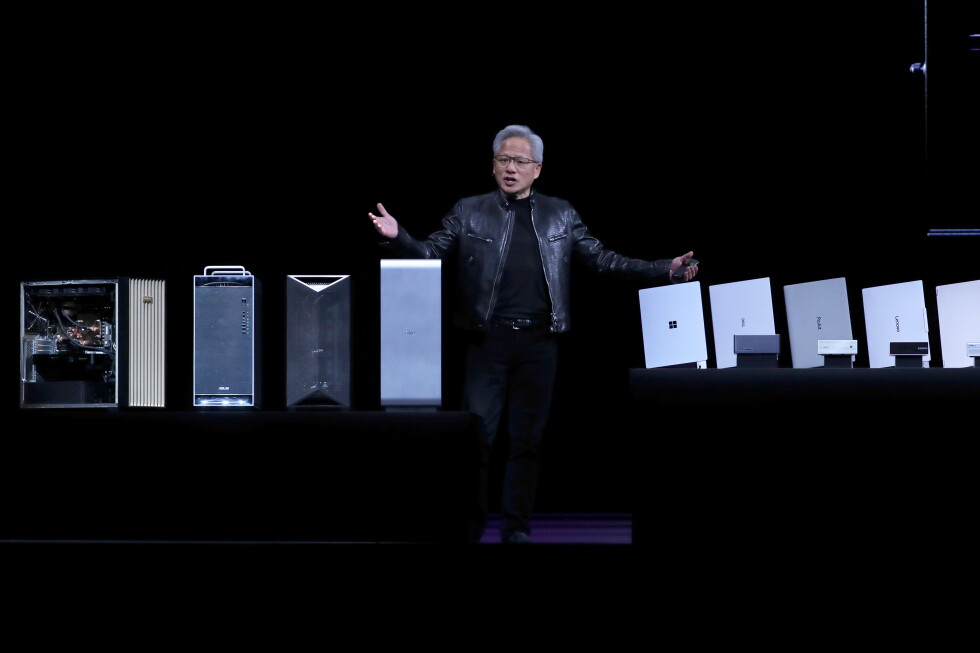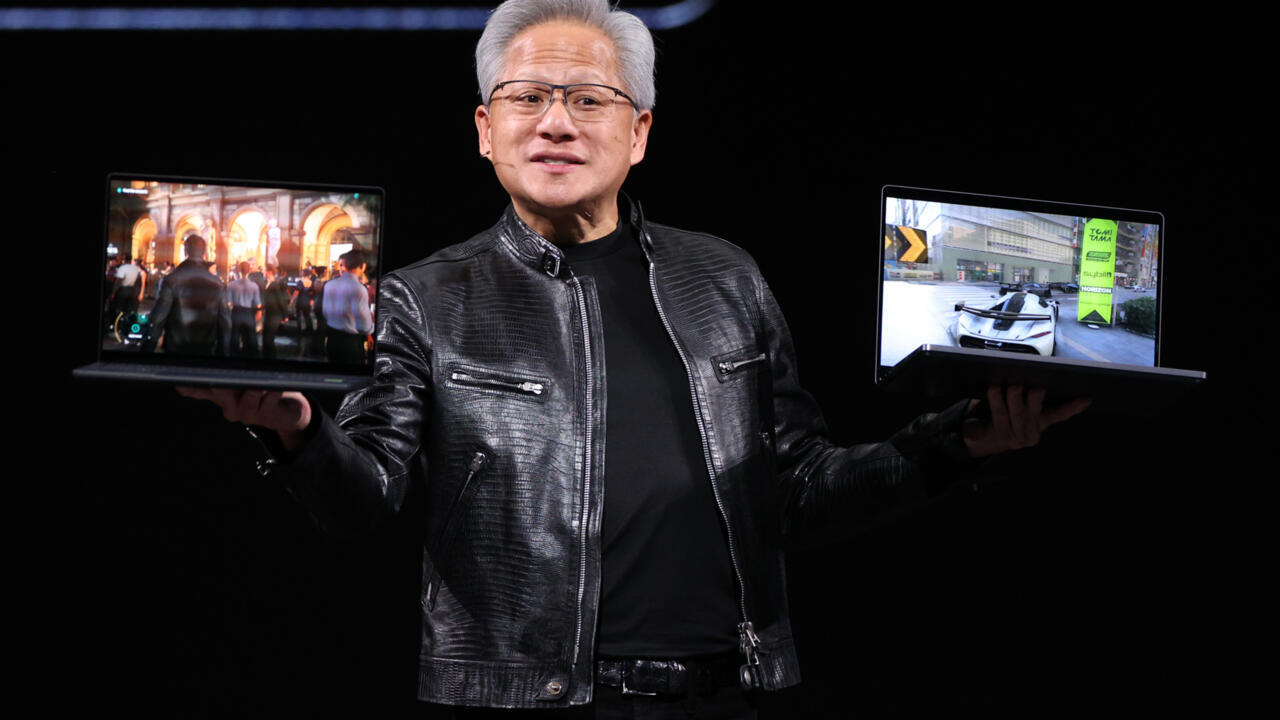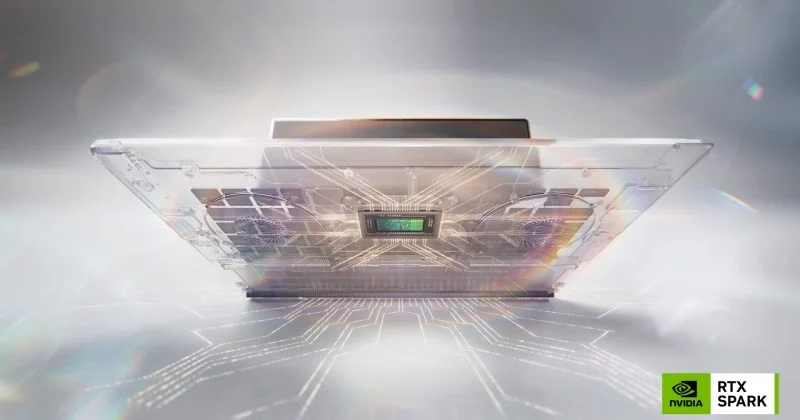
Nvidia is entering the personal computer market with a new chip aimed at loosening Intel's stranglehold on personal computers and modernising PCs for the AI era.The tech company's new RTX Spark Superchip will be available this autumn in laptops and desktop computers from leading PC brands including Dell Technologies and Lenovo Group chief executive Jensen Huang said at a trade show in Taipei. The product, a combination of a microprocessor and a graphics chip built with help from Taiwan’s MediaTek, will run Microsoft's Windows for Arm operating system.Now a dominant player in data centres, Nvidia is taking another run at the PC processor market after being part of an effort that fizzled out more than a decade ago. This time, it’s doing so from a position of strength. It is able to devote more resources to the effort than any incumbent or would-be rival, such as Qualcomm with its line of Snapdragon products for PCs. For Nvidia, the venture also adds to efforts to maintain its central role in AI development and use.The California-based company said the first new laptops built with RTX Spark will target the premium segment. The efficiency of the chip means that PC makers will be able to offer extremely powerful machines that are still thin and light. Subsequent versions of the technology will allow for a broader spectrum of prices as well, Nvidia said.Play01:48Gulf’s access to Nvidia chips is a 'real game-changer' In the past, a deeper foray into the PC market would have represented a major expansion of scope and opportunity for Nvidia. But now, its data centre chip line-up delivers revenue that dwarfs the combined sales of its nearest rivals. Nvidia’s sales in its most recent quarter were roughly equal to Intel's and Advanced Micro Devices' combined annual totals last year.Investors who have bought Nvidia’s shares on the back of the rapid rise of AI may welcome the company's increased presence in products that will deliver the technology to end users. The RTX Superchip will be manufactured by Taiwan Semiconductor Manufacturing Company.Nvidia said it has worked with Microsoft for years to prepare the new devices and ensure software support that will make the use of Arm Holdings Plc's technology finally take hold in the Windows PC market. Microsoft and Qualcomm have jointly promoted similar PCs for over a year, though with limited impact. Outside Apple's Mac lineup, most PCs use processors made by Intel or AMD. Arm’s advantage over those incumbents is much better power efficiency, but it has lagged in software compatibility.New Nvidia-based devices will be better able to cope with AI models and functionality in commonly used software. For example, Adobe's Photoshop is being reworked to better respond to AI-based prompts that generate image and video content. The new devices will also boost gaming capabilities, allowing laptops to handle high-end titles, Nvidia said.In general, Nvidia-based PCs will be able to run large AI models securely, giving users easy-to-implement controls over what data and software are accessed. Such safeguards will speed up the transformation of PCs into personal assistants that do more than respond to user input. Common activities such as searching email or more complex tasks such as identifying and fixing bugs on a website will become much easier, according to Nvidia.The company declined to provide performance comparisons with existing and planned devices based on competitors' technology. That information will be offered when the new machines go on sale, Nvidia said.
Nvidia enters Windows laptop market with new superchip to challenge Intel | The National
Tech company says PCs will be able to run large AI models securely using its technology
570 words~3 min read