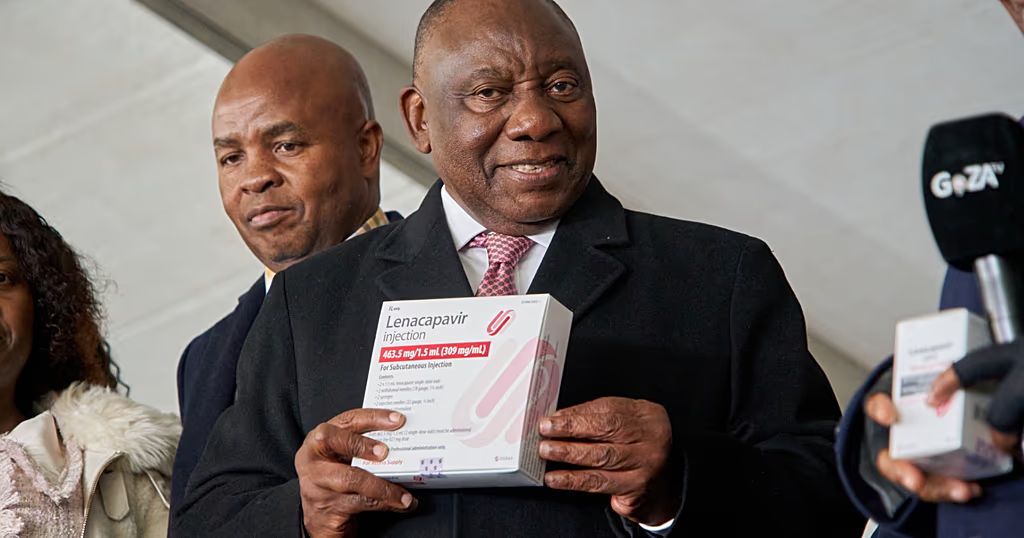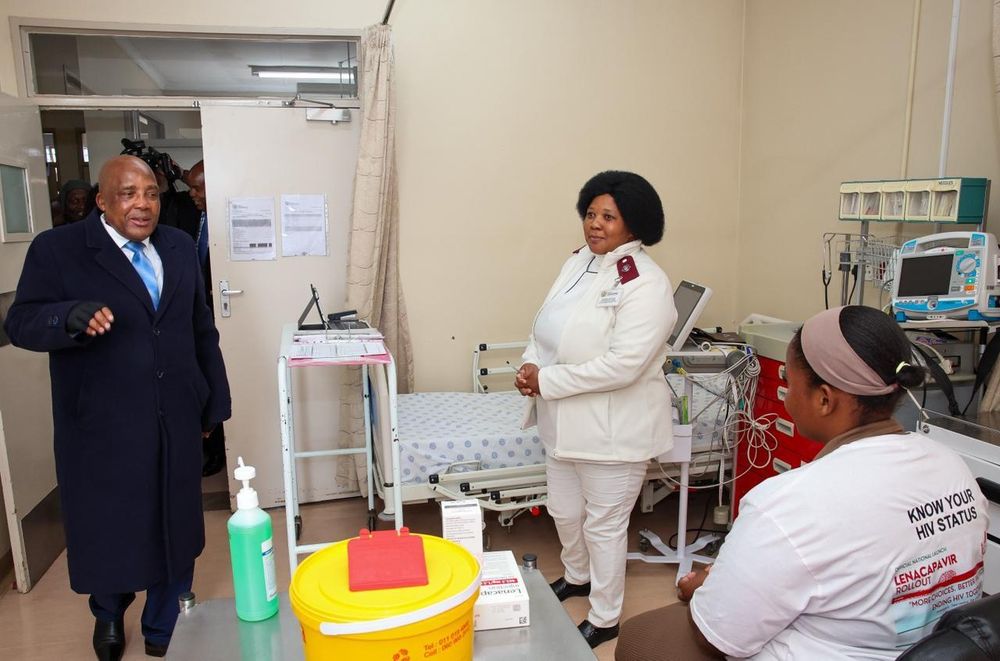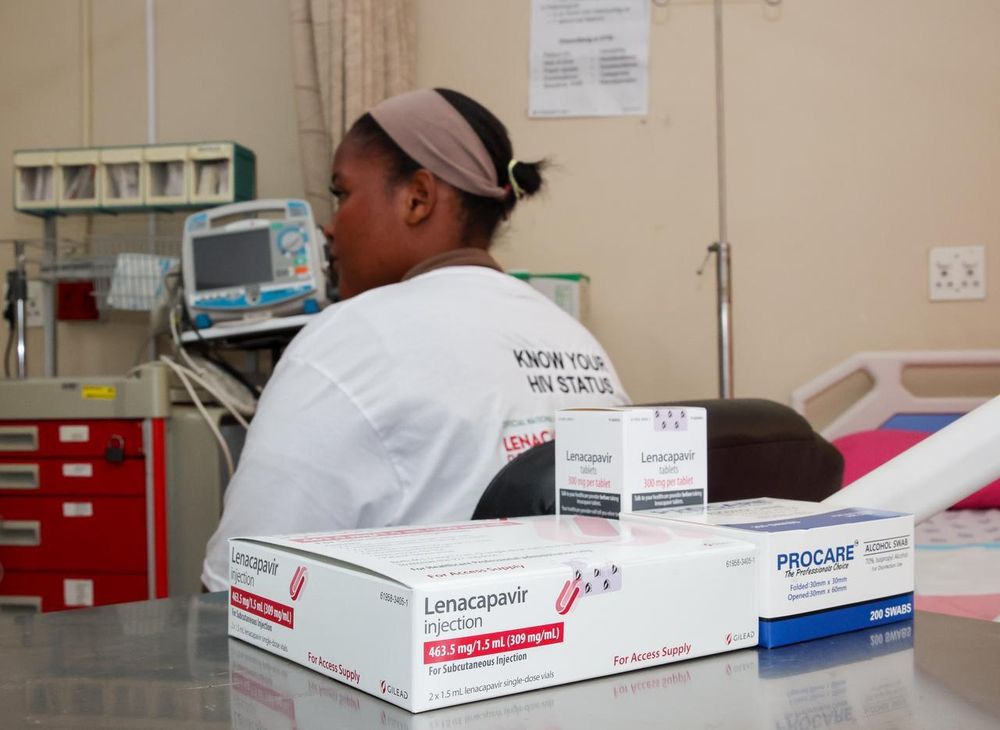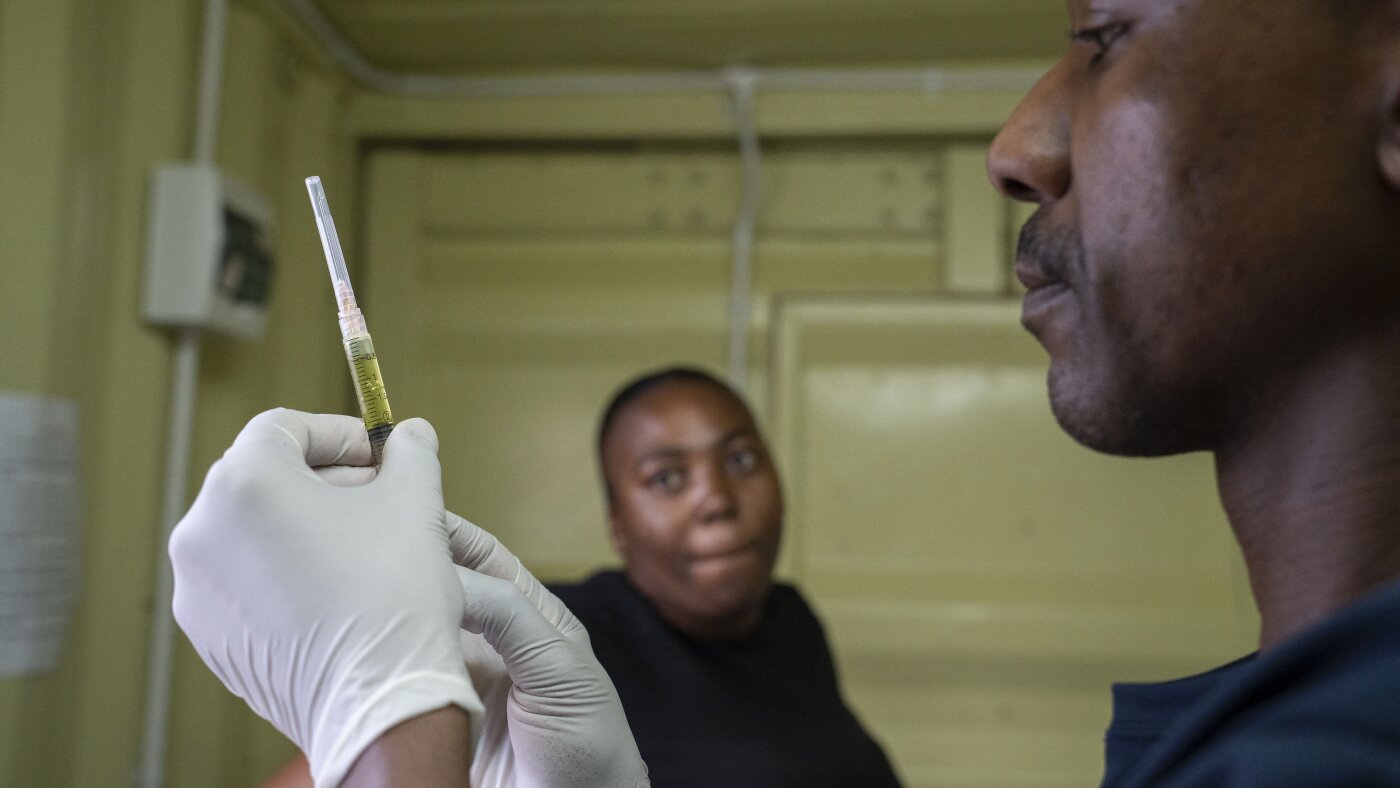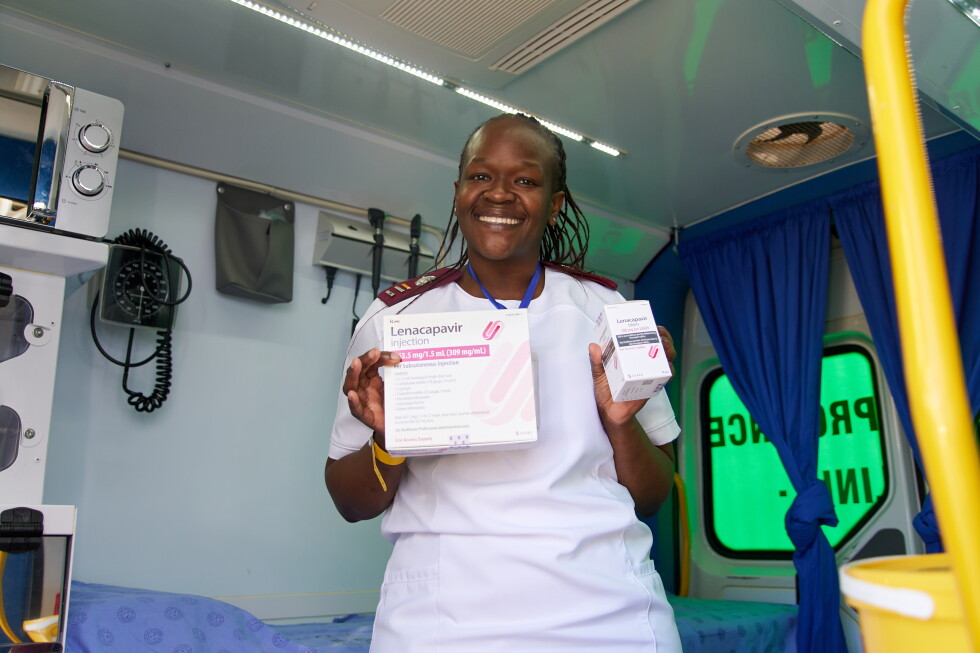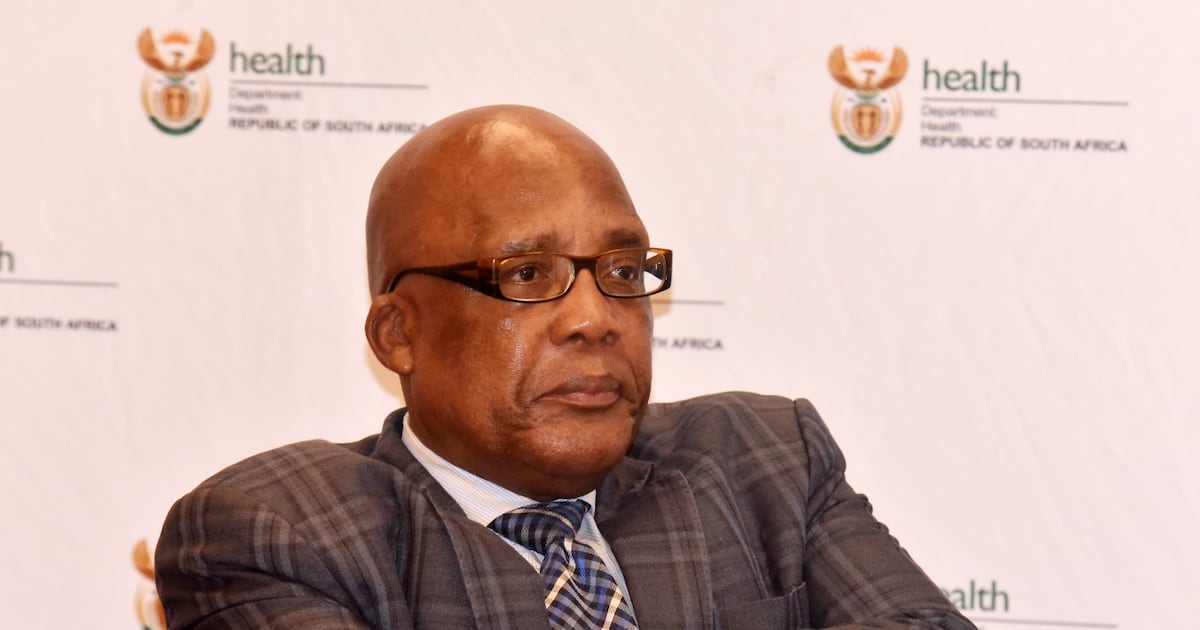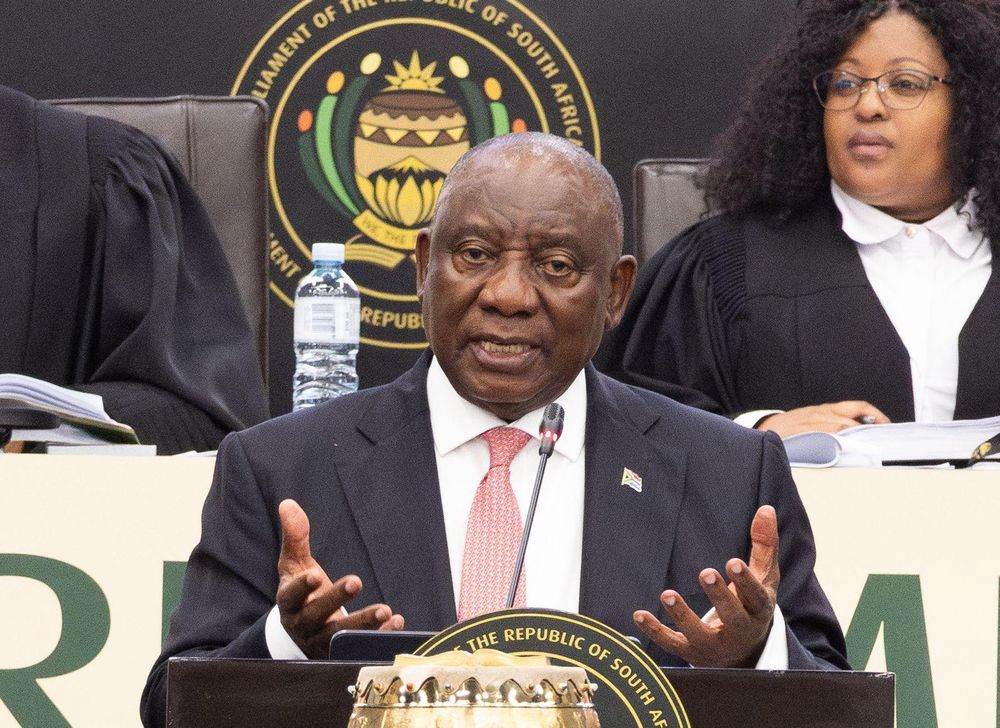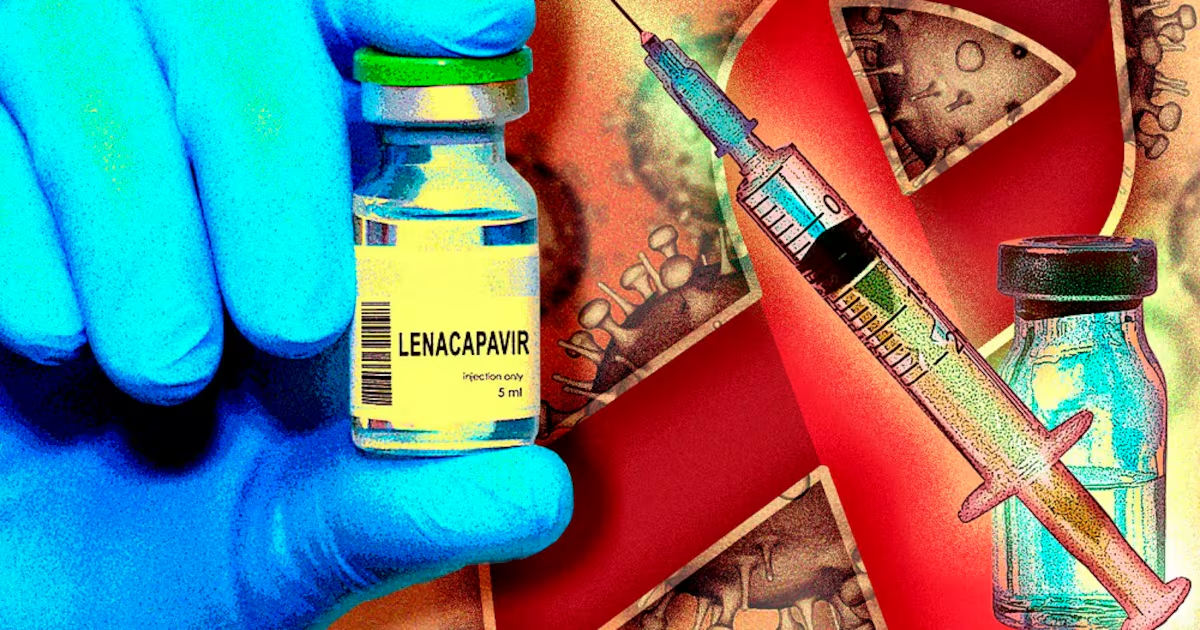
Civil society organisations have called on President Cyril Ramaphosa to press pharmaceuticals manufacturer Gilead to speed up access to its twice-yearly HIV prevention shot lenacapavir, saying too little stock has been allocated to South Africa to change the trajectory of its pandemic.Ramaphosa and health minister Aaron Motsoaledi are due to launch lenacapavir in Secunda, Mpumalanga, on Friday. The shot has been hailed as a game-changer because it provides almost complete protection against HIV. South Africa has the world’s biggest HIV epidemic, with an estimated 8-million people living with the disease and 170,000 new infections a year. Modelling by the HE2RO group at Wits University suggests about 2-million people in South Africa need to take lenacapavir each year to materially slow the rate of new HIV infections and end the pandemic by 2034.However, South Africa is due to receive less than 975,000 doses of lenacapavir over the next two years. By April, 38,000 doses had arrived, but the rollout was delayed by the South African Health Products Regulatory Authority’s (Sahpra’s) requirements for post-importation testing. “We must ask why we are being asked to celebrate when South Africa’s rollout plan is unambitious, low-scale and in danger of being more about the pomp than the public health impact,” said the coalition of civil society organisations, which includes the Treatment Action Campaign, the Health Justice Initiative (HJI) and the African Alliance.“The targets are too low, the population groups targeted in the short term are not broad enough, and the volumes from Gilead are minuscule,” said the organisations.They criticised Gilead for not seeking an exemption to Sahpra’s testing requirements and not moving faster to enable South African pharmaceutical manufacturers to make generic copies of its drug. South Africa was the first African country to approve lenacapavir but has lagged behind other countries hard-hit by the disease in rolling out the drug. And while Gilead has enabled the Medicines Patent Pool to award voluntary licences to several pharmaceutical manufacturers to make generic lenacapavir, it is limited to companies with the capacity to make the active pharmaceutical ingredient (API) contained in the drug. Gilead recently softened this condition, opening the way for local pharmaceutical companies to apply via the South African National Aids Council for voluntary licences to make lenacapavir using imported APIs. Tian Johnson from the African Alliance said South Africa has played a pivotal role in developing lenacapavir, and it is wrong for Gilead to wield so much power over access to the drug. “Our communities participated in the research, our clinics hosted the trials, and our scientists helped produce the data. Yet we are still waiting for a Gilead to determine how much of the product we receive, when it arrives, and how quickly access can expand,” he said.Motsoaledi told parliament on Thursday that the rollout will begin in three provinces, and will prioritise people at greatest risk of HIV infection. These include adolescent girls and women under the age of 25, sex workers, men who have sex with men, injecting drug users and transgender people.“We are actually in a position today to say we can eliminate HIV as a public health threat by 2030 — all we have to do is work hard,” he said in his budget vote debate speech in the National Council of Provinces.
Ramaphosa urged to press for wider access to Gilead’s HIV shot in SA
Limited supplies threaten potential positive effect of HIV prevention drug lenacapavir
544 words~2 min read