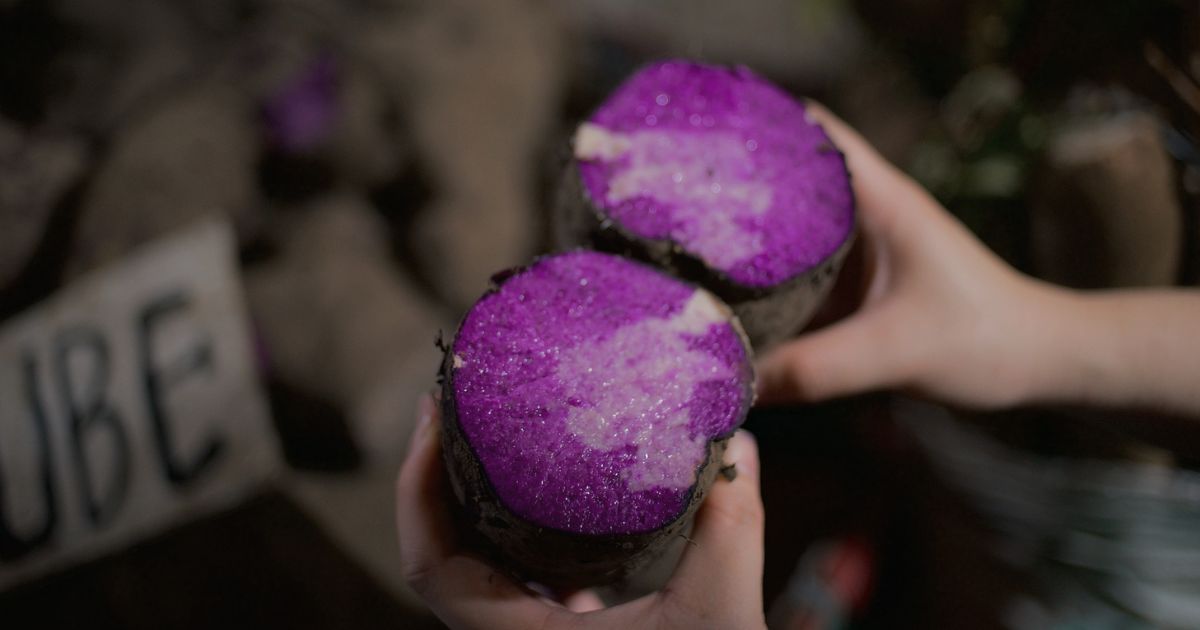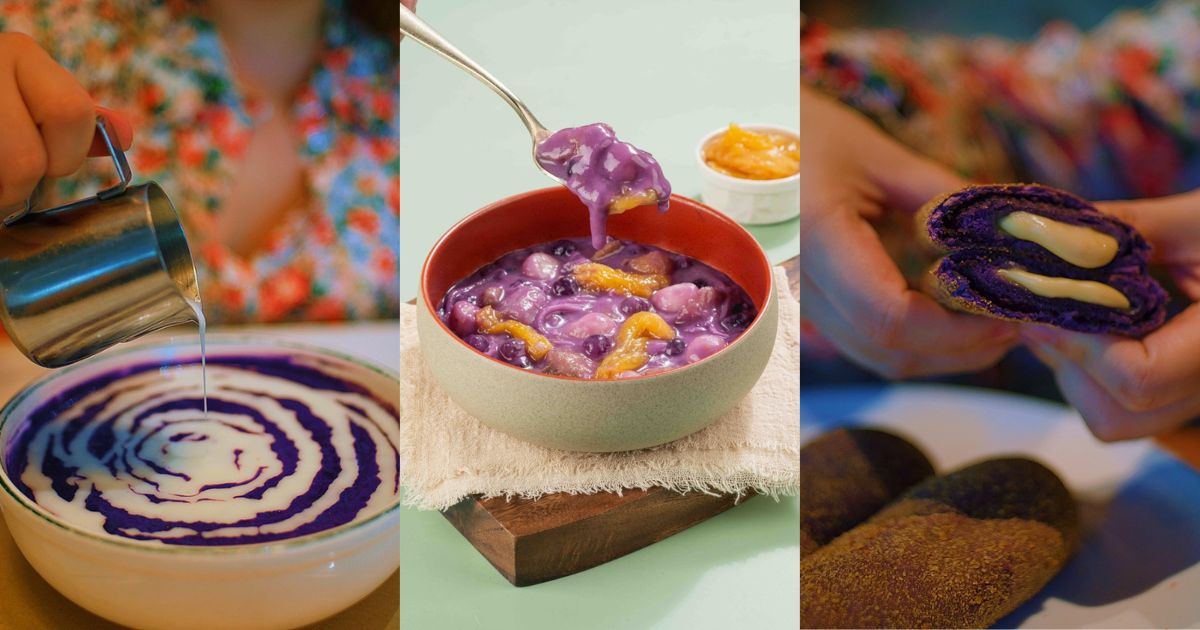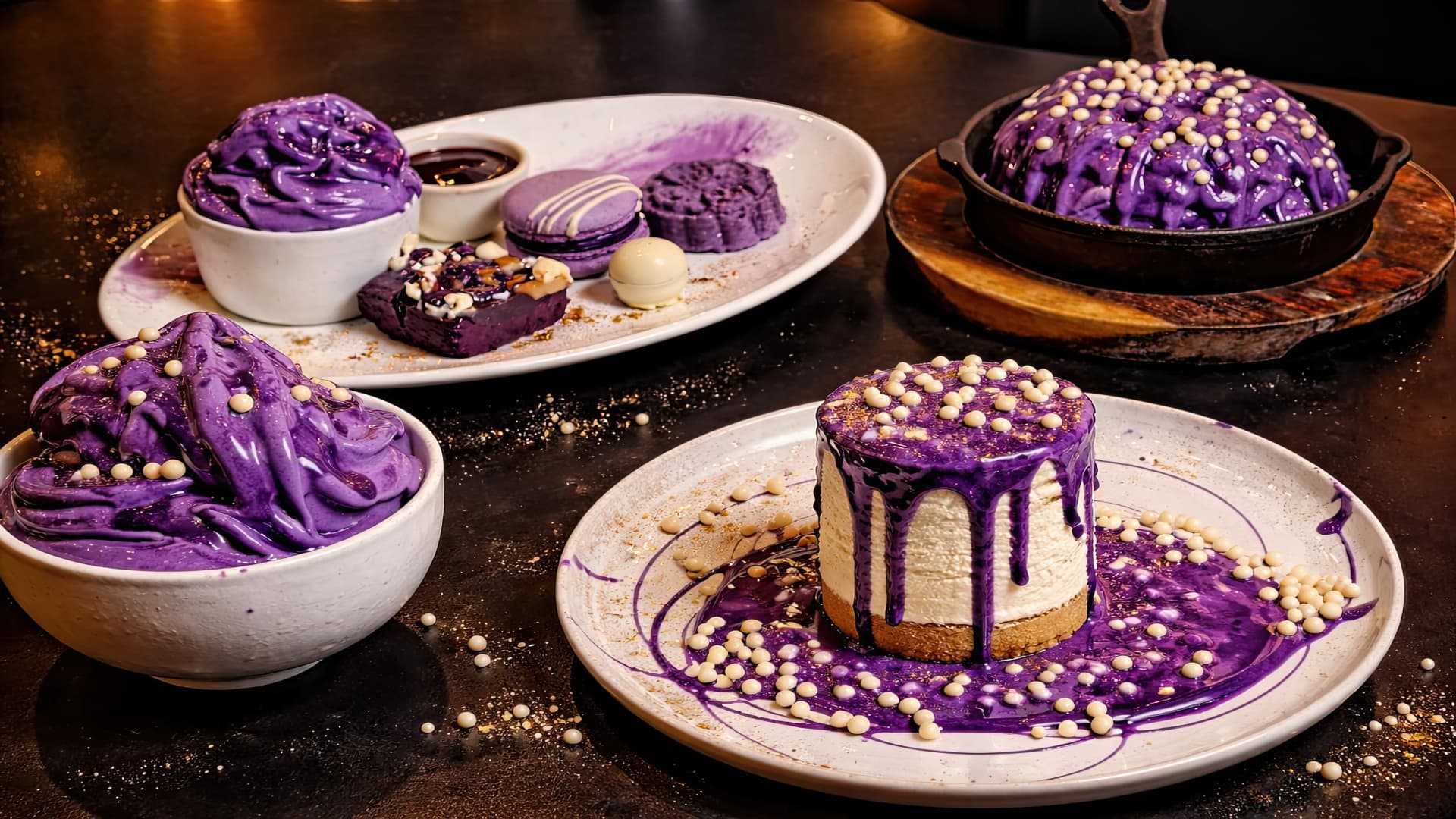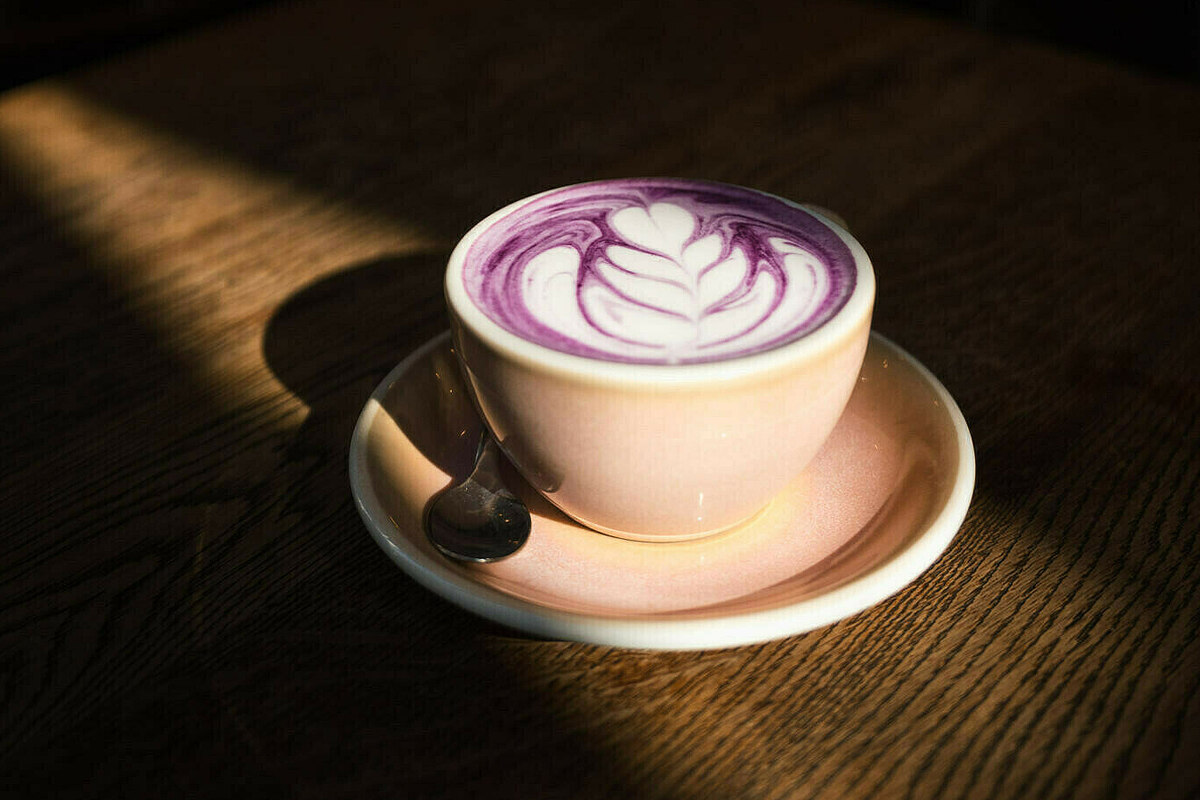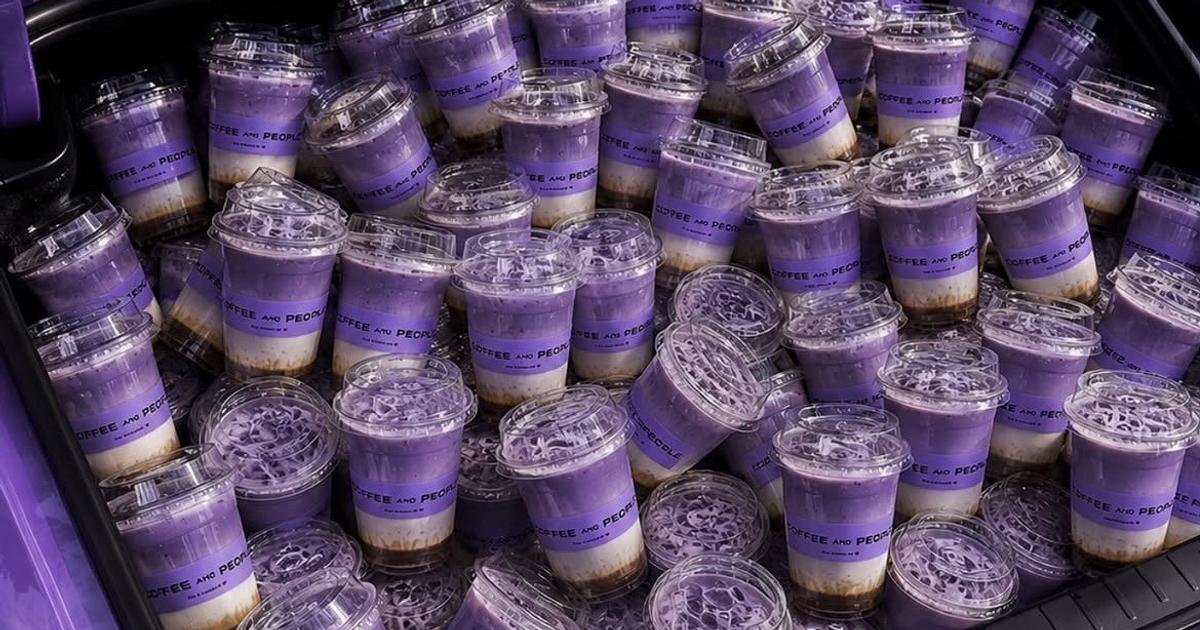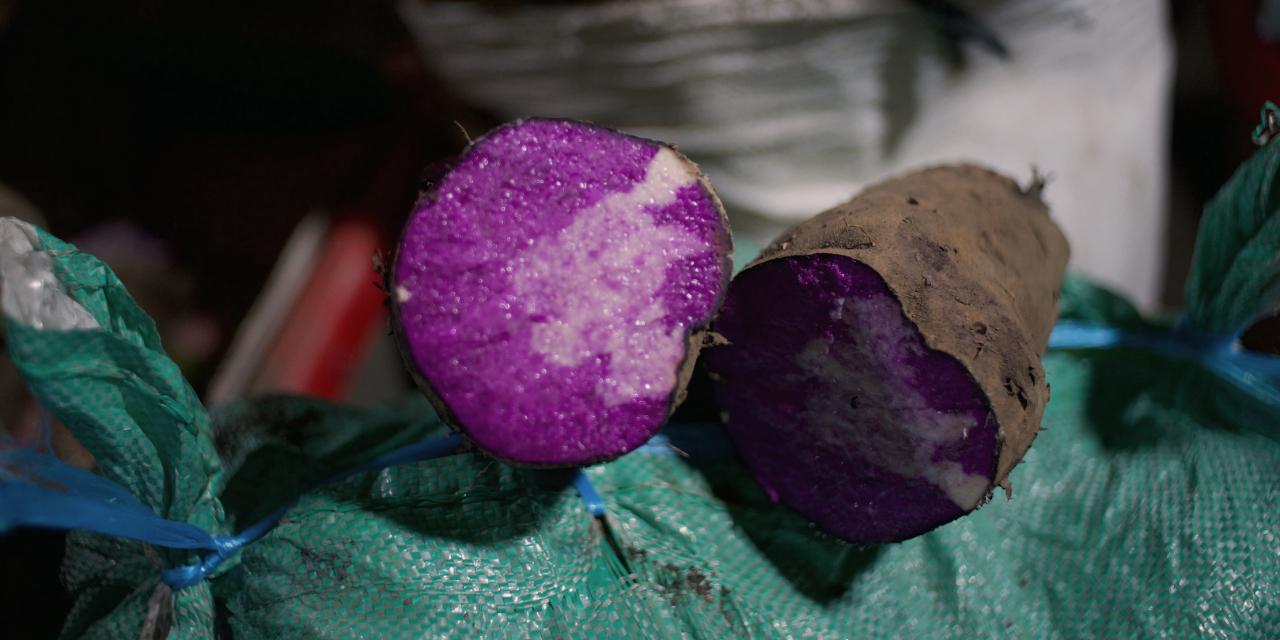
Published June 5, 2026 7:00am + Add GMA on Google Make this your preferred source to get more updates from this publisher on Google. Beyond pastries, creative dishes, and purple drinks, ube’s potential applications extend far beyond food and beverages.According to the Department of Trade and Industry (DTI), ube is among export "rising stars" together with calamansi and coconut.But the agency is not only looking to export raw ube but to also further expand the ube industry through processed and premium products like ube powder, puree, jam, and flavor extract.In this way, ube is positioned not just as a commodity, but “as a premium, innovation-driven export that showcases Filipino creativity and heritage," DTI Secretary Cristina Roque said.“DTI is also promoting the export of finished food products featuring ube, like snacks, pastries, biscuits, and desserts, which generate higher returns,” she added.“By growing the overall supply base and focusing on value addition, we ensure that export opportunities complement, rather than compete with, local availability and affordability,” Roque continued.Ube is known for its distinct purple color, but actually it comes in many other colors, including white, pink, and even orange. These varieties can be used in the production of flour and starch, among other products.To showcase the diversity and the many colors of ube, Darel Kenth Solde Antesco, a licensed agriculturist and University Researcher I at the University of the Philippines Los Baños, shared examples of cultivars from different parts of the Philippines and their ideal applications. For context, the “VU” designation refers to the institutional code of the developer, Visayas State University, formerly known as the Visayas State College of Agriculture.Meanwhile, “Dayang 1,” “Dayang 2,” “Binanag,” “Binato,” and “Kabus-ok” are considered traditional cultivated varietal names.“Improved varieties developed by institutions are usually more consistent and standardized, whereas traditional local varieties continue to evolve through farmer selection, and are shaped by local environmental conditions and cultivation practices,” he said.Read our special report on ube. And in case you're craving for some ube treats, here are seven Metro Manila spots to visit. — LA, GMA News
Beyond drinks and pastries: The many creative uses of ube
Beyond pastries, creative dishes, and purple drinks, ube’s potential applications extend far beyond food and beverages.
341 words~2 min read