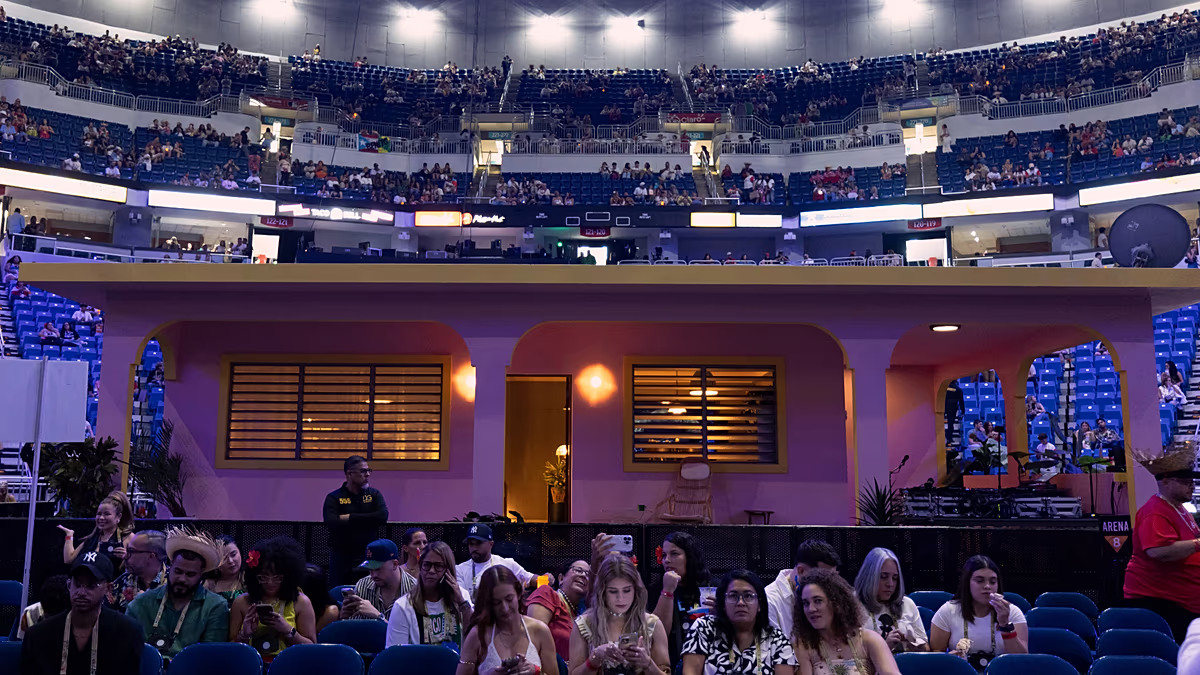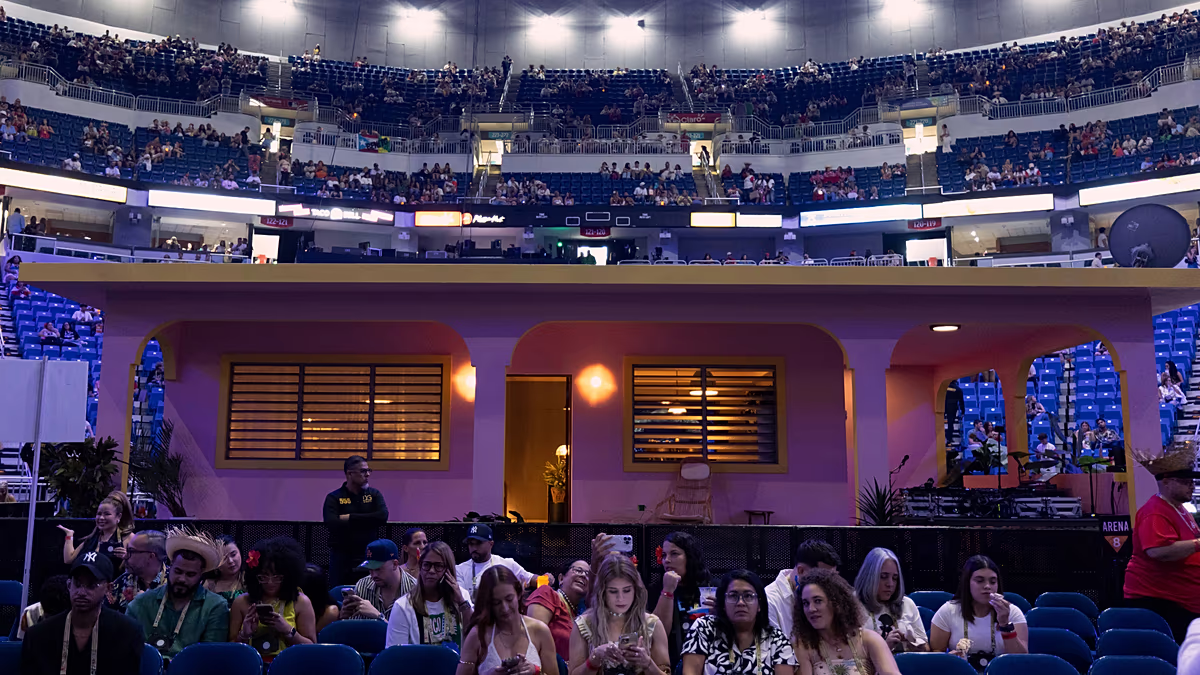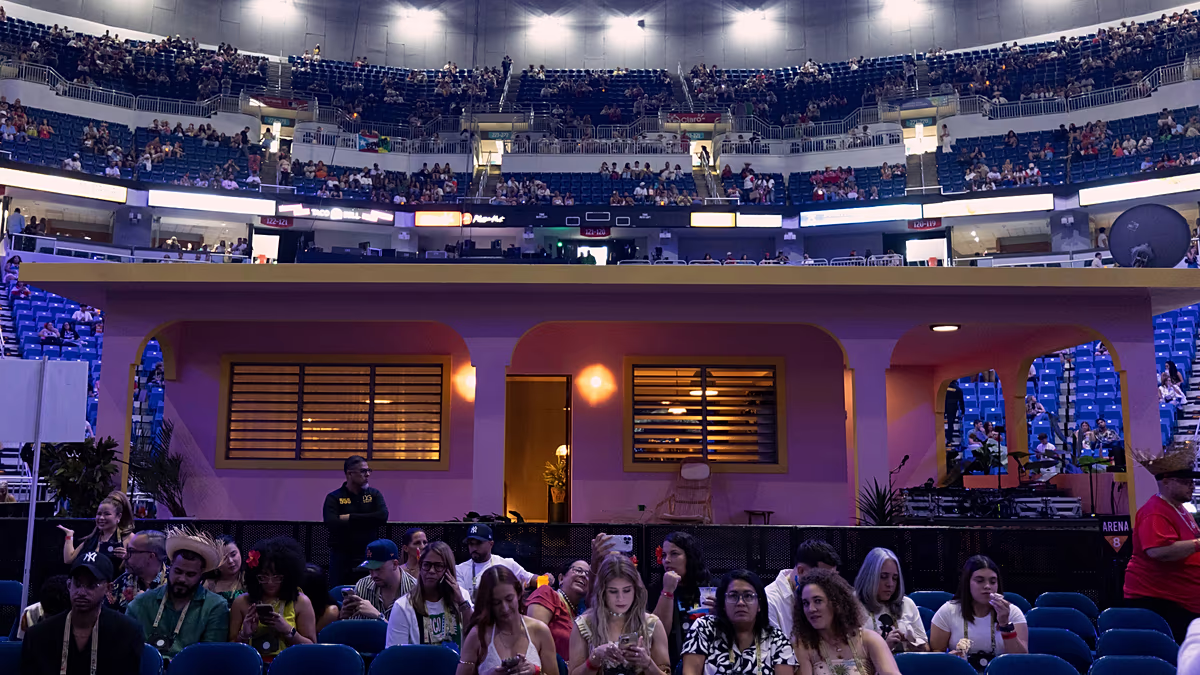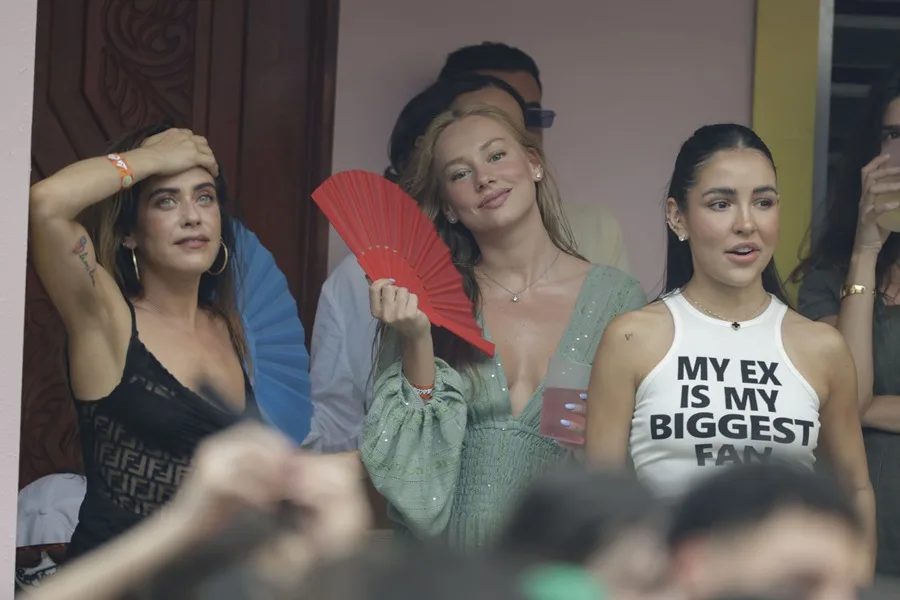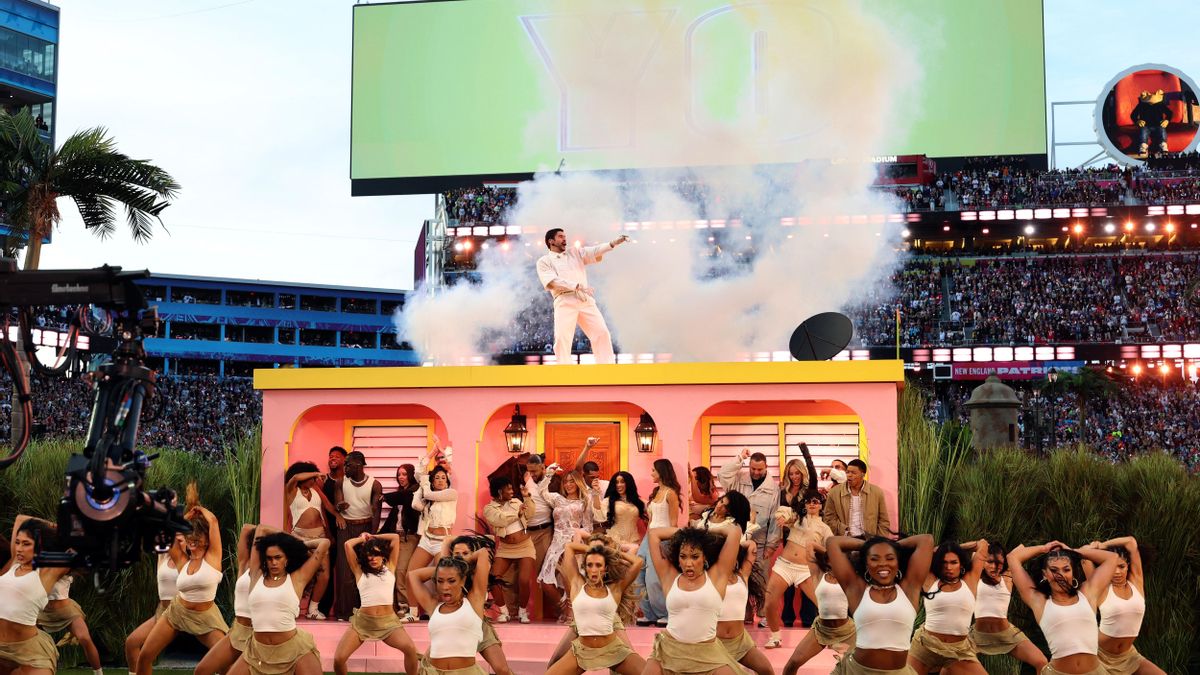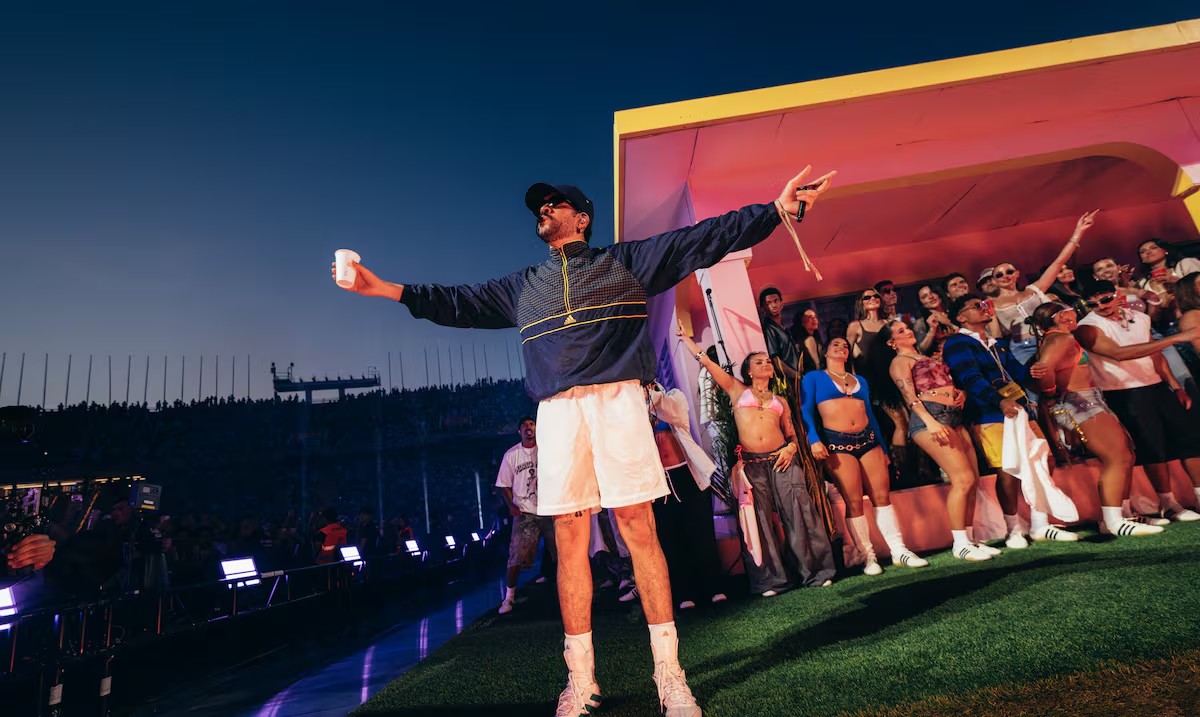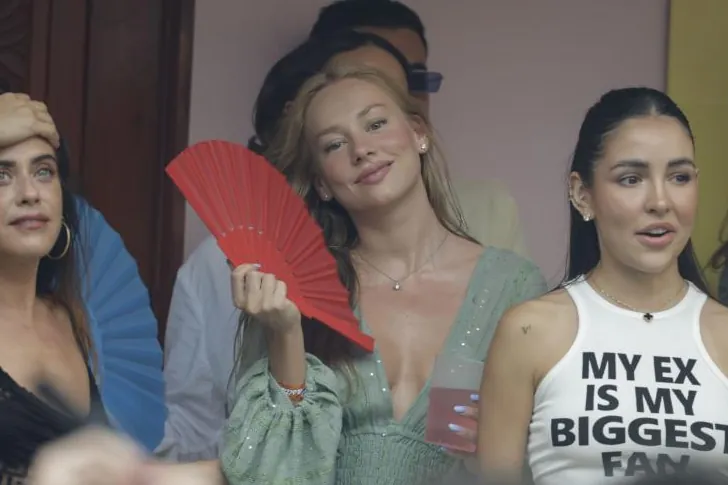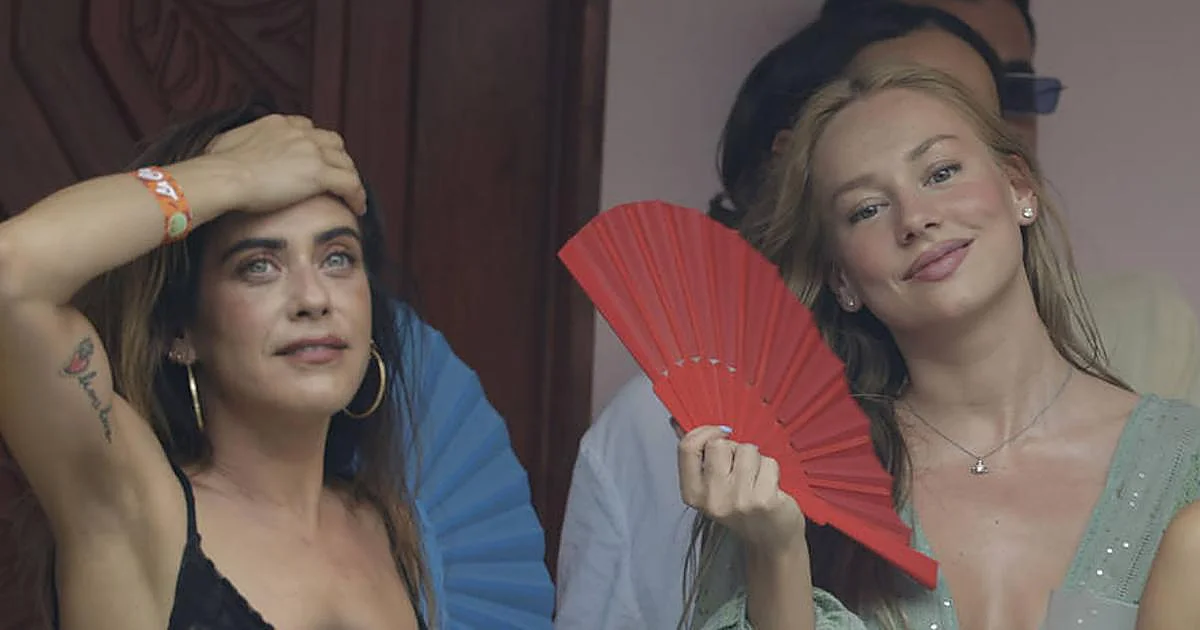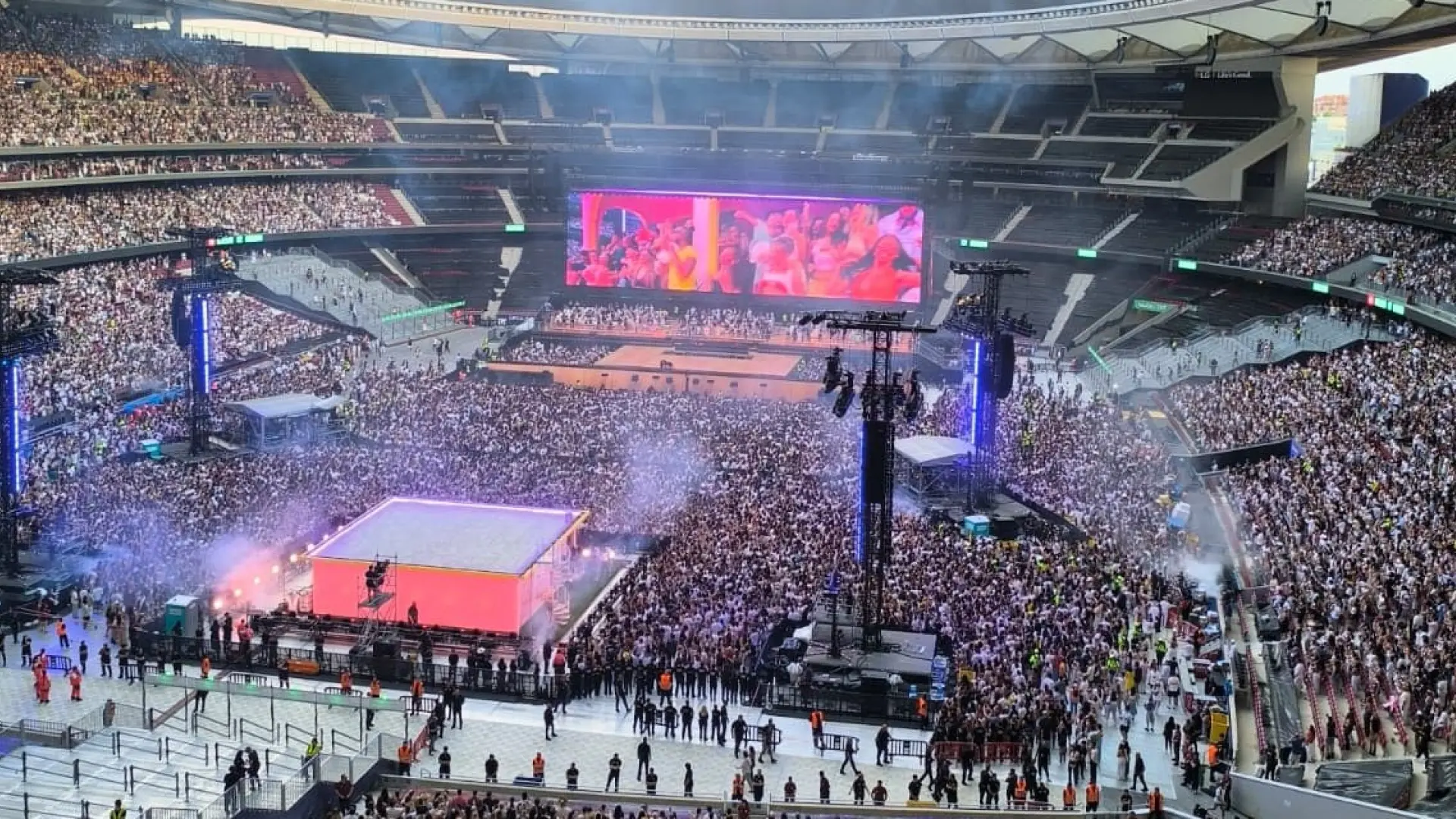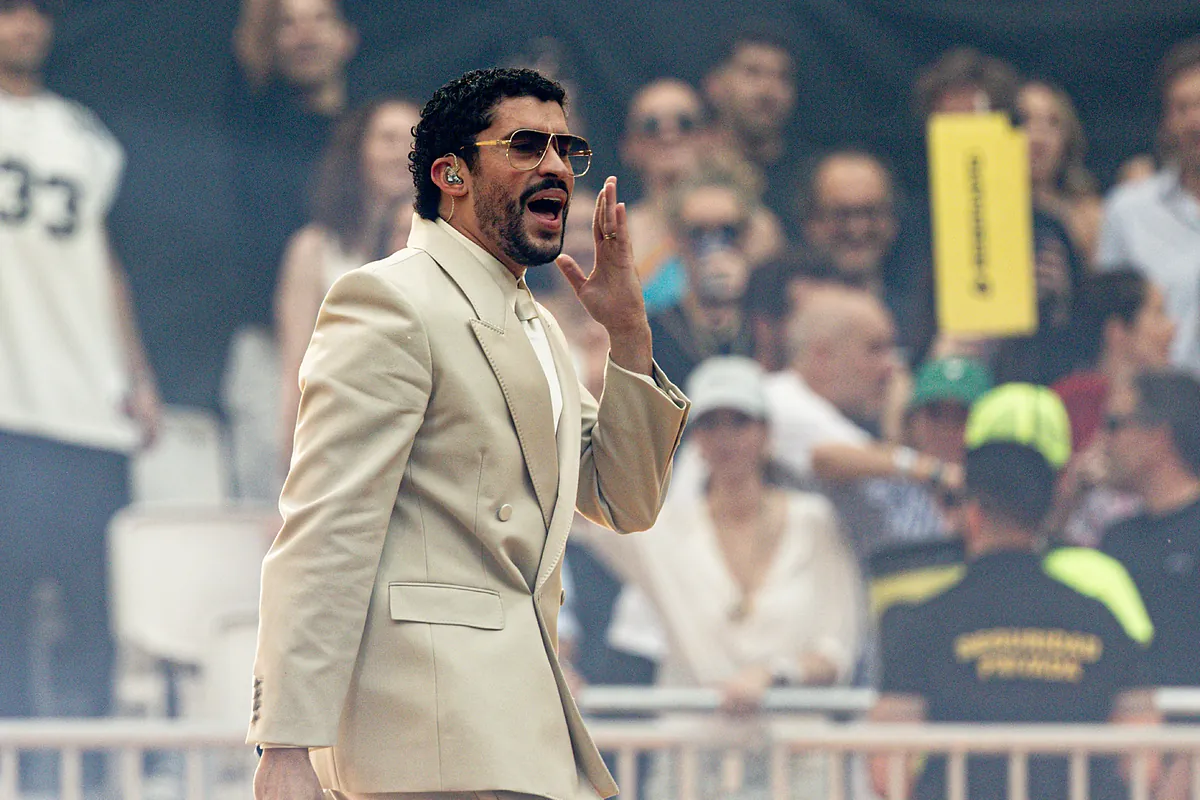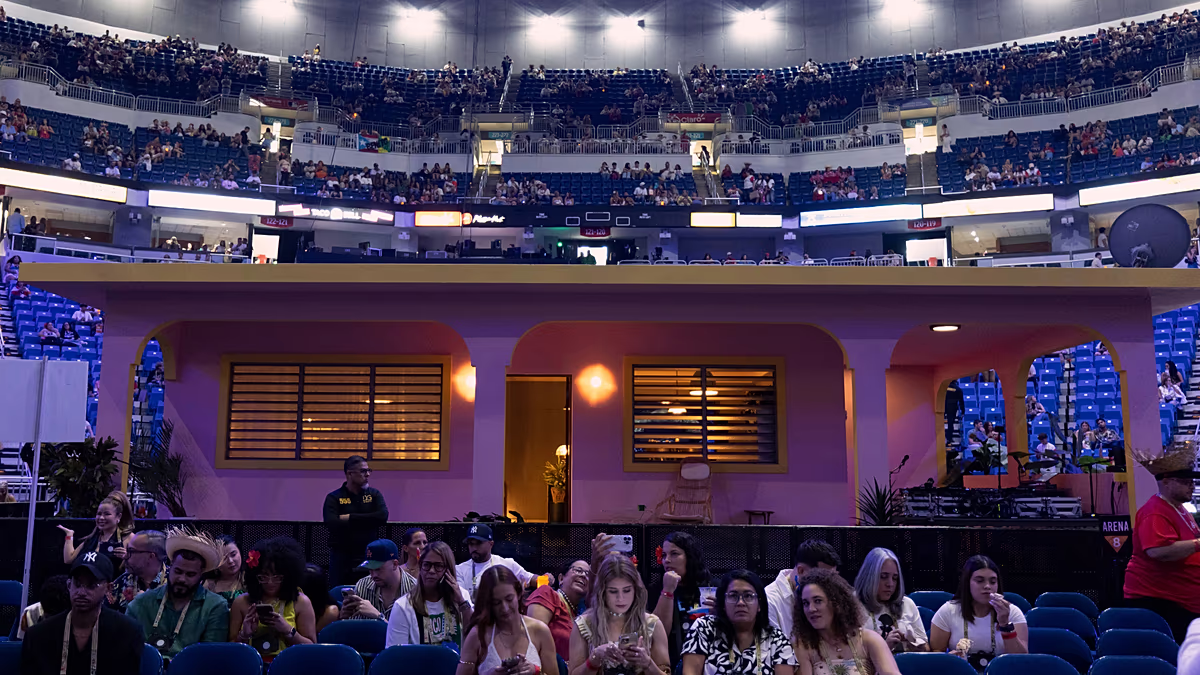
This week’s social debate seems to revolve, on this occasion, around the controversy affecting the huge Spanish‑language music phenomenon. We are talking, of course, about the Casita of Benito Martínez Ocasio, Bad Bunny: a segment of his concert in which several public figures (until recently, mostly women) dance live in front of the cameras.
The event has been criticised by conservative feminists such as Paula Fraga (does it objectify the women in the audience – Marta Ortega, Ester Expósito and others – who appear in it?) but defended by journalists such as Ana Requena and Alejandra Martínez. They argue that there is an interest in shining a light on feminism’s contradictions in order to instrumentalise it and, in particular, in focusing on the women who attend the concerts of a genre which, albeit less and less so, is still disparaged today: reggaeton.
At the heart of the controversy, but overshadowed by the ideological battle around it, stands the physical building itself. And like every detail of the touring project “Debí tirar más fotos”, it has a strong, assertive dimension linked to Boricua, or Puerto Rican, identity.
The Caribbean island is a United States unincorporated territory: an issue addressed in tracks on “DTMF” and in Bad Bunny’s public statements. In practice, this means that its citizens have fewer rights than US citizens living in a federal state: they cannot vote in presidential elections, have no voting representation in Congress, and several activists campaigning for the island’s independence have been jailed.