The Bureau of Labor Statistics releases its monthly job report on Friday, which will give more insight into the state of employment in May. One of the stats the report tracks has been slowly but steadily rising over the past few years: the number of people working “part-time for economic reasons.” That’s BLS-speak for workers who would like to be full-time, but have had their hours cut or haven’t been able to find full-time jobs.That number hit a recent low in 2022 as the economy came out of the pandemic, but since then, it’s up 35%.Among those part-timers is 22-year-old Vincent Ruggiero of Houston, Texas. Like a lot of recent college graduates, he’s been working multiple part-time jobs.After he graduated in December, Ruggiero had a tutoring gig with Teach for America where he worked ten hours a week. He worked another ten hours a week at Young Invincibles, a youth advocacy organization. “These roles are great, these roles will help me in my professional career,” Ruggiero said, “but I want to achieve full-time work.”Both jobs ended in May. Now, he’s driving for a delivery service and picking up odd jobs. He’s also applying to open positions. He’s submitted close to 200 applications so far, he said.“It's been a job of its own,” Ruggiero said. “If you feel like you have to just send out application after application, it takes the life out of you, even more so than like a traditional office job.”He’s had some success in his job search. He landed a full-time teaching assistant gig that starts in August. But, he’s still hoping something different comes through, either in state or local government or in the non-profit sector, where he can put his political science degree to work.Ruggiero’s situation is pretty typical of the job market right now.“On the surface people are finding jobs,” said independent economist Aaron Terrazas. “But that doesn't really speak to the types of work that they're taking, or how satisfied they are with that work.”The rising number of people working “part-time for economic reasons” is a reflection of the fact that a lot of people would like to be working more, whether it's satisfying or not. And the measure is likely an undercount of the number of workers who want more hours, said Lonnie Golden, an economics professor at Penn State University, Abington.“A lot of our part-time workforce are working maybe 15 to 20 hours a week and want to work 25 or 30,” Golden said.But the Bureau of Labor Statistics only counts part-timers who say they are ready to work 35 or more hours a week. “That is to say, we miss a lot of the people that are part-time and want to work a few more hours per week, but not necessarily at [a] full-time level of hours,” he said.That’s about where 62-year-old Rosanna Landis Weaver of Hyattsville, Maryland, finds herself. She was laid off from a full-time job at a nonprofit in 2024. “I never thought it was going to be early retirement, but I thought I'll take a little break and then find something else,” she said.She figured she had plenty of work experience to pick up another full-time role. But when she started applying, she didn’t land any interviews.“Nothing,” Landis Weaver said. “Nothing, nothing, nothing.”Now, she’s consulting part-time. And after so long out of the full-time workforce, she’s not totally sure she wants to go back. “I could not do the kind of work that I did in the past, work the kind of hours, stay at the desk for that many hours,” she said.But a full-time income wouldn’t hurt. She has a son who just finished his freshman year in college.
In this job market, more people are working "part-time for economic reasons"
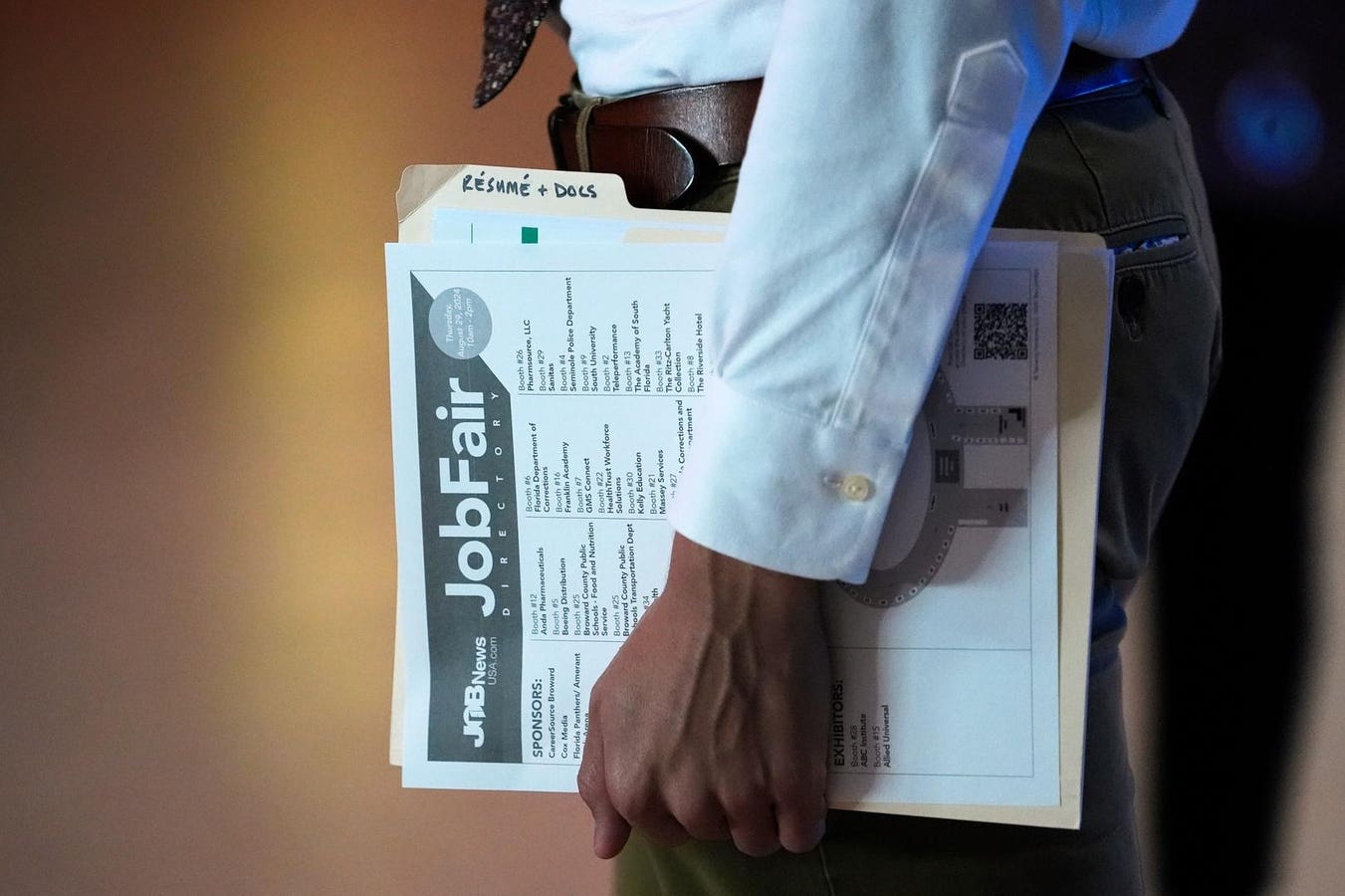
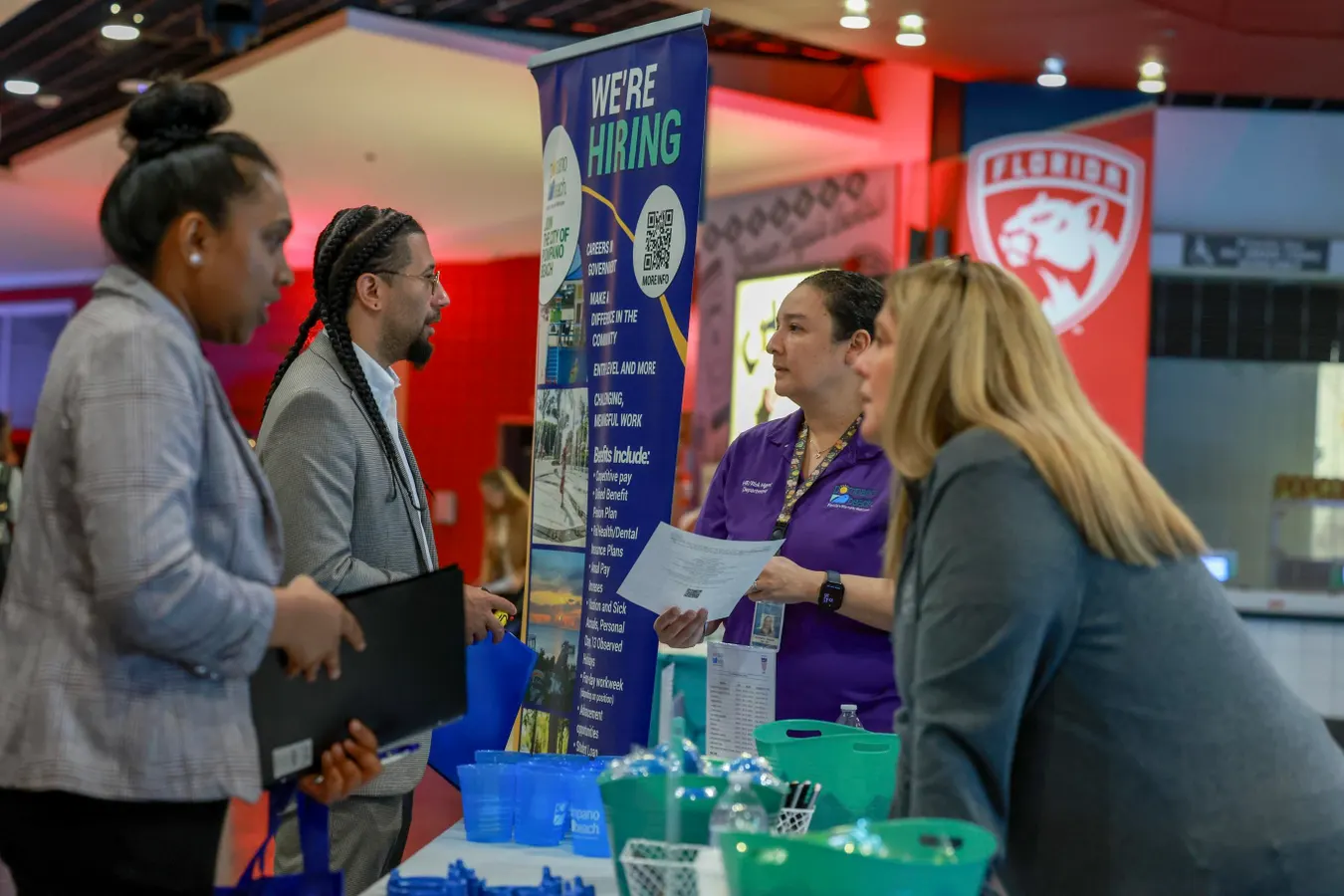
A slowly growing number of workers in the U.S. work part time, either because they haven’t been able to find full-time jobs, or they’ve had their hours cut.
614 words~3 min read