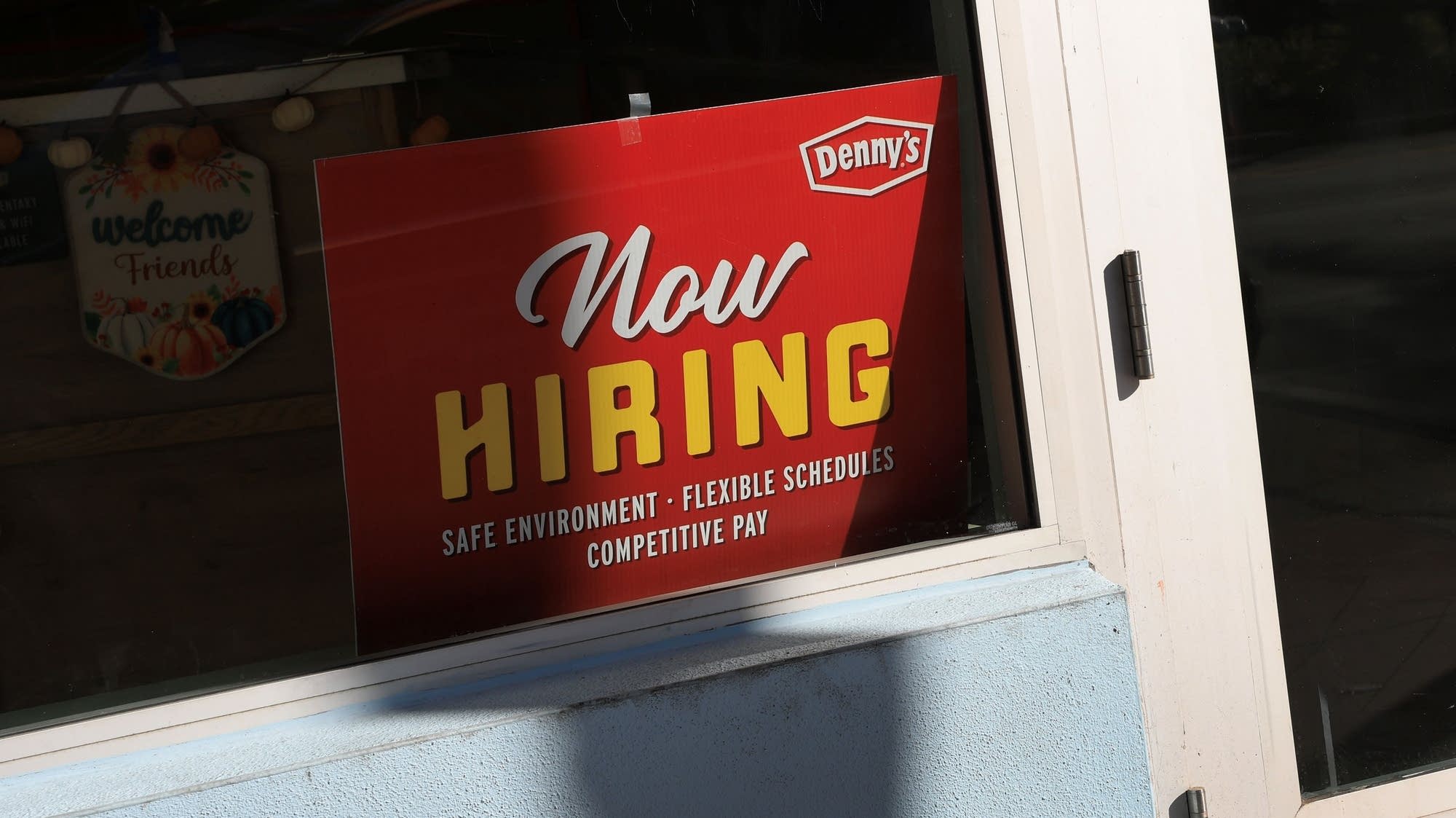
Economists have spent the past week arguing about why 720,000 people walked away from the labor force in a single month. Laura Ullrich, director of economics at Indeed Hiring Lab and a former Richmond Fed economist, says that rather than treating June’s slide to a 61.5% labor force participation rate—the lowest reading outside the pandemic since 1976—as a story about discouraged workers giving up, it’s actually about supply: There simply aren’t enough workers left to fill the jobs employers have.
“Historically, you’ve been able to look at jobs numbers like what came out on Friday and say, ‘okay, there was a decline in leisure and hospitality. Well, that means there’s less demand for those workers,'” Ullrich told Fortune. “But I think now, and more commonly as we go forward, it actually could be labor supply driving some of that. There are two reasons why you might not add jobs in a month: One is there’s no demand for workers, the other is there is demand, but there’s not enough supply.”
A shrinking economy in the works
Ullrich co-authored a May report from Indeed Hiring Lab, “The Great Mismatch: How a Shrinking Workforce, AI, and Labor Reallocation Will Define the Next 15 Years,” projecting the labor force would begin shrinking in 2026. The finding was particularly driven by a combination of immigration policy changes and what Ullrich calls “the demographic cliff”—the accelerating retirement of the baby boomer generation. The report estimates the labor force will decline by roughly 3.7%, or 5.9 million workers, between 2025 and 2032, before partially recovering. It also projects the aggregate unemployment rate could climb by 0.5 to 3.5 percentage points by 2040, to nearly 8% in the more severe scenario.