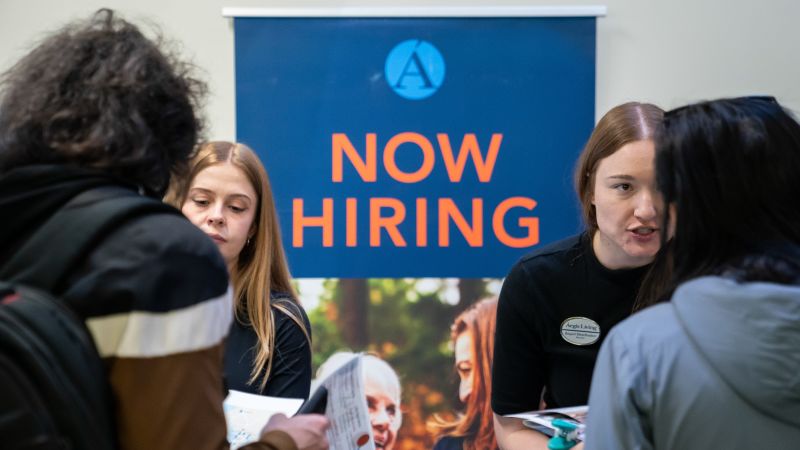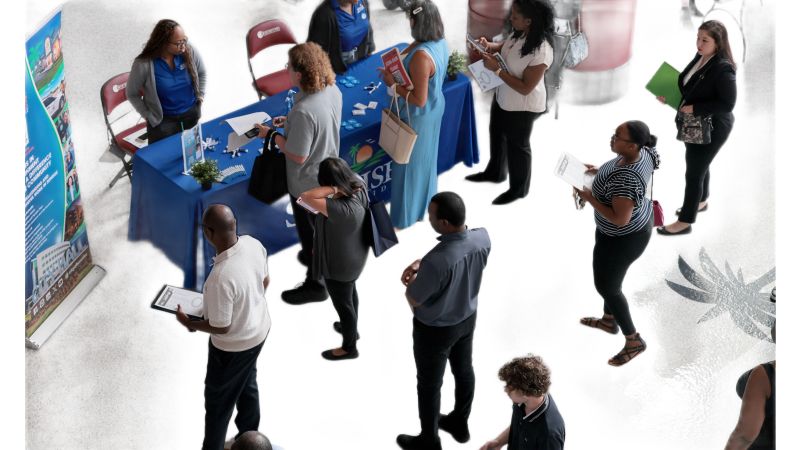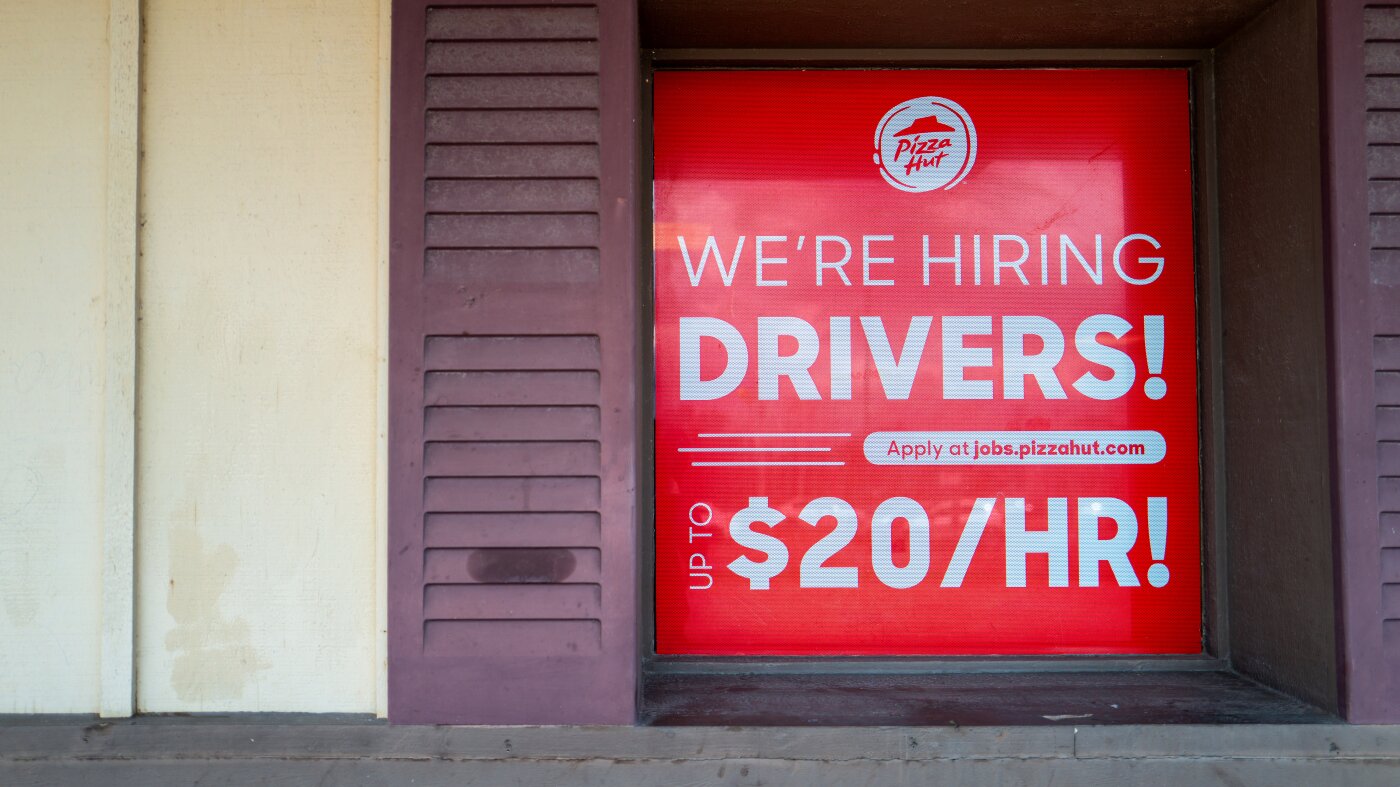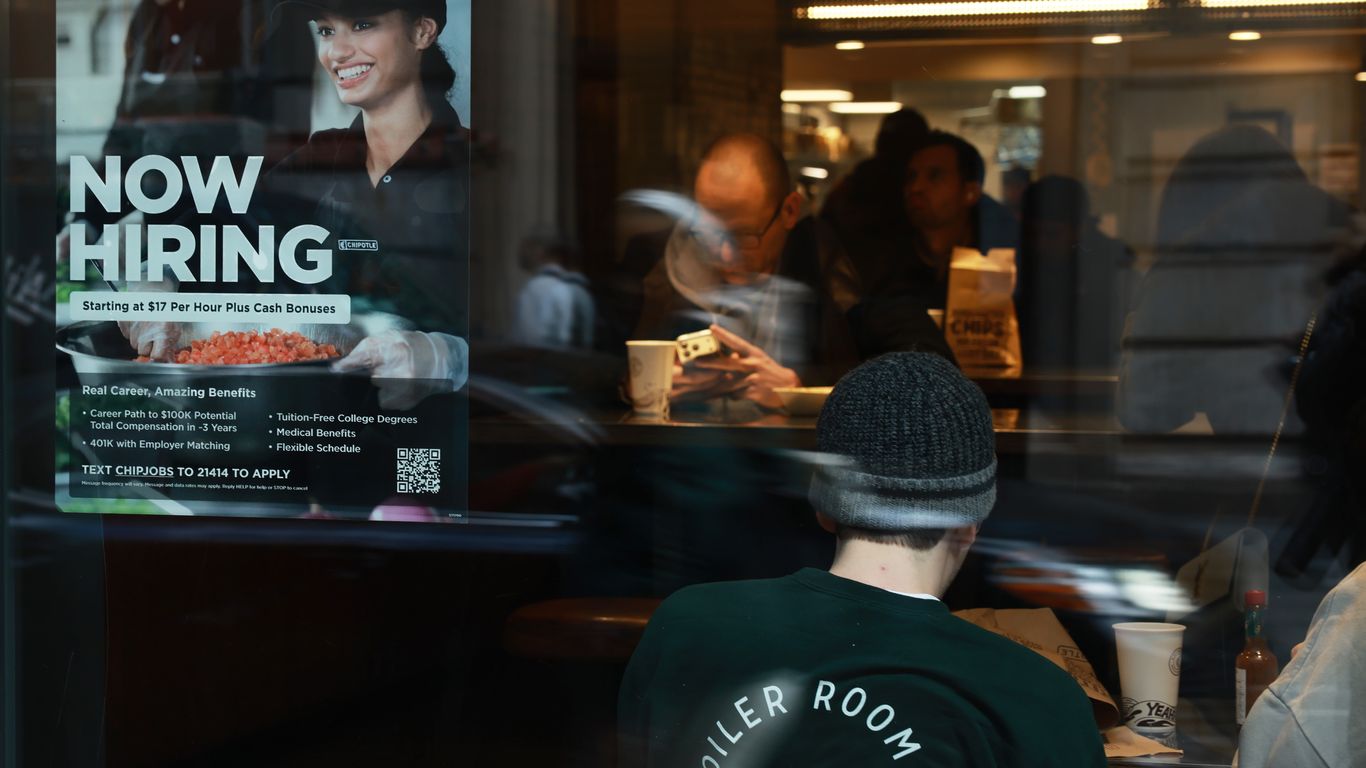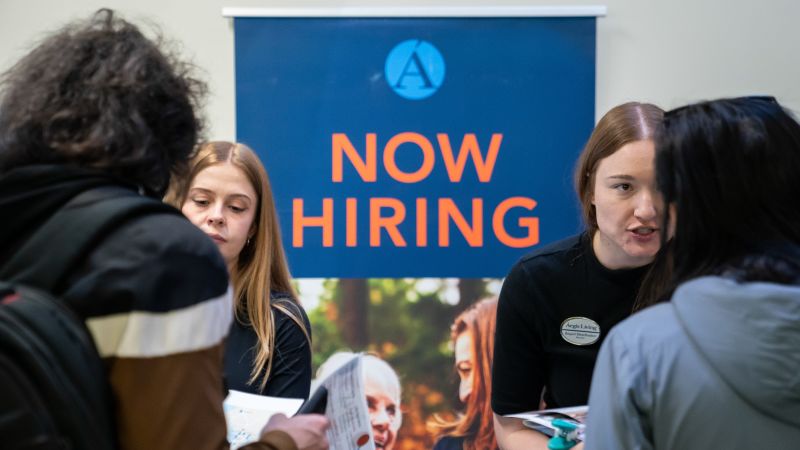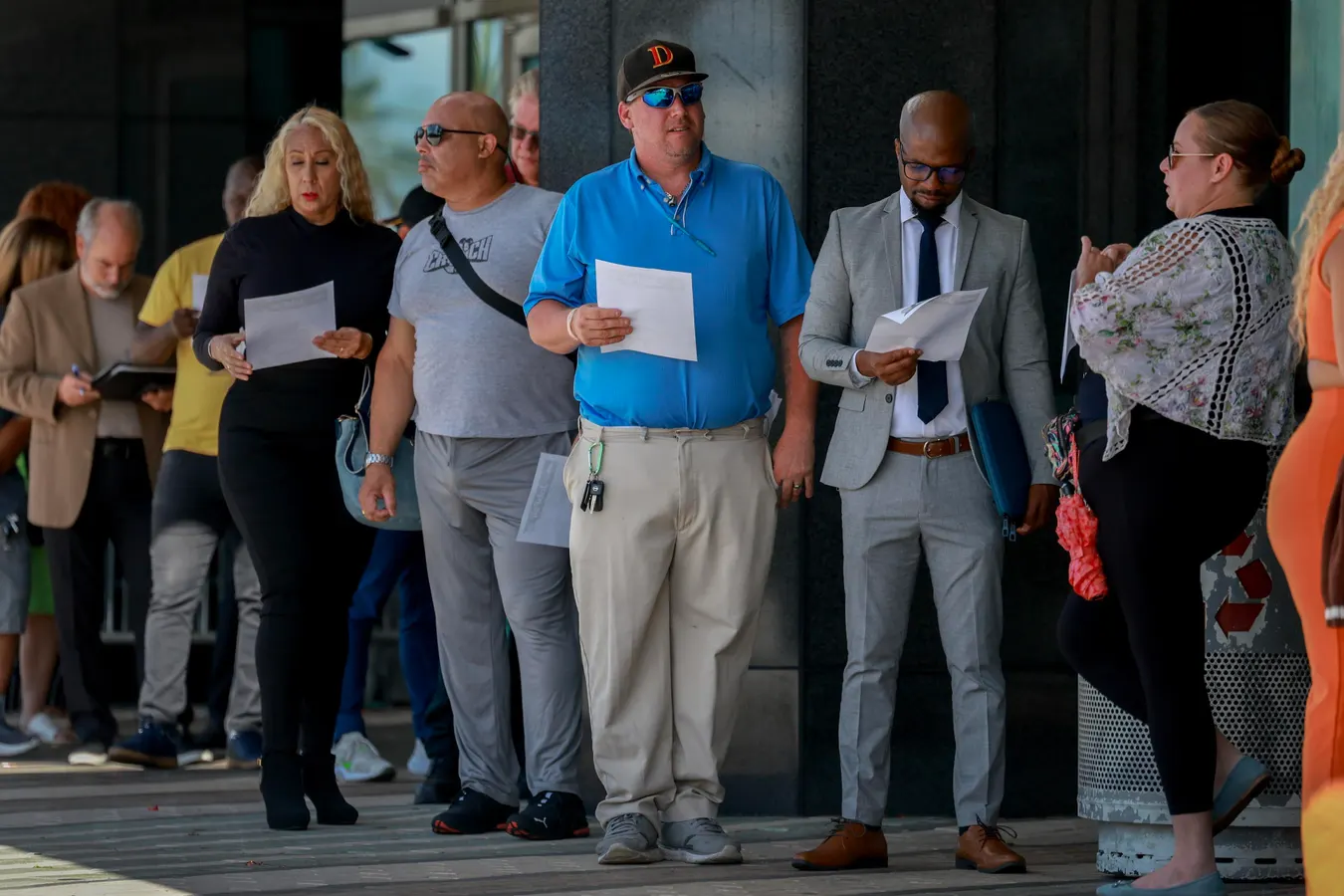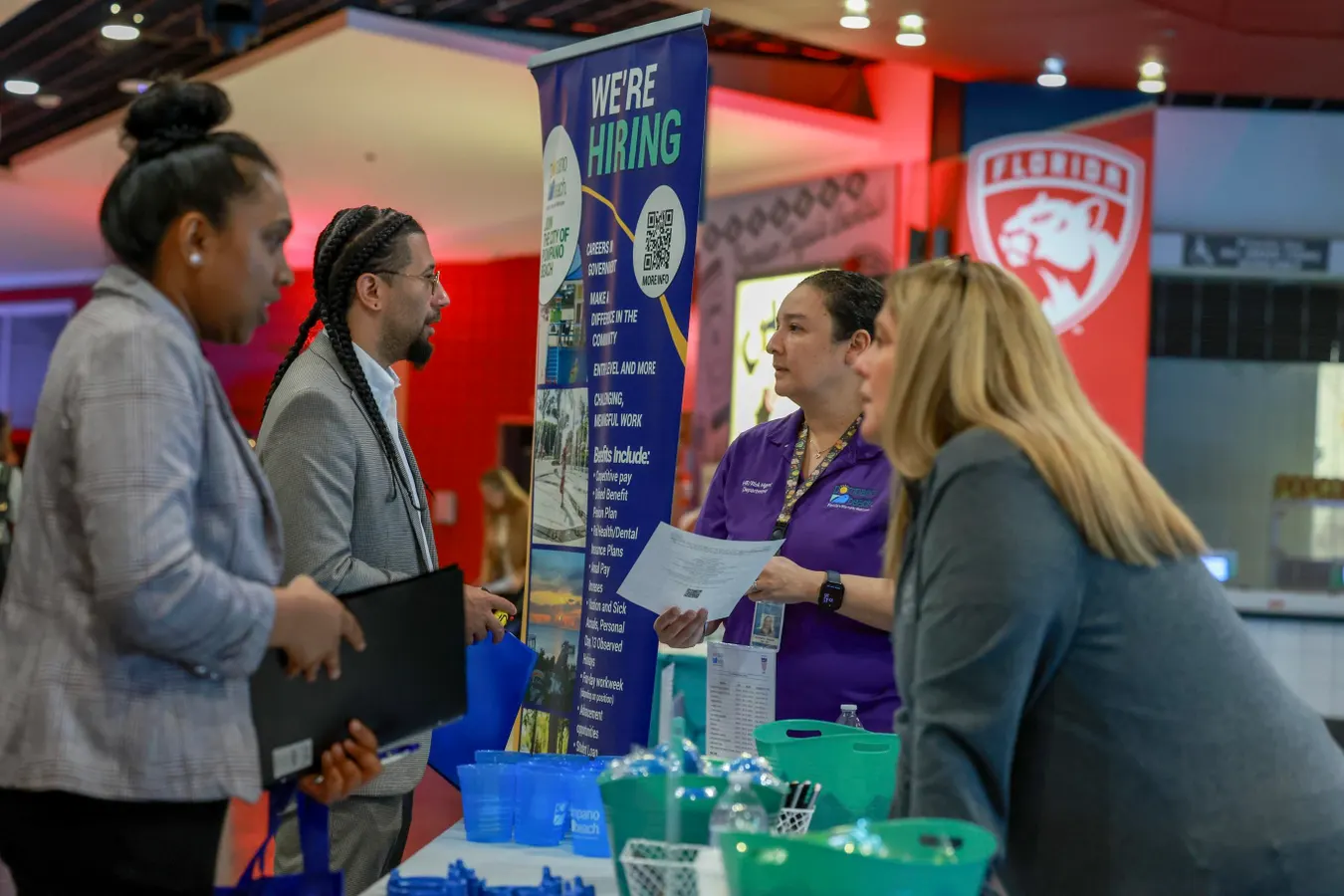
Getty ImagesOn paper, the May jobs report delivered another encouraging headline, with 172,000 jobs added to the economy and an unchanged unemployment rate of 4.3%. Additionally, job growth appeared to be more widespread than in the previous two months when healthcare dominated all gains. In May, leisure and hospitality jobs led the pack in growth, followed by government and healthcare, according to the Bureau of Labor Statistics.But beneath the surface, economists say the labor market is showing a tale of two realities, where the economy is continuing to create jobs while workers who have been laid off or are new to the labor force—such as recent college grads—are finding it harder to actually land one. Overall, the share of unemployed people who have been out of work for 27 weeks or more rose to 27.5% last month, up from 20.4% a year ago. Meanwhile, the unemployment rate for recent college graduates between the ages of 22 and 27 is 5.6%, higher than the overall unemployment rate.Laura Ullrich, director of economic research at job searching platform Indeed, attributes this labor market contradiction to a decrease of people who are leaving their jobs as well as an overall layoff rate that has been relatively unchanged from month-to-month. Ullrich acknowledged that certain sectors like media and tech have been hit hard with job cuts, but she said that if you look at things “from a macro picture for the whole economy, layoffs are very low.” “People are kind of hugging onto the jobs that they’ve got,” she said. “And so the probability that anybody’s going to become unemployed today is really low. But if you do become unemployed, it’s a tough time in those sectors that have been losing jobs.”While low layoff rates combined with a decrease in the number of people leaving their jobs has led to a low hiring market, Ullrich says that doesn’t mean hiring has come to a complete standstill. With some industries growing faster than others, she said enough hiring is happening in certain sectors where it’s possible for 172,000 jobs to have been added to the economy, despite many workers not feeling it. Read here to learn more about which industries are adding jobs and where you may find opportunities if you’re currently unemployed. This is a published version of Forbes’ Careers newsletter. Click here to subscribe and get it in your inbox every Tuesday. WORK SMARTER Practical insights and advice from Forbes staff and contributors to help you succeed in your job, accelerate your career and lead smarter.Wary of ghost jobs or fake jobs? Here are smart tips for applicants to avoid falling for empty or malicious job postings that are on the rise online, from psychologist Bryan Robinson.Building your audience is better than traditional networking, according to career expert Andrew Fennell. Discover why along with strategies to increase your professional presence.Staying in a job for the benefits? Read about the hidden emotional and career cost of staying in your role because it feels safe, with advice from business behavioral expert Diane Hamilton.Being busy is a status symbol at many workplaces. Learn why that is counterproductive and why leaders should reward outcomes over endurance, from business professor Benjamin Laker.gettyDeep Dive: These States Are Winning The Race For Federal AI Education FundingAs artificial intelligence reshapes employment, Forbes’ education staff writer Lisa Chambers reports on a new Sallie-sponsored analysis that suggests federal funding that supports AI-related education is increasingly concentrated in just a handful of states.Using National Science Foundation data from 2022 to 2026, research firm Fractl found that five states account for 35% of all new AI-related education awards. When looking at the overall rankings, which were based on five factors including growth in awards and how widely AI funding was distributed within a state, California earned the top spot. New Mexico came in at No. 2, followed by Massachusetts, New York and the District of Columbia. The analysis defines AI education funding as federal support for AI-related teaching, research and student programs at colleges, universities and research institutions. This includes research grants, fellowships, scholarships and workforce development programs tied to artificial intelligence and related fields.“The biggest takeaway is that AI-related federal funding is not being distributed evenly across the country,” Ricardo Rodriguez, a senior data journalist at Fractl who led the research and analysis, told Forbes. “Our research found that 2,716 new AI-related awards have been added since 2022, but much of that growth is concentrated in a relatively small number of states.”Higher education leaders say that the states that prioritize AI-related education funding, and institutions that think critically about how AI affects society, will be essential in the AI-driven workforce. TOUCH BASENews from the world of work. On Monday, a federal judge ruled that President Donald Trump’s $100,000 fee for H-1B visa applications unlawfully increased the cost of the visa program relied on heavily by the U.S. tech industry, reports Forbes’ Ty Roush. In a lawsuit filed in December, California Attorney General Rob Bonta, along with 19 other attorneys general, argued that the “unlawful” fee would create a “costly barrier” for employers and could negatively impact healthcare and education.According to an analysis from the Federal Reserve Bank of New York, remote work may explain up to 64% of the recent rise in unemployment among new college graduates. When looking at the data, Higher Ed Drive reports that young workers’ unemployment rate went up one percentage point in remote jobs, while the unemployment rate for older workers in those jobs slightly declined. The reason for this dynamic, according to the report, is that remote work makes it more difficult to train and mentor younger workers.
The Job Market’s Two Realities—And What It Means For Workers
This week’s careers newsletter looks at how a complicated labor market impacts long-term unemployment rate. Plus, the states investing in federal AI education funding.
939 words~4 min read