Photo credit gettyEvery month, the jobs report tells us how many people were hired, how many lost jobs, and how fast wages are growing. But it doesn’t answer the question millions of workers are actually asking: Why does it feel like I’m working just as hard but getting further behind? June 2026 jobs report provided some some hope about the economy. It revealed that U.S. employers added 110,000 to 115,000 jobs, while the unemployment rate remained stable at 4.3%. The average hourly earnings are expected to rise around 3.5% year-over-year. The data show continued but moderated hiring following the stronger 172,000 job gains trecorded last month. Why So Many Workers Feel Financially StretchedDespite this somewhat positive news, many American workers are not optimistic about their future wage prospects. Nearly half (49%) say they don't believe their wages will ever catch up with the rising cost of living, according to Resume Now's 2026 Financial Outlook Report. The study found that rising costs are shaping how workers think about pay, raises, and major life decisions. And this does not even address their concerns about AI. 70% of Americans think AI will take over their job in the coming years.They're not imagining these financial challenges and technological advancements. Several economic forces are working against them.Four Forces Shaping Wages In The Age Of AISeveral economic forces are combining to keep wage growth under pressure:1. Inflation Has Picked Up AgainEarlier in 2025, wages were generally growing faster than inflation. More recently, inflation accelerated, largely wiping out those gains. Only 19% of people think their wages will catch up to inflation in 2026.MORE FOR YOU2. The Labor Market Is CoolingCompanies aren't competing for workers as aggressively as they were during the post-pandemic labor shortage. When employers have more hiring options, wage pressure eases.3. Productivity Hasn't Accelerated EnoughOver long periods, sustainable wage growth comes from productivity growth. When workers deliver significantly more value, employers have the funds to pay more. But, productivity gains have remained relatively modest. That limits employers' ability to increase wages.4. AI Hasn't Yet Produced Broad Wage GainsAlthough AI is increasing productivity in many organizations, those gains have not yet turned into wage increases for employees. Historically, there's usually a lag between the integration of new technology and higher wages.Why A Raise Doesn't Feel Like A RaiseEven for those whose wages technically keep pace with inflation, people often don't feel wealthier because the big-ticket items that make up a large share of their income cost dramatically more. This includes housing, healthcare, and childcare. Also, the cost of servicing debt has increased. These are large, recurring expenses that shape people's perception of their financial well-being.Financial Stress Is Reshaping Major Life DecisionsIn addition to feeling hopeless about wages catching up, more than one-third (38%) expect financial stress to increase in 2026. As a result, 48% have postponed a major life milestone, including buying a home, having children, going back to school, or changing jobs, due to rising costs. If given a raise, most workers would use it for survival, not optional spending. 37% would save it, and 32% would use it to cover basic expenses.If you’re experiencing this stress, career expert Keith Spencer advises, “Remember that falling behind financially is not necessarily a reflection of poor career choices. Many people are dealing with wages that have not kept pace with the cost of living. You may not be able to control rising costs, but you can control how prepared you are for a pay conversation, internal move, or external job search. Take practical steps to understand your worth, ask informed questions about pay, explore additional income options when appropriate, and position yourself for better opportunities if your current role is no longer meeting your financial needs.”While today's economic conditions are creating short-term pressure, a much larger shift has been unfolding for decades.This Isn't Just Inflation. It's A Fundamental Shift In How Work Creates Value.The current squeeze isn't just a short-term inflation story. It's part of a much longer trend. Since the late 1970s, worker productivity and economic growth have increased significantly. Corporate profits have risen, but median wages have grown much more slowly after adjusting for inflation. Economists point to several explanations, including globalization, increased competition, automation, and income flowing disproportionately to owners and shareholders rather than to workers. AI Is Changing What Employers Value MostThe average wage may become increasingly tied to average, replaceable work, while premium compensation accrues to people who create disproportionate human value. AI changes what employers are willing to pay a premium for. The Great Human Premium: How To Increase Your Value In The Age Of AIThe news isn't all bad. AI isn't eliminating human value. It's redefining it. The Great Human Premium™ is the economic and career advantage created as artificial intelligence makes knowledge, expertise, and efficiency increasingly abundant. As these become more accessible, the real value shifts to uniquely human qualities. Simply working harder or knowing more is not likely to translate into higher wages. The professionals who command a premium will increasingly be those who contribute qualities that are difficult to commoditize, such as judgment, creativity, relationship-building, and communication.AI is accelerating a shift in what employers value most. The premium will increasingly go to people who solve challenges, exercise sound judgment, build trust, communicate clearly, and adapt quickly.William Arruda is a keynote speaker, personal branding pioneer, and Senior Contributor to Forbes. Join his complimentary Maven Lightning Lesson, Public Speaking Myths: What Great Presenters Really Do.
What Today’s Jobs Report Doesn’t Tell You About Work In The AI Era
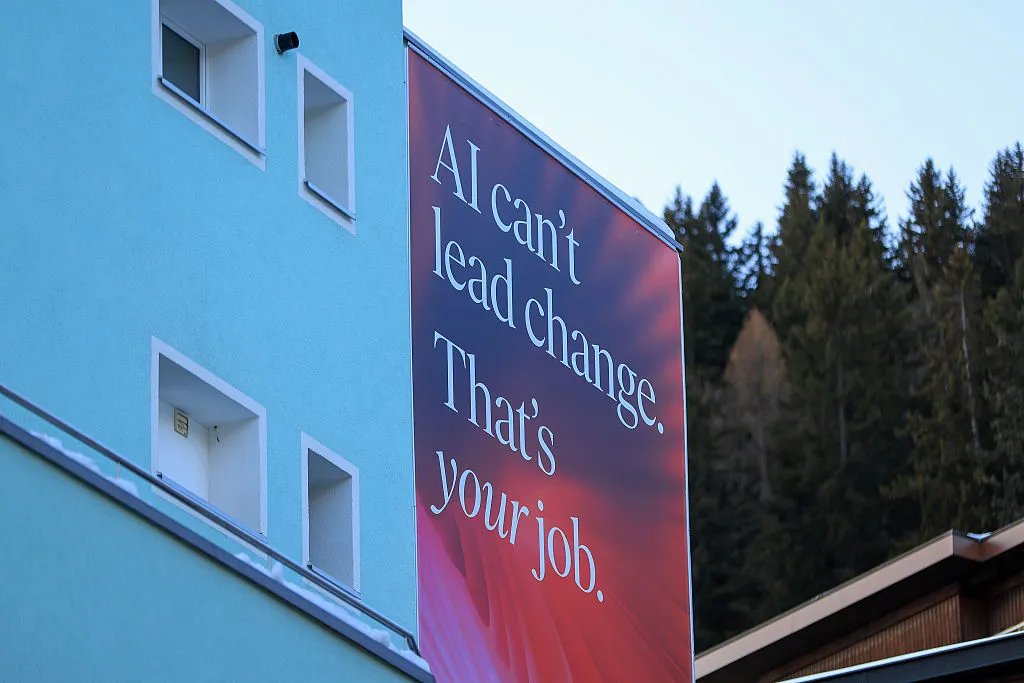
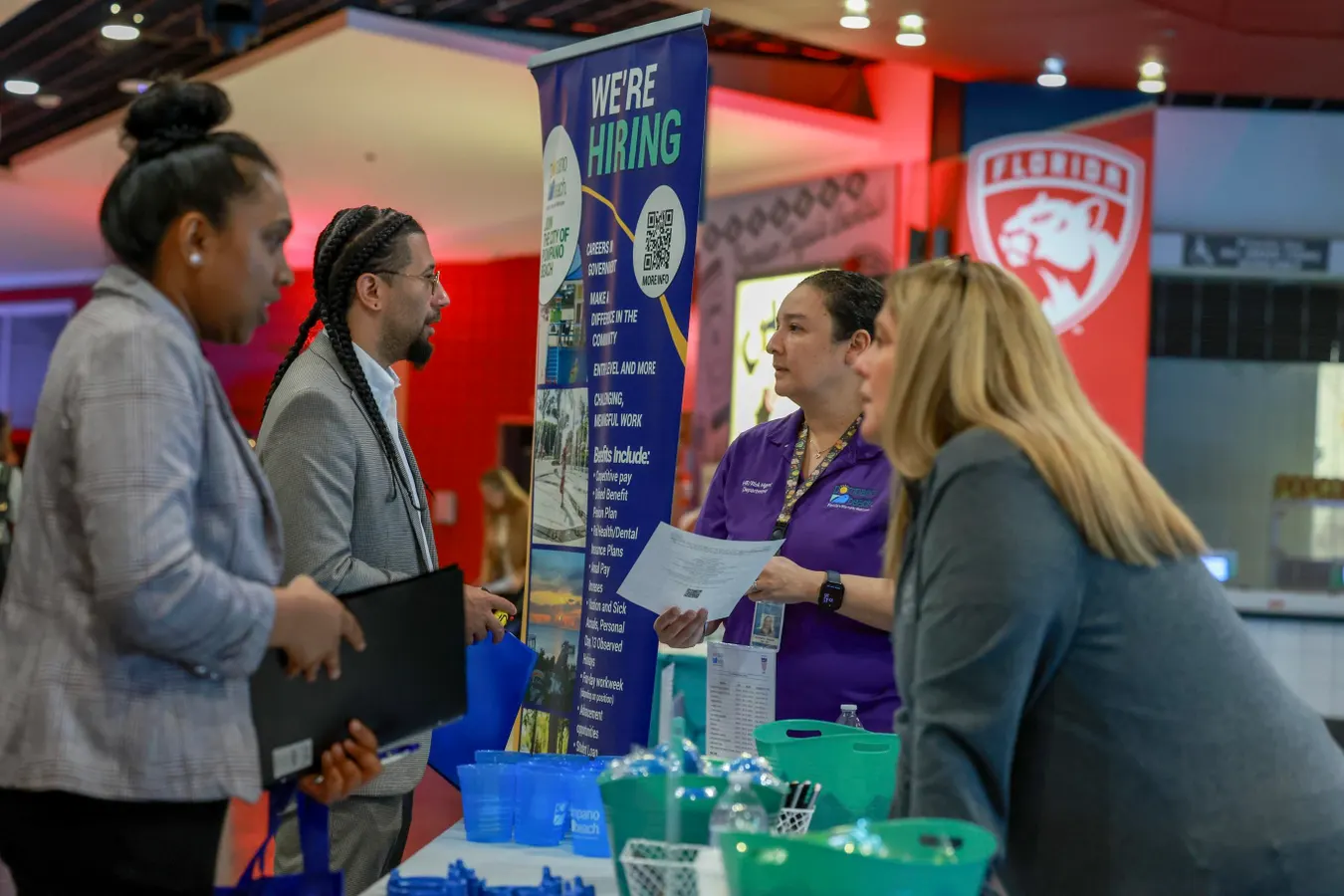
As Ai impacts the economy, professionals who command a premium will increasingly be those who contribute qualities that are difficult to commoditize.
907 words~4 min read