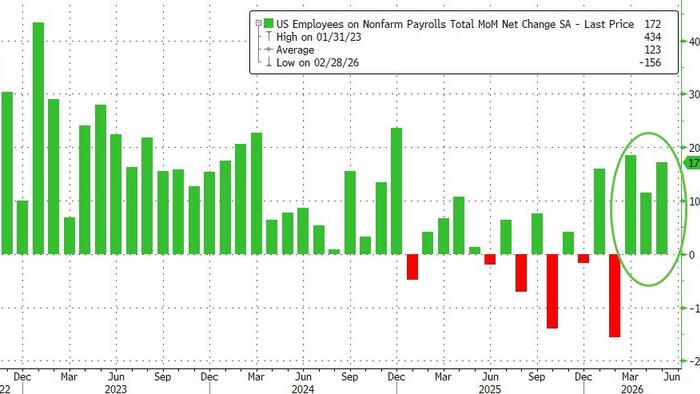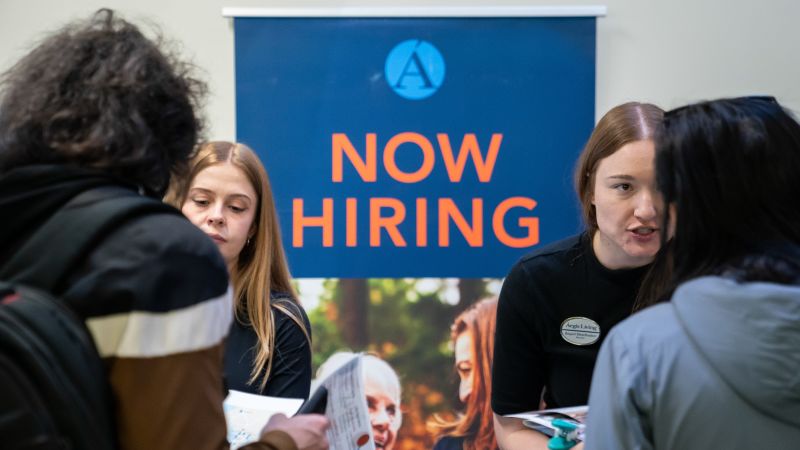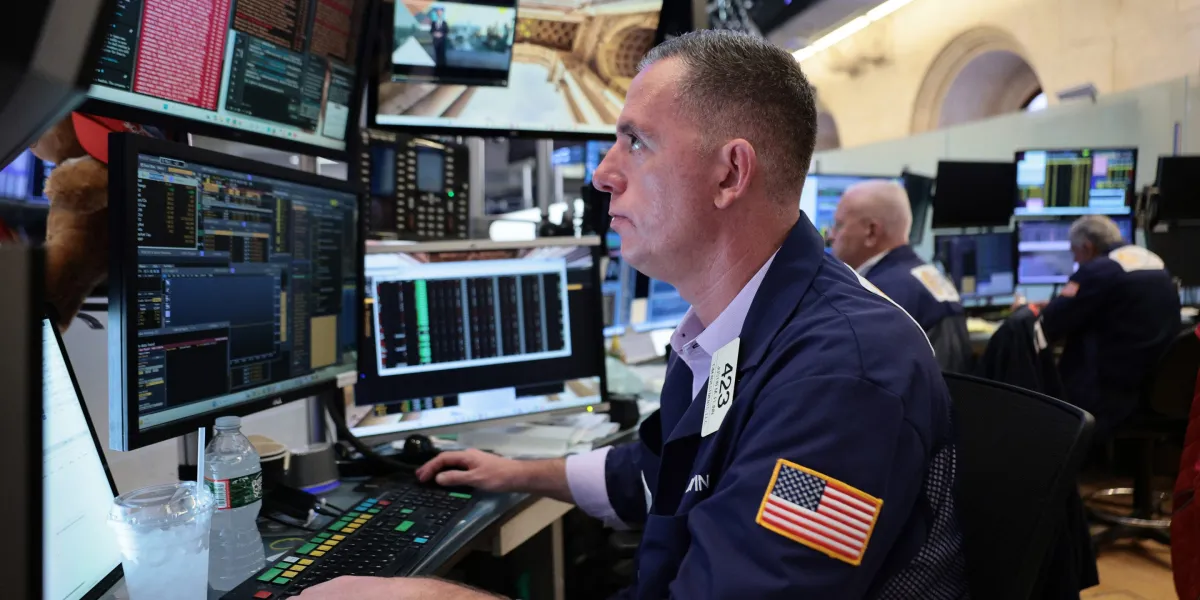
The Bureau of Labor Statistics delivered what, on its face, looked like a gift Friday morning. Employers added 172,000 jobs in May — nearly triple what Goldman Sachs had forecast and well above Wall Street’s consensus of roughly 89,000. It was the third consecutive month the labor market beat expectations, and by the time the number hit terminals, commentators were already reaching for superlatives.
But some of the sharpest minds parsing the data weren’t celebrating. Beneath the headline, they found a labor market quietly fracturing along fault lines that don’t show up in the big beat: AI-driven displacement accelerating in high-skill sectors, a Fed now more likely to hike than cut, and a jobs boom that’s leaving entire categories of workers behind.
Here are the takeaways from analysts across Wall Street and portfolio managers nationwide — and why the hiring crisis hiding inside this strong report may be the most important economic story of 2026.
1. The Fed is now more likely to hike than cut
For months, markets priced in a Fed that was one bad jobs report away from cutting rates. This report buried that thesis.