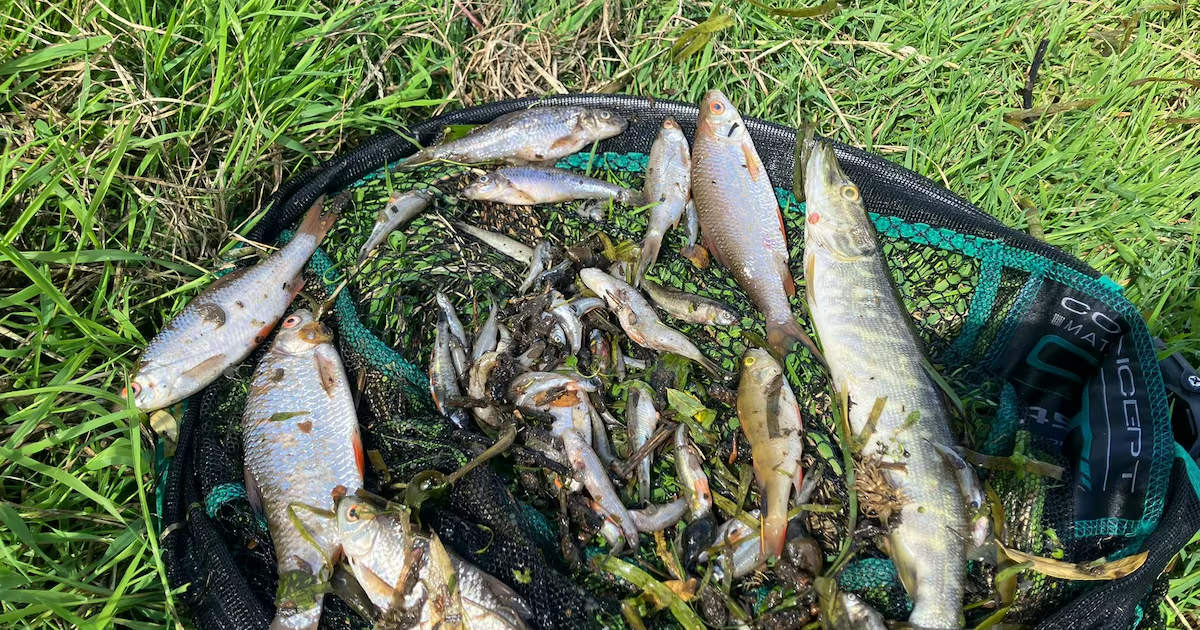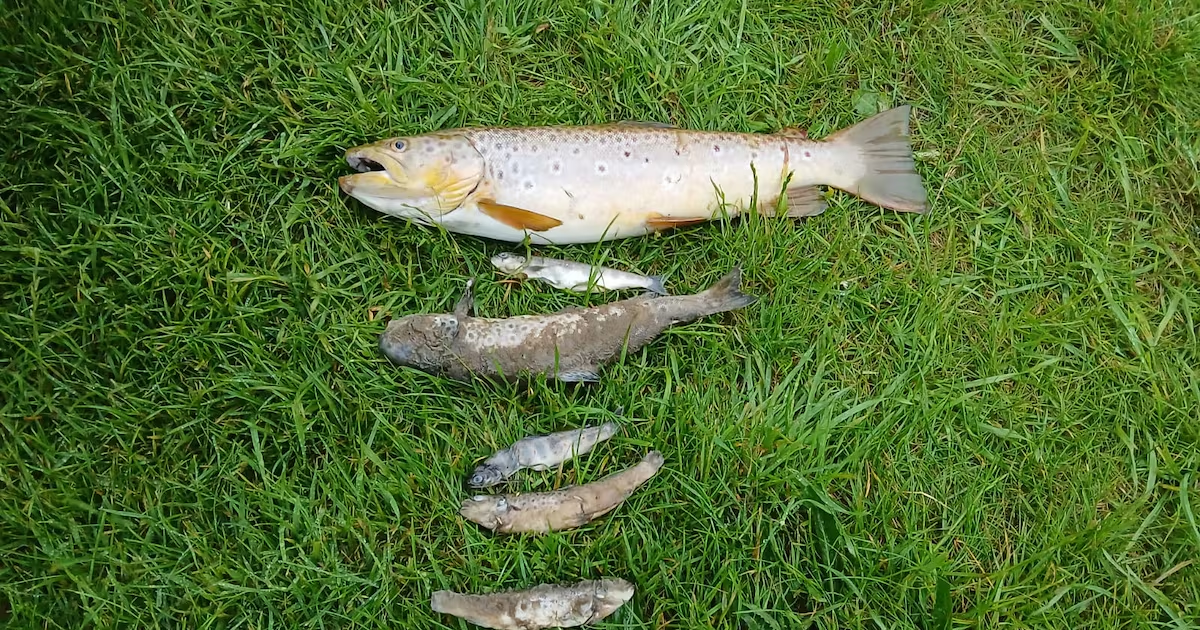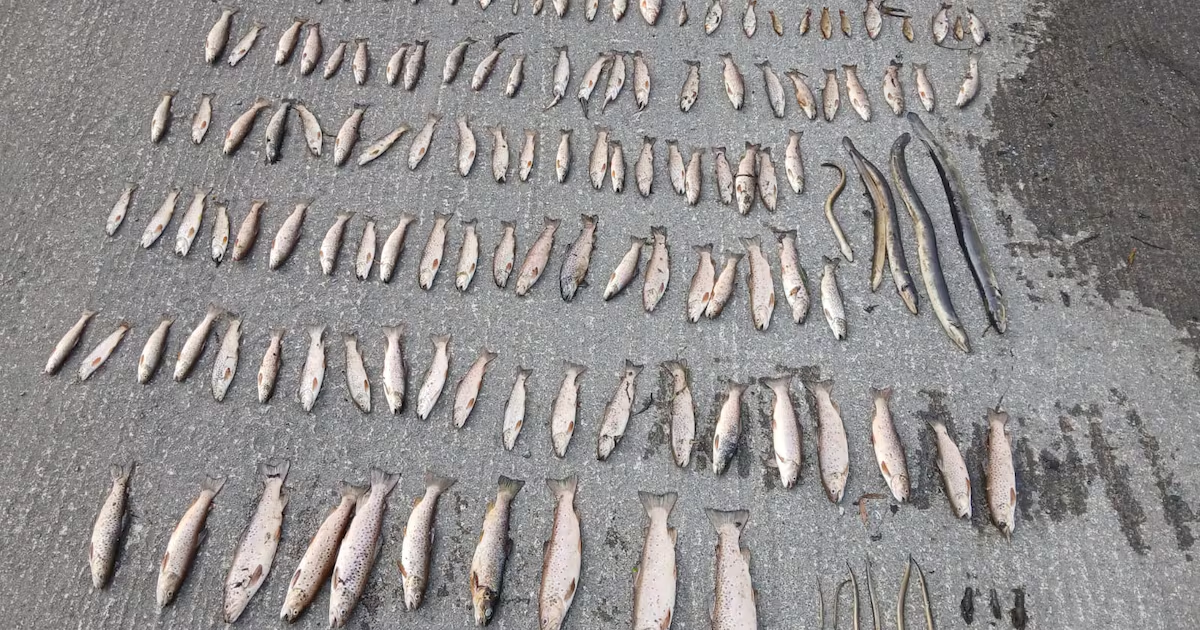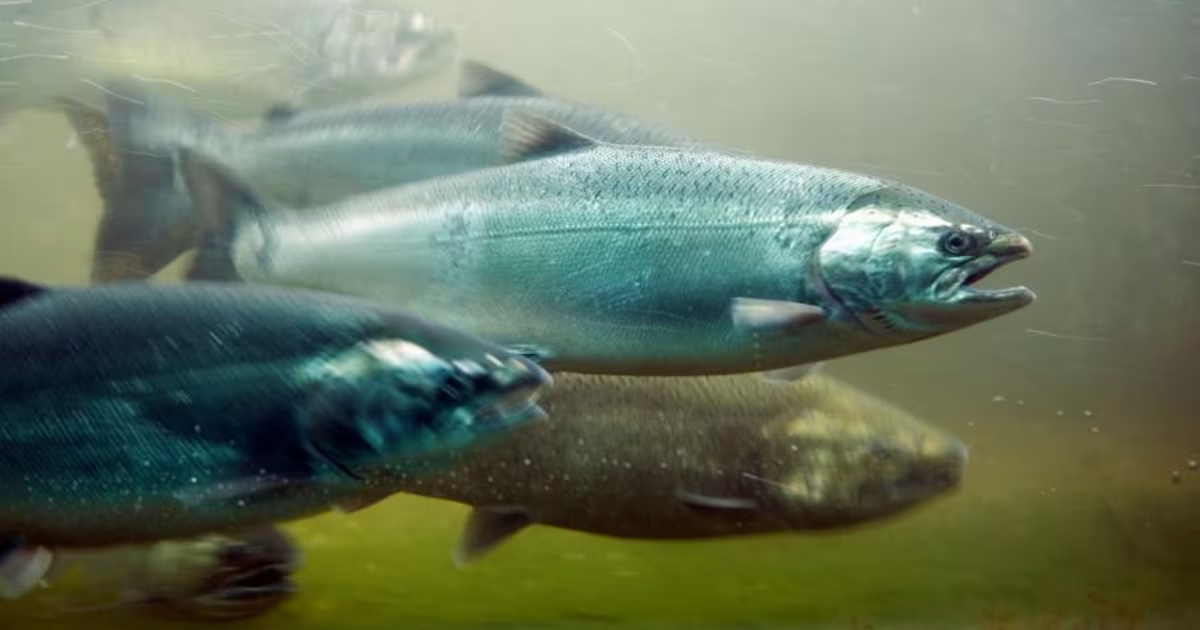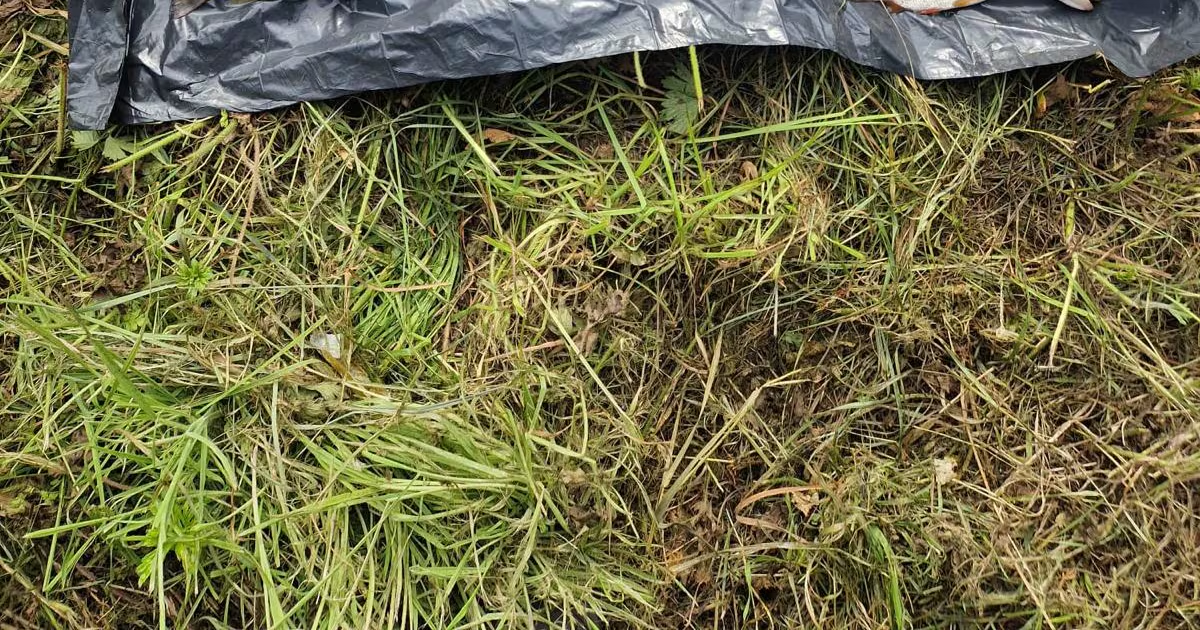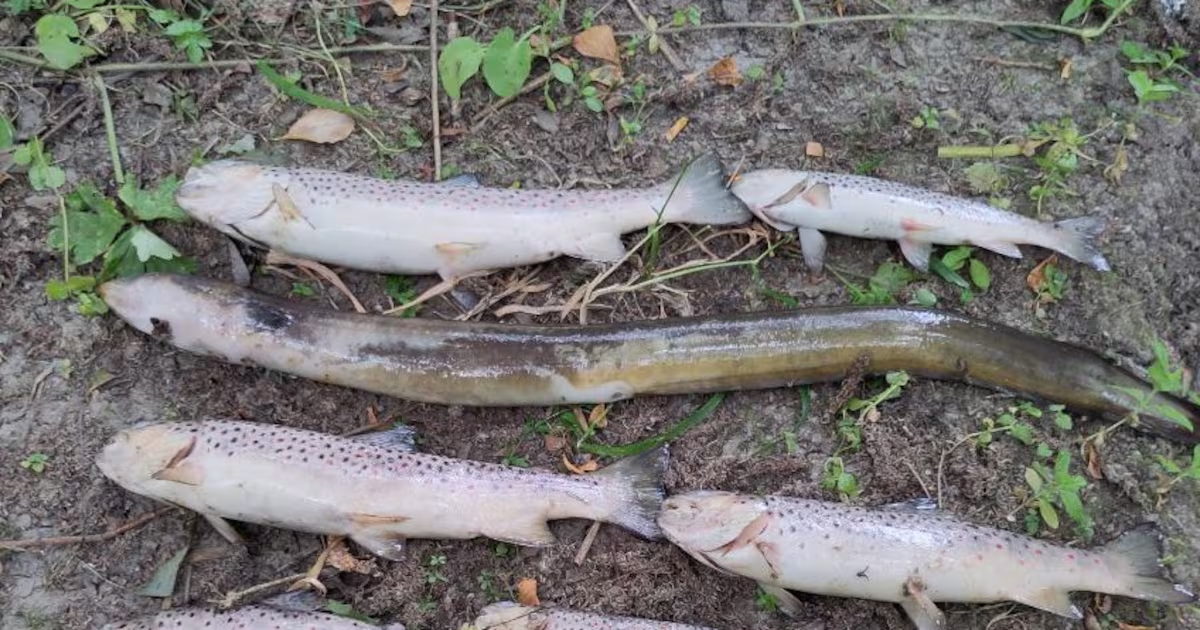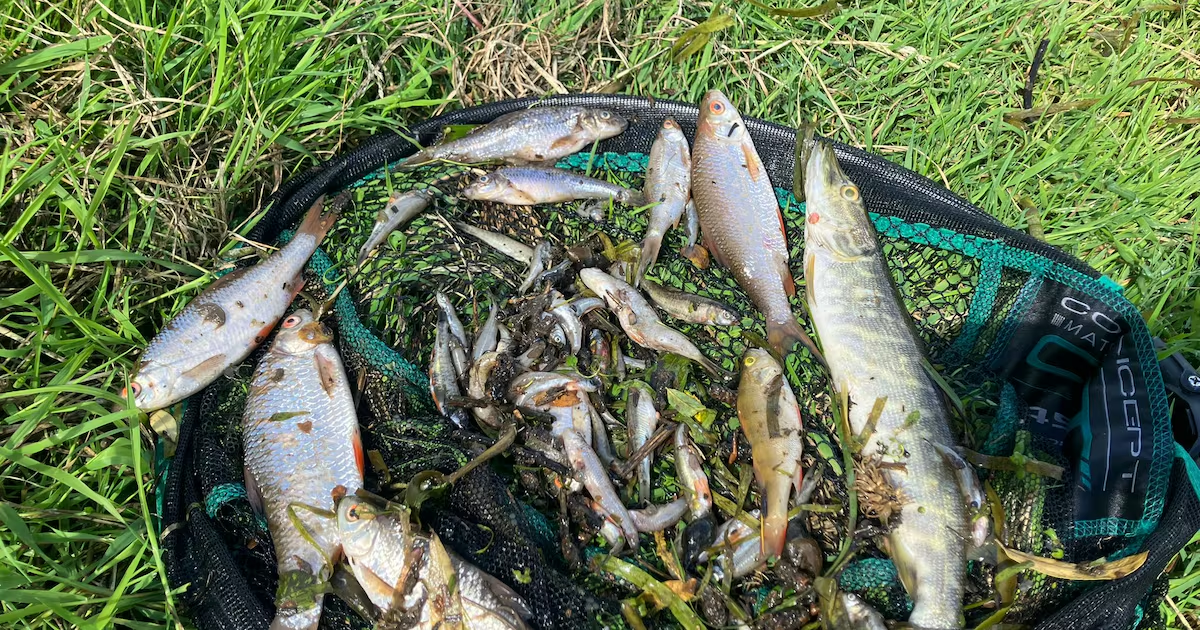
The number of fish killed by agricultural pollution in a Co Louth river is now estimated at more than 20,000, making it one of the worst fish kills on record in Ireland. About 25km of the Glyde river, stretching from Aclint Bridge in Co Monaghan to Lynns Weir, Castlebellingham, Co Louth, has been affected. The river is little more than 35km in length in total.Inland Fisheries Ireland (IFI) said the source of the pollution had been identified as “agricultural discharge” and had been stopped. However, that was too late for the thousands of fish killed which include Atlantic salmon – a species already under severe threat after populations plummeted in the last few decades. Brown trout, eel, pike, minnow and other freshwater fish species are also among the mortalities. IFI said water tests had been taken and results are expected back within two weeks which would form part of a file being prepared for a potential prosecution. “Separately, Louth County Council has been monitoring oxygen levels in the river Glyde and is satisfied the incident is clearing, with levels returning to normal,” IFI said. “The council has liaised with Uisce Éireann, which has confirmed that there are no issues affecting water for public abstraction. “The Tallanstown water treatment plant [which is in the vicinity of the incident] was decommissioned over a year ago and there are no other public abstraction points in the area.” The Glyde discharges into Dundalk bay at Annagassan but IFI said no impacts on coastal waters or bathing water sites had been reported. It said Louth County Council would continue to carry out weekly monitoring in line with its obligations under the bathing water regulations. Louth Labour TD Ged Nash said members of the local anglers’ association were devastated by the incident. The river has suffered smaller pollution incidents in the past and fishing for salmon and trout has been maintained on a catch-and-release basis to help preserve the stocks. “Stocking this river has been no easy task and the association does a fantastic job of managing the fish population in the Glyde and working with all stakeholders,” Nash said. “I hope the investigation will be swift and thorough. Frankly, I am losing patience with the relaxed attitude we have taken in this country to the regular and systematic pollution of our waterways. “We cannot continue to treat our watercourses as effective dumping grounds.” IFI asked members of the public to exercise caution when working near water bodies at this time of the year to prevent any pollution incidents. The agency also urged the public to report any incidents of concern to its to its confidential 24/7 number, 0818 347424.
More than 20,000 fish feared killed in pollution incident in Co Louth river
Inland Fisheries Ireland says source has been identified as agricultural discharge
444 words~2 min read