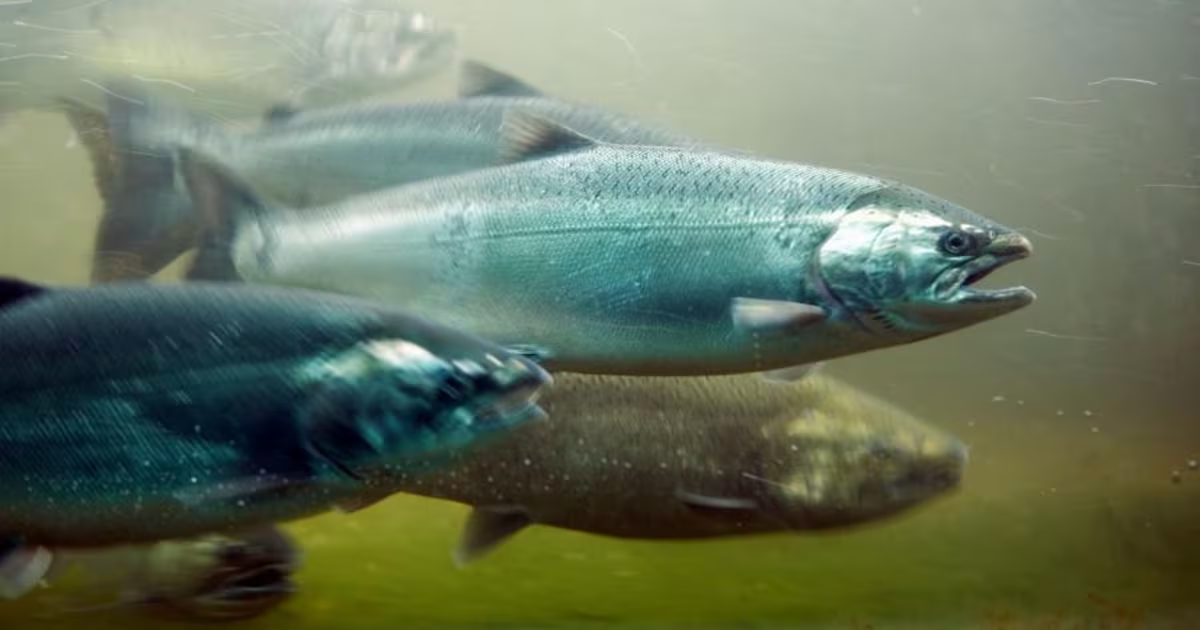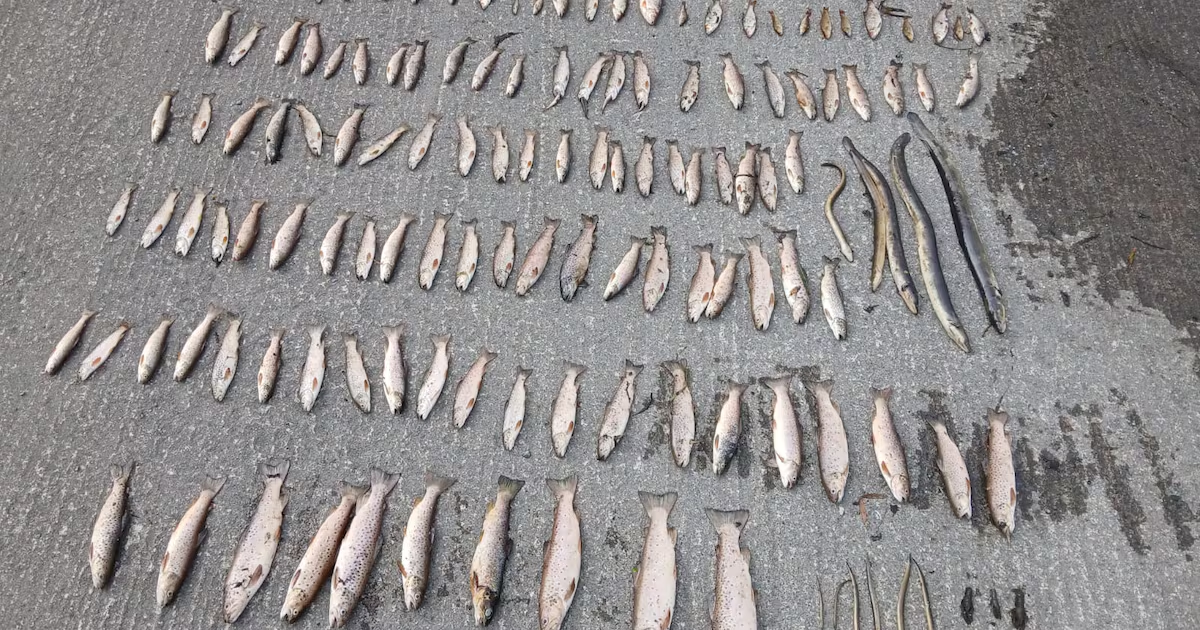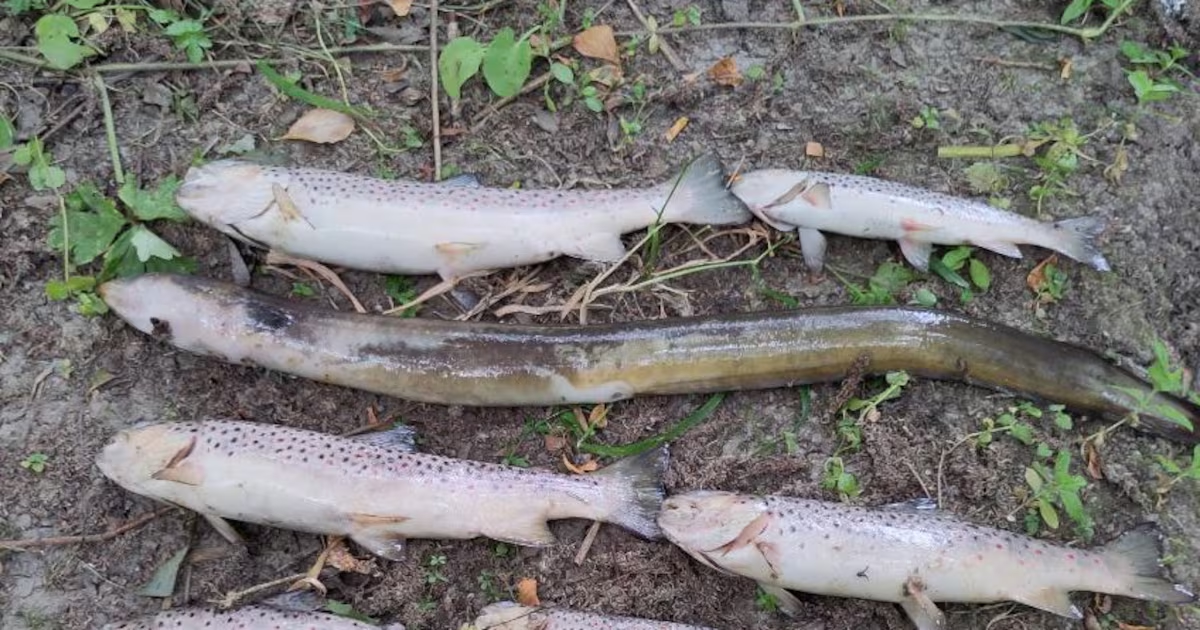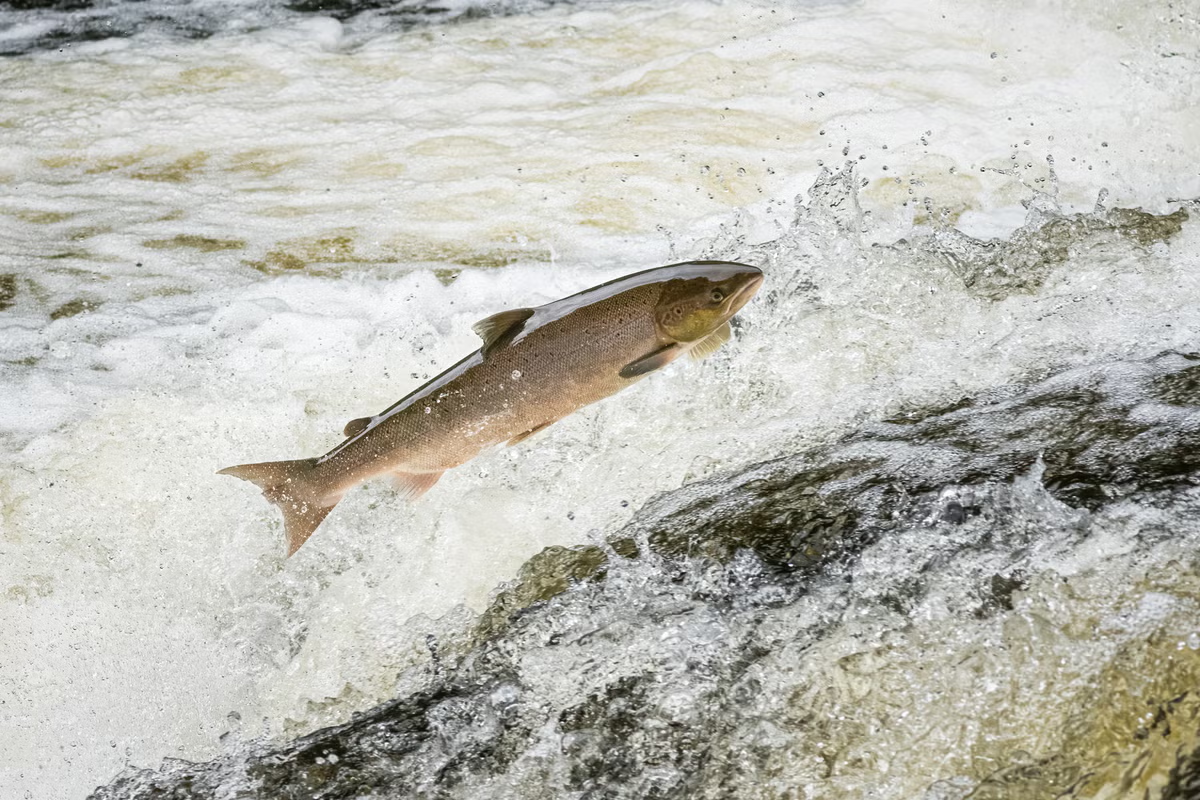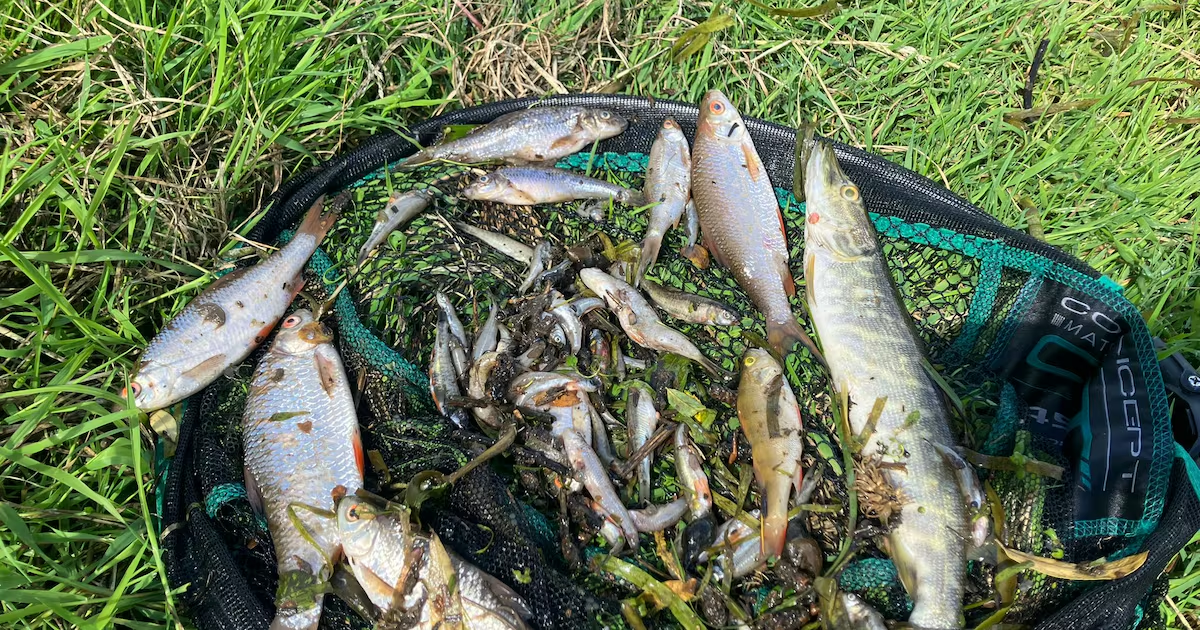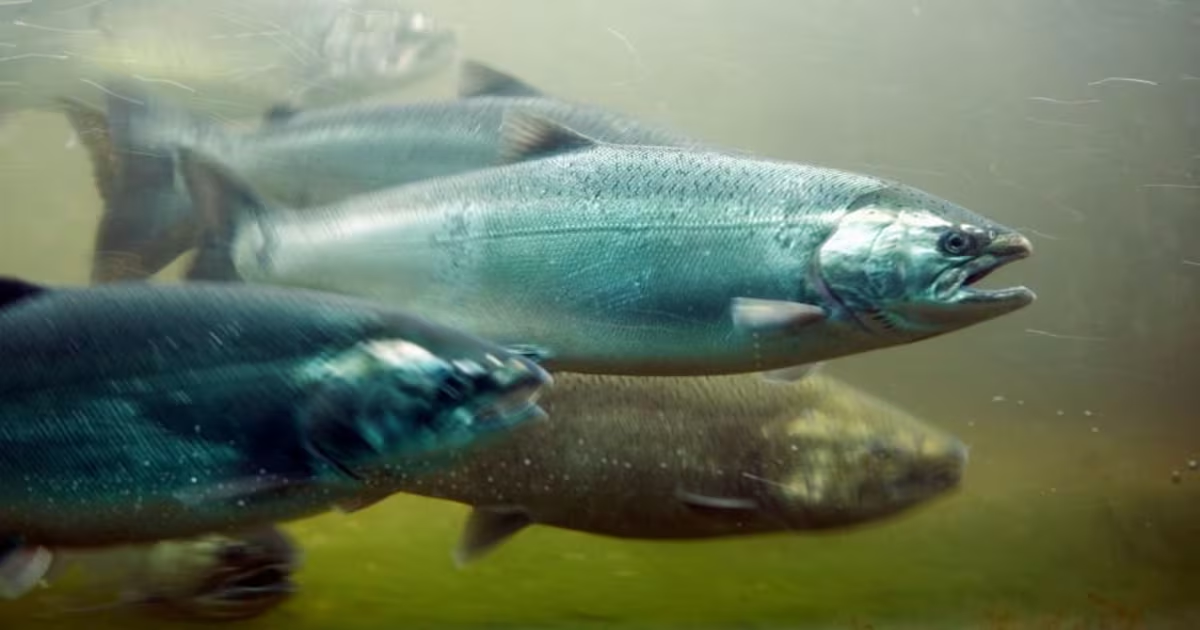
The dramatic fall in Atlantic salmon numbers since the 1970s provides the clearest example of the serious deterioration of the quality of Irish freshwater lakes, rivers and estuaries in the past half-century, the Oireachtas Joint Committee on Fisheries will hear on Tuesday. In its opening statement prepared for Tuesday’s meeting, the Angling Council of Ireland has stated that as many as two million adult fish returned annually to Irish rivers during the 1970s but today’s rate of return is far below that. “Current estimates suggest annual returns of fewer than 150,000–250,000 fish, representing a decline of approximately 90 per cent over five decades,” the council said. The council is one of a number of bodies and agencies that will discuss pollution in Irish fresh waterways and the impact on freshwater fish and other aquatic species. Sea-trout populations have experienced similar pressures, with a substantial fall in numbers over the period. “Aquatic invertebrates such as mayflies, stoneflies and caddisflies, which form the basis of freshwater food chains, have also declined in rivers impacted by nutrient enrichment, sedimentation and habitat degradation. “Salmonids (the group that includes salmon and trout) and aquatic invertebrates are internationally recognised indicator species, and their decline serves as a warning that wider ecological deterioration is occurring.”The Sustainable Water Network has said Ireland has lost a quarter of its high-status water bodies in the past 15 or 16 years. In her opening statement, its vice-chair, Elaine McGoff, also the head of advocacy with An Taisce, said agriculture was the primary driver of those declines, with nitrogen pollution particularly acute in the south and southeast, along with phosphorus pollution from urban wastewater and agriculture.McGoff is critical of the continuation of the exemption from the nitrates directive, which has been in existence for more than 30 years. [ The Irish Times view on nitrates and waterways: procrastinating towards disasterOpens in new window ]“Nitrate pollution is particularly problematic because, unlike phosphate, we don’t have any evidence-based measures in place to address it.“Physical barriers like riparian buffers don’t work for nitrates, which drain directly down through the soil.”The State still cannot clearly demonstrate that the measures being relied on are capable of delivering the reductions needed at catchment scale, McGoff said.“This is compounded by poor compliance: the EPA reported 43 per cent noncompliance with the ‘good agricultural practice’ Regulations last year, meaning that even where measures exist, they are not being implemented reliably enough to protect water.”[ Ireland’s ‘best rivers’ continue to deteriorate in water qualityOpens in new window ]The statement is also highly critical of Uisce Éireann’s failure to meet licensing standards in 59 per cent of its active wastewater discharge licences. The Angling Council will also tell committee members that fish kills continue to be a serious indicator of declining water quality in Ireland.[ Ella McSweeney: Wild salmon are on the verge of extinction. There is not one fish to spareOpens in new window ]“Between January 2023 and July 2024 alone, Inland Fisheries Ireland recorded 30 fish kill incidents resulting in the deaths of almost 19,000 fish, including Atlantic salmon, trout, eel and lamprey.[ Endangered salmon among victims of ‘significant’ fish kill in Co LouthOpens in new window ]“One big pressure comes from agricultural drainage and the overuse of fertilisers, particularly nitrogen and phosphates. These nutrients enter our waters through runoff and drainage, contributing to algal growth, oxygen depletion and the deterioration of habitat essential for fish and other aquatic life.“Peat extraction, whether by Bord na Móna operations or private individuals, is another serious issue. Silt runoff from peat cutting and land disturbance enters rivers and streams, smothering gravels, damaging spawning beds and devastating fish and invertebrate habitats.”The council says the extraction of fresh water from our rivers and streams is also a big concern, particularly during drought conditions. It has also pointed out that Ireland has become a destination for invasive species. “The river Shannon now supports a population of 34 different invasive species, highlighting the vulnerability of our waterways,” it says.
Pollution has led to huge drop in salmon and trout numbers in Ireland, Oireachtas to hear
‘Salmonids’ decline serves as a warning that wider ecological deterioration is occurring,’ Angling Council of Ireland says
662 words~3 min read