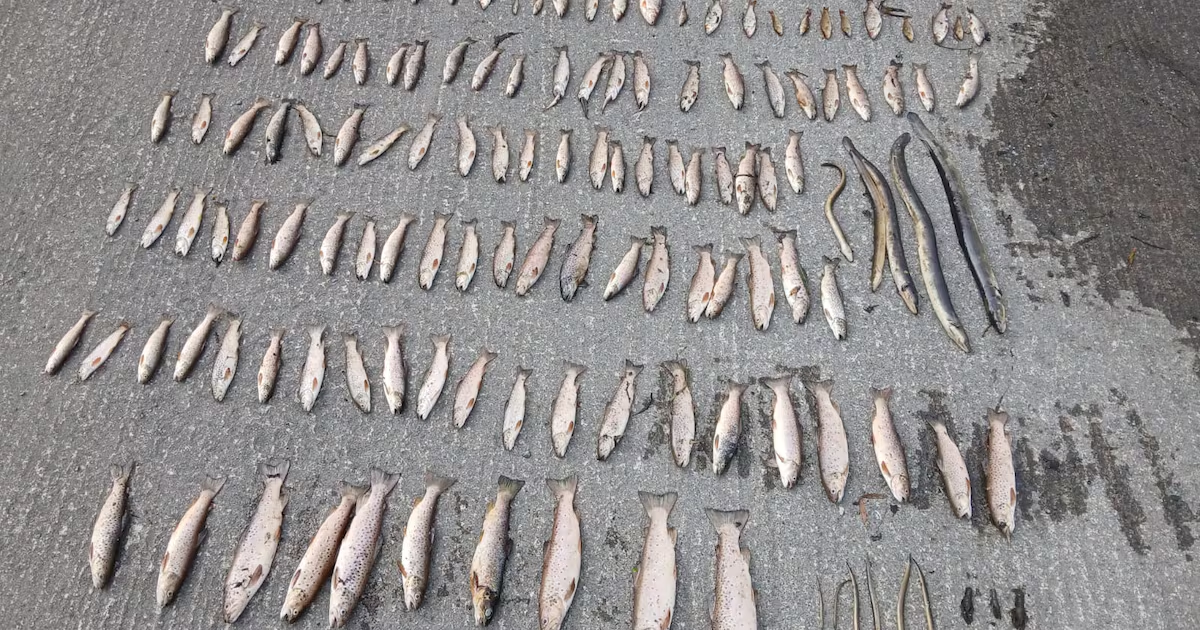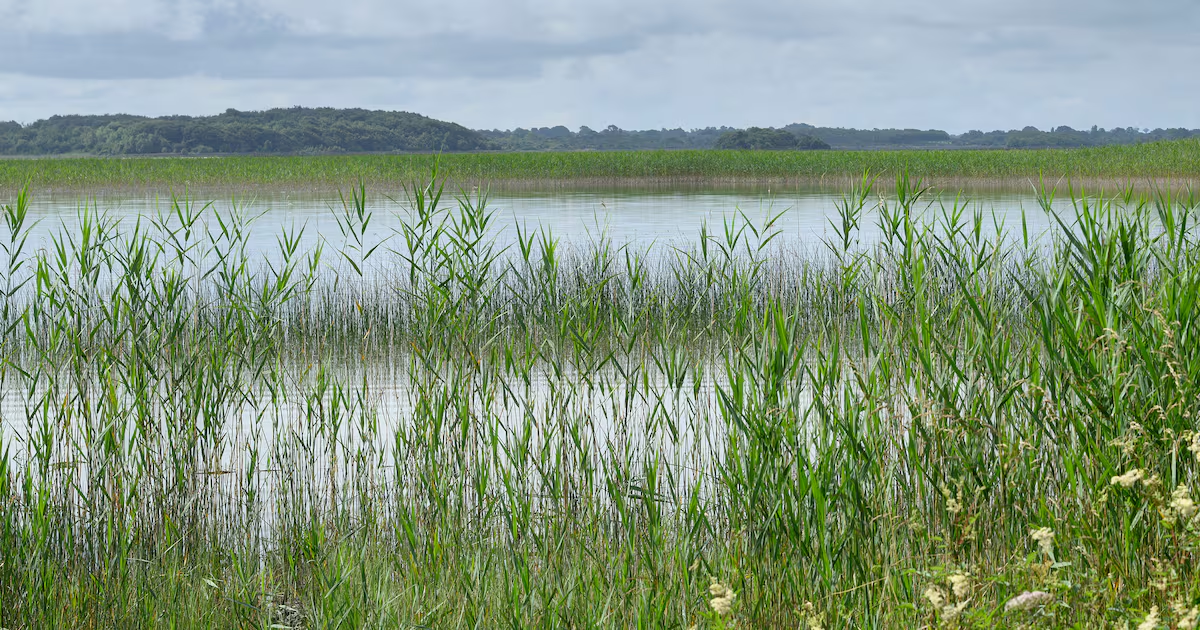
There is a colloquial truth that “everything ends up in the river, sooner or later”. Water bodies eventually carry all the waste products of our activities on land. The latest report from the Environmental Protection Agency, on water quality in Ireland in 2025, shows that these activities are continuing to impact negatively on the state of Irish rivers and lakes.The news is not all bad, but at the outset the report states that “overall, there has been no real improvement in water quality”. This has to be read in the dire context of a situation where there has been a net decline of 25 per cent in the status of Ireland’s highest quality rivers since 2012. Of these 86 rivers, 77 remained unchanged, eight declined, and only one improved in quality last year. Indeed, the report states early on that the “the very best rivers…continue to deteriorate, and their condition has dropped significantly over the past decade.” Improvements have occurred in some catchments, but these have generally been offset by declines in others.What is causing most of the problems in our rivers and lakes is well known. The report sets it out very clearly: “The main reason…is ongoing pollution from nutrients, particularly nitrogen and phosphorus. These substances mainly come from human activities such as farming, wastewater discharges and run-off from land. Too much of these nutrients get into rivers, lakes and coastal waters, where they…can reduce oxygen levels, damage habitats and harm fish and other aquatic life.”This damage has been seen most dramatically in the choking by nitrates of Our Lady’s Island Lake in Wexford, but the problem affects many other water bodies.In this situation, it is unacceptable that the Government – and the EU has yielded to agricultural interests in actually extending the derogation from the Nitrates Directive for Irish farmers for another three years. Reversing the decline in quality of Irish waterways means moving in the other direction, as well as significantly reducing our current excessive levels of wastewater discharges.
The Irish Times view on Ireland’s waterways: stuck in an unacceptable status quo
What is causing most of the problems in our rivers and lakes is well known
332 words~2 min read