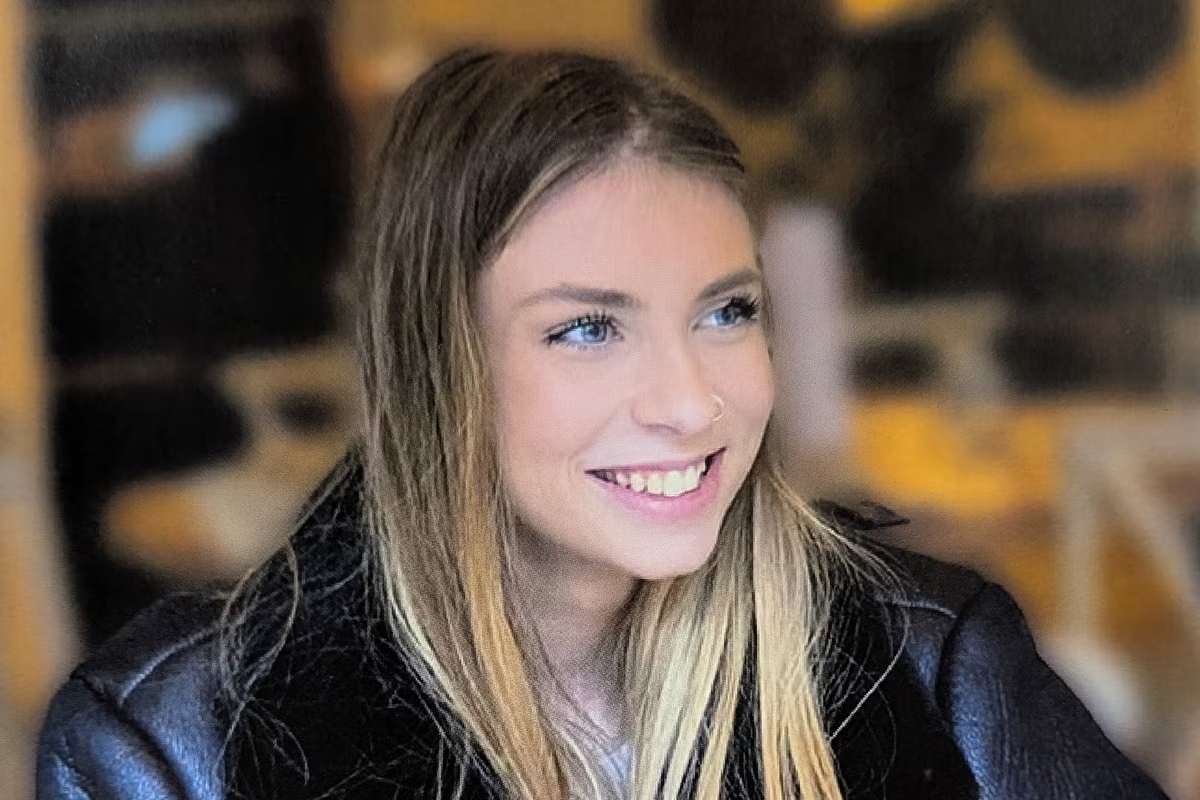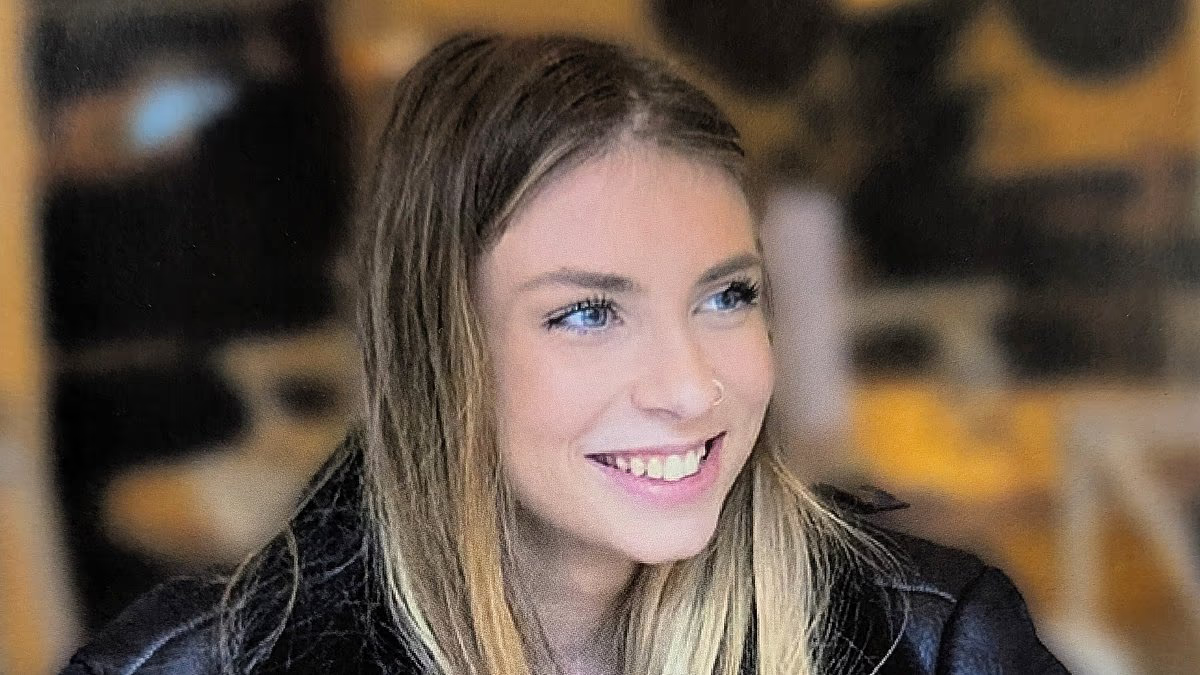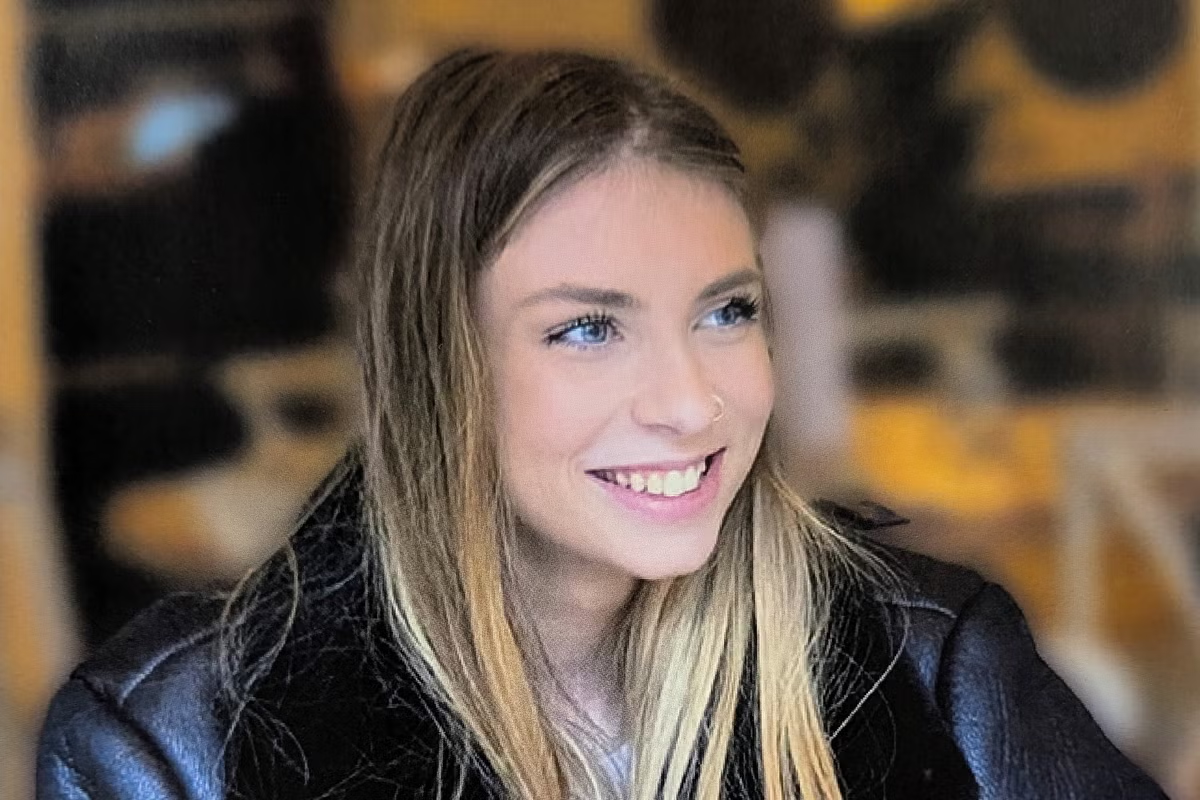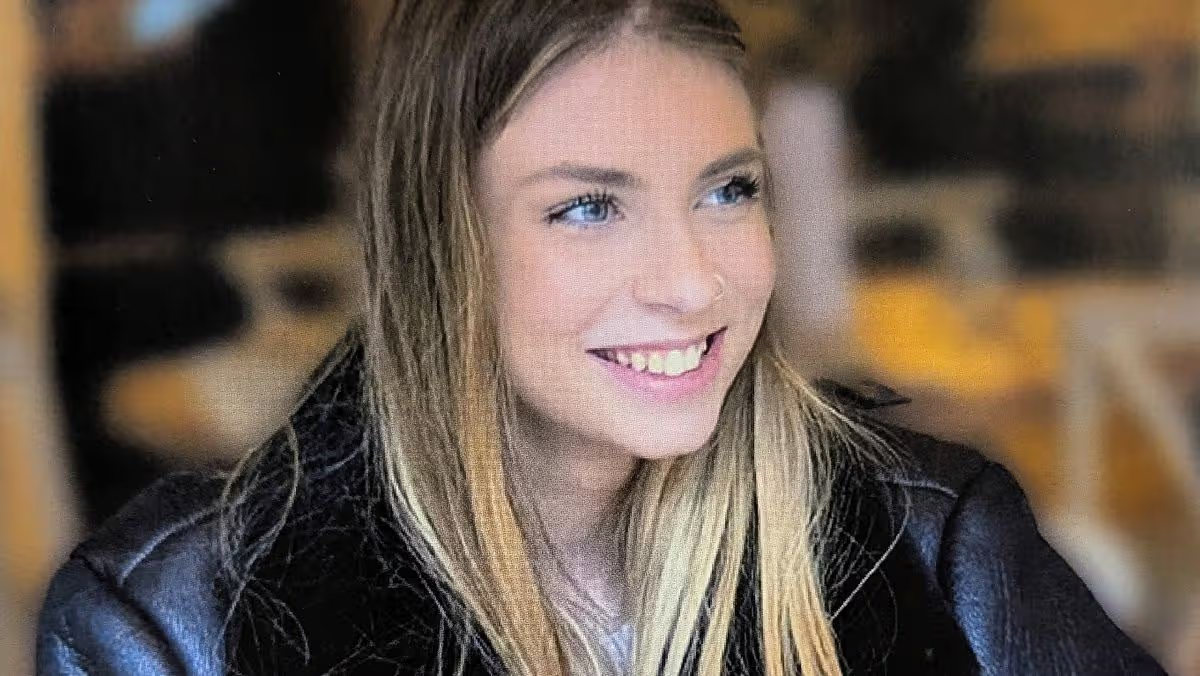
Isabelle Sapherson-Moralee, known as Izzy, died after her body shut down having taken the class B drug ketamine over the past five years, an inquest has heard17:32, 04 Jun 2026A mother has told an inquest of her harrowing battle to save her 22-year-old daughter from ketamine abuse before she died in agony.Isabelle Sapherson-Moralee, who was known as Izzy, died after her body shut down having taken the class B drug for the past five years.Her devastated mum Ann Moralee battled for 18 months to get help for Izzy and tried to warn health officials that her daughter would die from it.Izzy suffered from chronic pain as well as a damaged bladder due to her addiction, "went home to die" after she discharged herself from hospital two days before she died. While at home and being cared for by her mum, Ms Moralee begged her daughter to let her call an ambulance.She told her daughter's inquest: "I kept asking her, please let me phone an ambulance but she said 'no more hospitals mum, I can't do it anymore'."She knew she was dying that last 48 hours. She died 36 hours after she got home. She was freezing cold, shallow breathing. I checked on her and she was cold."The mother said when she doing CPR and on the phone to 999 she told the call handler: "I said she's going to die, I told everybody she was going to die and now here we are and she's dead."Ms Moralee, a flight attendant and former nurse, added: "I have saved a lot of lives in my career, both as a nurse and flight attendant, but ultimately I couldn't save my daughter."There has been an alarming rise in ketamine abuse by young people in the UK over the last few years. Figures show that since 2015 ketamine usage has increased by 251.85 per cent, the greatest increase in the use of a single drug in that period.Ketamine, also known as 'K' and 'Special K', has been linked to dozens of student deaths over the past few years. Izzy, who worked as an estate agent, started taking the drug regularly during the Covid lockdowns in 2020 when she moved in with her boyfriend.Ms Moralee, from Wimborne, Dorset, said she did not discover her daughter had been taking it until the end of 2023 when it had gotten "out of control and she couldn't hide it anymore". The drug use had damaged Izzy's bladder and caused her to become incontinent about a year before she died.Her mother said it was so bad she spent £500 a month on incontinence pads and Izzy had to stop working about six months before her death. Ms Moralee told the inquest she felt health officials could have done more to help her daughter and had "missed opportunities."After a bad experience with a urologist at Salisbury District Hospital who Ms Moralee said was "vile" to Izzy, she said her daughter no longer trusted doctors. Izzy was admitted to hospital in March but even then and despite her poor health she was still able to get hold of and take ketamine.Ms Moralee said: "In her last hospital stay she was caught on the ward twice with ketamine, I followed her out of the building and tried to get the number plate of whoever was supplying my sick child with ketamine." Izzy was then admitted to A&E on April 24 last year before discharging herself.Izzy's cause of death was given as respiratory depression due to combined severe morphine and gabapentin toxicity. Both pain drugs showed higher than normal therapeutic levels in her blood and the gabapentin would have exacerbated the toxic effects of the morphine.The post mortem examination also found she had biliary sepsis, localised sepsis in the liver, which may have been a contributing factor but did not cause her death.The inquest also heard from Scott Davey from Reach, a drug and alcohol support charity that was working with Izzy before her death.Coroner Brendan Allen asked if in his experience users got 'trapped in a vicious cycle' where the ketamine causes damage but users then increase the usage to relieve the pain caused by the damage.Mr Davey said: "Yes, ketamine normally starts as recreational. The dissociative factors of it mean it can be used to mask mental health,external factors going on stresses with family, work. It becomes habitual."It is very cheap, accessible, that plays into it massively. It's not the acute effect, it's the long-term effect where it's done physical damage and then being used to manage the pain, it's a Catch 22."Mr Davey said there had been an increase in ketamine users in the two years he had been with the charity. Ms Moralee added: "Izzy was a beautiful, funny girl, highly intelligent, a talented photographer and dancer."But as beautiful and smart as she was, she was also a master manipulator. The guys (at her GP practice and Reach) did everything they possibly could."Article continues belowThe inquest in Bournemouth continues.
Woman, 22, cried 'I can't do it anymore' before dying from ketamine addiction
Isabelle Sapherson-Moralee, known as Izzy, died after her body shut down having taken the class B drug ketamine over the past five years, an inquest has heard
829 words~4 min read