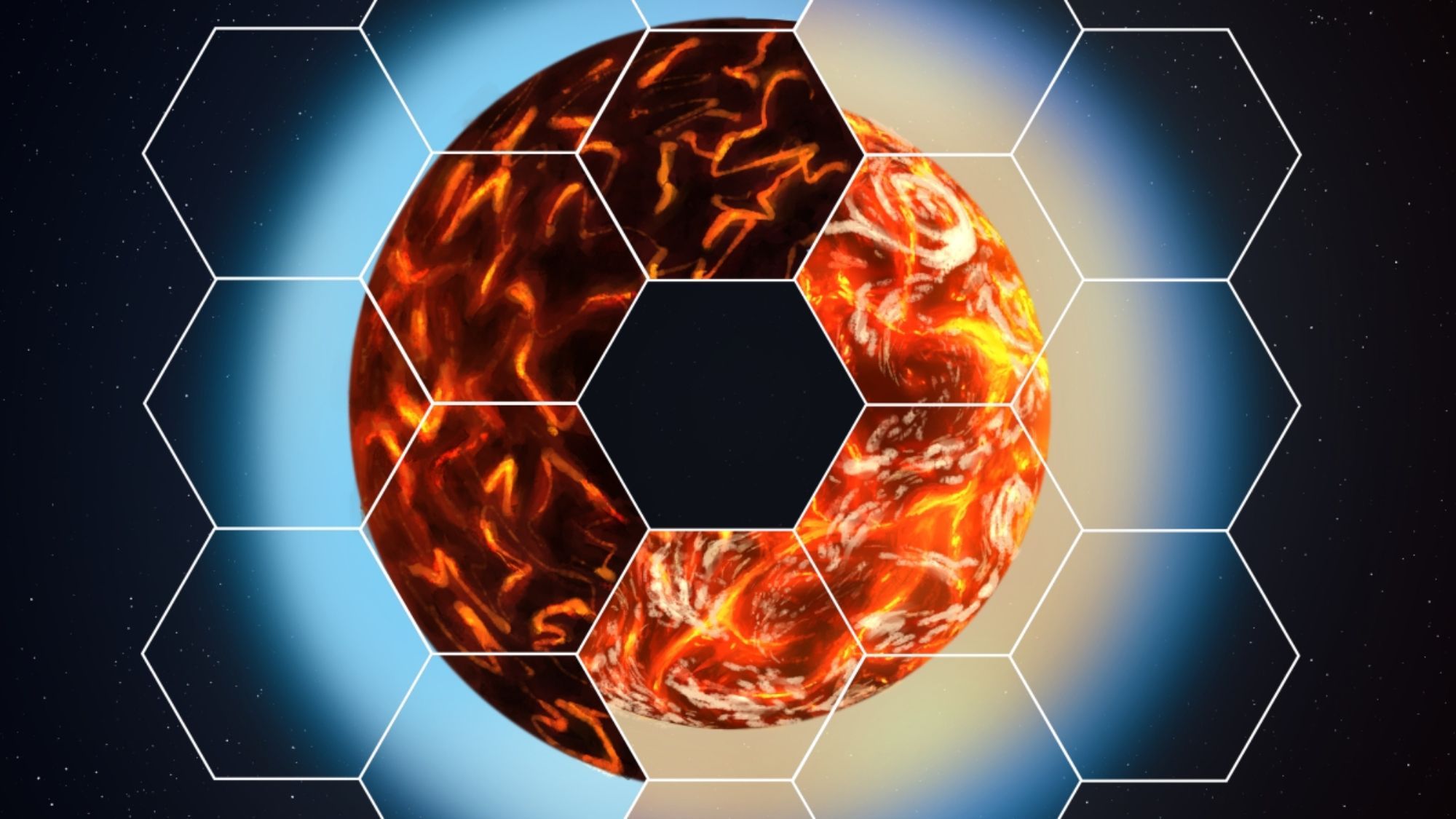
(Image credit: Louise Lerner)
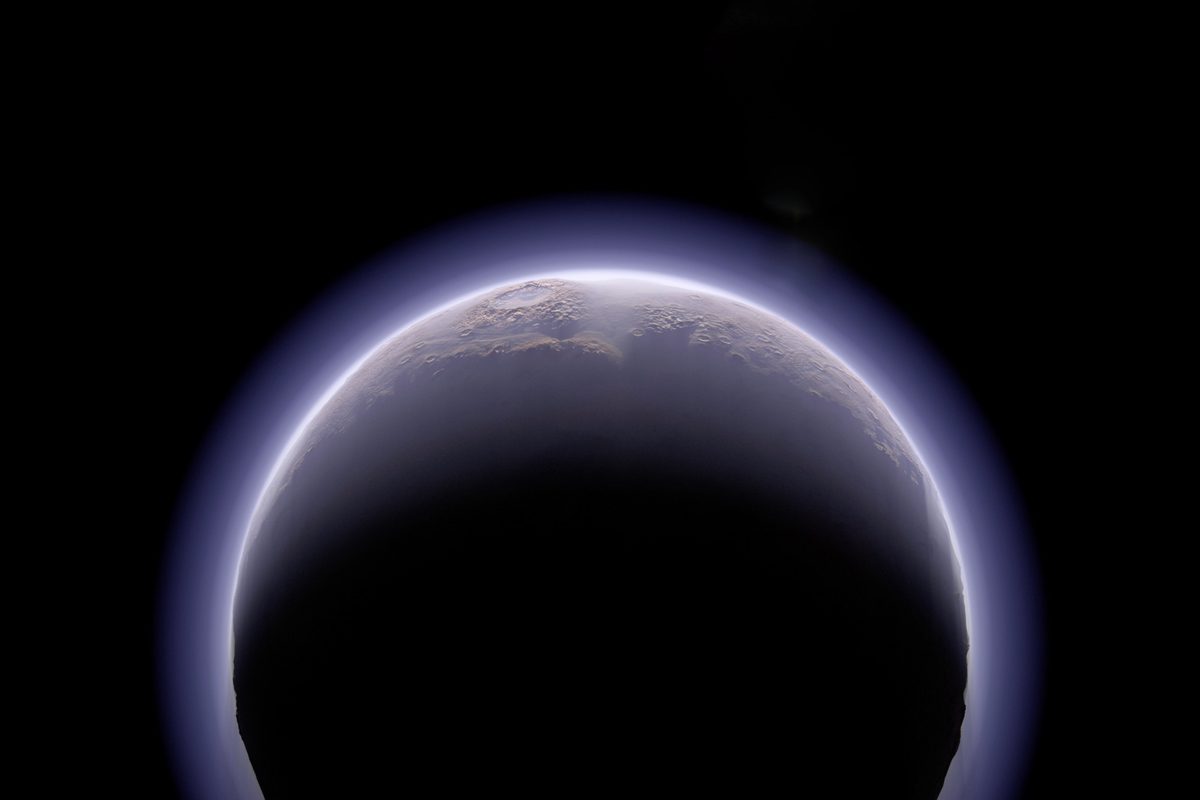
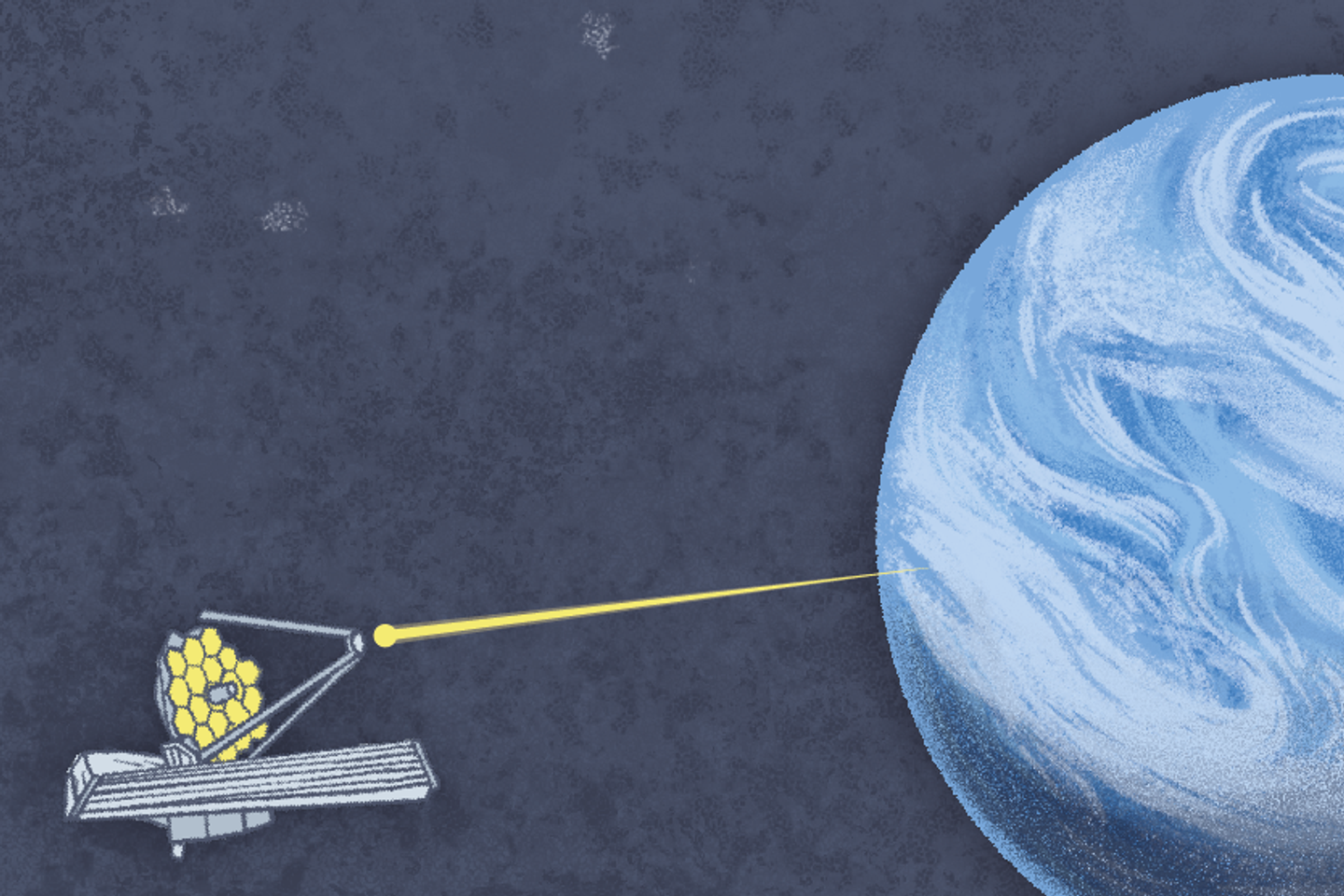
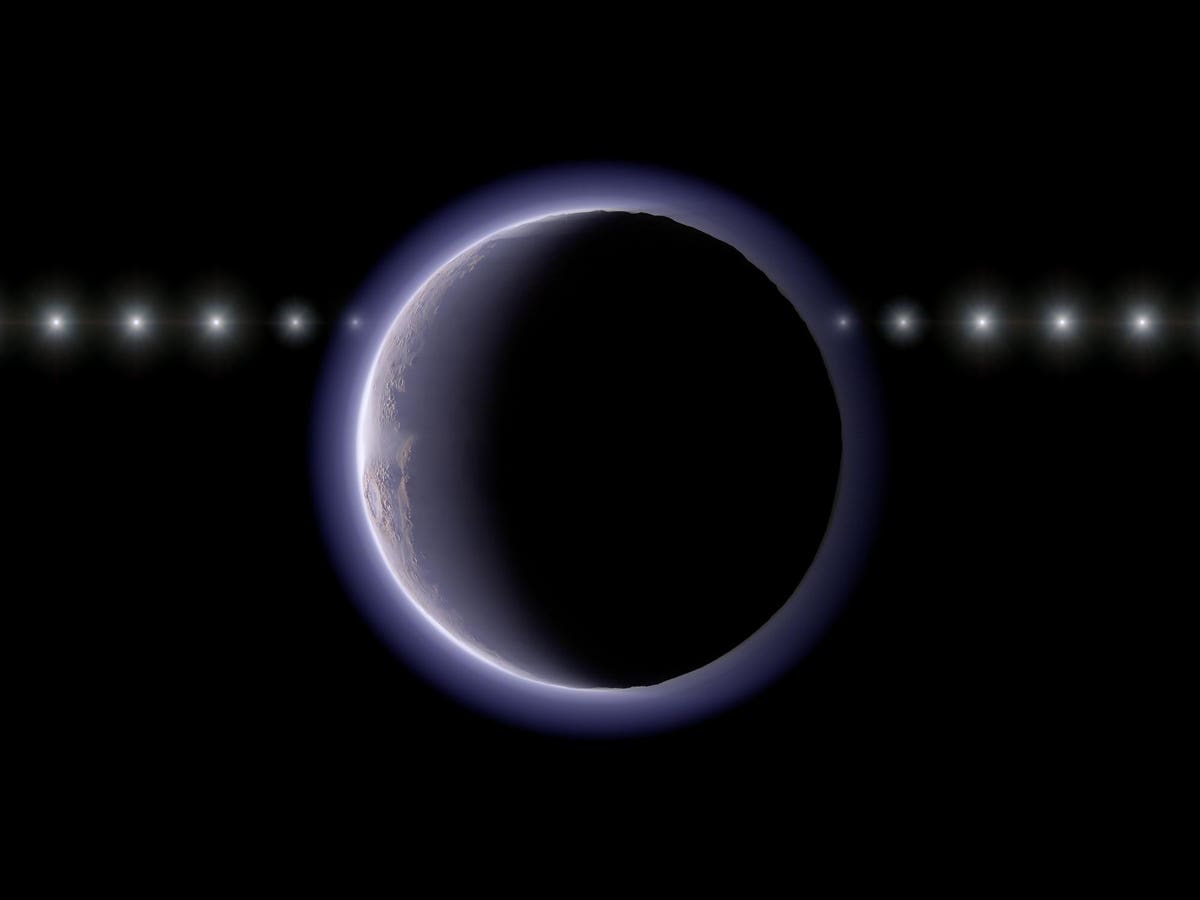
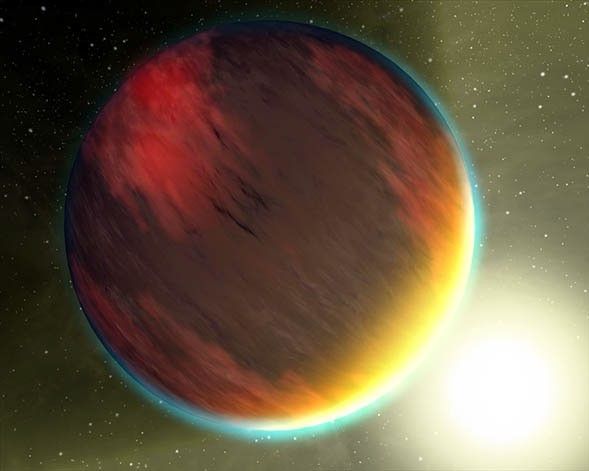
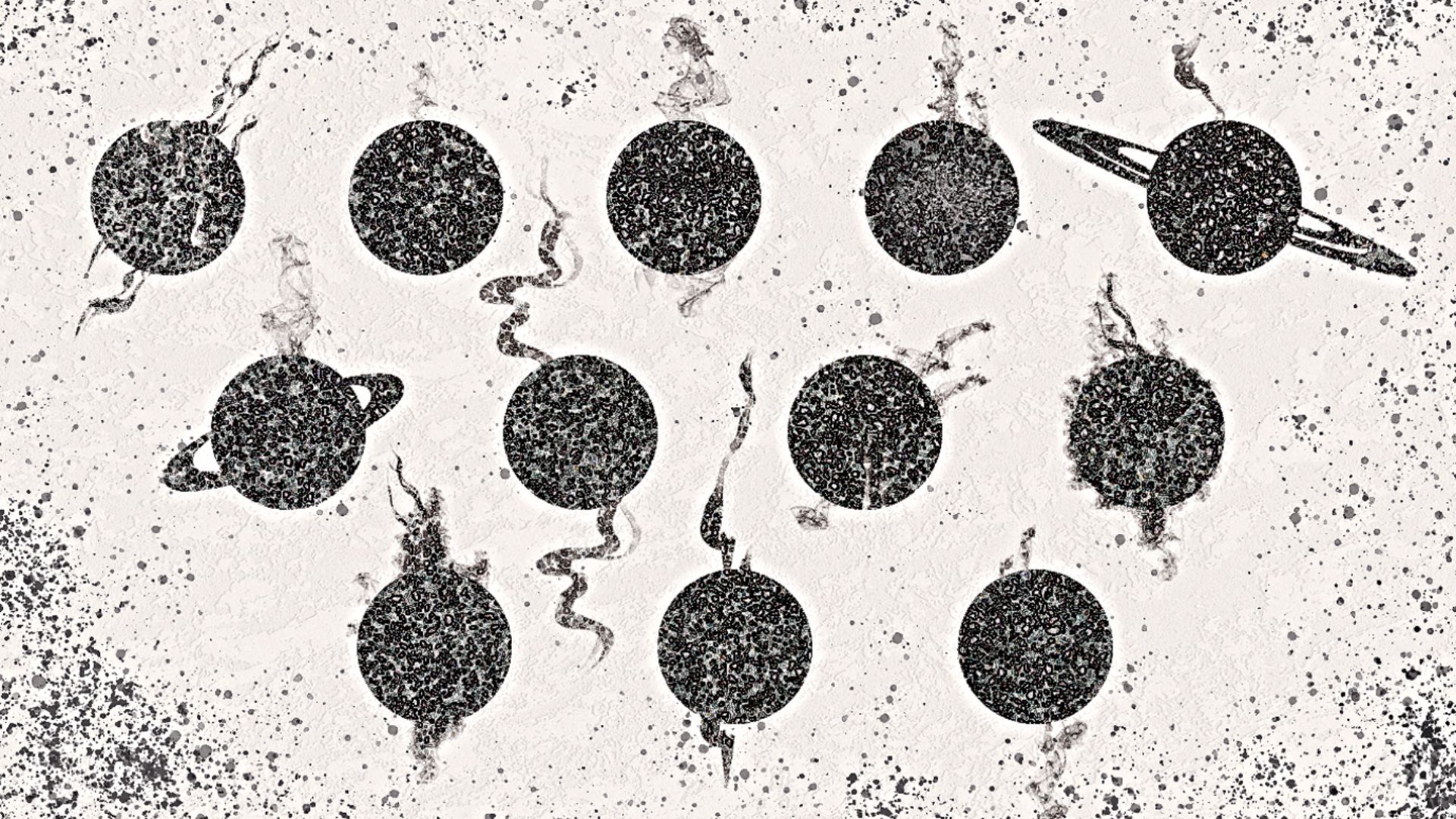
Vast clouds of soot that form in the pressure cooker of mysterious mini-Neptune exoplanets may hold the truth about these worlds' origins."It's like you have a natural diesel engine in the deep atmosphere of a planet," lead author of a study about this research, Jeehyun Yang of the University of Chicago, said in a statement.Yang did his Ph.D. in chemical engineering, studying the exhausts of combustion engines before transitioning to study the chemistry of exoplanet atmospheres. The exhaust fumes of diesel engines are filled with black smoke made up of honeycomb-shaped particles called PAHs — polycyclic aromatic hydrocarbons. PAHs are among the most common carbon-based compounds in the cosmos, and are frequently produced whenever we burn something. (That black char on your burned toast? That's made of PAHs too.)When it comes to chemistry, some exoplanet atmospheres are more enigmatic. Take the mini-Neptunes — worlds in the size range between Earth and Neptune that are found orbiting close to their star. Despite their being the most common type of exoplanet found so far, debate continues to rage over the nature of these mid-size worlds. Are they miniature versions of hydrogen-rich gas giants like Jupiter? Are they literally smaller versions of Neptune and Uranus, rich in volatiles such as water? Or could they be habitable hycean worlds, with a dense atmosphere of hydrogen concealing a global ocean?Nobody knows for sure, and their characteristics could be varied enough that all three may apply. What is agreed upon, however, is that the mini-Neptunes did not form as close to their star as they are seen now; instead they formed farther out before migrating in. If we could answer how far out they formed, it could tell us what kind of world they are likely to be.Unfortunately, probing the chemistry of these worlds' atmospheres doesn't help much, because these atmospheres seem to be opaque, hiding the true composition of the planets. Scientific consensus is that this opaqueness is caused by hazy banks of clouds that are masking the atmospheres, but what kind of aerosol particles are in the clouds?When Yang saw the featureless spectra that the James Webb Space Telescope (JWST) was producing whenever it looked at a mini-Neptune, he noticed a distinct curve in the data that he recognized instantly as like the curve seen in the spectra of soot from a combustion engine.PAHs can form when carbon, hydrogen and oxygen react at high temperatures, often combined with high pressure, just like the conditions deep in the atmosphere of some mini-Neptunes. Yang suspects that the same reactions that take place in a combustion engine could be occurring naturally within certain mini-Neptunes, producing PAHS that amalgamate as clouds of soot that then rise higher into the atmosphere, perhaps driven upwards by thermal convection currents. What we would then see as an opaque atmosphere would in actual fact be hazy, planet-spanning clouds of soot.While the soot would explain why the JWST sees featureless spectra, it could also help solve a much more profound mystery: where did mini-Neptunes form and migrate in from?