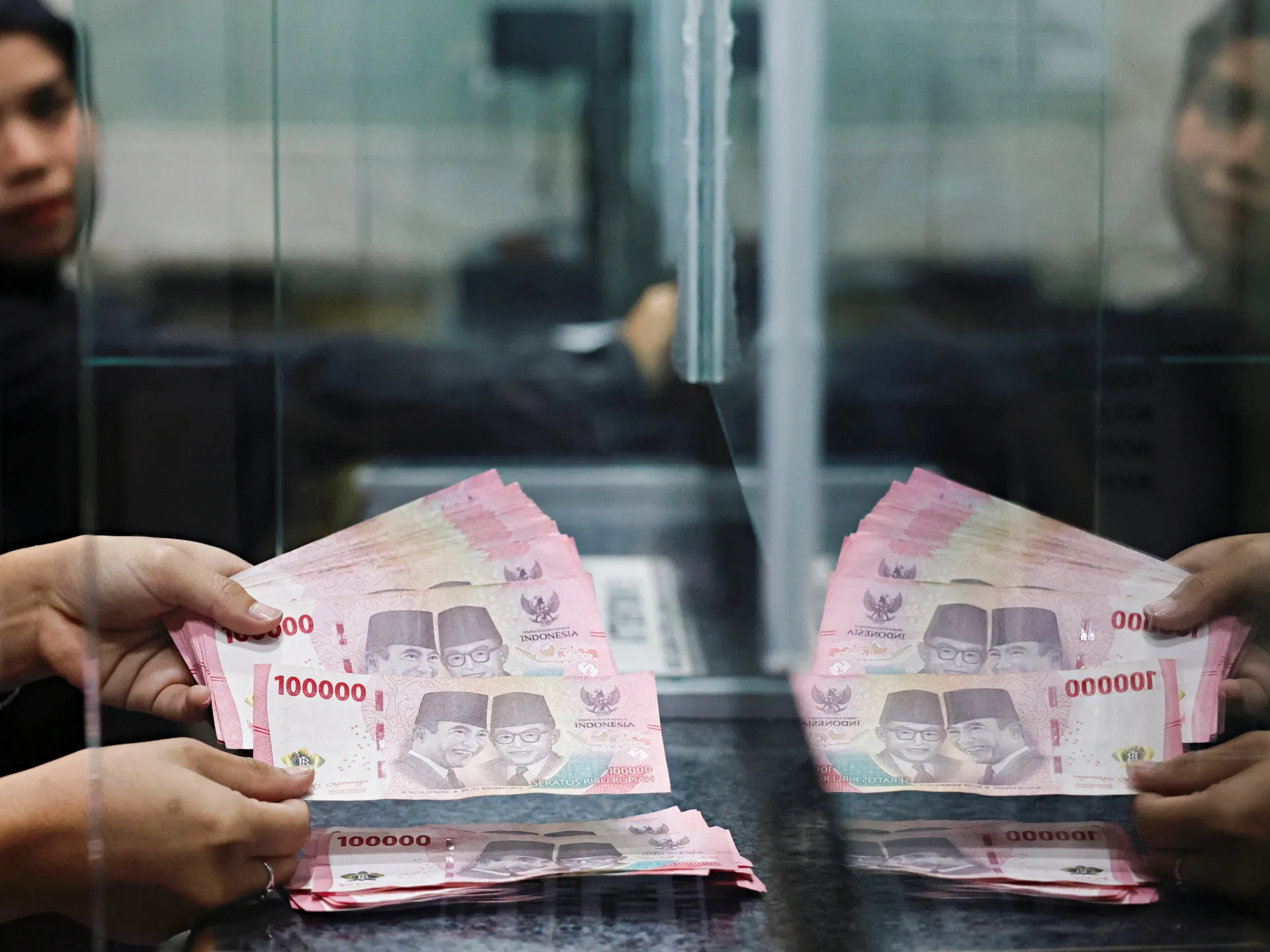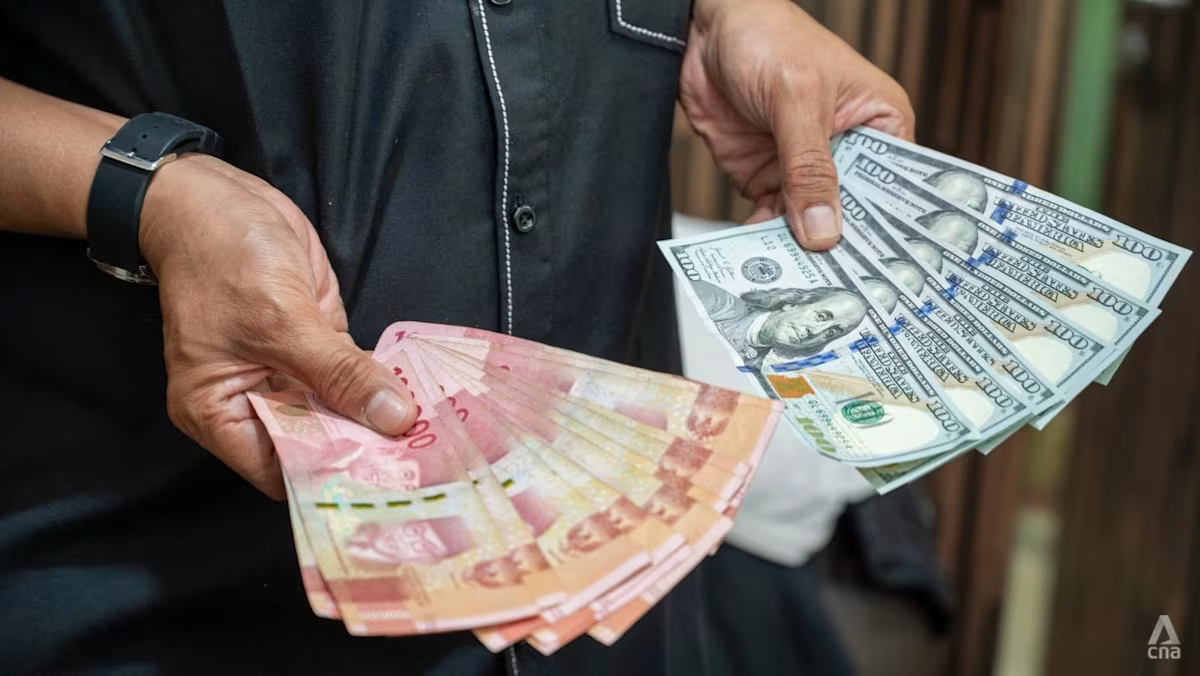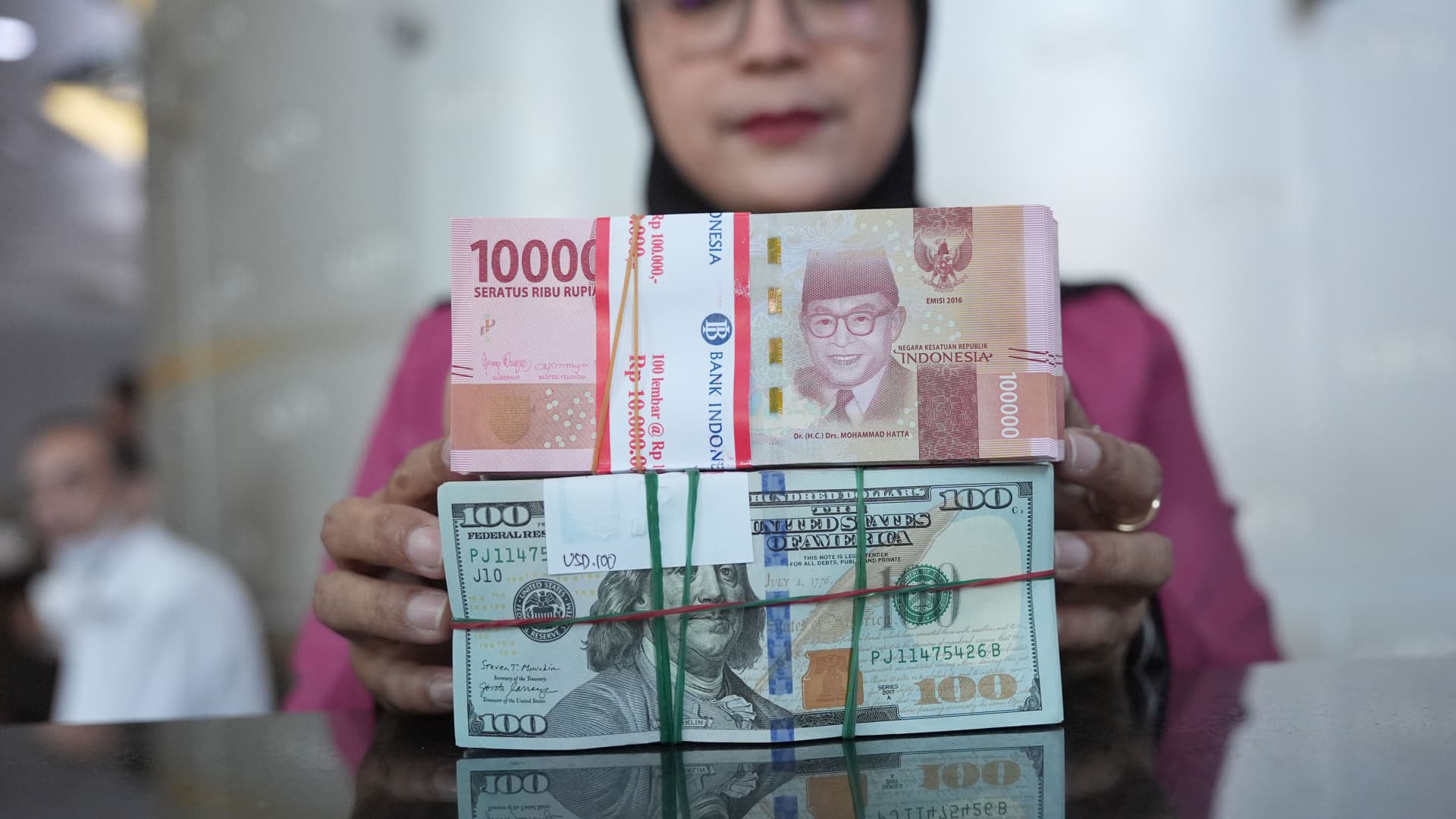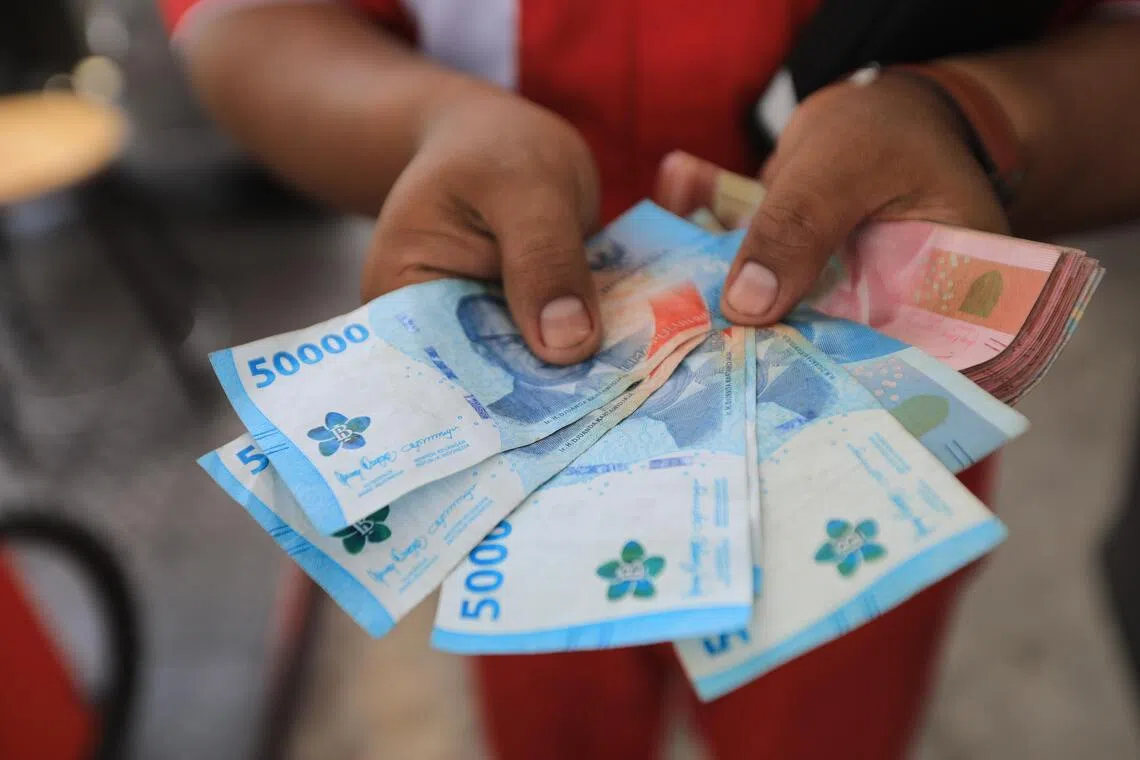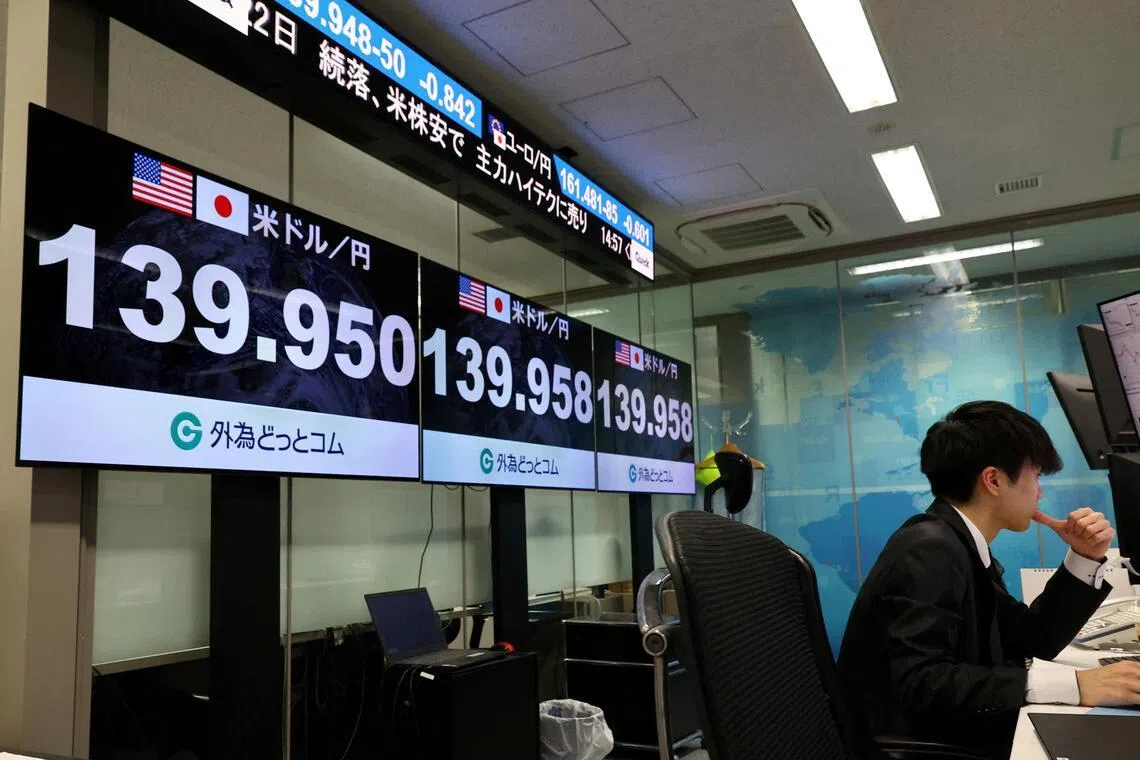
Two of Asia’s most closely watched economies are scrambling to prop up their currencies as a toxic cocktail of soaring energy prices, capital flight risks, and looming Federal Reserve rate expectations batters emerging market foreign exchange.
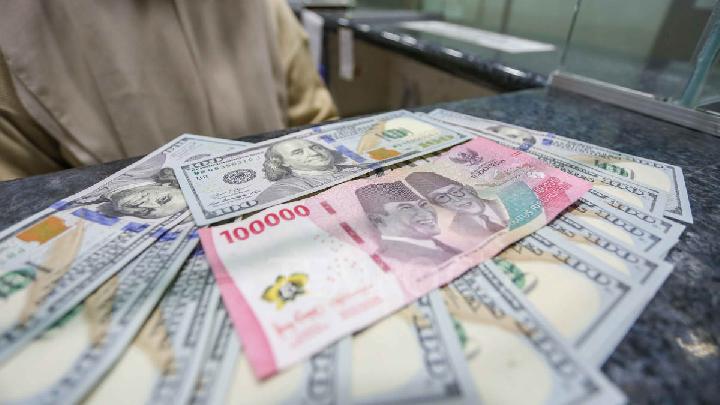
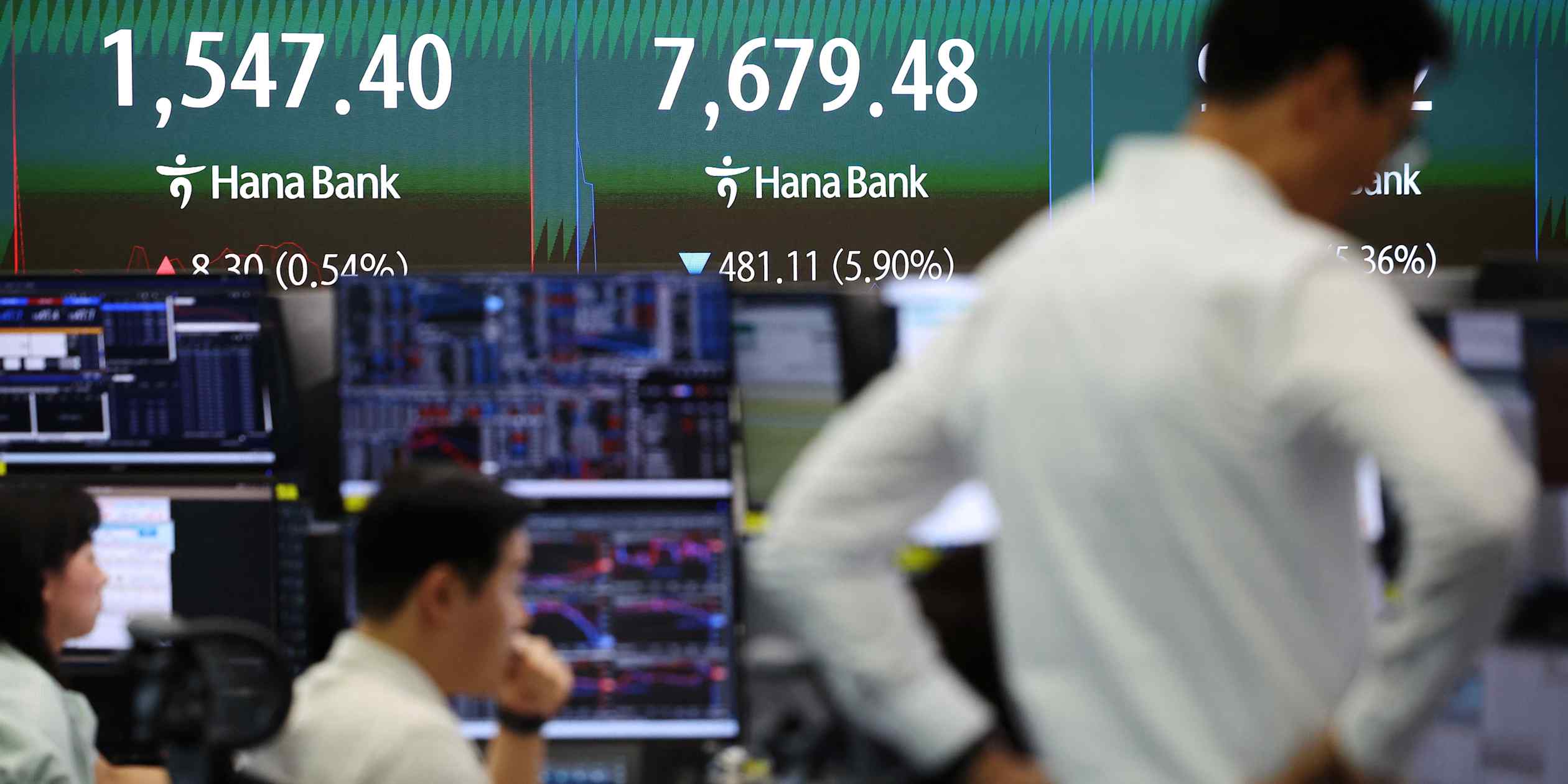
As of June 4, 2026, the Indonesian rupiah slumped to a record low near 18,020 per US dollar, while South Korea’s won approached its weakest level since 2009. Both central banks have publicly signaled they’re ready to intervene, and one of them has already pulled the trigger in dramatic fashion.
Indonesia fires first, and fires big
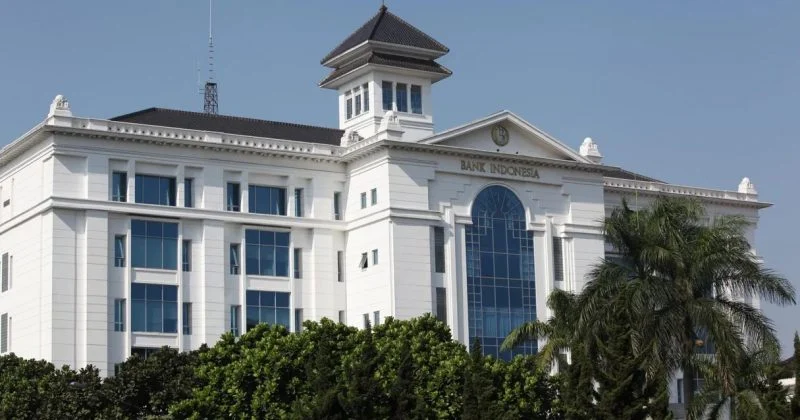
Bank Indonesia didn’t mess around. On May 20, the central bank hiked its reverse repo rate by 50 basis points to 5.25%, marking the first rate increase since April 2024.
The move was a direct response to the rupiah’s slide, which has been driven by a perfect storm of factors. Indonesia imports roughly 1.5 million barrels of crude oil daily, making it acutely sensitive to global energy price swings. Geopolitical tensions have sent those prices higher, which means the country needs to buy more US dollars just to keep the lights on.