June 3, 2026 | 11:48 am
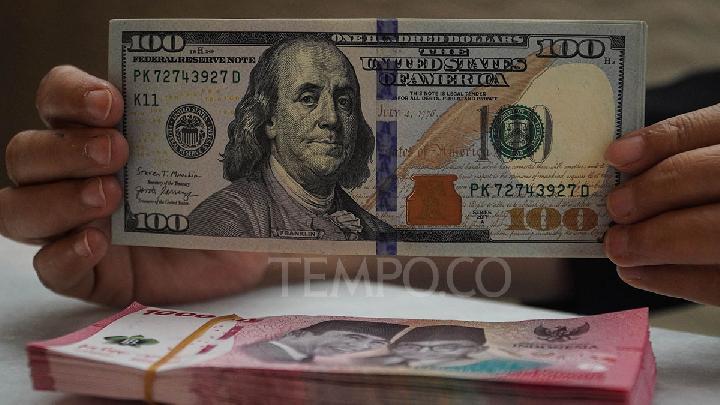
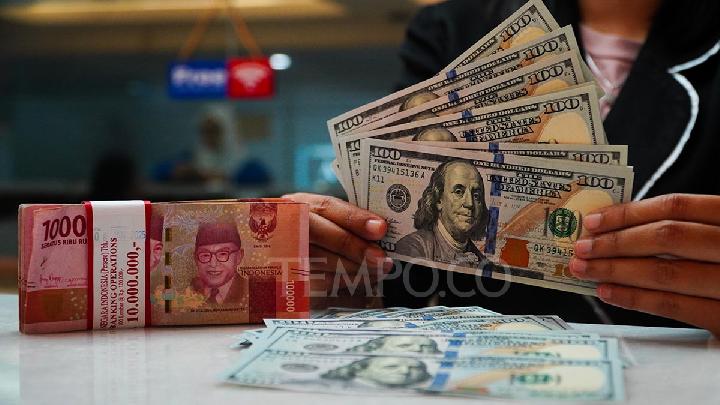
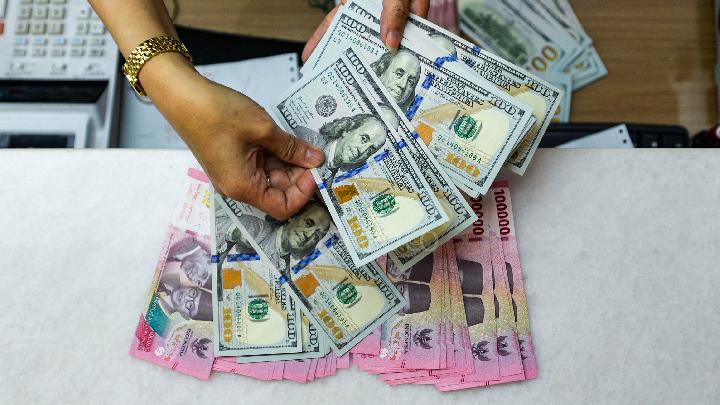
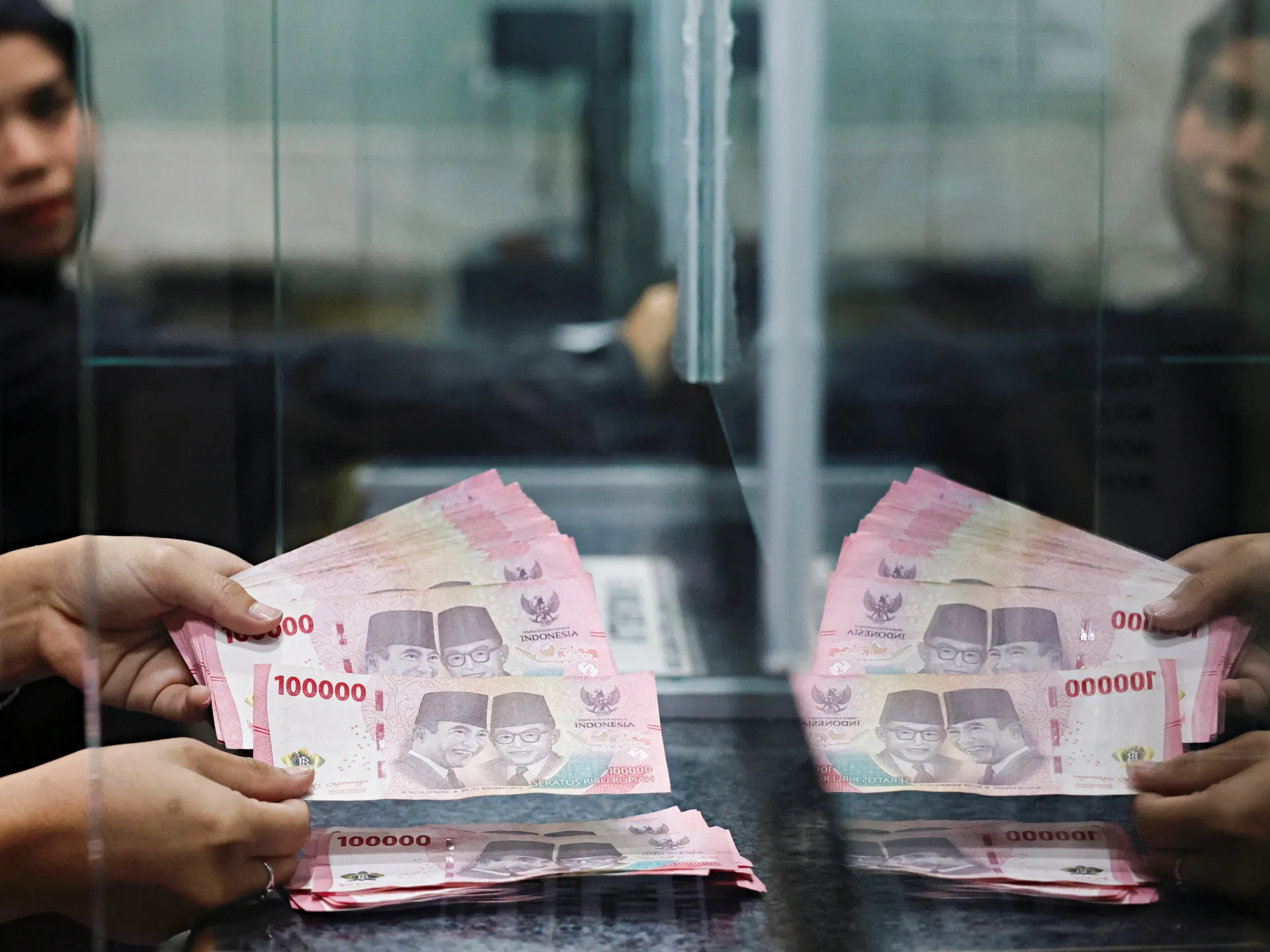
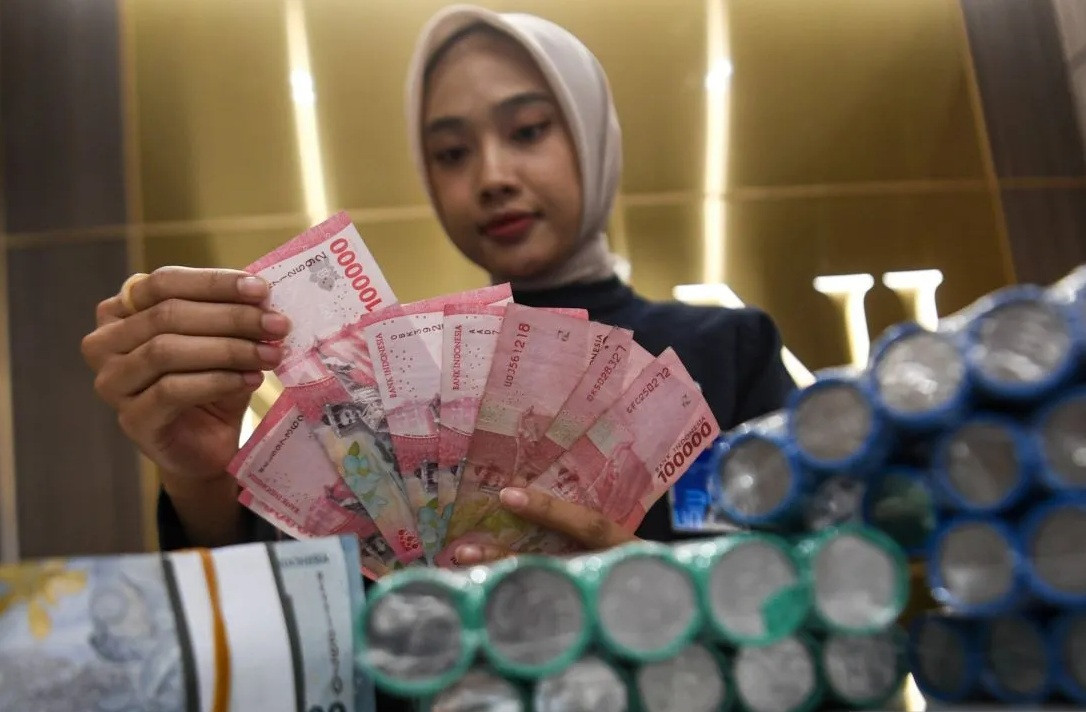
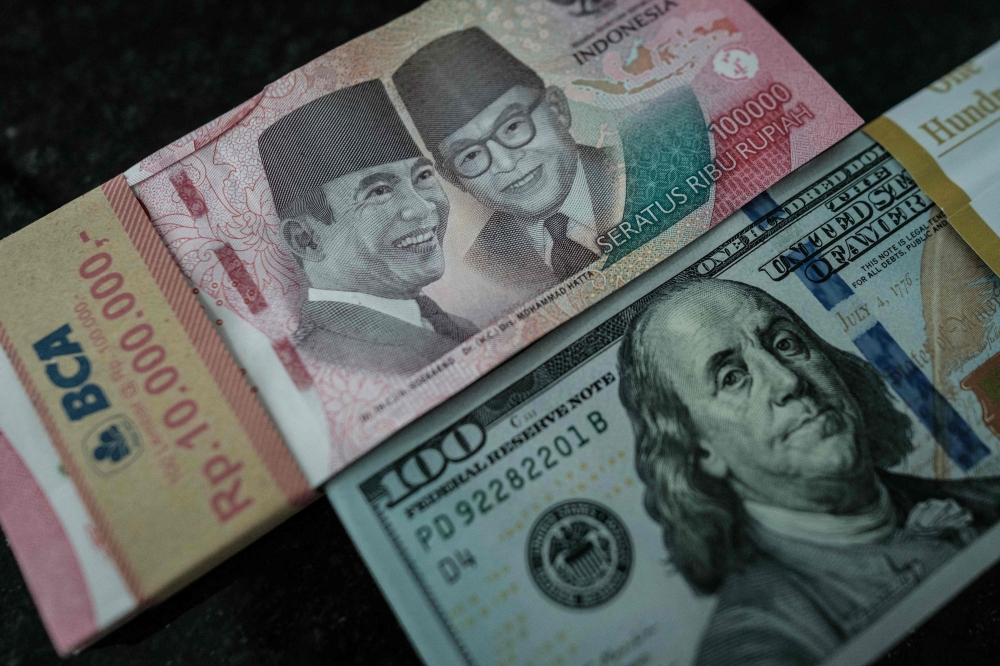
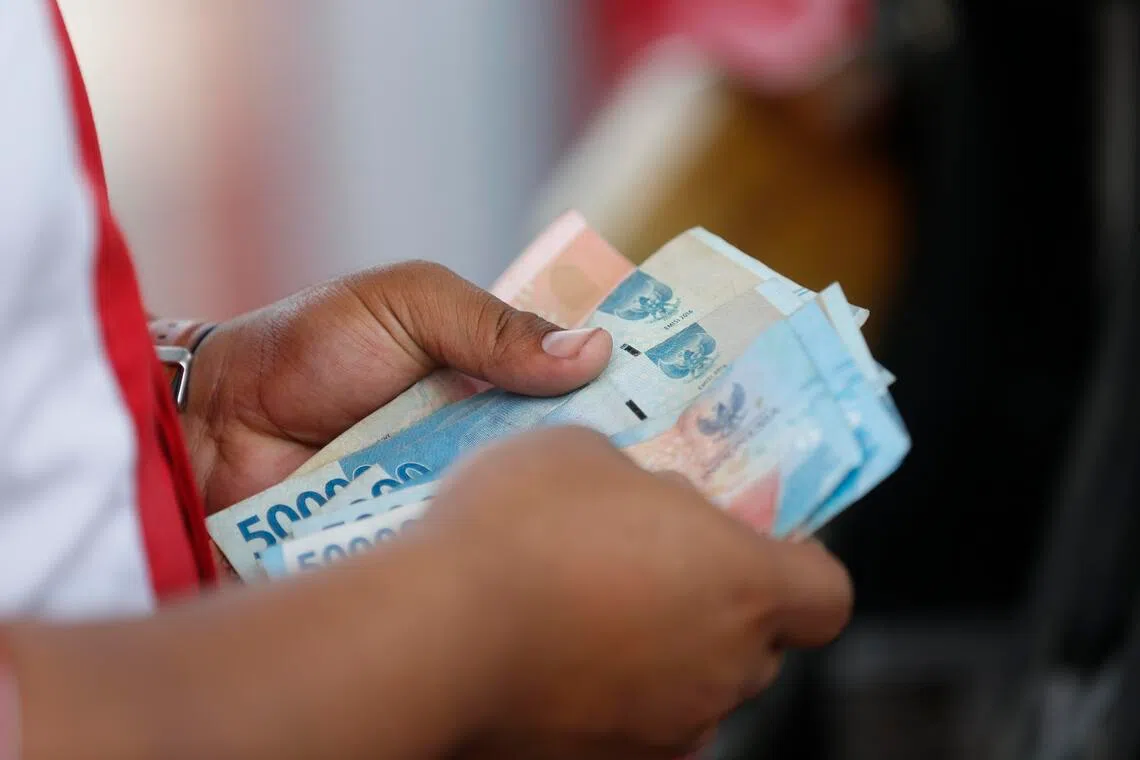
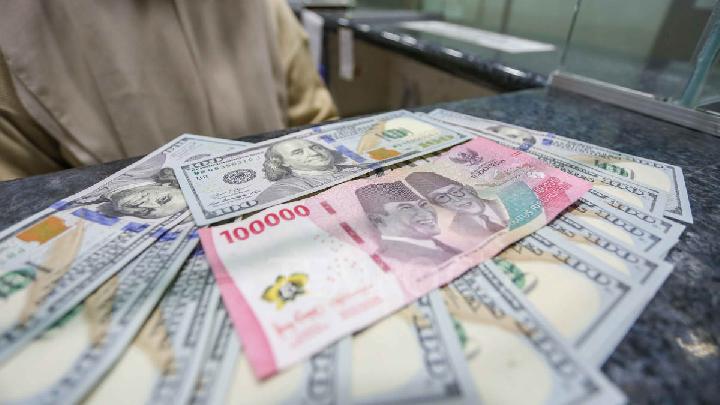
TEMPO.CO, Jakarta - Indonesia’s rupiah extended its decline on Wednesday, weakening from Rp17,850 a day earlier to Rp17,926 per U.S. dollar, bringing it closer to the Rp18,000 mark.Currency market analyst Ibrahim Assuaibi said the rupiah's decline was largely driven by rising geopolitical risks in the Middle East region, which have fueled concerns over global energy supplies and boosted the U.S. dollar.“Today, the rupiah weakened again due to the rise in global crude oil prices. West Texas Intermediate (WTI) is trading at US$94.58 per barrel, while Brent crude has climbed to US$96.72,” Ibrahim said in a statement in Jakarta on Wednesday.In addition to higher oil prices, he pointed to the deadlock in negotiations between the United States and Iran as a factor increasing uncertainty in global markets. Ongoing tensions between Iran and Israel have further dampened investor sentiment.The situation has heightened concerns about potential disruptions to global energy supplies, helping keep oil prices elevated.According to Ibrahim, higher energy prices could sustain inflationary pressures in the United States, prompting the U.S. Federal Reserve to maintain interest rates at elevated levels and potentially raise rates once more this year.“We have seen comments from Federal Reserve official Hammack, who said policymakers may need to act quickly if inflation does not ease. This indicates there is still a strong possibility of another interest rate hike in 2026,” he said.On the domestic front, Ibrahim said rising oil prices increase Indonesia’s demand for U.S. dollars to finance energy imports, adding further pressure on the rupiah.Demand for foreign currency to meet dividend payments and maturing debt obligations has also contributed to the currency’s weakness, he added.He further noted that some Indonesians have shifted their savings into foreign currency-based instruments, increasing demand for U.S. dollars in the domestic market.To ease pressure on the rupiah, Ibrahim said the government needs to safeguard domestic economic stability and maintain household purchasing power through targeted policy measures.He urged authorities to ensure adequate supplies of goods, particularly imported products affected by exchange-rate movements, while strengthening well-targeted social assistance programs to support vulnerable households.The government should also accelerate industrialization efforts, develop the blue economy, and boost productivity in the agricultural sector to strengthen national food security, he said.“We need to understand that the government must push industrialization and the blue economy. These remain major challenges. Household purchasing power contributes around 50 percent of economic growth,” Ibrahim said.He also called for faster digital transformation and simpler investment regulations to attract more foreign investment into Indonesia.According to Ibrahim, improving the investment climate is one of the key steps needed to strengthen Indonesia’s economic fundamentals and support the rupiah’s stability over the medium to long term.Read: JCI Seen Volatile Amid High Oil Prices, Interest Rates