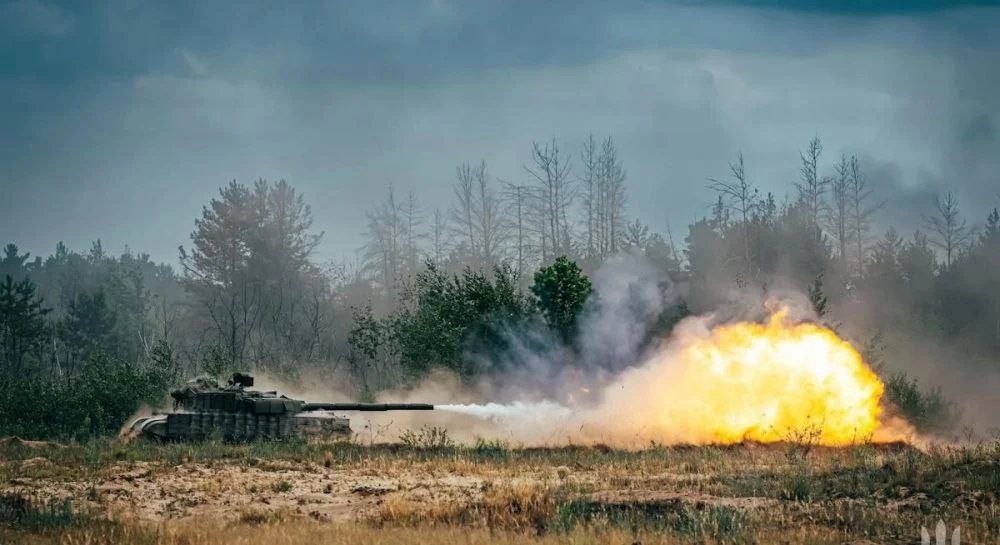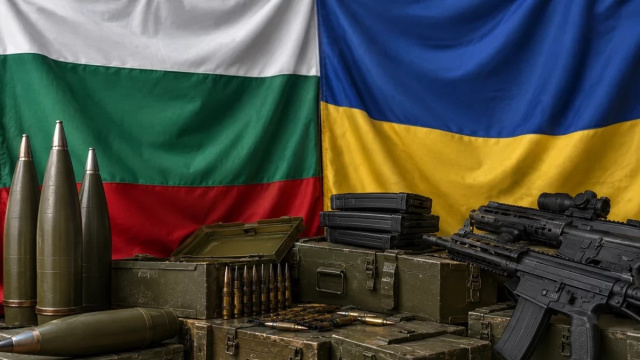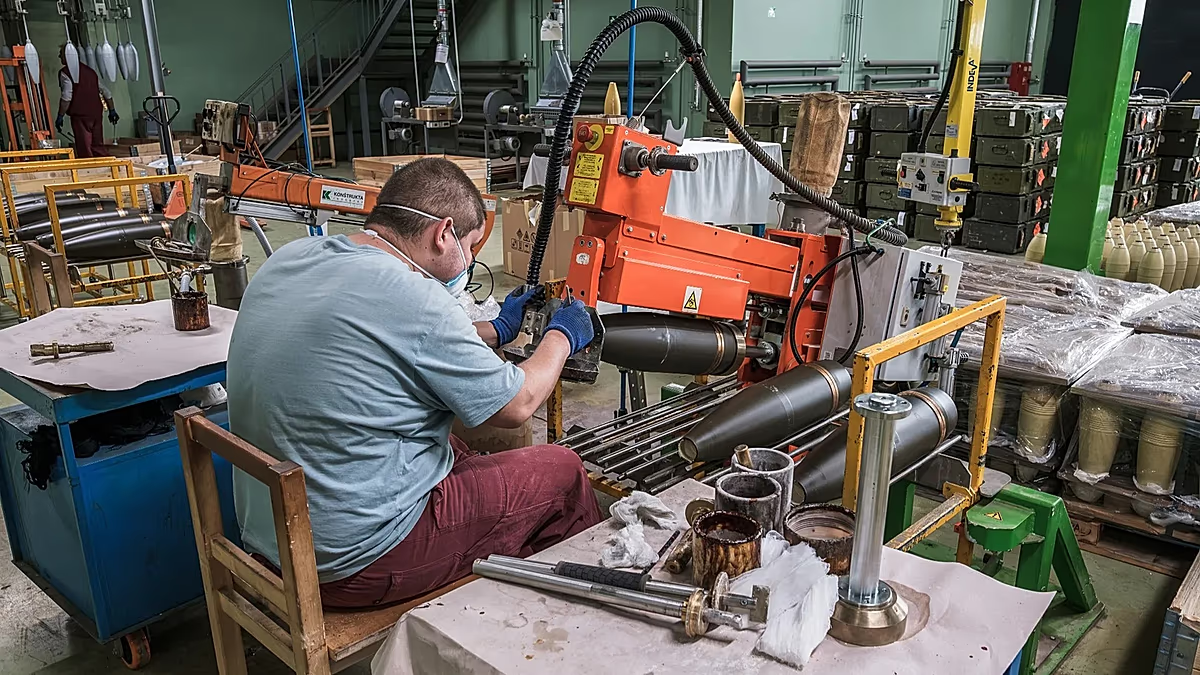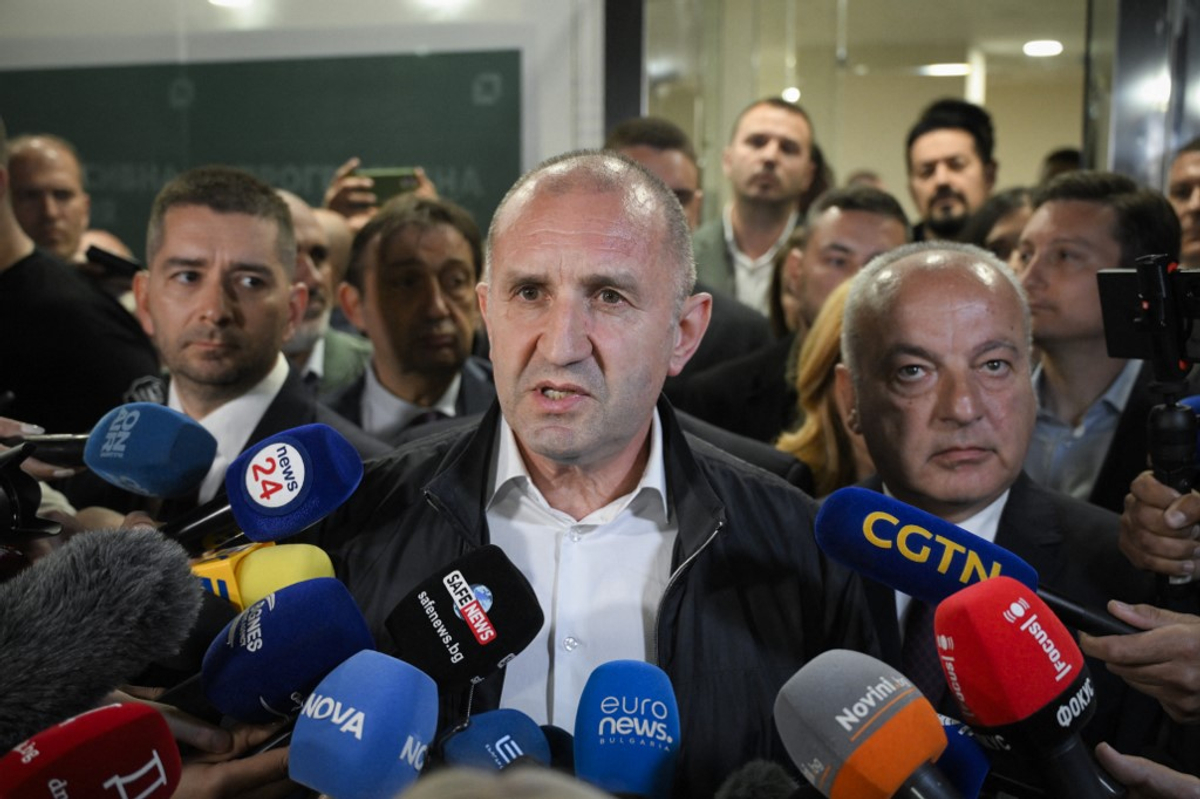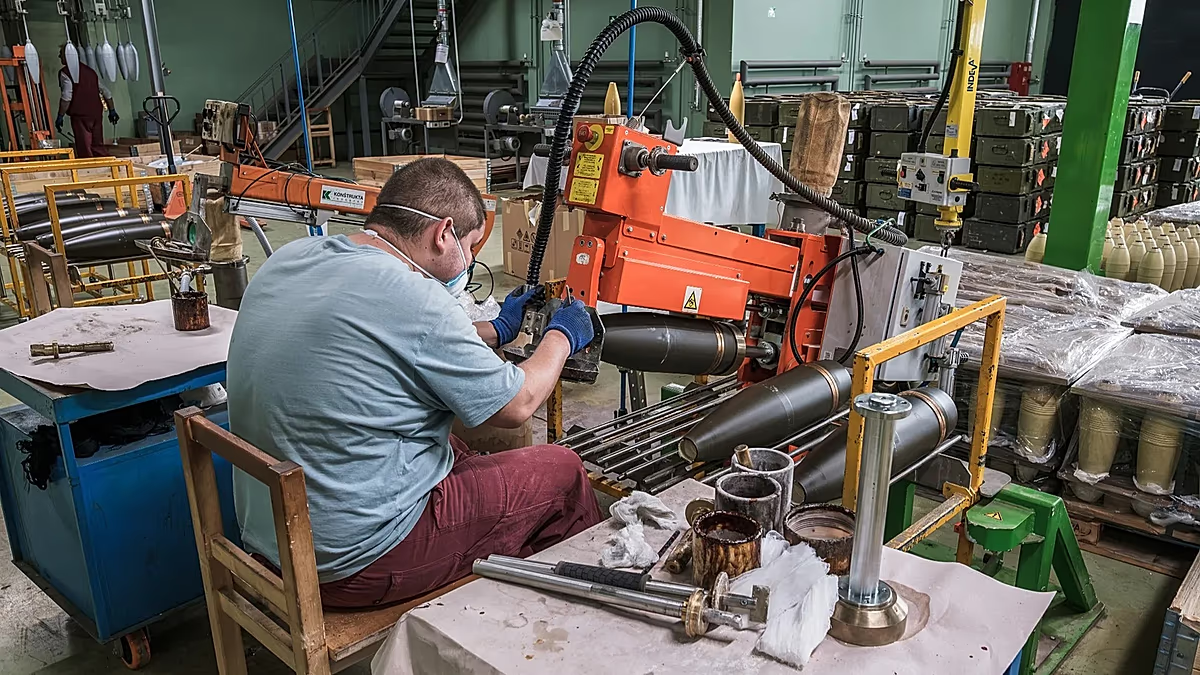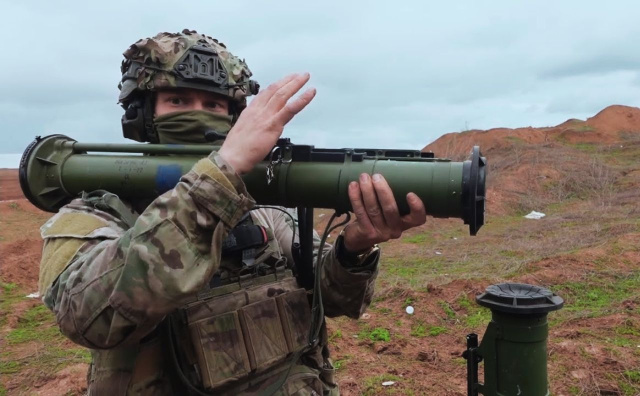
Bulgaria has been one of Ukraine's most significant arms suppliers since the start of Russia's full-scale invasion in February 2022. That much has been known in general terms for some time. What has not been publicly discussed in detail until now is the scale and the method, specifically, how Sofia has used third countries as intermediaries to transfer Soviet-era heavy weaponry while maintaining a degree of official distance from the deliveries.
The picture comes from Bulgaria's own submissions to the UN Register of Conventional Arms (UNROCA), the international transparency mechanism through which countries voluntarily report their weapons exports and imports. Bulgaria has filed reports for 2022, 2023, 2024 and 2025. Read together, they tell a story that goes well beyond the official aid packages announced in Sofia.
The indirect pipeline through Czechia and the UK
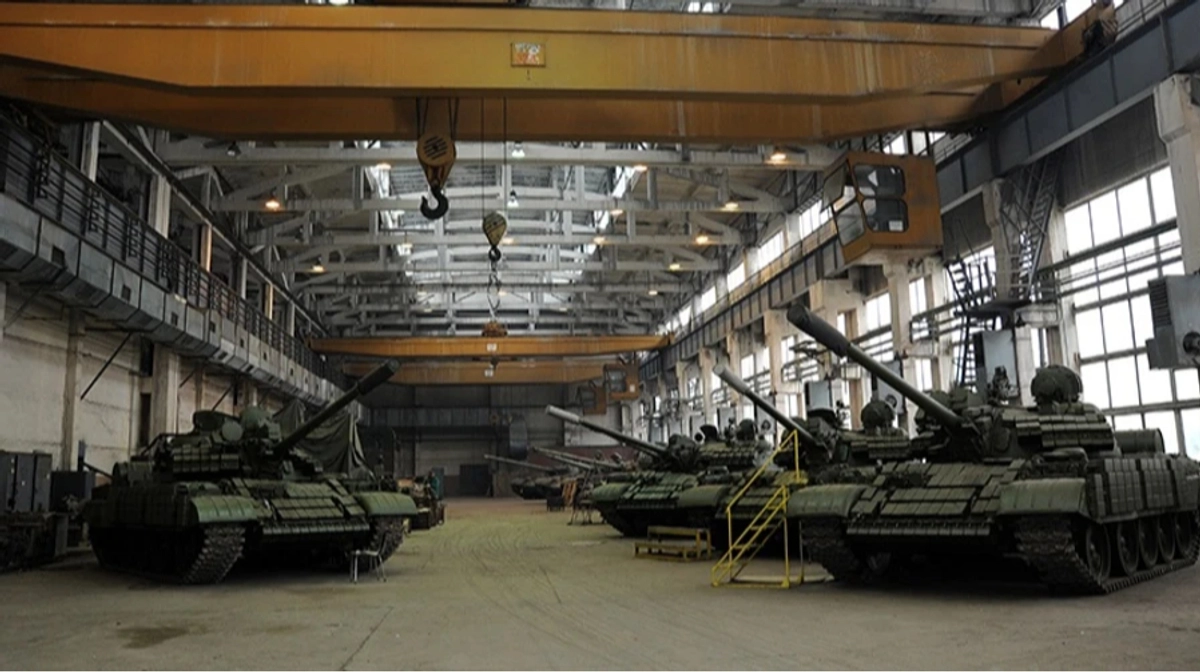
The most telling entries in the recent reports concern exports to the Czech Republic and the United Kingdom. Both are enthusiastic supporters of Ukraine, but neither has a plausible use for Bulgarian T-72 tanks, MT-LB armored personnel carriers, or Soviet-era self-propelled howitzers. Defense analysts, including the Ukrainian defense publication Defense Express, have drawn the logical conclusion: these two countries have been acting as logistics intermediaries, receiving the equipment formally and passing it to Ukraine.