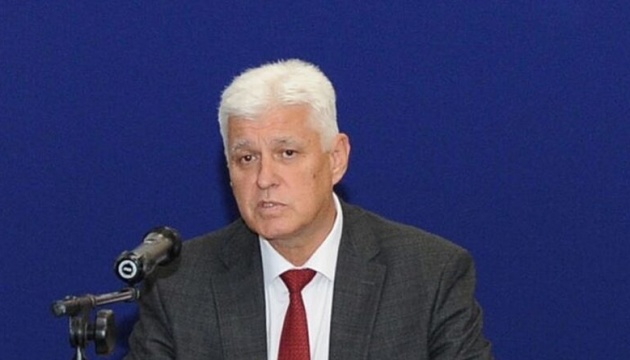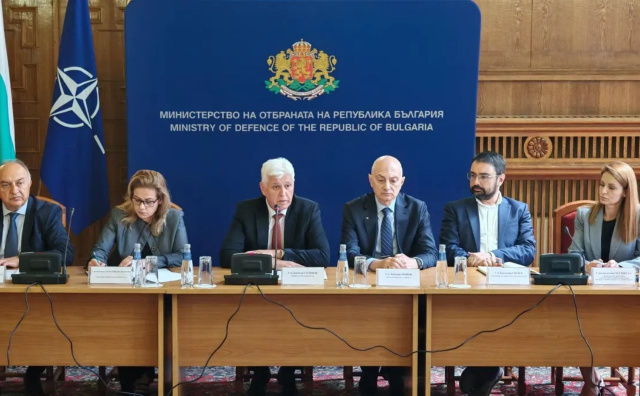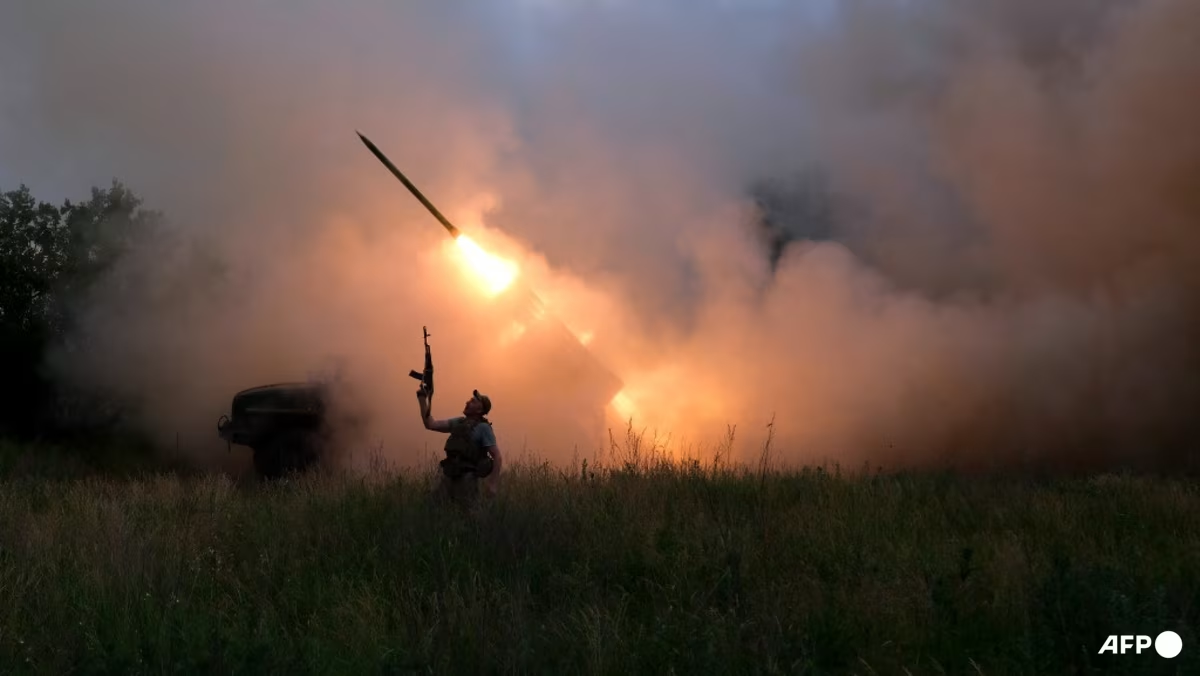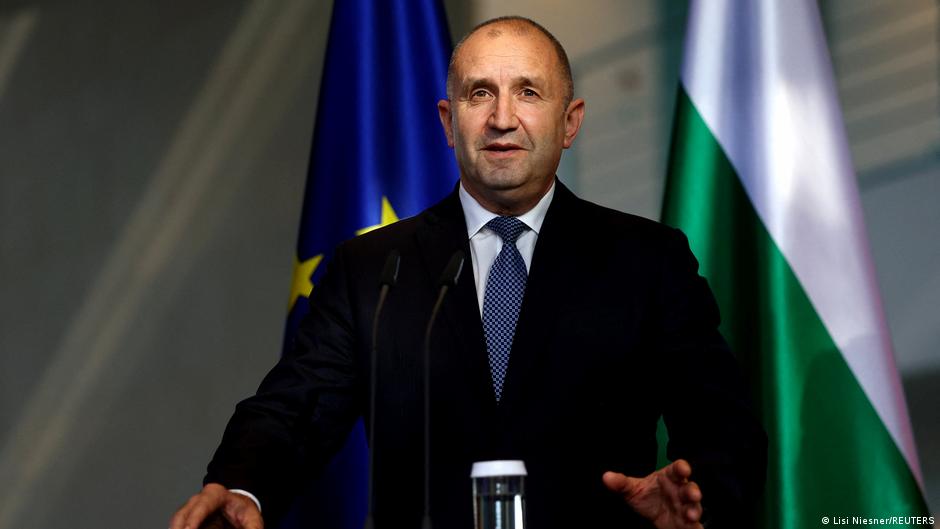
When Bulgarian Defense Minister Dimitar Stoyanov said on Tuesday that his country would no longer provide arms to Ukraine, the announcement felt like deja vu for many Bulgarians.
In the months immediately following Russia's full-scale invasion of Ukraine in 2022, Bulgarian officials insisted that "not a single bullet made in Bulgaria" was being sent to Ukraine.
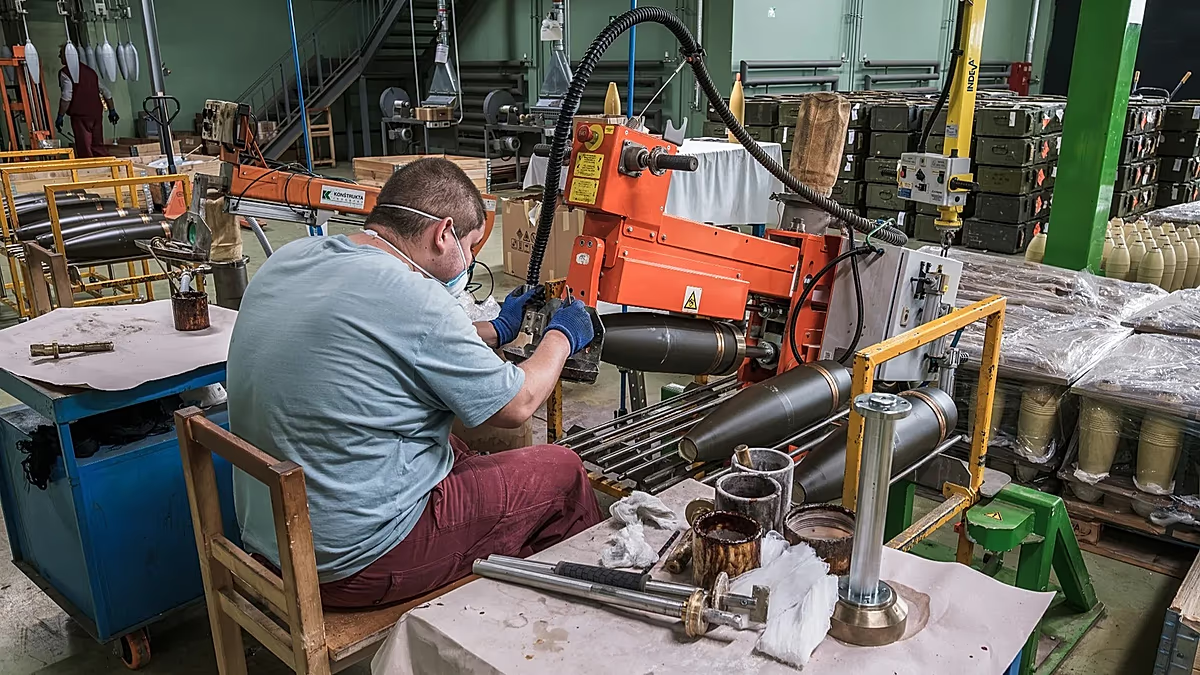
In practice, however, the country's defense industry significantly increased exports to intermediaries such as Poland and Czechia, which then supplied the weapons to Kyiv.
The arrangement allowed Bulgaria's coalition government at the time to keep one of its pro-Russian constituent parties on board domestically while continuing to provide military supplies to Ukraine.
What does the ban actually entail?