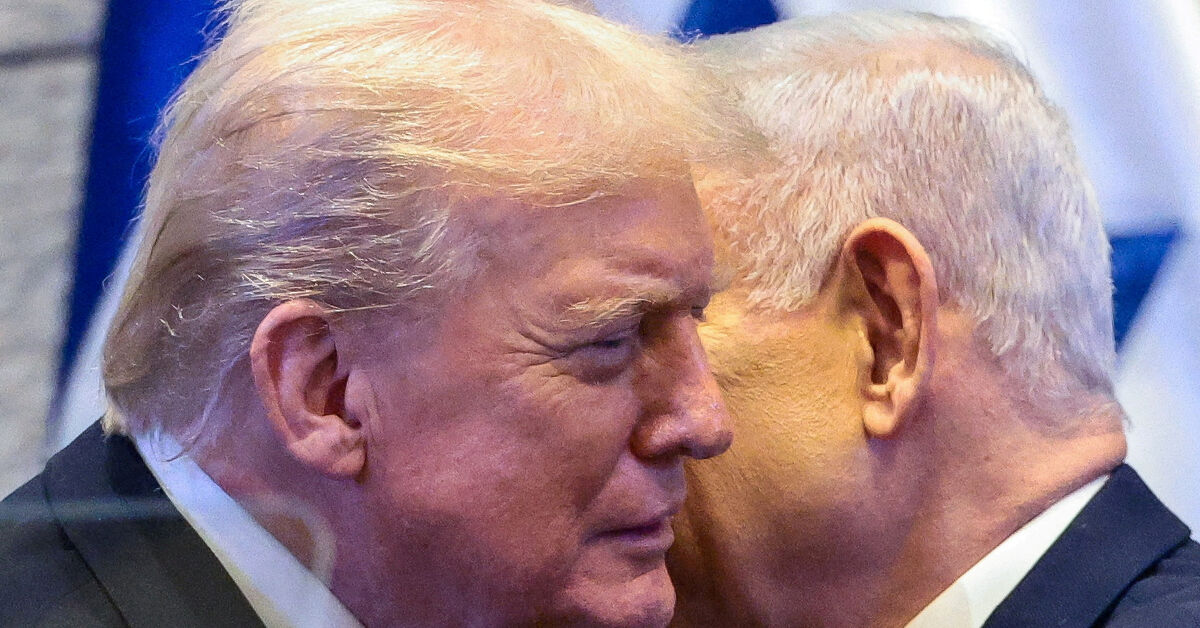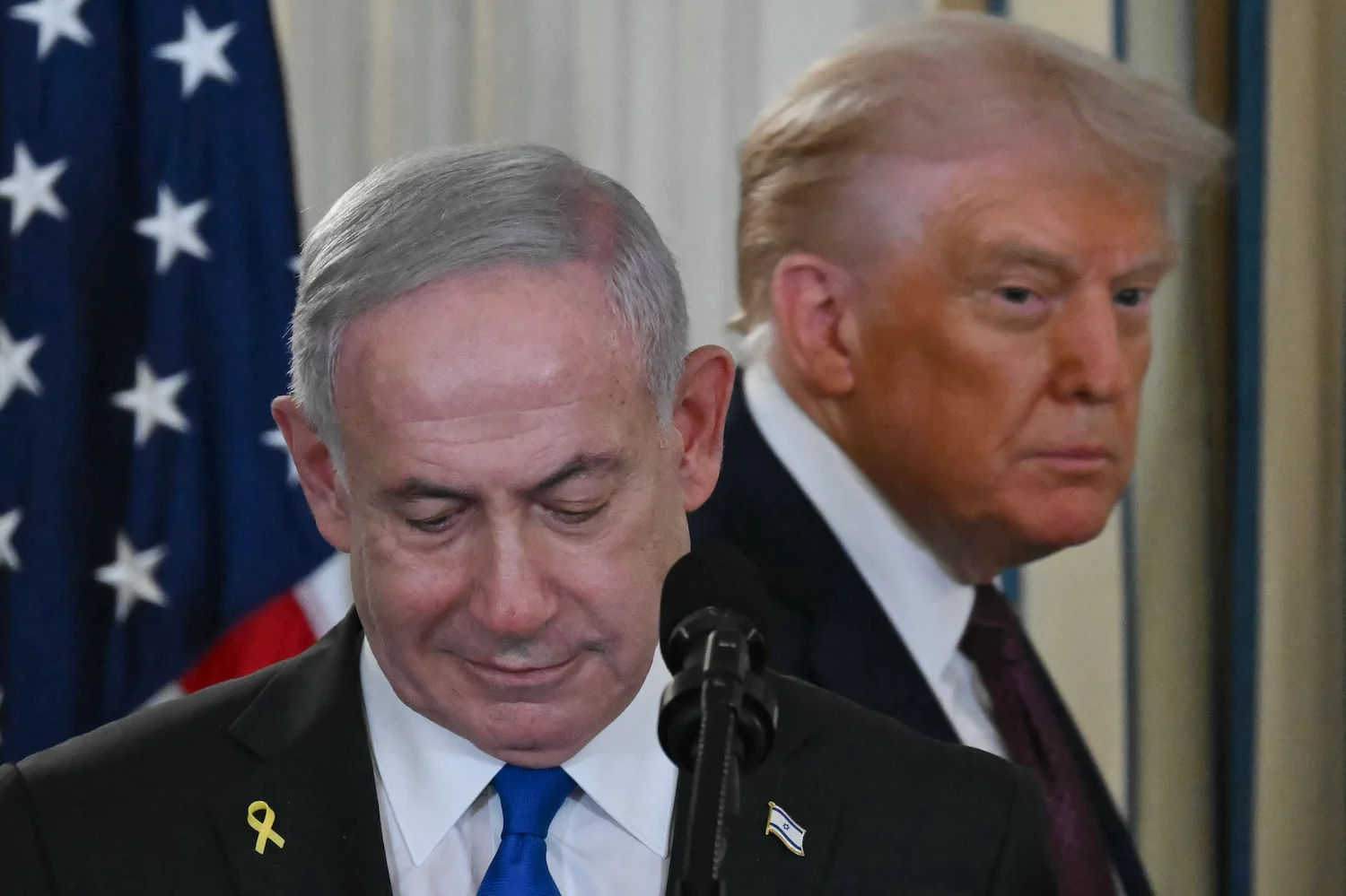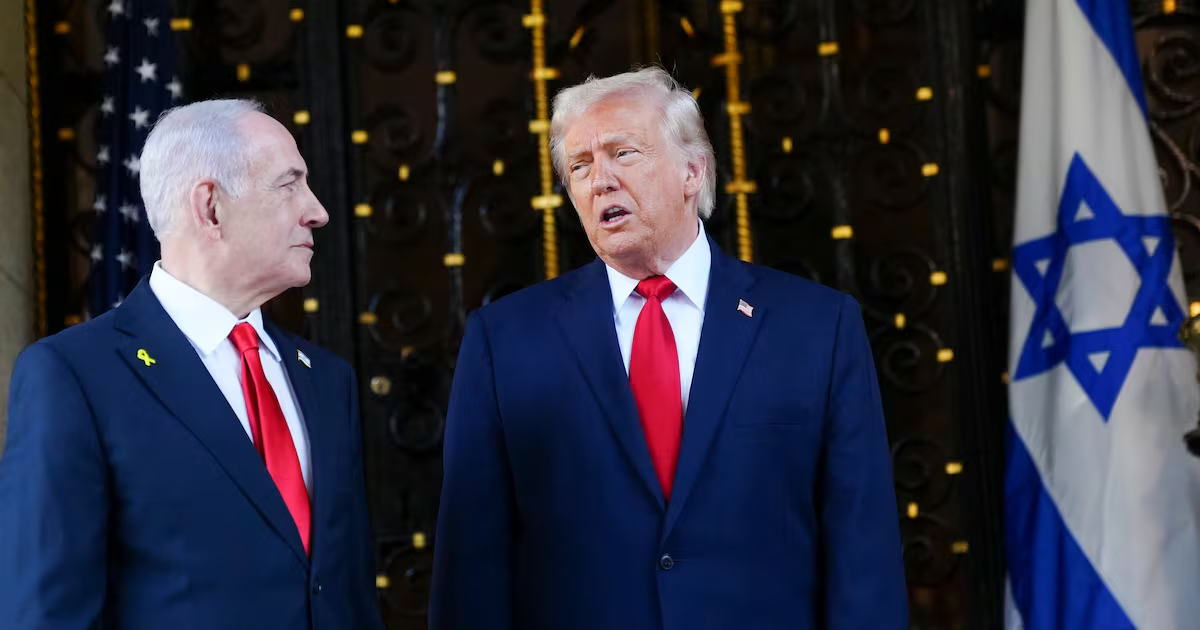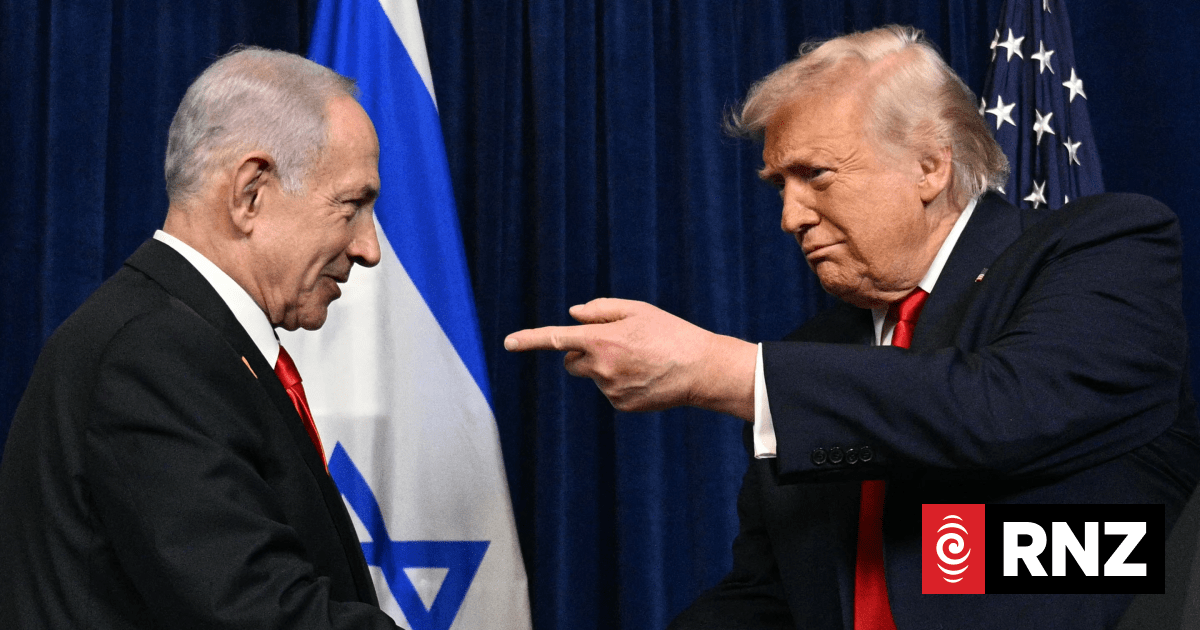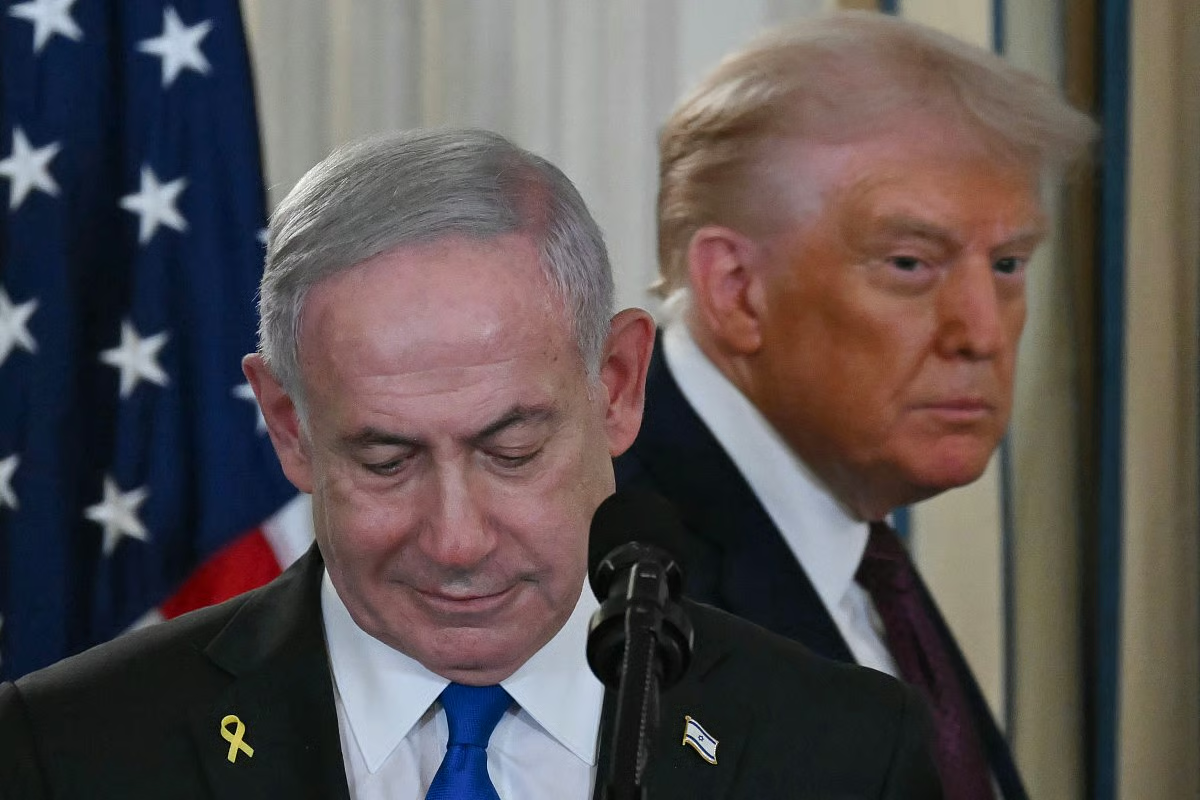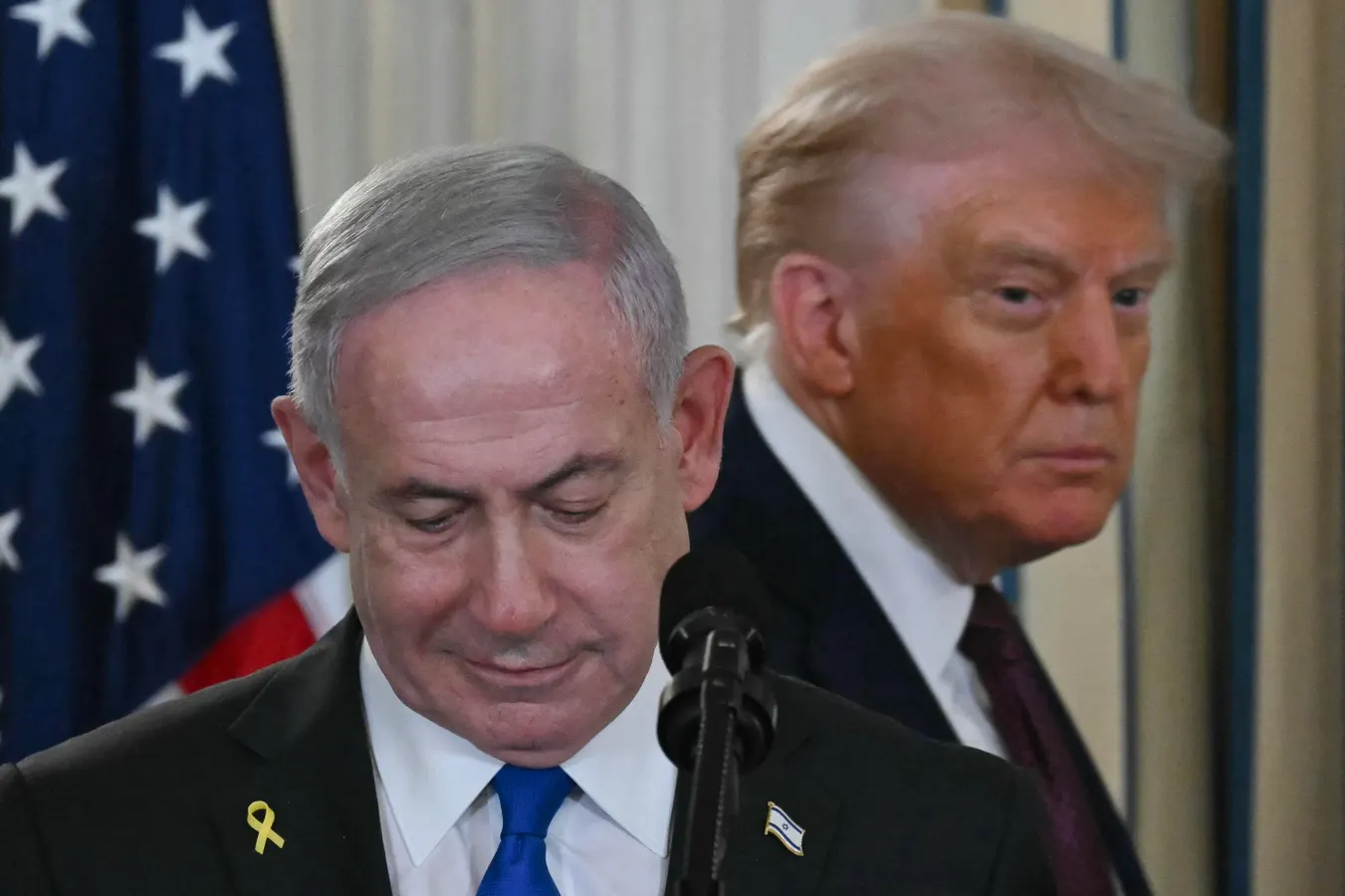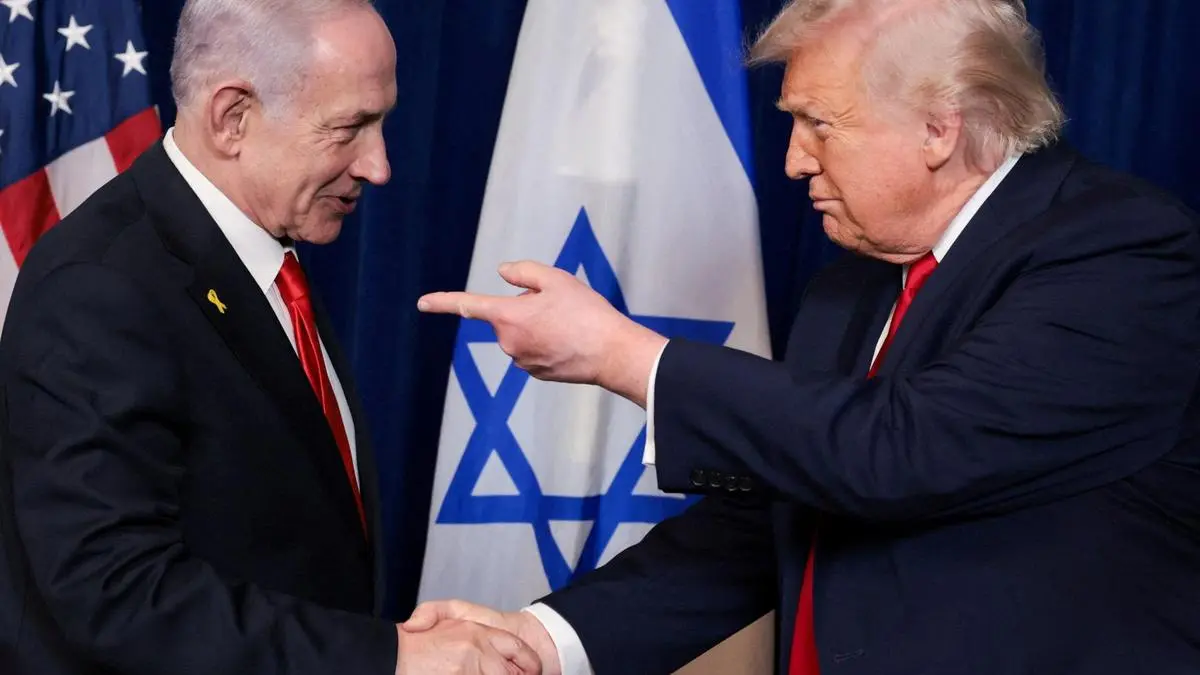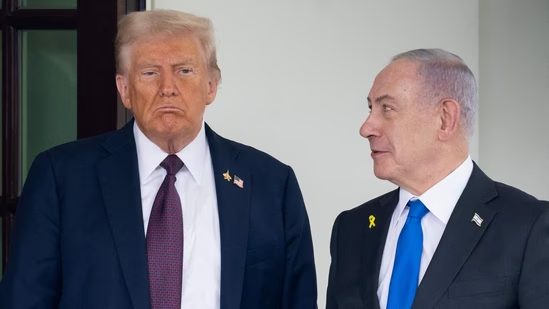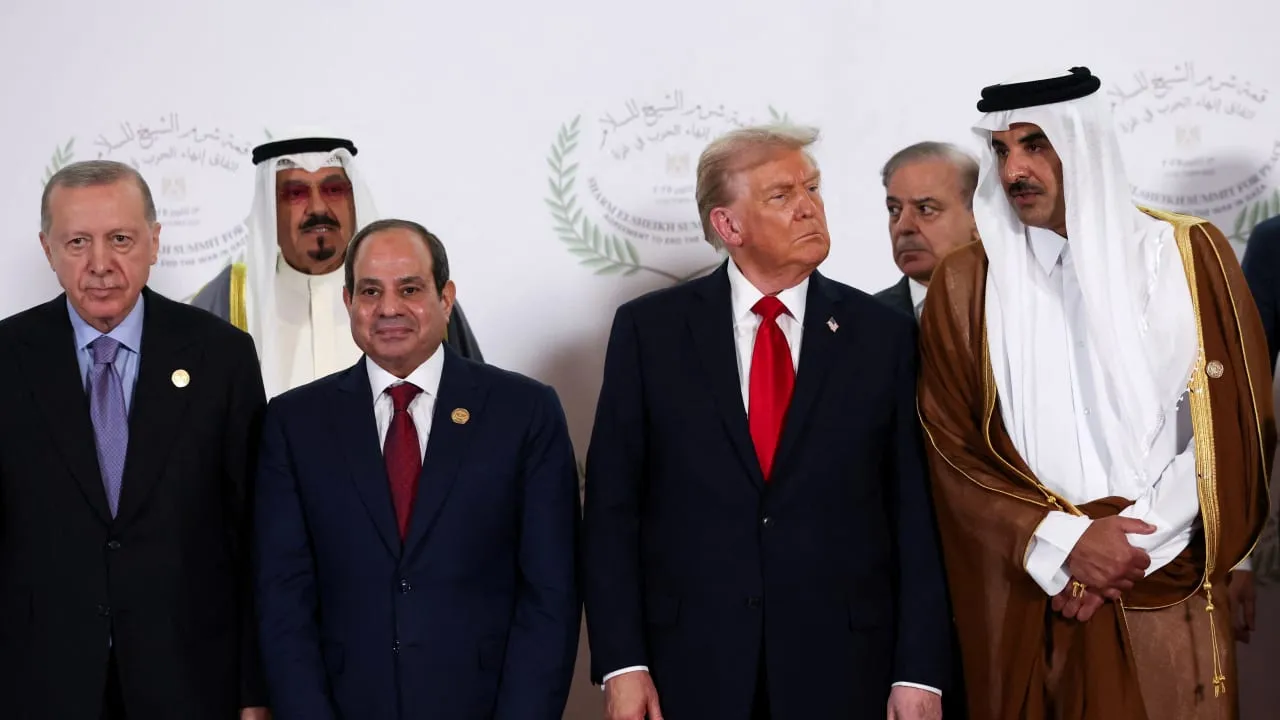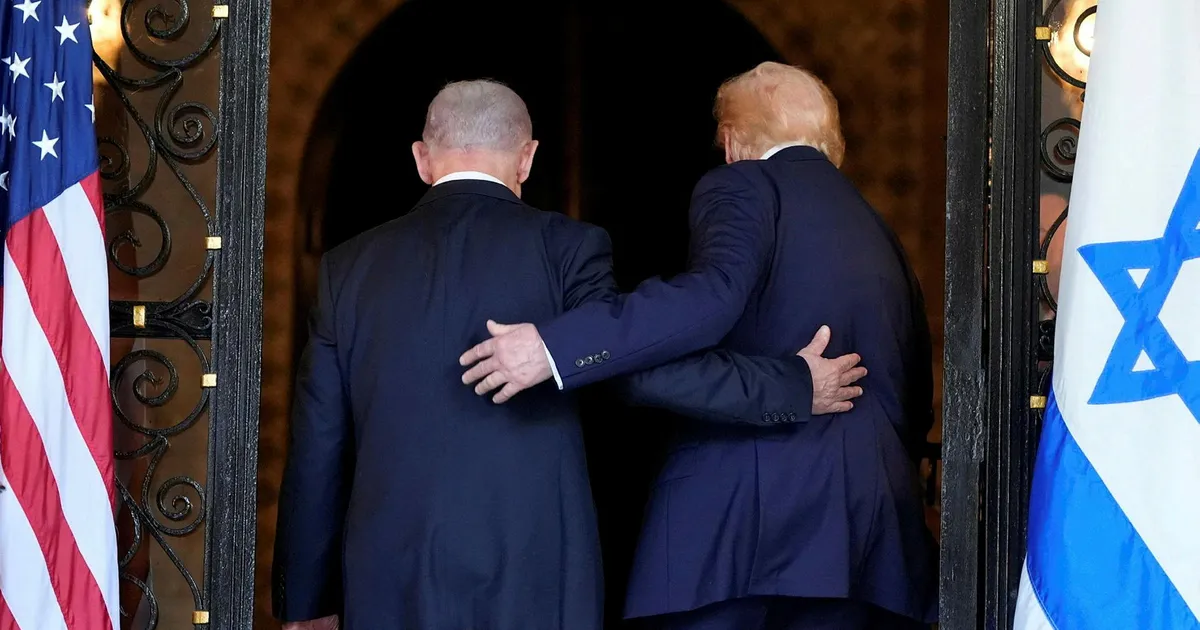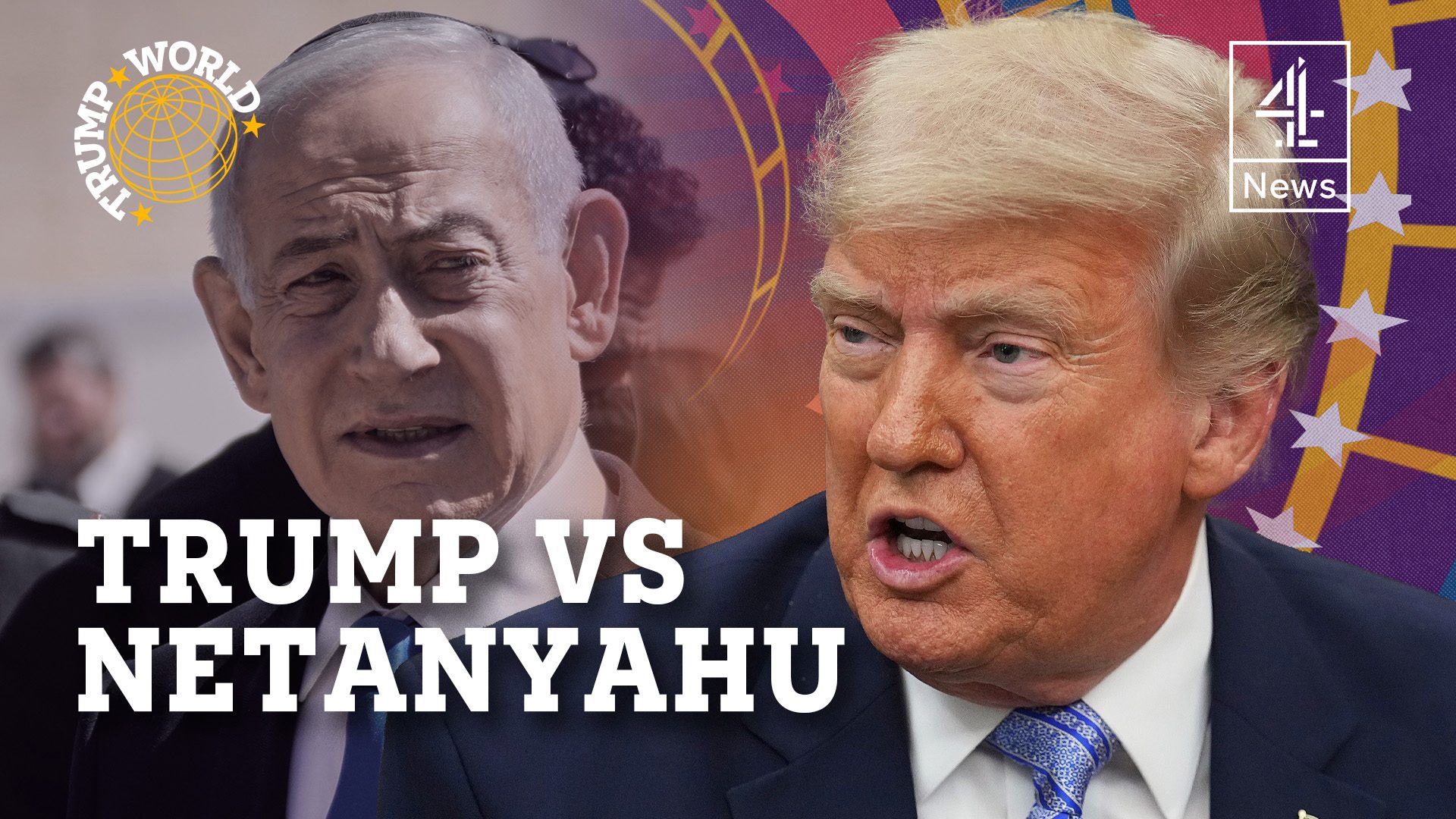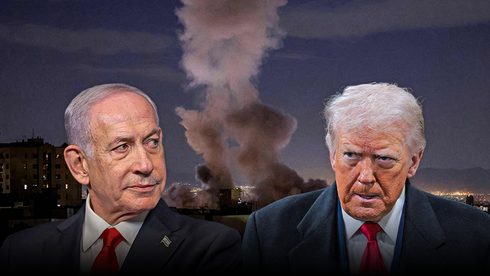
Analysis: Behind this week's tense call is a deeper shift in US Middle East strategy: after focusing on military pressure, Trump now wants deals, but sees Netanyahu’s policy as a growing obstacleAccording to reports, the call included sharp exchanges, shouting and profanity, though some of those details have been denied. But behind the personal tension lies a much deeper dispute: Trump appears to have changed his Middle East strategy.2 View gallery Prime Minister Benjamin Netanyahu, US President Donald Trump (Photo: ATTA KENARE / AFP, JOE RAEDLE / AFP, Anna Moneymaker / AFP)In the past, Trump focused heavily on military pressure and deterrence. Now, he wants to present a vision of agreements, diplomatic arrangements and regional stability. From his point of view, continued fighting has become both a political and diplomatic obstacle.The White House now understands that it would be difficult to advance major regional initiatives while the war continues. Trump wants to present diplomatic achievements, including peace agreements, normalization deals and a return to stability in the Middle East. But he is running into a wall. Many Arab leaders have lost trust in Netanyahu and do not want to be seen cooperating with him.According to sources familiar with regional contacts, several quiet meetings have taken place in recent months under U.S. sponsorship and with the assistance of United Arab Emirates President Mohammed bin Zayed. Representatives from various Arab countries were invited, and Lebanese officials also took part in some of the meetings.But most countries sent only mid-level representatives, while Saudi Arabia made do with relatively junior representation. The message was clear: There is interest in keeping channels of communication open, but no willingness to move toward broad agreements as long as the current situation continues and as long as Netanyahu remains in power.Regional sources said many Arab leaders expected Trump to place more meaningful restraints on Netanyahu. When that did not happen, they began to lose confidence. Some concluded that Netanyahu is acting mainly according to his own political and personal considerations, even when doing so makes it harder to advance American interests.One of the main crisis points was the fear of a wider war in Lebanon. According to those sources, the possibility of broad strikes in Beirut and in the Dahieh district, Hezbollah’s stronghold in the Lebanese capital, caused deep concern in Arab capitals and in Washington. For them, such a move could have destroyed any attempt to build a new diplomatic track in the region.Meanwhile, Trump does not appear interested in returning to a broad regional war. Sources familiar with the contacts say indirect channels are being maintained with Lebanese Parliament Speaker Nabih Berri, and that there is progress toward an arrangement that would bring about a broad ceasefire in Lebanon. If such an agreement is reached, it could become one of the flagship achievements Trump wants to present.When Trump heard Netanyahu’s threat to strike Beirut, he and his circle genuinely believed the prime minister had lost control. Not as a figure of speech. They were truly concerned about his judgment and the policy he was leading.The problem for Trump is that, under current conditions, there is almost no Arab leader willing to advance a meaningful diplomatic process that includes Netanyahu. Even in countries that were once considered more open to cooperation with Israel, there is now a serious political and public difficulty in doing so.In other words, Trump wants agreements, but his central partner in the region is struggling to create the conditions needed to achieve them.2 View gallery Naftali Bennett (Photo: GPO)Against this backdrop, assessments have circulated in recent weeks about whether Trump may try to broaden his political channels in Israel. Some have even raised the possibility that he could invite former prime minister Naftali Bennett to public or private meetings in the future, as part of an effort to examine political alternatives. Trump’s circle is also said to be paying close attention to polls in Israel.Still, there is also an opposite assessment. Netanyahu’s supporters point out that Trump is known for moving quickly from confrontation to reconciliation. As the public clashes with Netanyahu intensify, so do reports that Trump may ultimately choose to help him ahead of the next election. In their view, the deeper Netanyahu’s humiliation becomes, the more likely Trump may be to assist him, because in the end Netanyahu remains someone who carries out his agenda.In this context, attention has also turned to U.S. Ambassador Mike Huckabee’s decision to postpone the traditional July 4 Independence Day reception in Israel by two months, to September. Some in Jerusalem see that as a hint at the possibility of a presidential visit to Israel around that time.Others dismiss that interpretation and argue that if Trump comes to the region, it will only be as part of an effort to promote peace agreements under his Board of Peace initiative and broader regional arrangements, not to intervene in Israeli politics.One possibility is that Trump wants to arrange an honorable exit from political life for Netanyahu. Another is that he still believes the two have more political and diplomatic moves ahead of them.Either way, the relationship between the two leaders appears to have entered an especially sensitive period. For years, Trump was considered Netanyahu’s most important ally on the international stage. Now, at least according to the latest signs, the U.S. president wants to move from an era of wars to an era of agreements, and he is not convinced that the prime minister is moving in the same direction.The central question is whether this is a temporary crisis between two dominant political figures, or a deeper strategic shift. If Trump has indeed decided that his main goal is to reach broad regional arrangements, he may eventually have to decide whether Netanyahu is still his main asset in the Middle East, or the obstacle standing in the way.
Trump’s dilemma: Is Netanyahu becoming an obstacle to Mideast plan?
Analysis: Behind this week's tense call is a deeper shift in US Middle East strategy: after focusing on military pressure, Trump now wants deals, but sees Netanyahu’s policy as a growing obstacle
971 words~4 min read