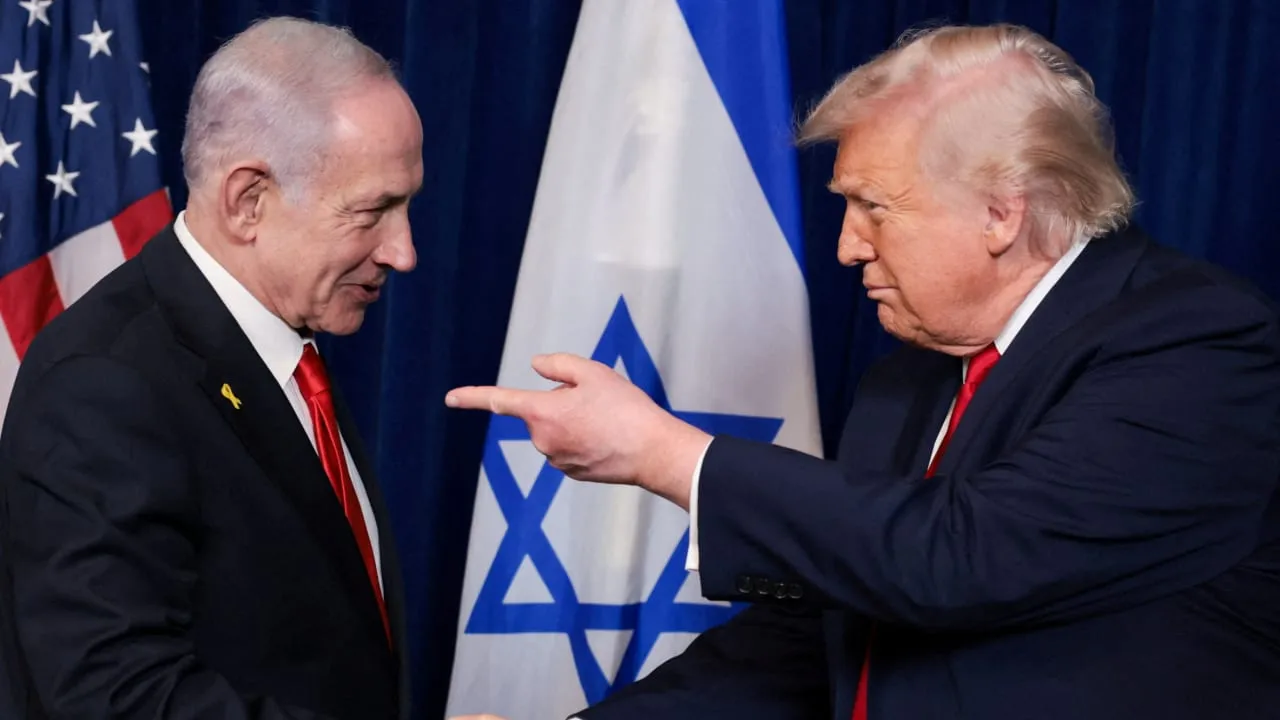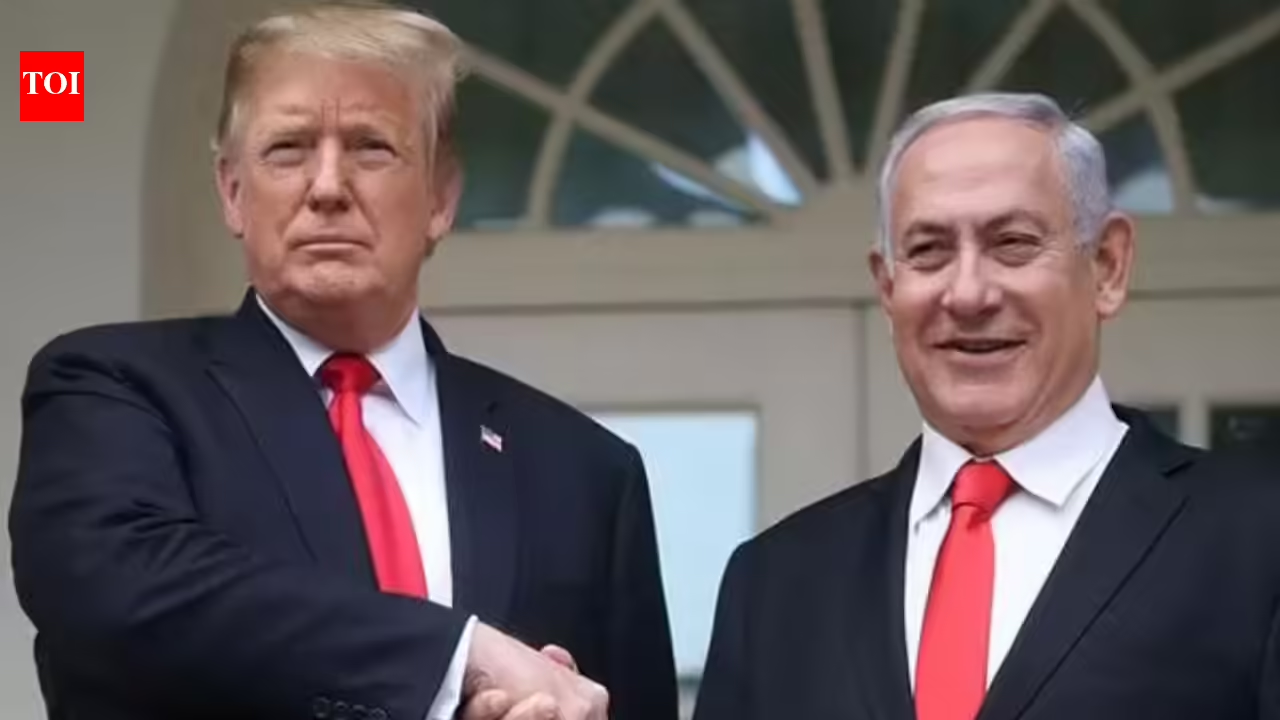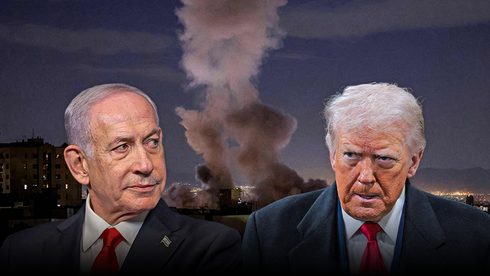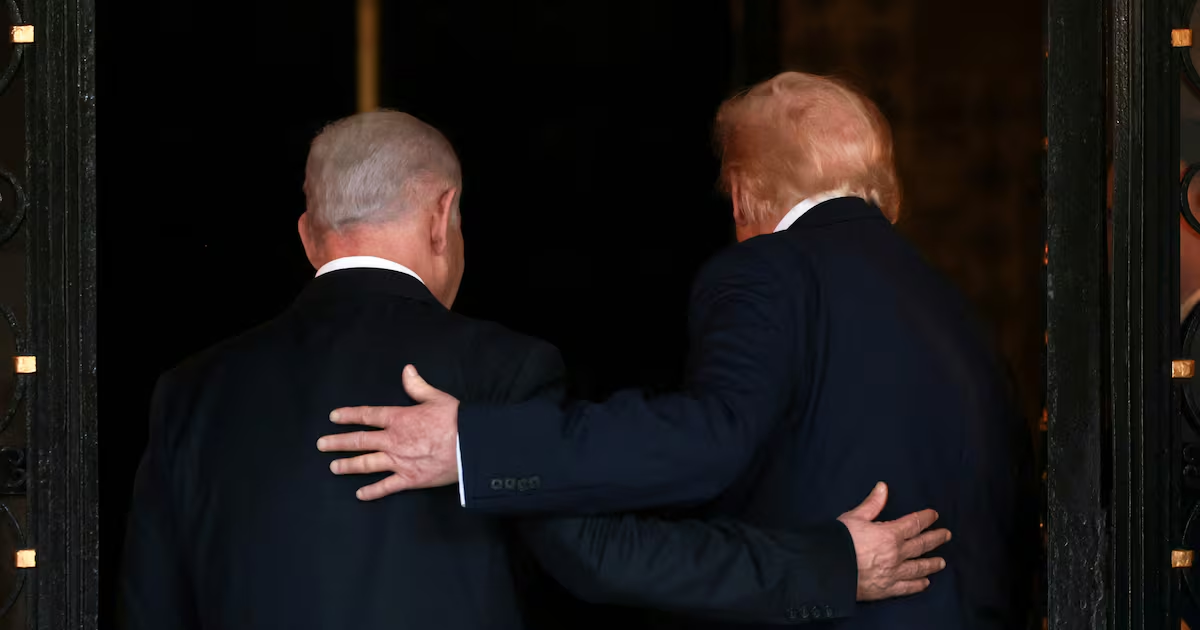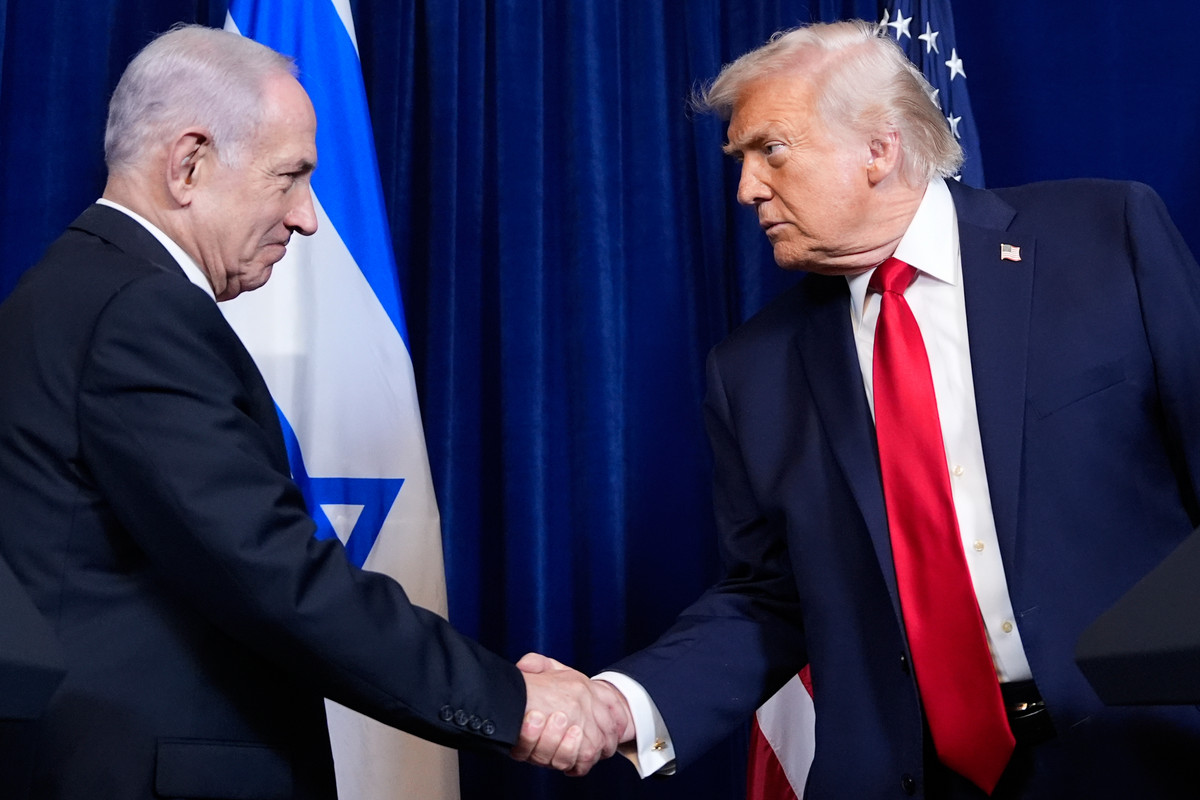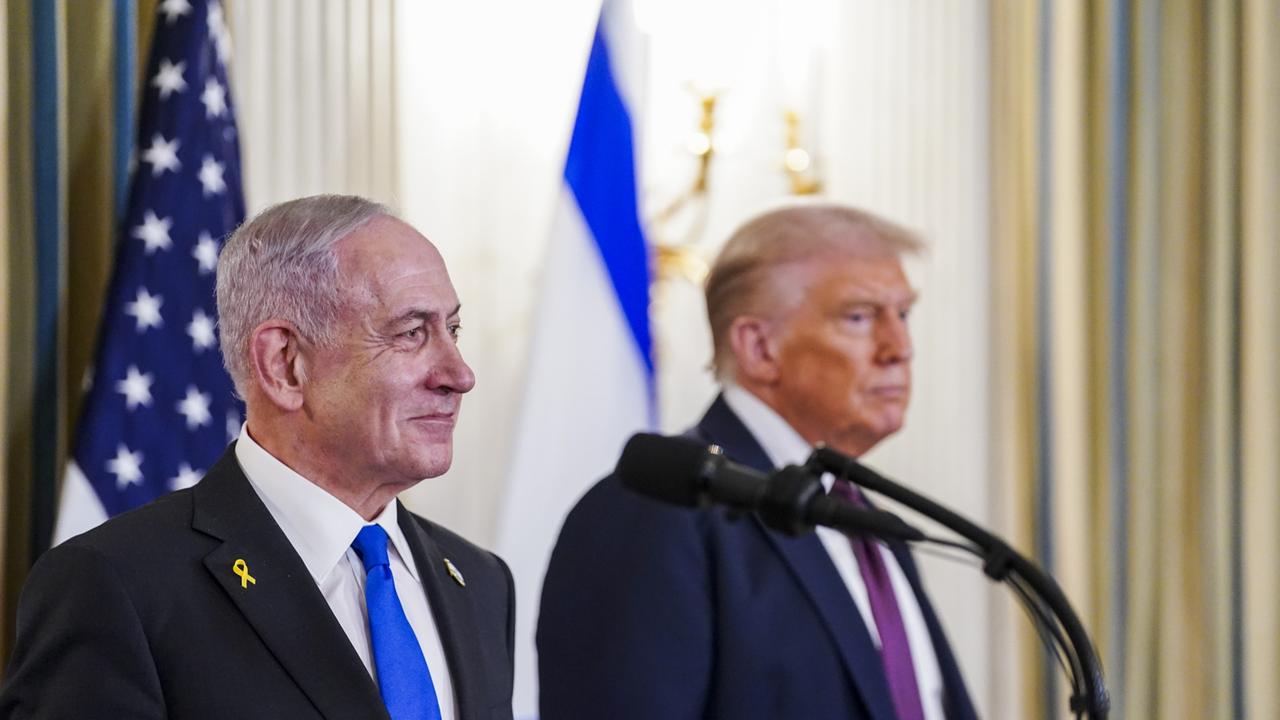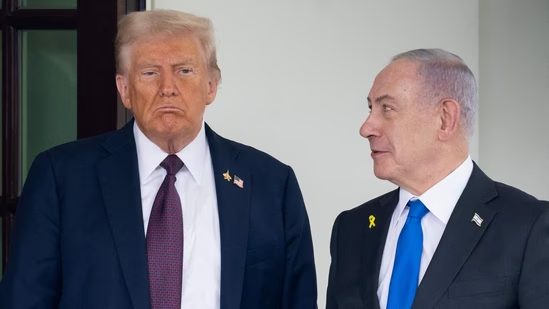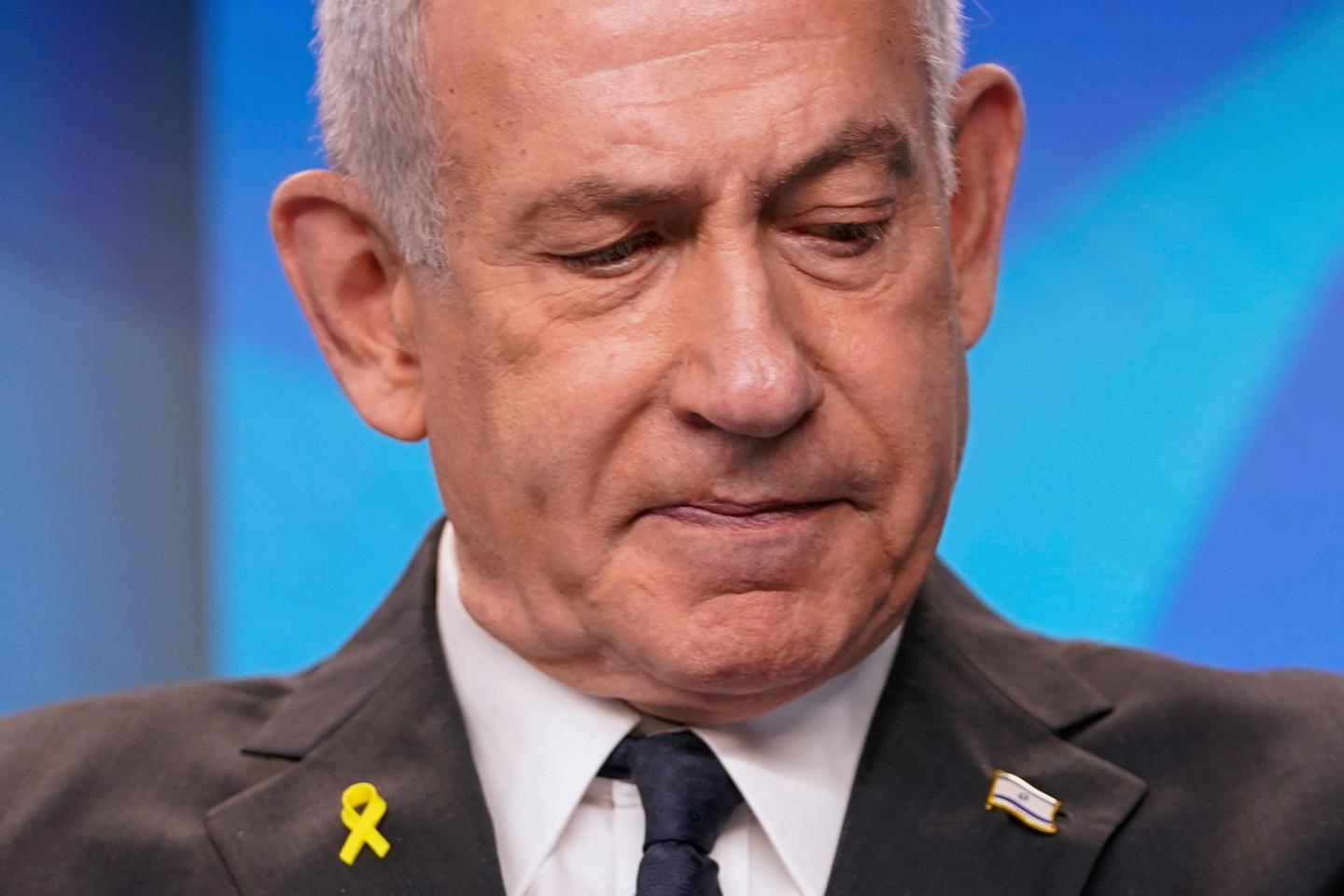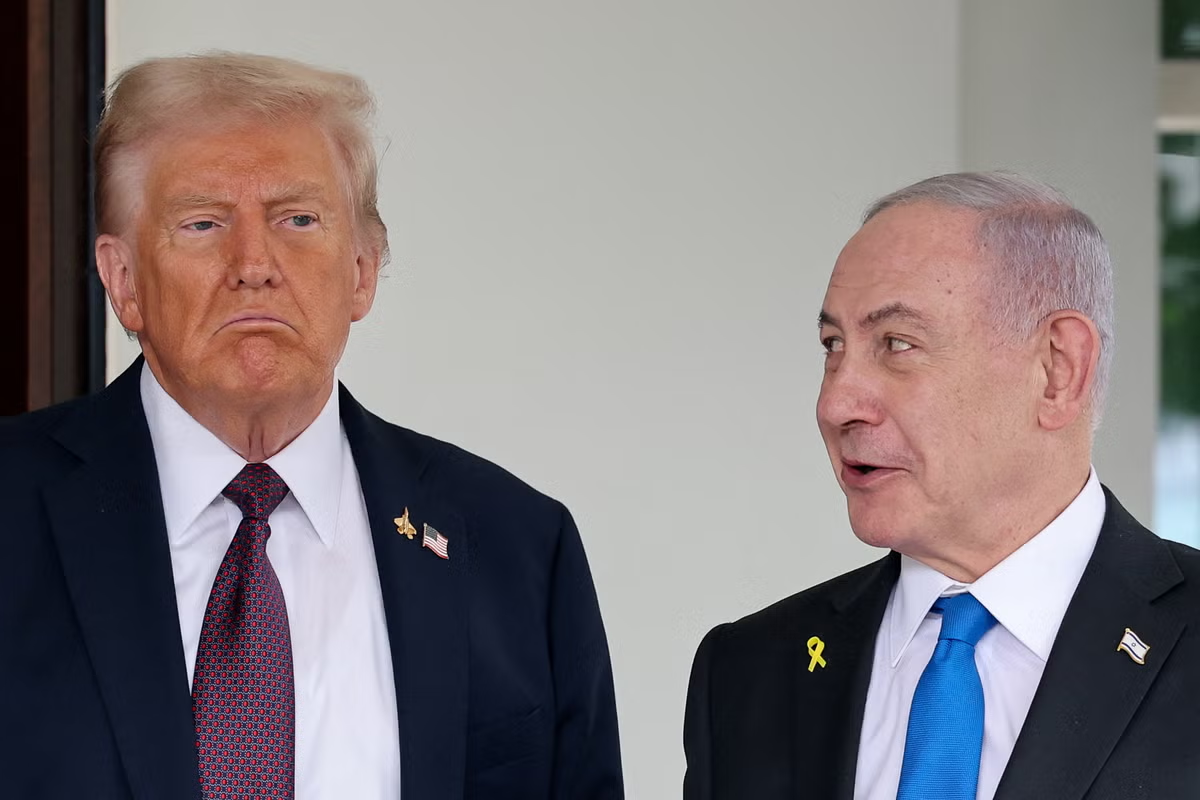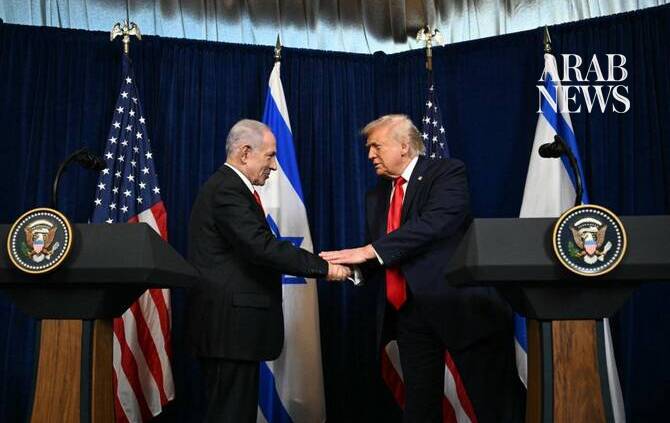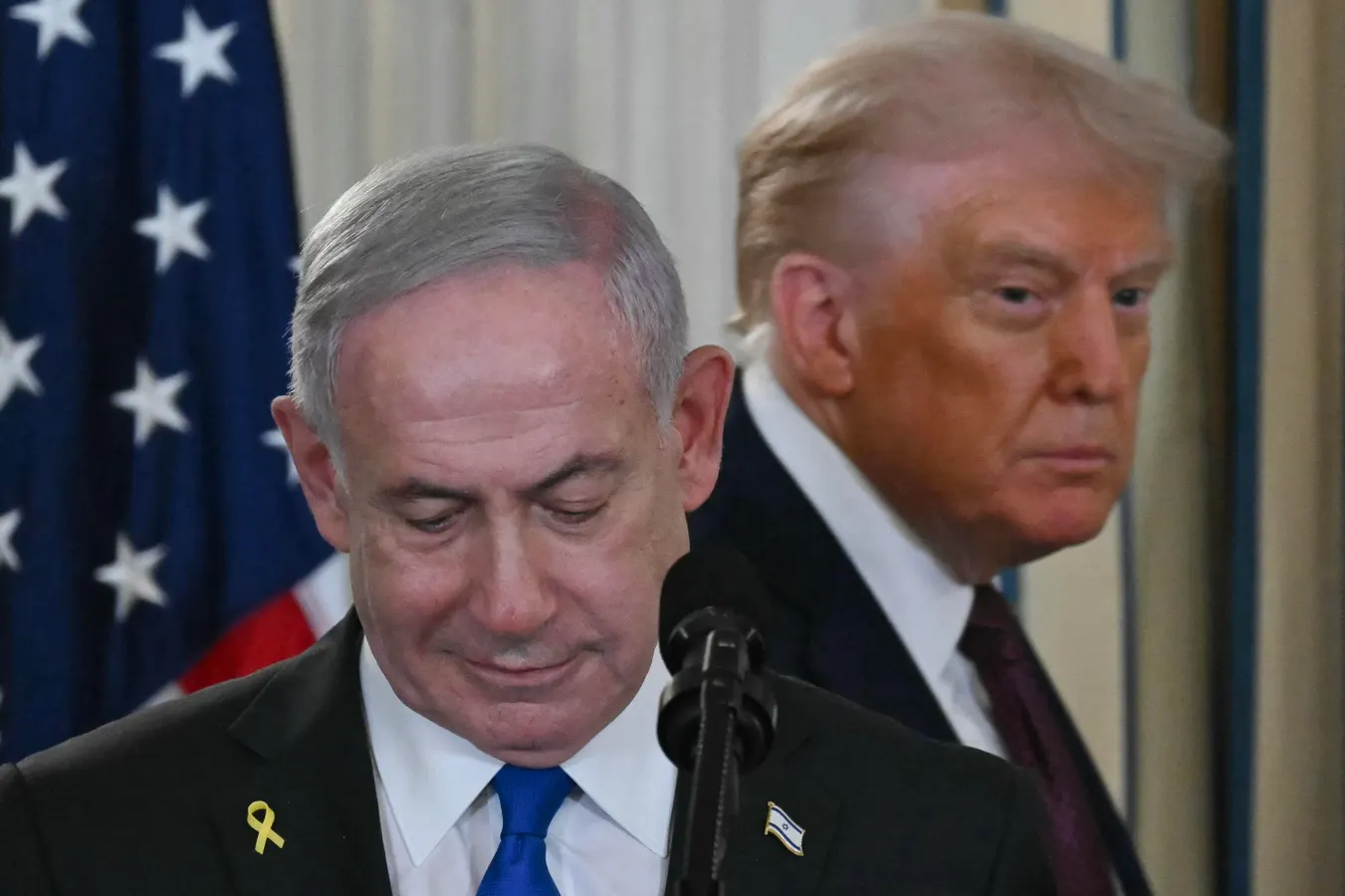
TOPSHOT - US President Donald Trump and Israeli Prime Minister Benjamin Netanyahu (L) arrive for a press conference in the State Dining Room of the White House in Washington, DC on September 29, 2025. Gaza residents would not be forcibly displaced and President Donald Trump would head a transitional body under a peace plan released publicly Monday by the White House. (Photo by ANDREW CABALLERO-REYNOLDS / AFP via Getty Images)AFP via Getty ImagesIsrael launched airstrikes on Iran on Sunday despite US President Donald Trump urging Israeli Prime Minister Benjamin Netanyahu to exercise restraint. Though as of Monday evening Iran and Israel appear to be moving towards de-escalation, Israel’s attacks on Iran were in defiance of Trump’s wishes.Indeed, few alliances are as acrimonious at the moment as the US’s alliance with Israel. While both countries have been mostly on the same page about their security objectives for decades, this is no longer the case. In the past, Israel and the US agreed on containing the threat from Iran and worked together to ensure Israel’s qualitative military edge (QMA) over regional rivals, a commitment that was codified into US law in 2008.Since 1946, the US has provided Israel with over $300 billion (adjusted for inflation) in total economic and military assistance, with Israel purchasing $63 billion worth of weapons. As of 2025, $500 million per year is slated for Israeli and joint U.S.-Israeli missile defense programs.This financial and military support for Israel remains firmly entrenched. Overturning this legal requirement for Israel’s qualitative military edge would require a joint resolution-- or at least 60 votes support in the US Senate, and at least two-thirds support in both houses to override a presidential veto.And there had always been strong bi-partisan support to provide aid to Israel. For decades there was broad agreement that Israel was a stable and highly capable military ally in the Middle East, with US General George Keegan claiming in a 1986 interview that the intelligence that the US received from Israel during the Cold War was equivalent to having “five CIAs.”MORE FOR YOUBut this is no special relationship—à la the partnership between the US and the UK’s—where shared values and interests help make the alliance robust (despite Trump’s recent efforts to complicate matters across the Atlantic).Instead the Israeli-US alliance has often been dogged by questions of who is controlling who. Both Netanyahu and the Trump seem to be jockeying for power in this relationship, as Trump recently stated, “I call all the shots.” Referring to Netanyahu he added, “he doesn’t call the shots.” But this doesn’t sit well with Netanyahu or his cabinet, who have pushed for Netanyahu to stand up to Trump. Equally, the Israeli public sees an outsized American influence on Israel. A 2025 survey by the Israeli Democracy Institute revealed that 45% of the Israeli public thought that Trump/the US had the biggest influence on Israeli foreign policy, compared with only 23% that said Israel itself.Strategic DisagreementsThe first and most pressing area of disagreement is how to end the conflict with Iran, a war which Netanyahu convinced Trump was winnable. Trump wants to maintain the ceasefire, while Netanyahu has other plans. With its war with both Iran and Lebanon, Israel believes it is just getting started, having outlined a plan to occupy the south of the Lebanon back in March.In contrast, public support for military action against Iran in the US stands at roughly 36%, while more than 80% of Israelis support continuing operations against Hezbollah—a rarity in such a polarized society.Israel was also not on the same page as the US about removing the sanctions on Syria after its President Ahmed al-Sharaa came to power, ending US strikes on the Iran-backed Houthis, and demanding that Israel end its 12-day war with Iran in 2025. Israel has also not been a party to US talks with Iran, which have been conducted through Pakistan instead, and Israel was not informed of the US-Iran ceasefire plan until the late stages of discussion, irking Netanyahu.Meanwhile, the US has become increasingly concerned that Israel exerts too much influence over Washington. Even before the recent conflict in Iran started, a 2025 survey by the Tyson group found that 54% Americans thought Israel had too much influence over US policymaking. A more recent survey by Pew Research conducted in April of this year found that 60% of the US public had an unfavourable or somewhat unfavourable image of Israel.Further concern has been generated by reports that Israel’s counterintelligence threat to the US has increased from high to critical. The New York Times reported on Sunday that the Pentagon is concerned that Israel is engaging in aggressive intelligence collection on top US officials, accusing the Israelis of tapping the phones of American defence personnel in Israel and eavesdropping on Trump’s top negotiator Steve Witkoff.Public Rift between Trump and NetanyahuAs for Netanyahu and Trump’s relationship, they have experienced tension before. Trump was reportedly furious at Netanyahu for congratulating Joe Biden after he won the 2020 election. Fast forward to today and tensions have erupted again over conflicting views on how to address Hezbollah. Trump believed he had convinced Netanyahu to wait to attack Hezbollah targets because the conflict in Lebanon was complicating efforts to maintain the ceasefire and to negotiate an end to the war with Iran. Supposedly due to Trump’s pressure to not target Beirut, Netanyahu agreed to halt a planned operation against Hezbollah earlier this month. This led to uproar in Israel with one of Netanyahu’s key rivals, Naftali Bennet accusing Netanyahu of “losing control over Israel’s sovereignty.”Then in an infamous acrimonious phone call from last week, Trump admitted to the press that he had called Netanyahu “crazy”—constituting one of the most heated interactions between the two men thus far. But in defiance of Trump, Netanyahu carried out air strikes in Beirut’s southern suburbs on Sunday anyway—showing he could not be completely controlled.Some of these differences between Israel and the US may have always existed, with experts arguing that they are just more visible today. But clearly there are growing divisions. While the two countries’ military and economic ties are strong and stable, it’s unclear whether the US-Israel alliance can remain as close as it was in the past given their increasingly divergent strategic priorities.
Cracks In The Alliance: The Changing Dynamics Of US–Israel Relations
The US and Israel have always been close but their relationship is being put to the test over strategic differences, different domestic pressures and conflicting egos
1,042 words~5 min read