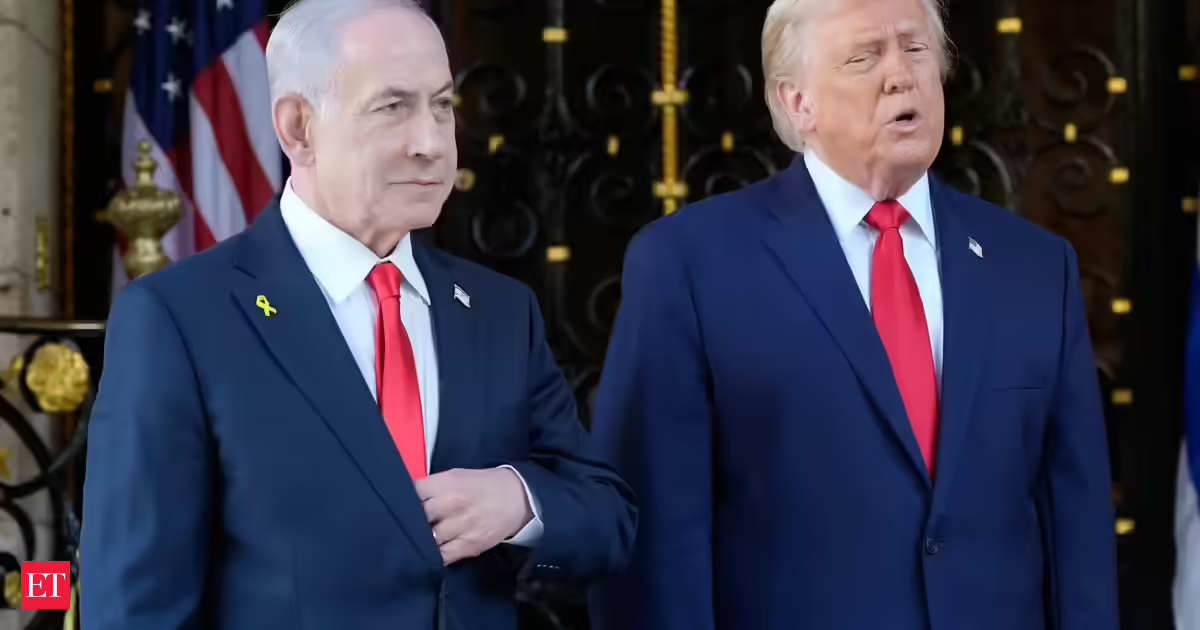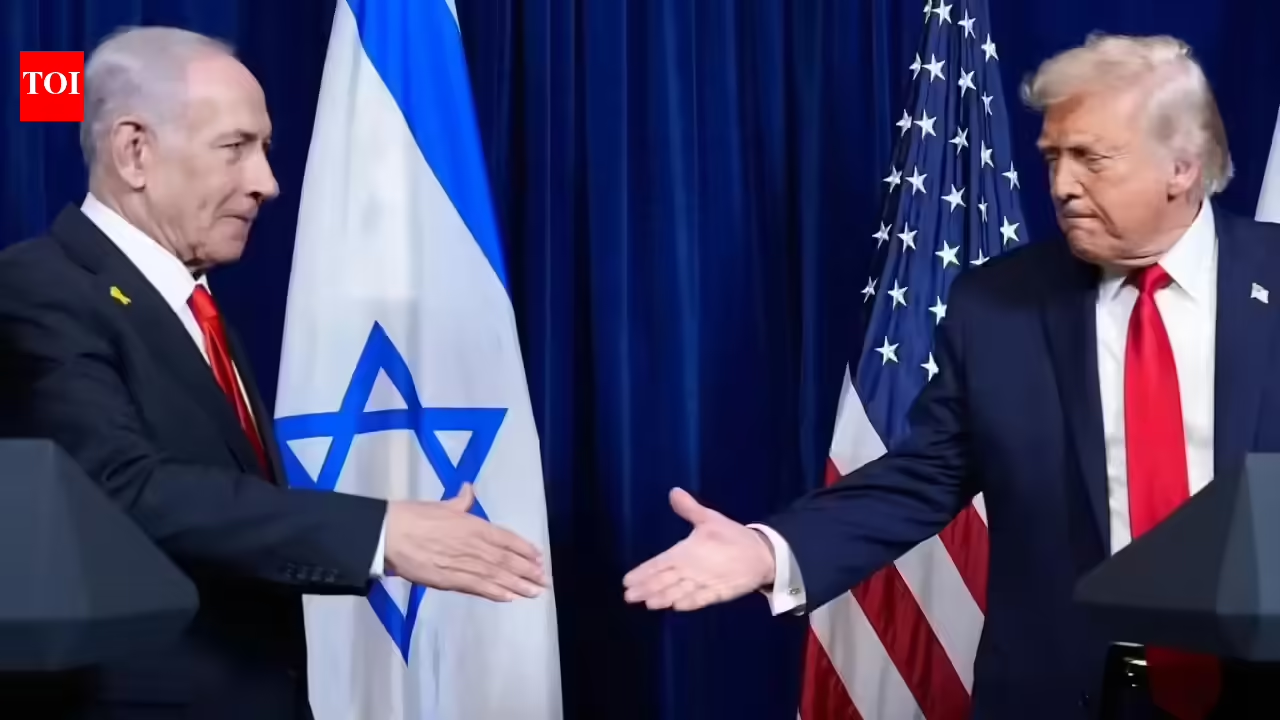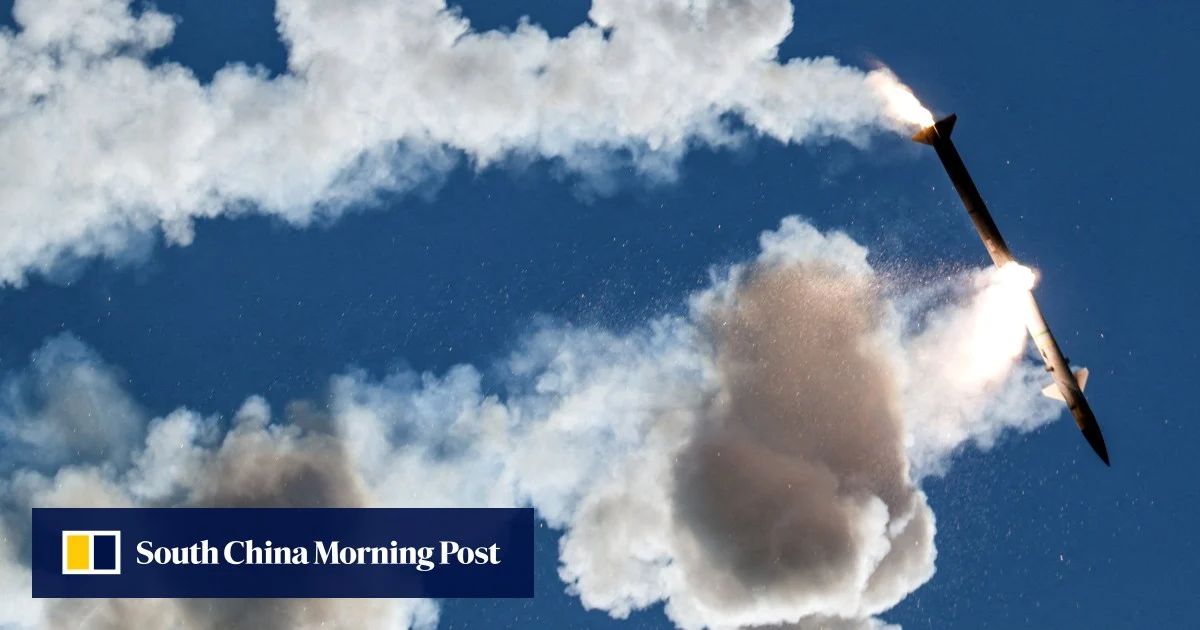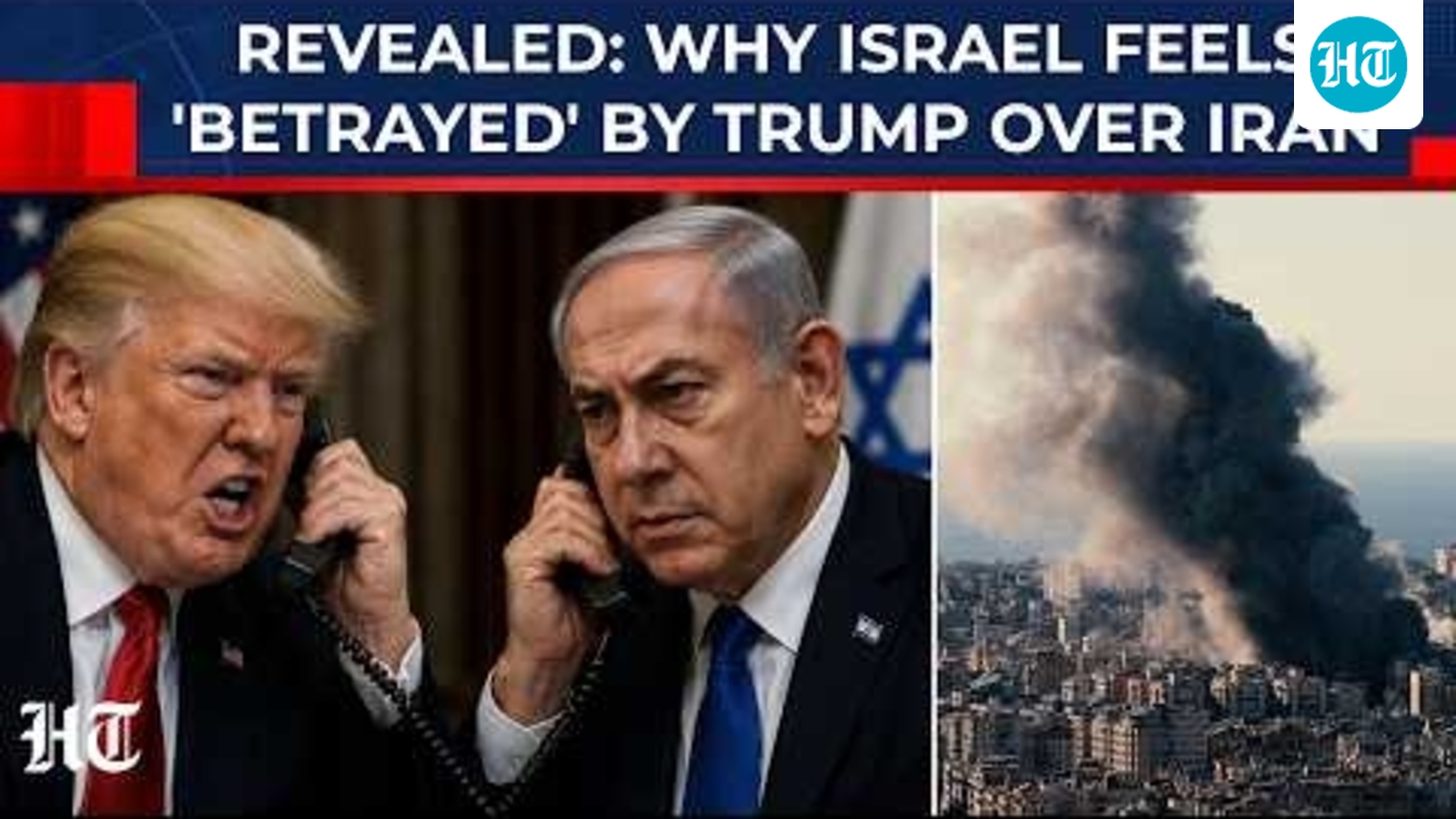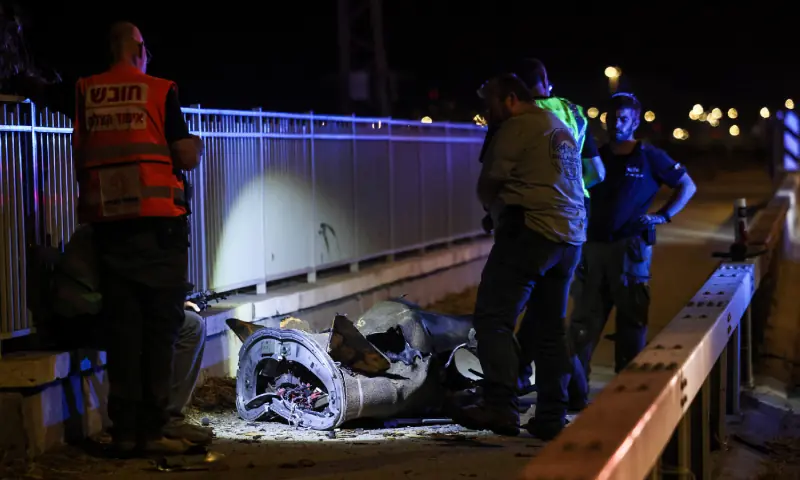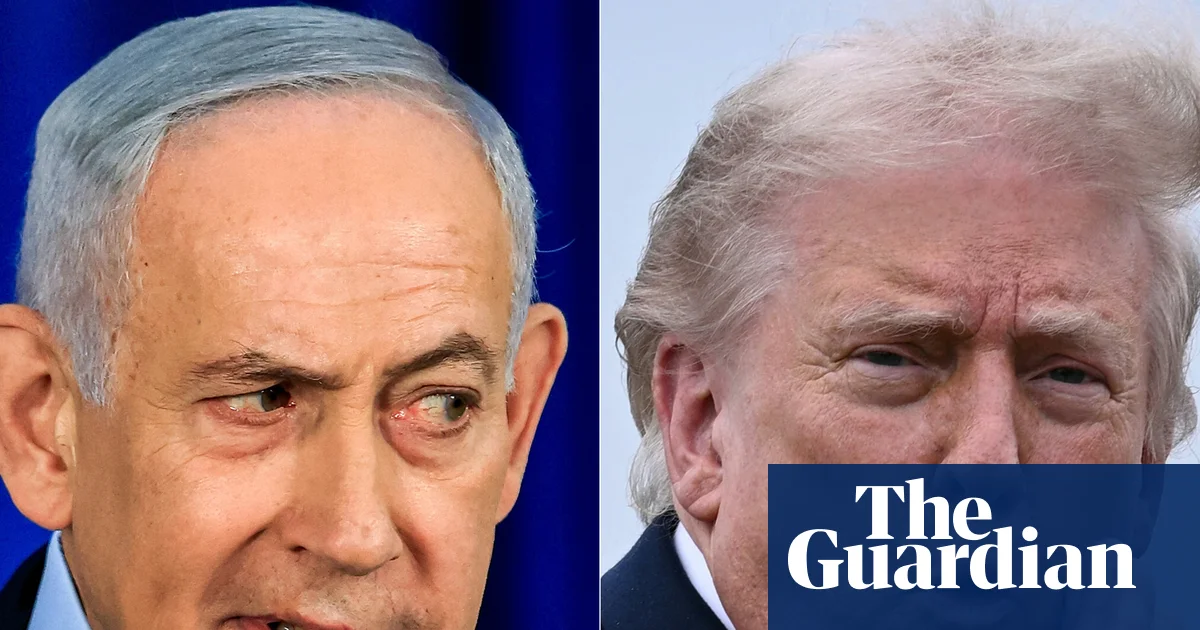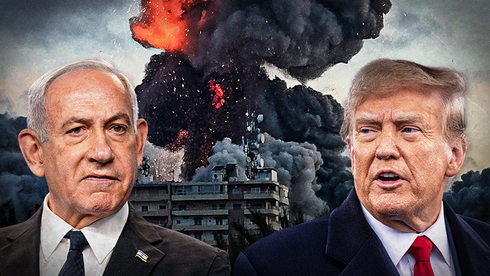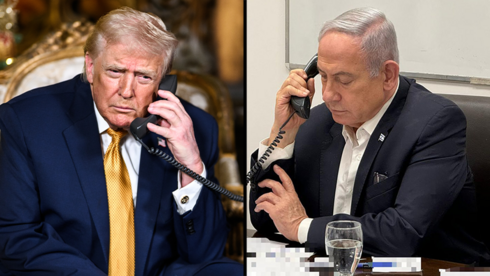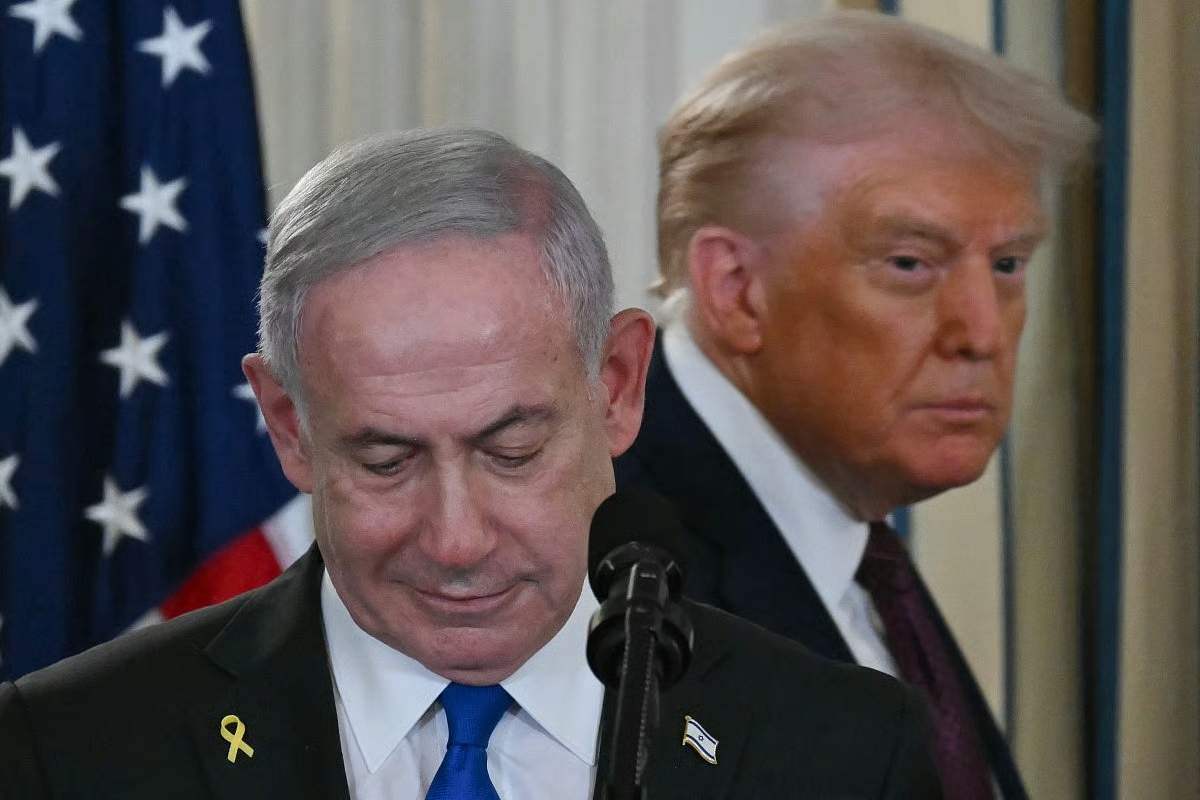
latest crisis has revealed diverging priorities in Washington and JerusalemLast updated: June 08, 2026 | 19:553 MIN READThe latest tensions come as the Trump administration pushes for a diplomatic agreement with Tehran, even as Israel argues that military pressure remains necessary to counter Iranian threatsAFP fileDubai: Iran has announced a suspension of its latest military operations, while US President Donald Trump has urged both sides to "immediately stop shooting." But the latest exchange of strikes has exposed growing differences between Washington and Jerusalem over how to deal with Tehran.Those differences came into focus after Trump reportedly urged Israeli Prime Minister Benjamin Netanyahu not to retaliate following Iran's missile attack on Sunday night. Hours later, Israel struck targets in Iran, underscoring a widening gap between Washington's diplomatic push and Israel's security calculations.The developments have brought into the open a disagreement that had been building for weeks, exposing differences over diplomacy, military pressure and the endgame with Iran.The latest tensions come as the Trump administration pushes for a diplomatic agreement with Tehran, even as Israel argues that military pressure remains necessary to counter Iranian threats.According to Axios, Trump personally called Netanyahu after Iran launched missiles at Israel in response to an Israeli strike on Hezbollah targets in Beirut. During the conversation, Trump reportedly urged the Israeli leader not to retaliate and warned against steps that could jeopardise ongoing negotiations with Iran.‘Cycle needs to end’A US official told Axios that Netanyahu was “expressly told the cycle needs to end” and stressed that Washington “didn’t agree or support these strikes.”However, several hours later, Israel launched strikes on military targets in Iran, triggering another round of missile attacks from Tehran.Trump has sought to project confidence that diplomacy can survive the latest escalation. Posting on social media Monday, he urged both countries to “immediately stop shooting.” Earlier, he insisted the violence would not derail negotiations, saying: “The deal may make it on its own merit, or not, but this will not have any effect on it.”The episode comes amid increasingly public signs of friction between Trump and Netanyahu. In an interview with the Financial Times, Trump said Netanyahu would have no option but to accept any agreement Washington reaches with Tehran.“He won’t have any choice,” Trump said. “I call the shots. I call all the shots. He doesn’t call the shots.”The tensions are unfolding against a backdrop of domestic political pressures for both leaders, with Trump seeking a diplomatic success ahead of thei November’s midterm elections and Netanyahu facing a difficult re-election battle at home.According to a New York Times analysis, renewed tensions with Iran may offer Netanyahu certain political and strategic advantages. The newspaper noted that standing up to Trump could help reassure parts of his political base at a time when he faces a difficult re-election battle.Continued escalation carries serious risksThe report also said Netanyahu fears a US-Iran agreement could restrict Israel’s freedom to act against Hezbollah and other Iran-backed groups across the region.Some Israeli analysts believe maintaining military pressure could strengthen Israel’s hand. Eyal Hulata, a former Israeli national security adviser, told the newspaper: “Now it depends on what the Iranians do.”Referring to Iran’s missile response, he added: “I assume that they wanted to vent, not that they wanted a couple of weeks of Israeli jets all over their skies.”Others warned that continued escalation carries serious risks. Danny Citrinowicz, a former Israeli military intelligence officer, told the newspaper: “There are no good choices here.”He argued that a wider confrontation could draw in Iran-backed groups across the region, while forcing Israel into an increasingly difficult balancing act between military objectives and US diplomatic efforts.For now, Iran says it is suspending its operations but has warned of a stronger response if attacks continue. Trump insists a deal remains within reach. Netanyahu, meanwhile, appears determined to maintain pressure on Iran.Whether the latest crisis becomes a temporary disagreement or a deeper rift between two of the region’s closest allies could determine the fate of both Trump’s diplomatic push and the broader Middle East security landscape.A Senior Associate Editor with more than 30 years in the media, Stephen N.R. curates, edits and publishes impactful stories for Gulf News — both in print and online — focusing on Middle East politics, student issues and explainers on global topics.
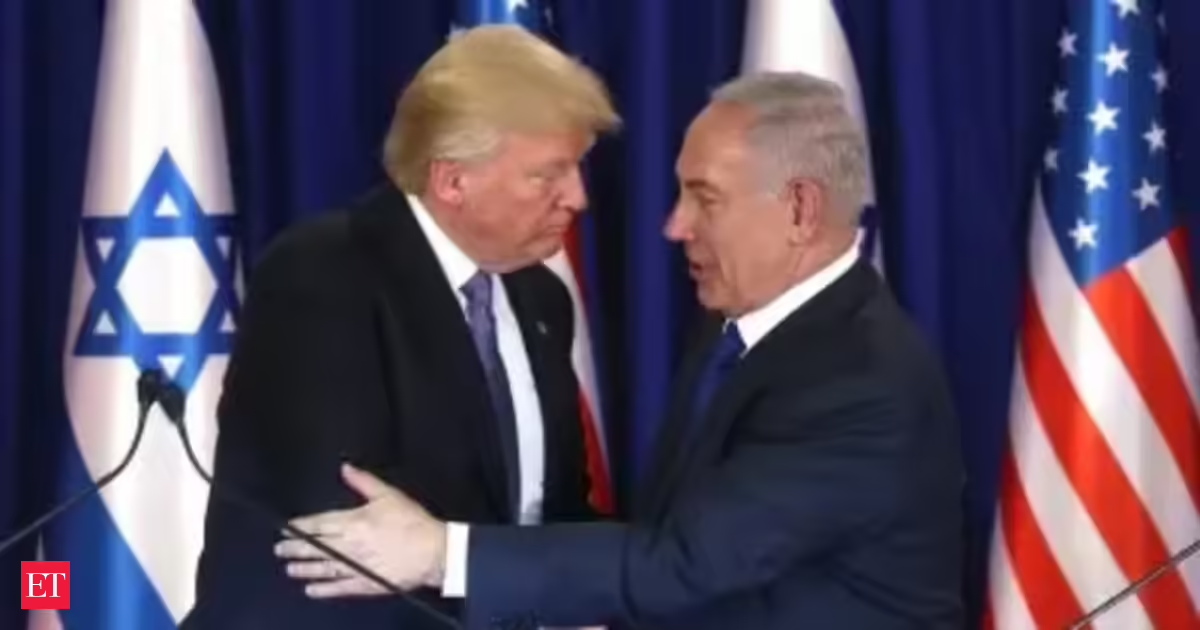
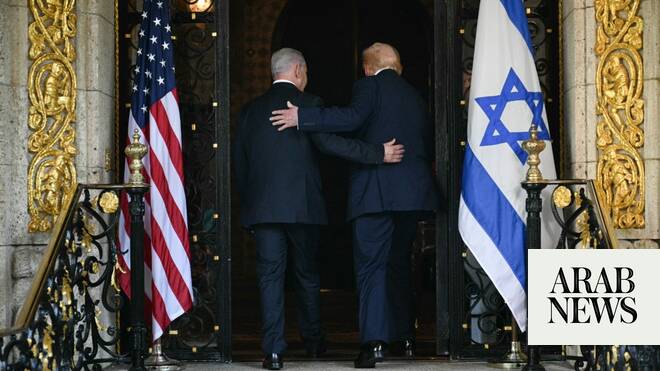
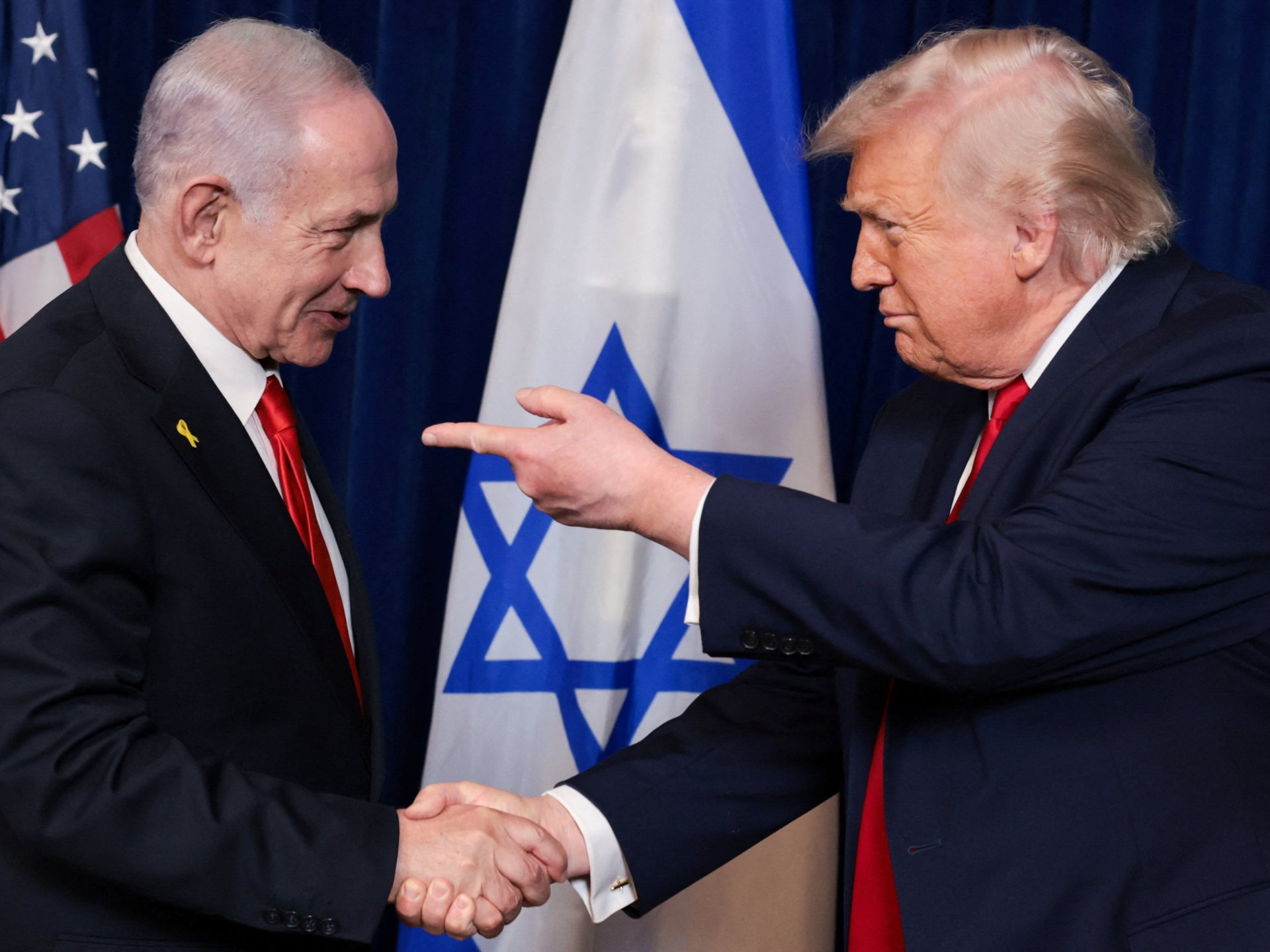
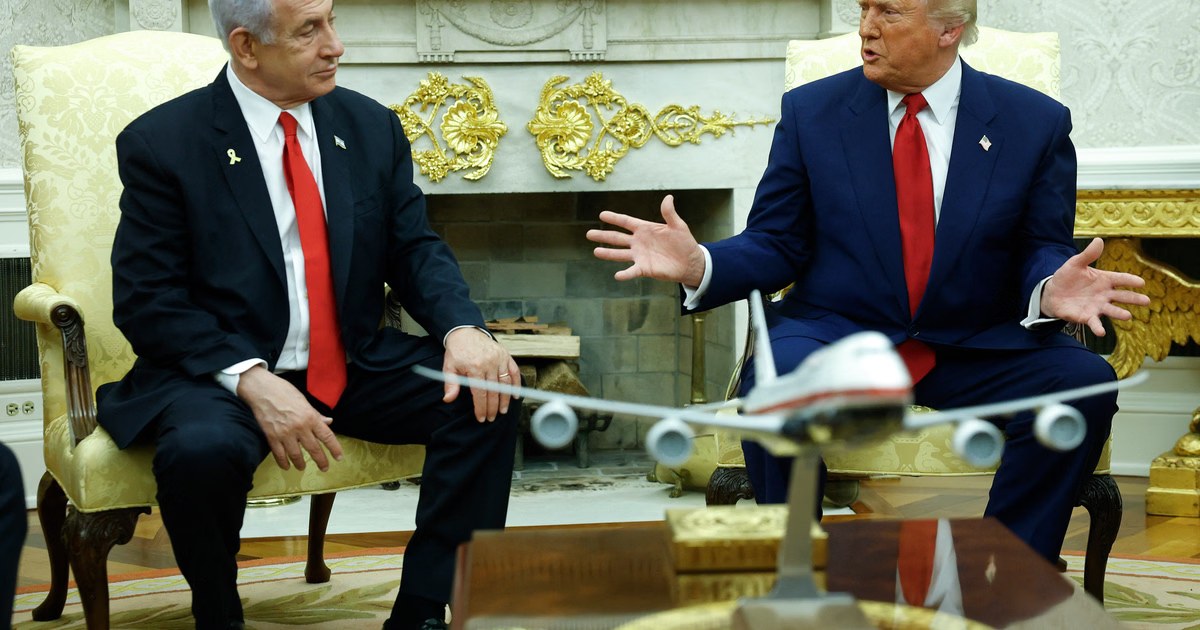
Why Trump and Netanyahu are clashing over Iran
Trump and Netanyahu clash over Iran strategy as US pushes diplomacy and Israel insists on military pressure amid escalating missile strikes.
777 words~4 min read