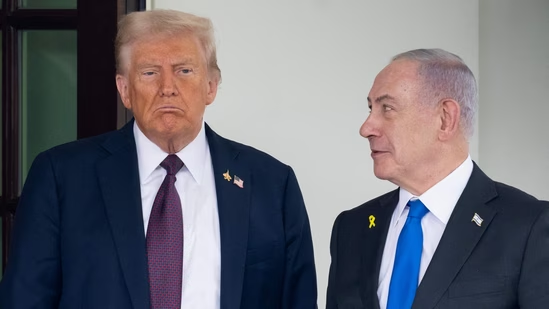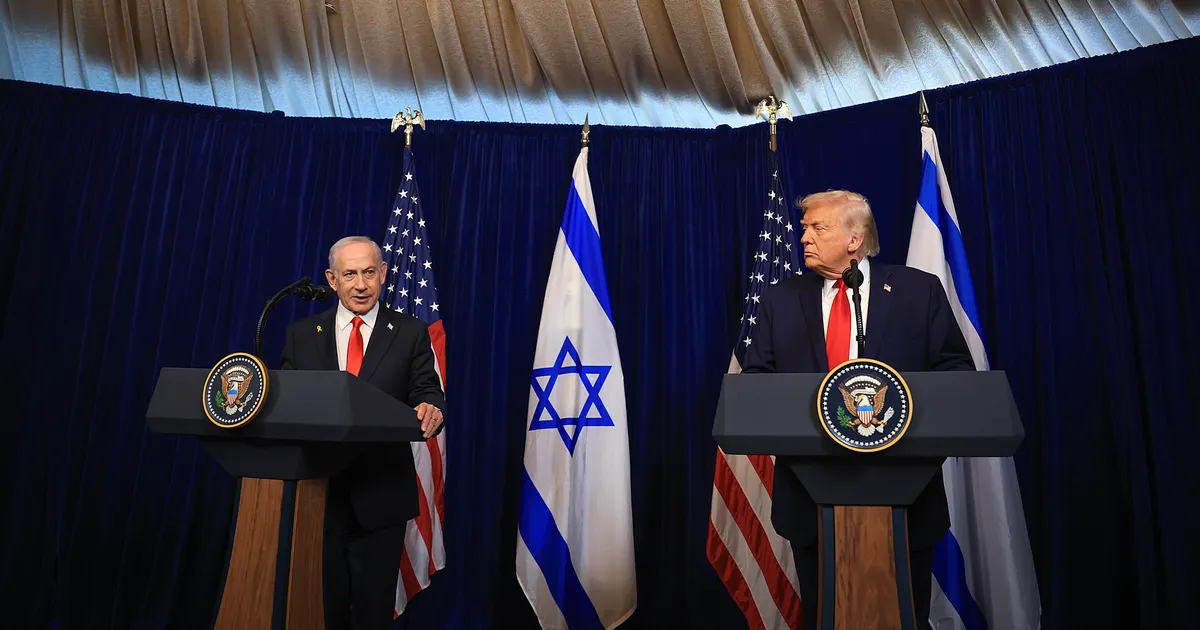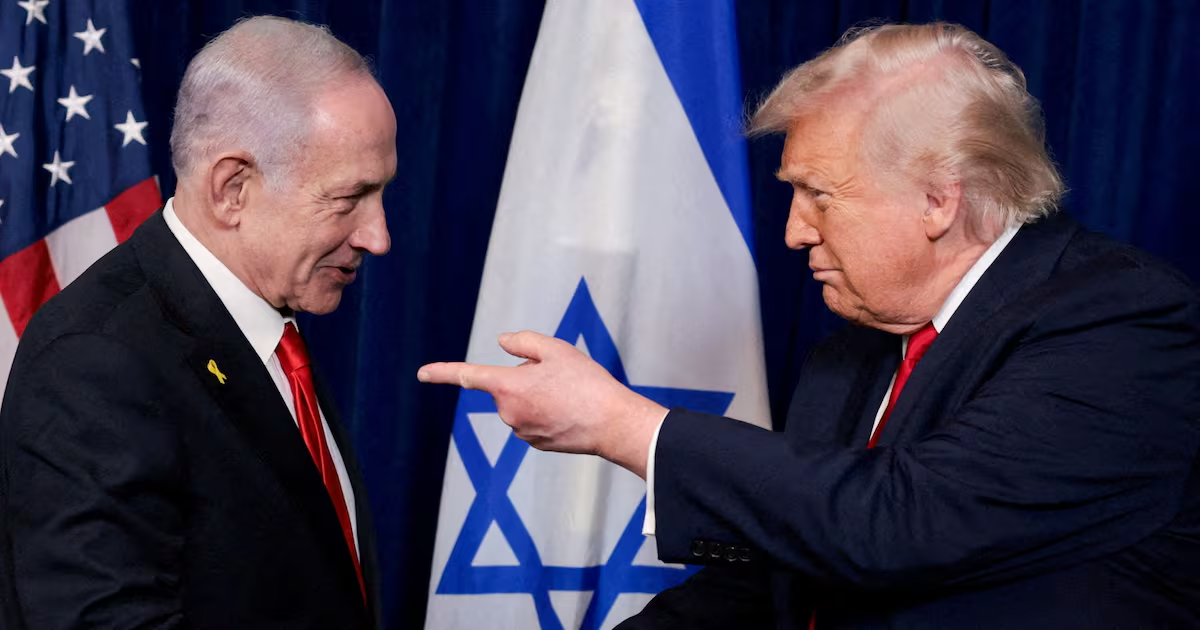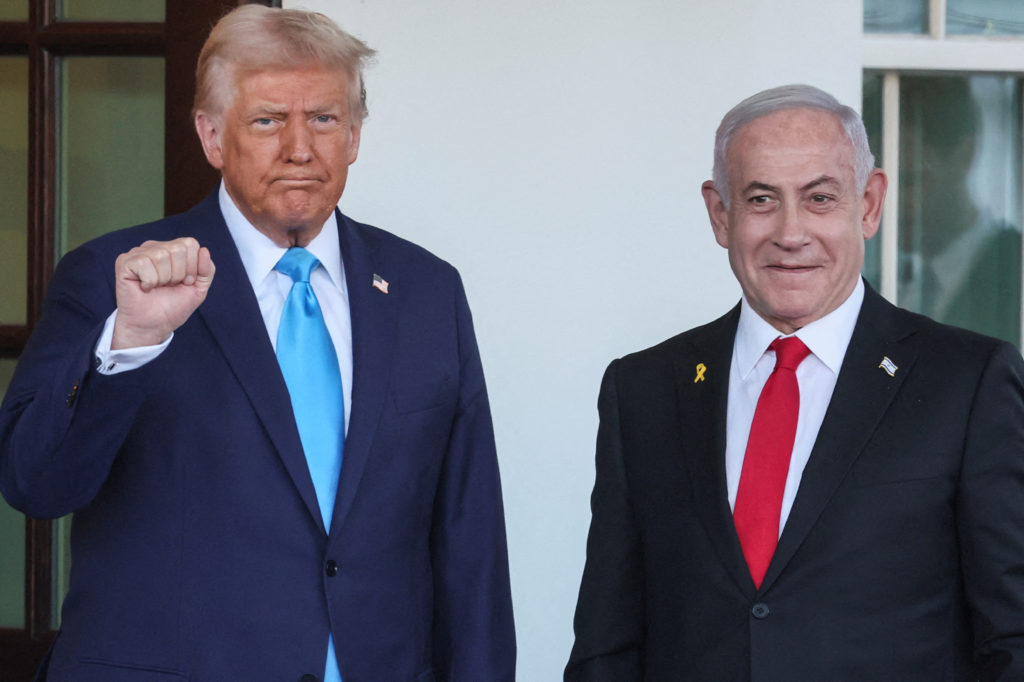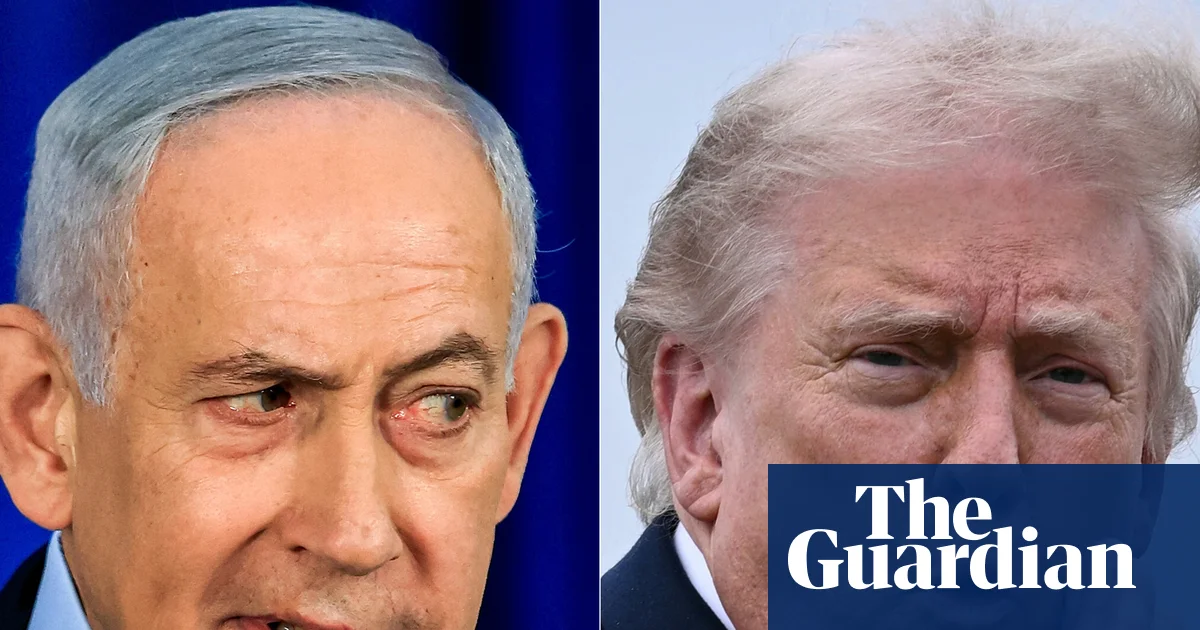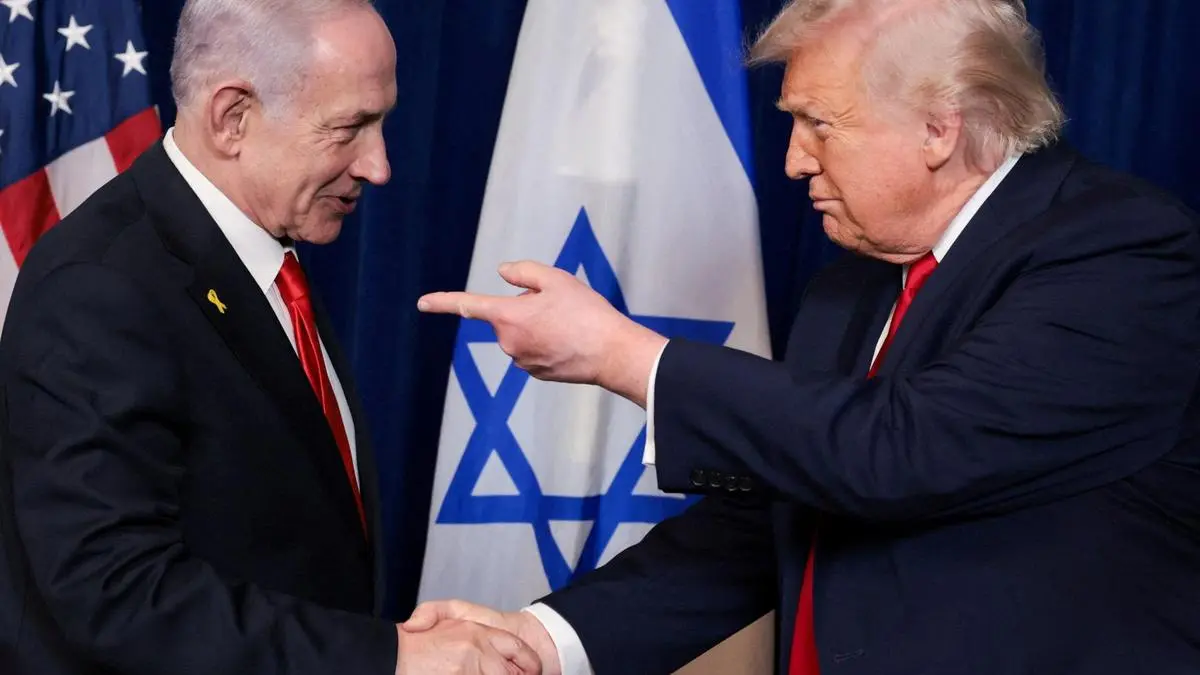
US President Donald Trump is irked with Israeli Prime Minister Benjamin Netanyahu for being a stumbling block in the peace process with Iran
| Photo Credit:
Jonathan Ernst
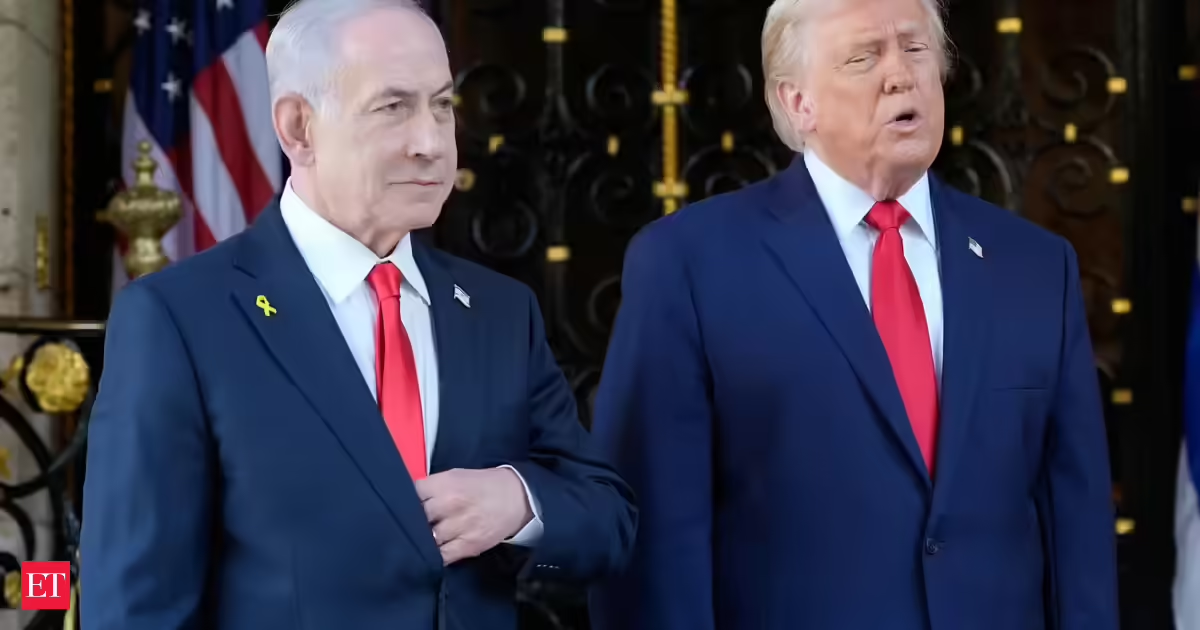
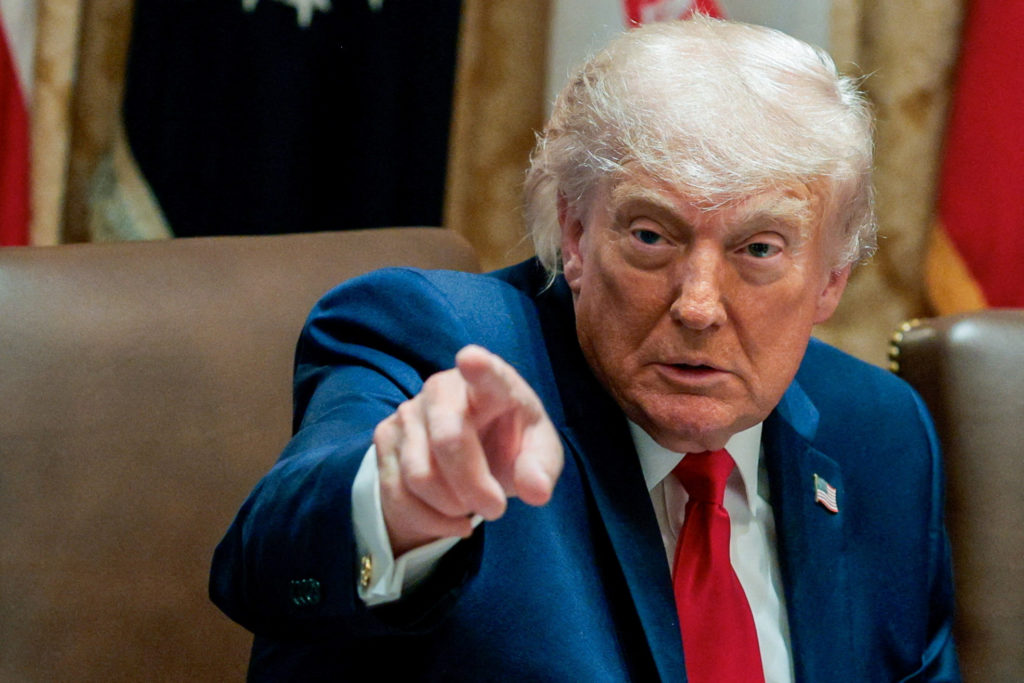
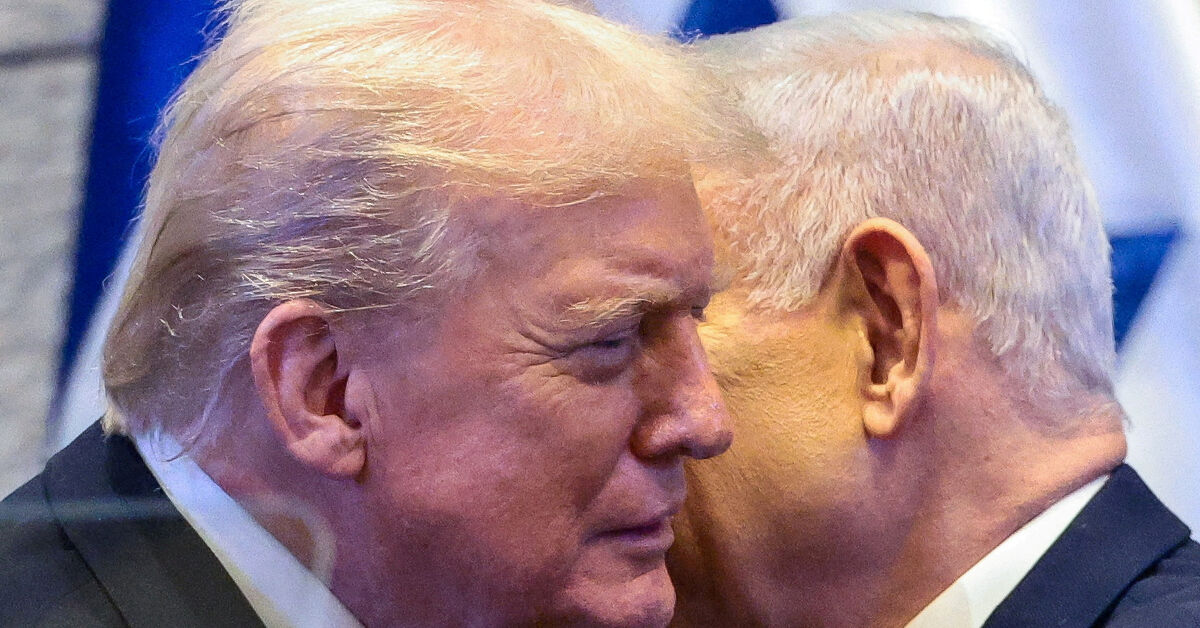
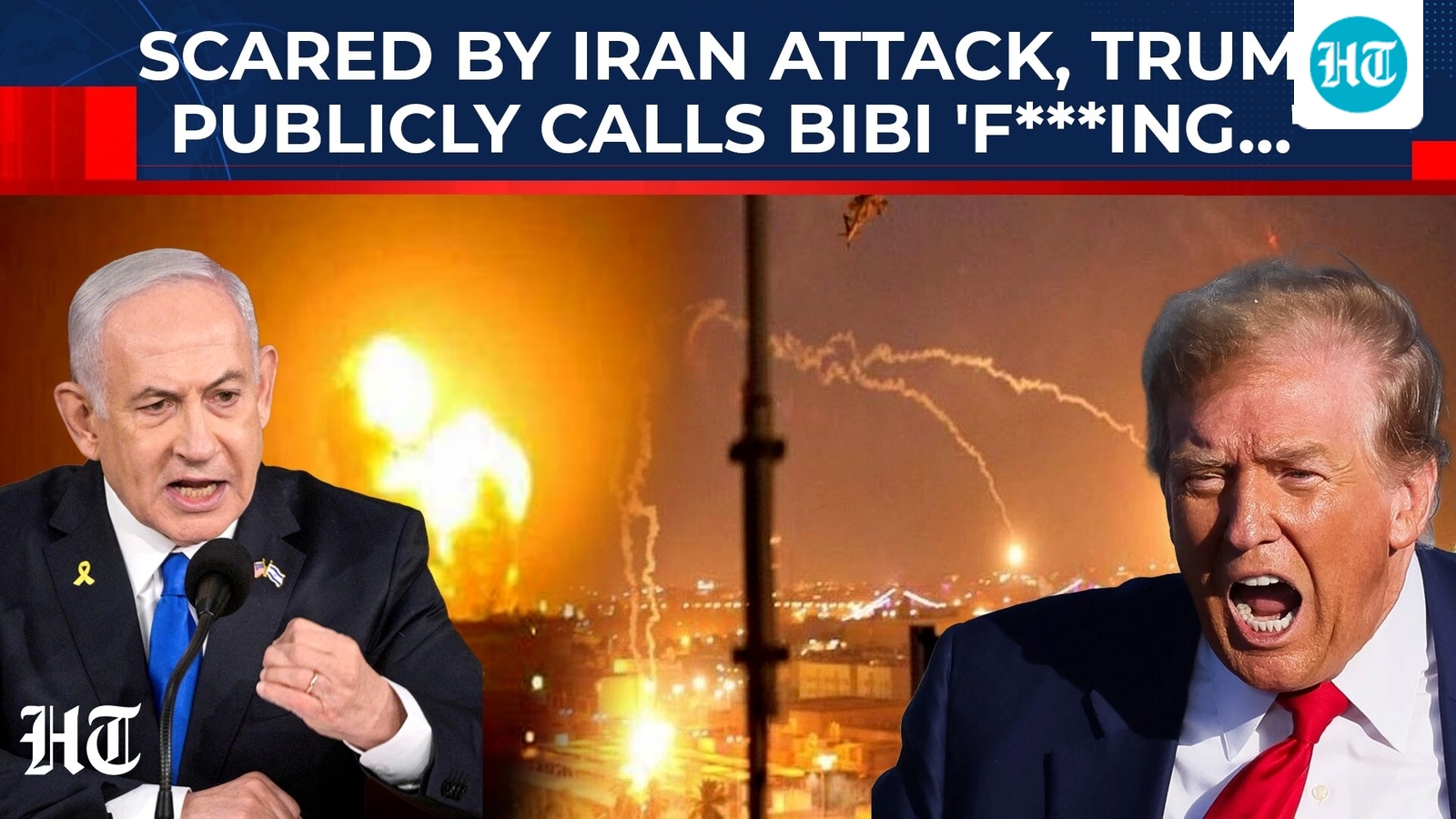
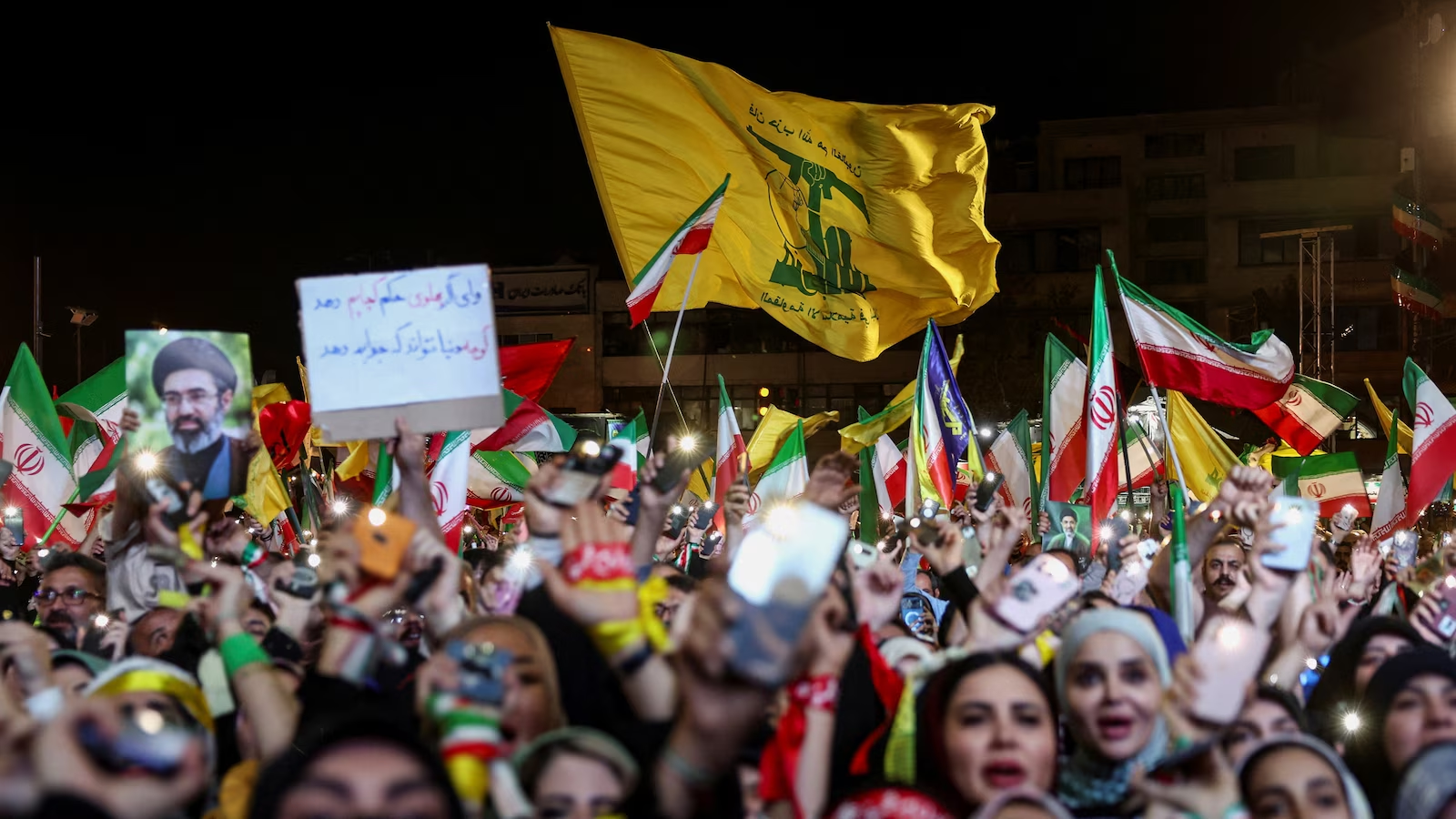
It is not one of those expletive ridden rants that can be passed off as a casual conversation between two friends over a drink; nor can it be seen as family members having an argument at breakfast and making up over lunch. When President Donald Trump picked up the phone and called the Israeli Prime Minister Benjamin Netanyahu, it was more than letting loose some frustration. It was anger at someone seen as wrecking a peace process that has been difficult to put together and now seemingly in the final stages.“You’re f***ing crazy. You’d be in prison if it weren’t for me. I’m saving you’re a**. Everybody hates you now. Everybody hates Israel because of this,” President Trump is said to have told Prime Minister Netanyahu in a call, first cited by American news website Axios. “What the f*** are you doing,” the President is also said to have yelled. When asked if he had indeed used explicit comments against Prime Minister Netanyahu, President Trump did not hesitate: “I did. I was a little bit perturbed at his constantly fighting with Lebanon,” he said in a podcast.These are difficult times for President Trump and heading the pack is in the inability to finalize an agreement with Iran which is insisting on bringing Lebanon into the picture and refusing to come back for negotiations as long as Israel keeps hammering away at Beirut and its neighbourhood. If opening the Strait of Hormuz fully to international traffic is one major challenge, drawing up the parameters of cooperation on the nuclear programme is daunting to say the least. Critics are anxious to draw comparisons between what is going to be achieved now as opposed what President Trump walked away from in 2018 on the pretext that what President Barack Obama came up with in 2015 by way of the JCPOA (Joint Comprehensive Plan of Action) was weak.Defying the White HouseThe bigger headache for President Trump is on Capitol Hill where Republican lawmakers are defying the White House and moving away. The House of Representatives issued a rare rebuke to President Trump by adopting a Resolution to curb his war powers on Iran with four Republicans joining all Democrats to make this possible. Symbolic as it is, this concurrent resolution now heads to the Senate where it has a low chance of getting through; and even if it did, does not carry the “weight of law”. Lawmakers from the Grand Old Party are worried of the upcoming midterms in November; and are willing to take the risk of being against the White House. The Democrats in the House and Senate may not be winning key votes or amendments but are able to attract dissidents from the Republican Party. And this is seen as a “political win”.But Lebanon is not just a problem for President Trump. It is for Prime Minister Netanyahu too. Hardline supporters of the Likud coalition, especially in the northern areas of Israel, are moving away out of a perception that Prime Minister Netanyahu is not strong enough on Lebanon and with the Hezbollah. And just as there is criticism of President Trump being led around by Prime Minister Netanyahu, the Israeli leader is being accused of acting on the orders of Washington. The prospect of elections in the Jewish state expected around October, this is not a happy political season for Prime Minister Netanyahu either. A defeat at the hustings will result in a lot of domestic problems with regional implications.The big question now is if the steamy call from President Trump is a one-off incident that can be cast away easily or a blunt warning from the American leader of the broader implications of a changing attitude of Republicans and Democrats, not just to Prime Minister Netanyahu but to the state of Israel as well. Passing off pointers as routine antisemitic or from leftist pro-Palestine loonies spell trouble to both political establishments, not just from a short term electoral point of view.The writer is a senior journalist who has reported from Washington DC on North America and United NationsPublished on June 8, 2026