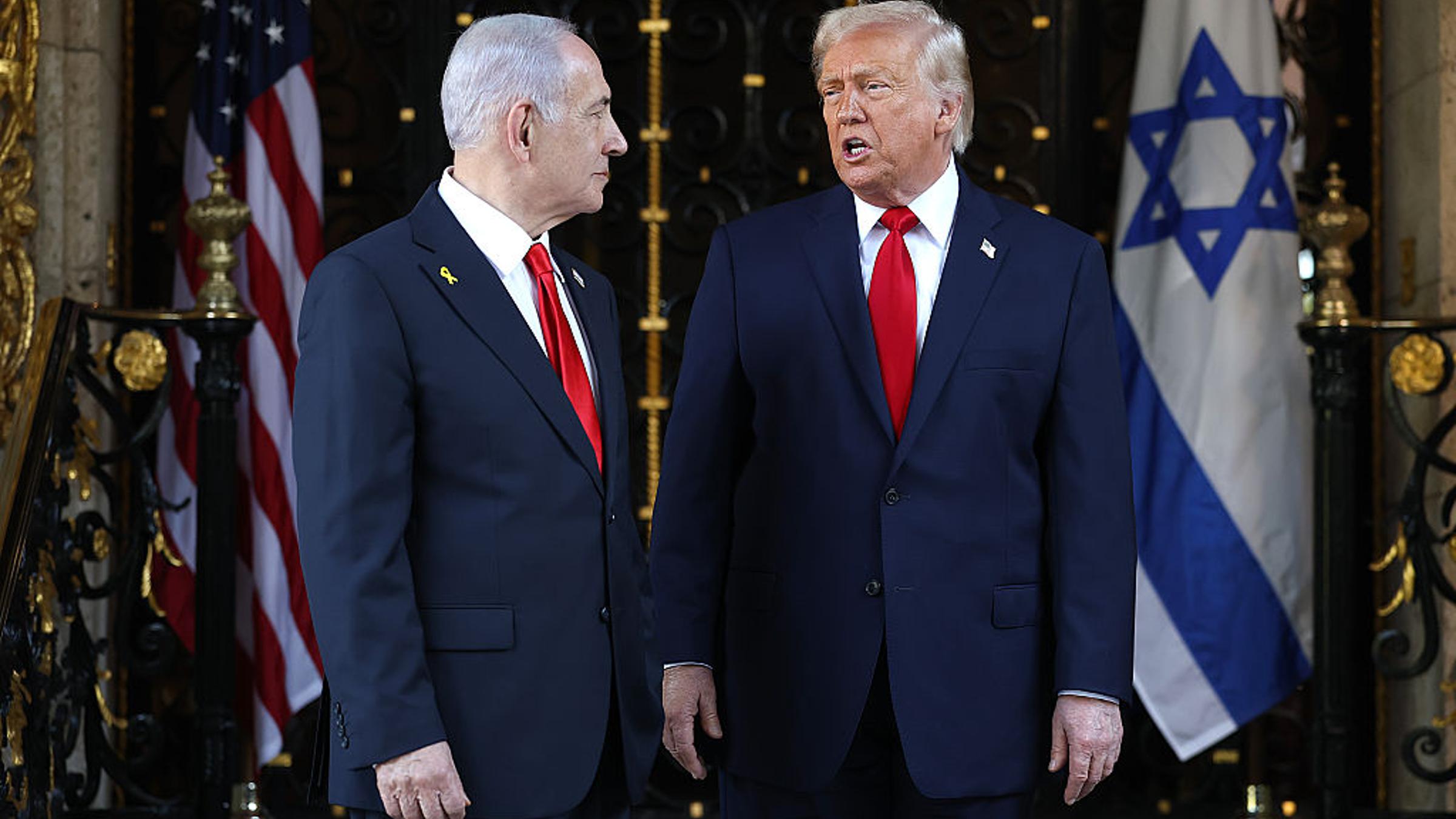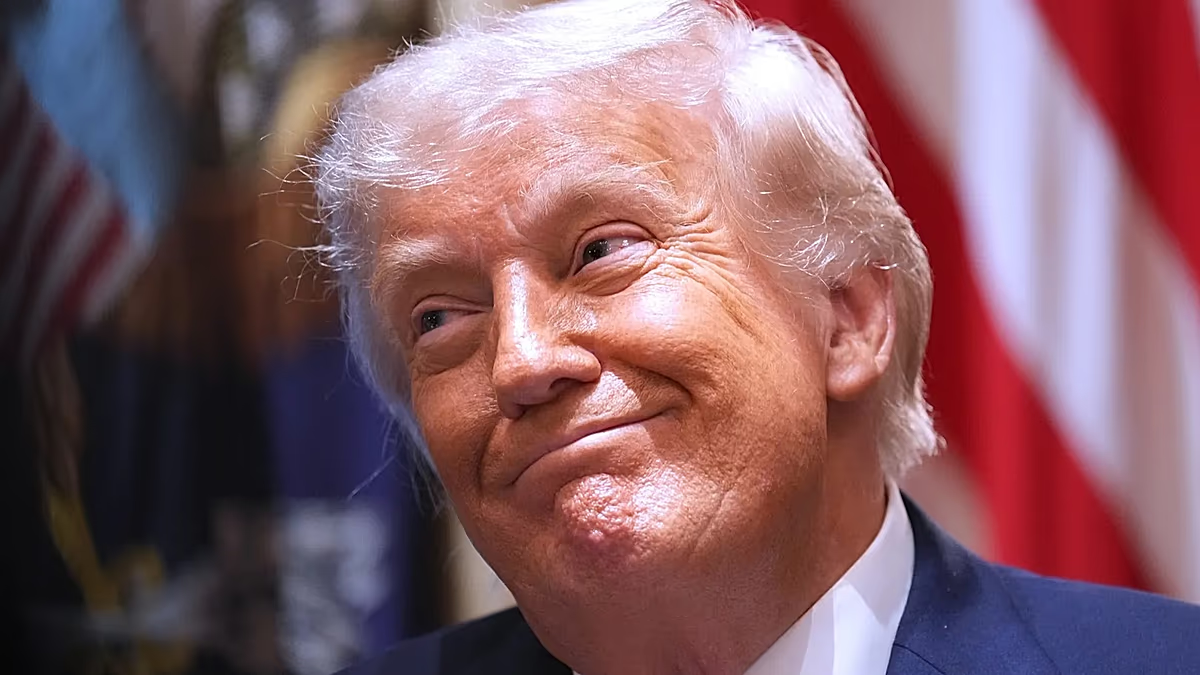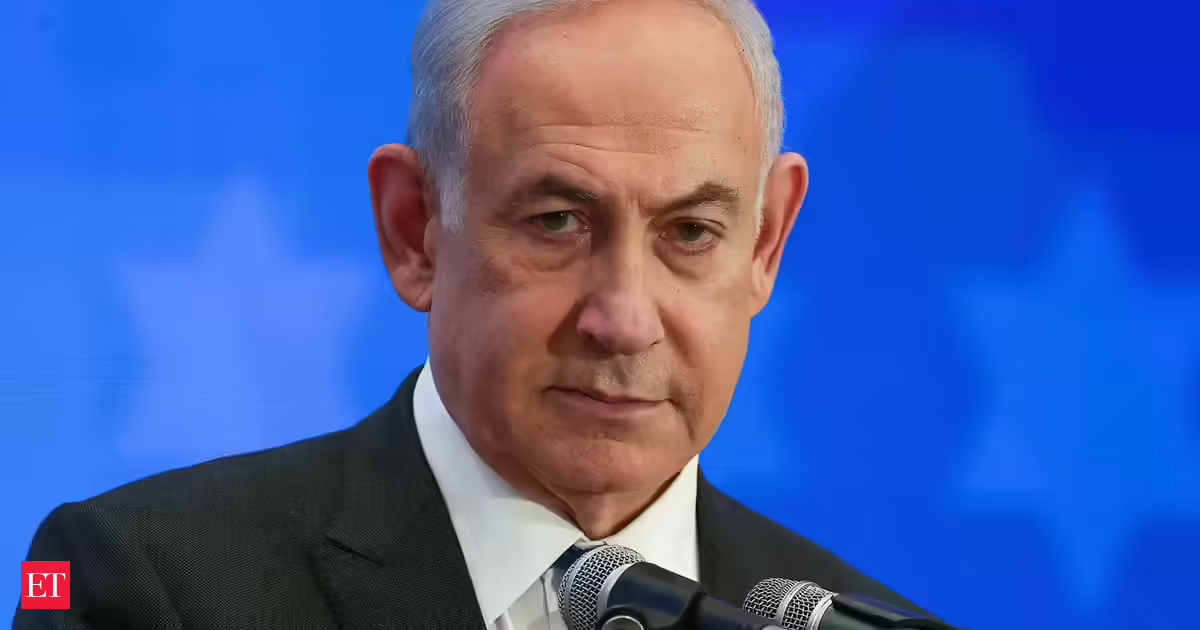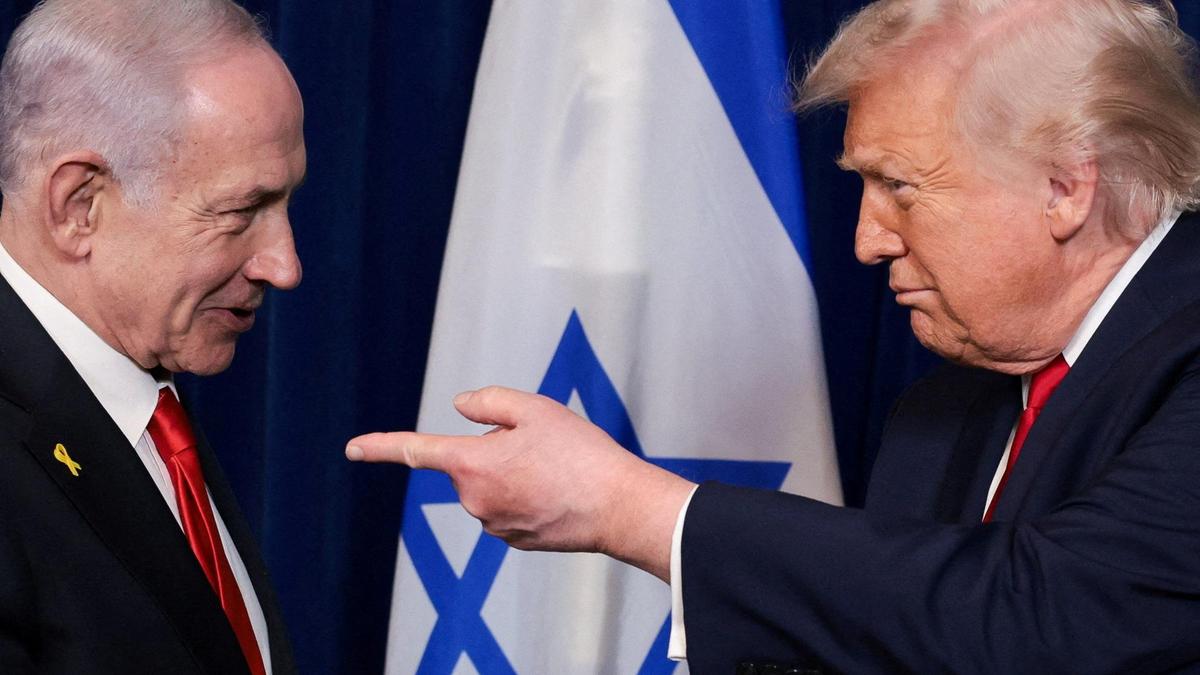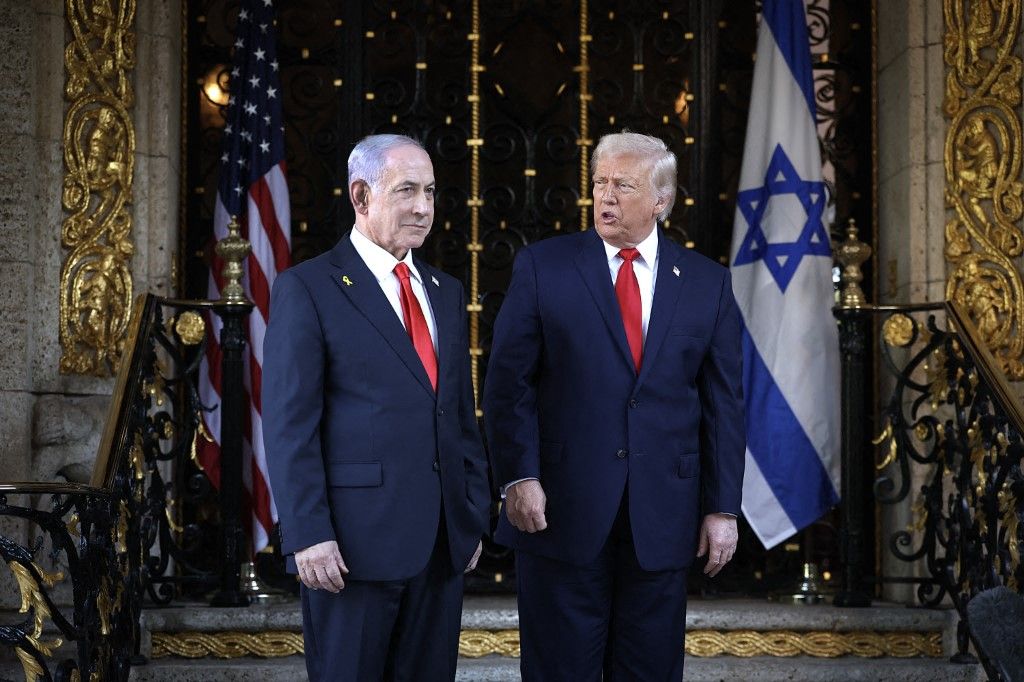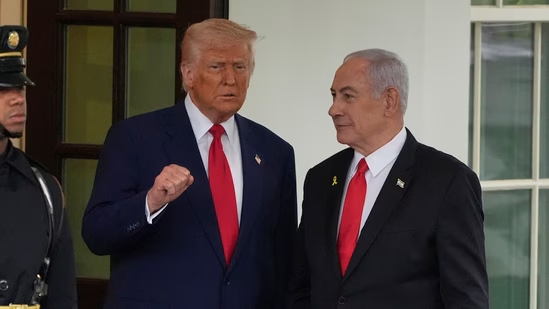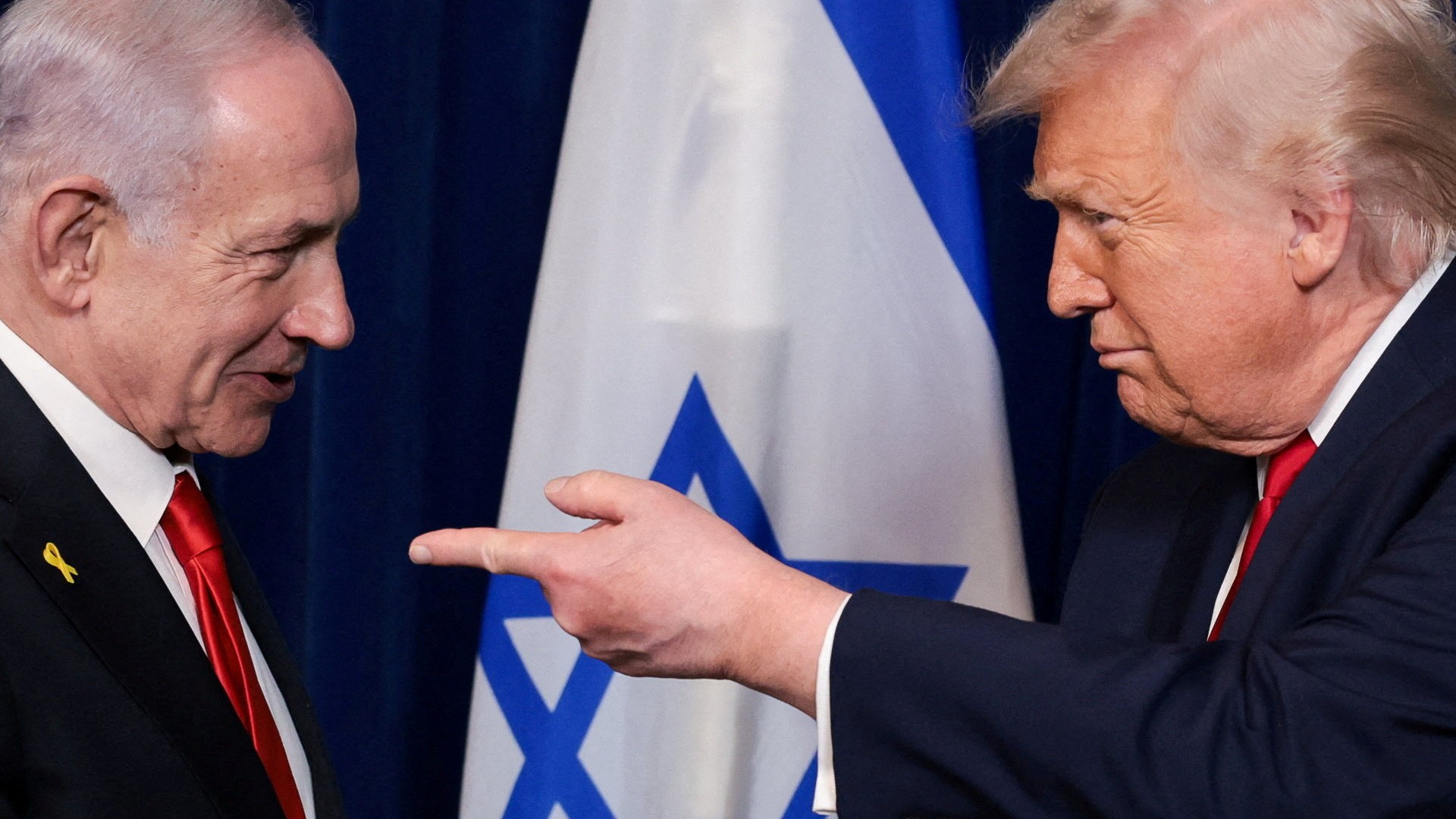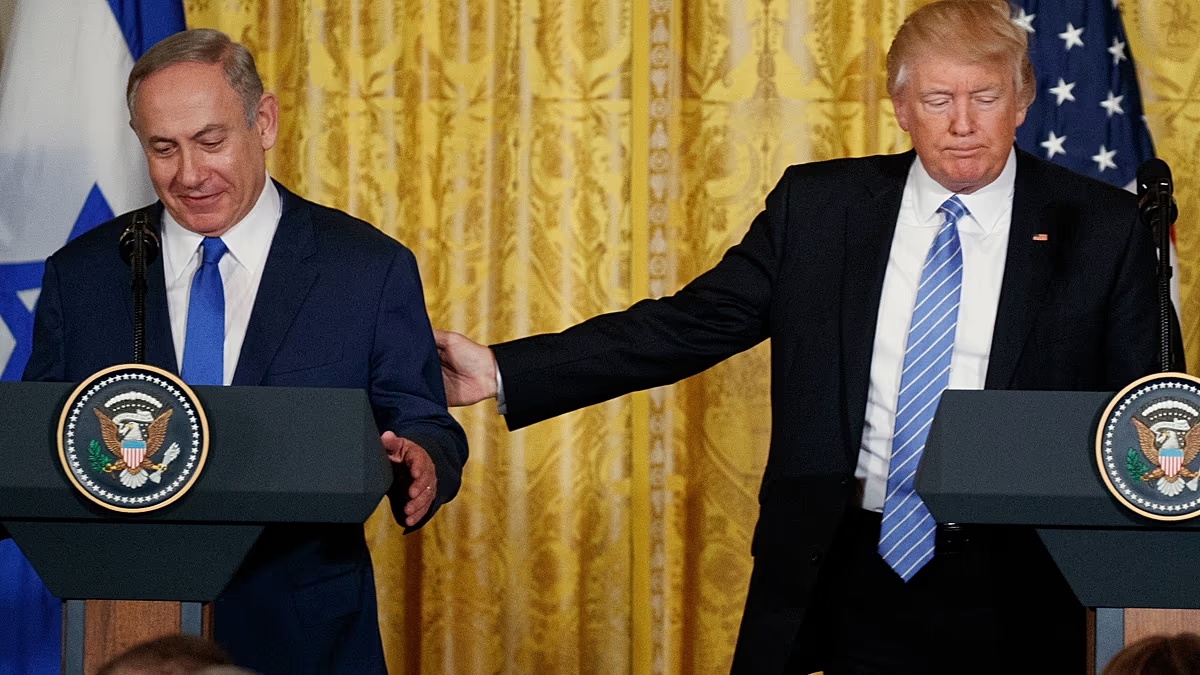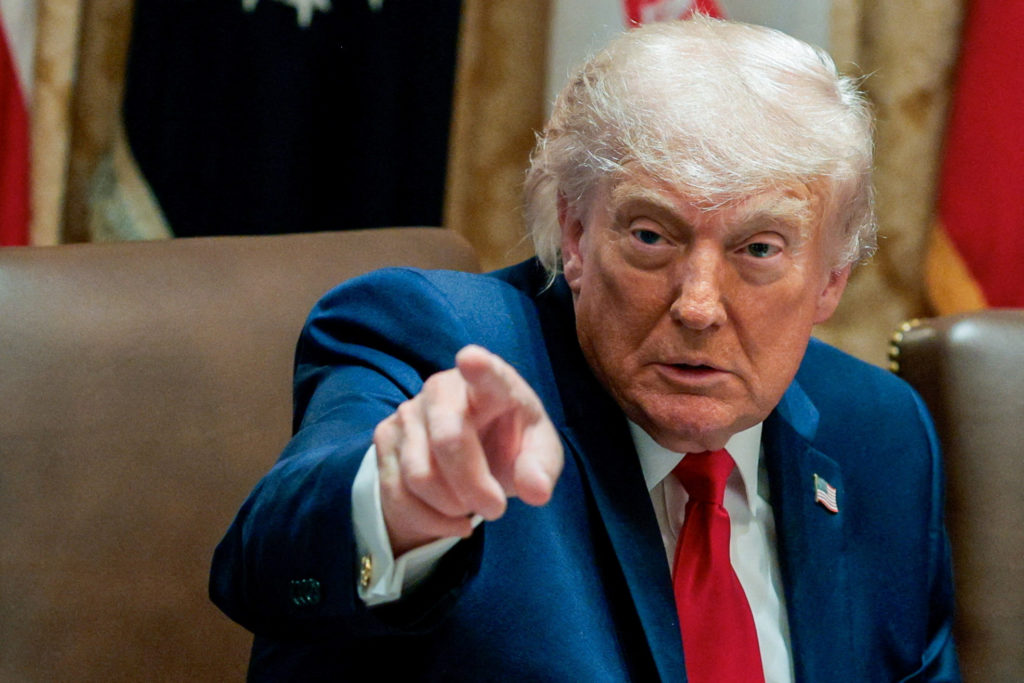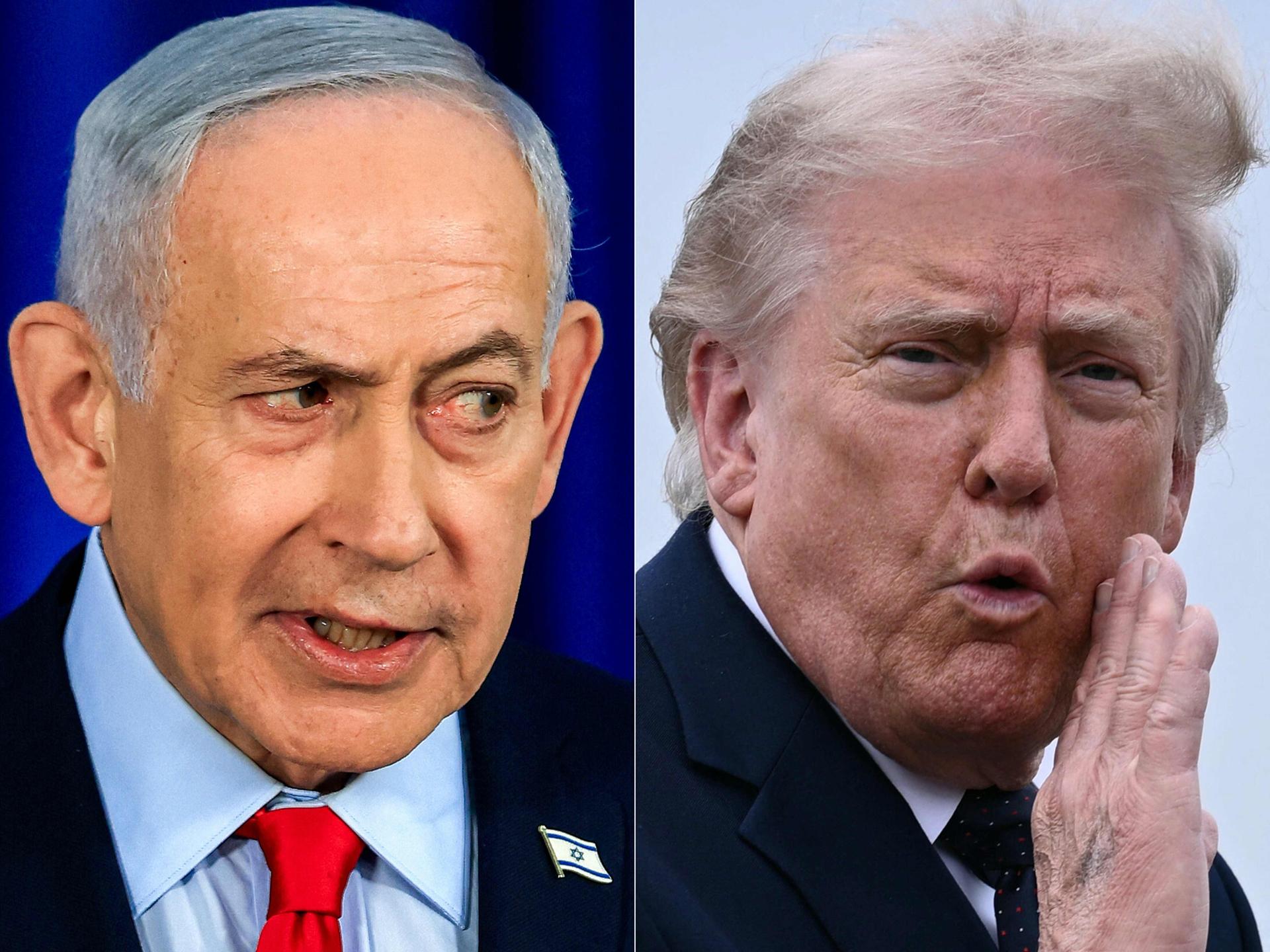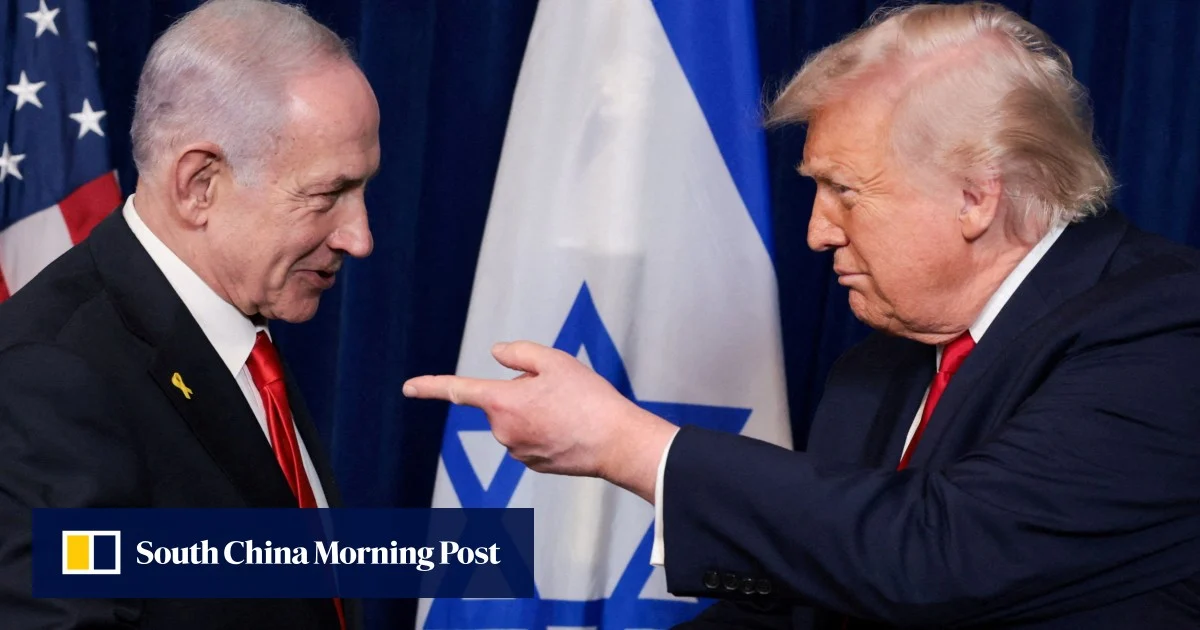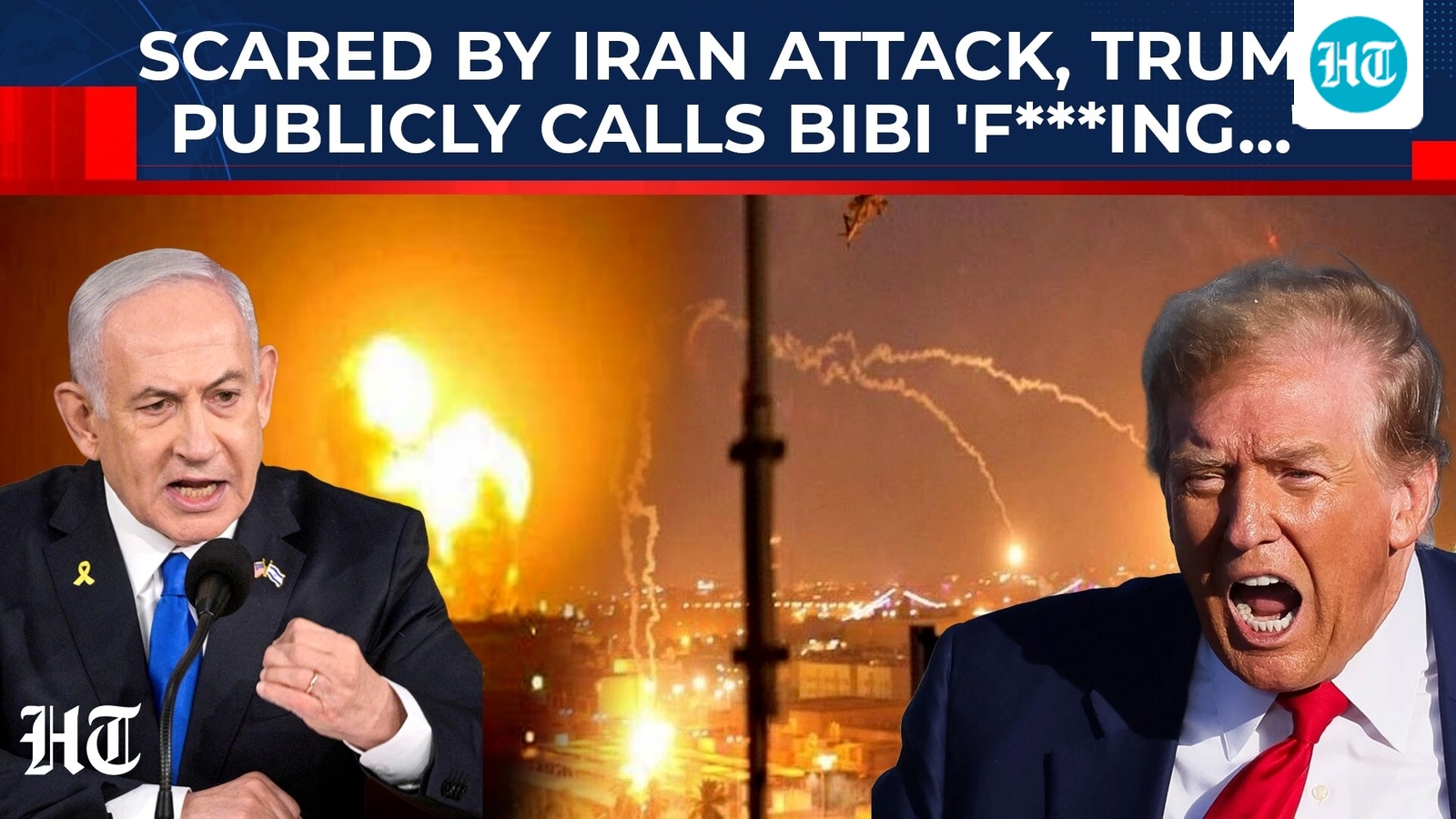
A rare public rift between U.S. President Donald Trump and Israeli Prime Minister Benjamin Netanyahu has grabbed global attention amid escalating tensions in the Middle East. Trump publicly confirmed reports that he called Netanyahu “f***ing crazy” during a heated phone conversation over Israel’s military operations in Lebanon. The U.S. president said he was frustrated by the continued fighting and feared it could derail broader diplomatic efforts across the region. The controversy comes as tensions remain high following Iran’s claims of attacks on U.S.-linked targets in Kuwait and Bahrain, adding pressure to an already fragile regional ceasefire. Despite the sharp exchange, Trump insisted that he still maintains a strong relationship with Netanyahu. Meanwhile, a significant diplomatic development has emerged. Israel and Lebanon have agreed to renew their fragile ceasefire following U.S.-mediated talks. The deal includes pilot security zones in southern Lebanon, with the Lebanese Army expected to take control of designated areas while Hezbollah withdraws from key positions. Washington hopes the arrangement could become a stepping stone toward a broader peace and security framework in the region.
Scared by Iran attack, Trump again calls Netanyahu 'f***ing crazy', this time in public?| US| Israel
A rare public rift between U.S. President Donald Trump and Israeli Prime Minister Benjamin Netanyahu has grabbed global attention amid escalating tensions in the Middle East. Trump publicly confirmed reports that he called Netanyahu “f***ing crazy” during a heated phone conversation over Israel’s military operations in Lebanon. The U.S. president said he was frustrated by the continued fighting and feared it could derail broader diplomatic efforts across the region. The controversy comes as tensions remain high following Iran’s claims of attacks on U.S.-linked targets in Kuwait and Bahrain, adding pressure to an already fragile regional ceasefire. Despite the sharp exchange, Trump insisted that he still maintains a strong relationship with Netanyahu. Meanwhile, a significant diplomatic development has emerged. Israel and Lebanon have agreed to renew their fragile ceasefire following U.S.-mediated talks. The deal includes pilot security zones in southern Lebanon, with the Lebanese Army expected to take control of designated areas while Hezbollah withdraws from key positions. Washington hopes the arrangement could become a stepping stone toward a broader peace and security framework in the region.