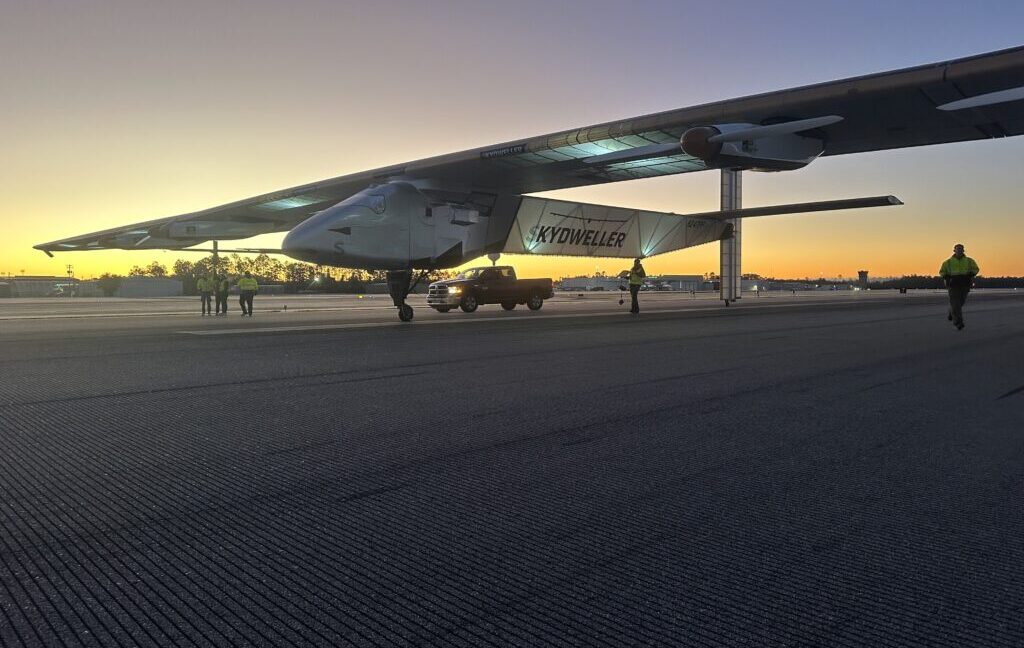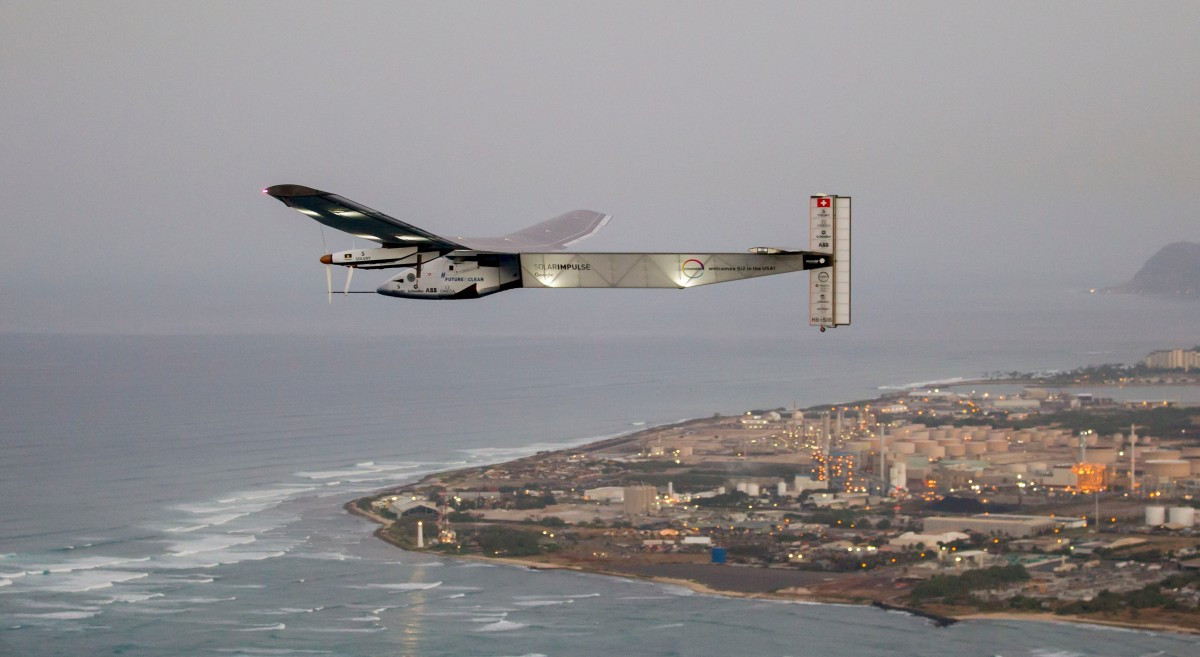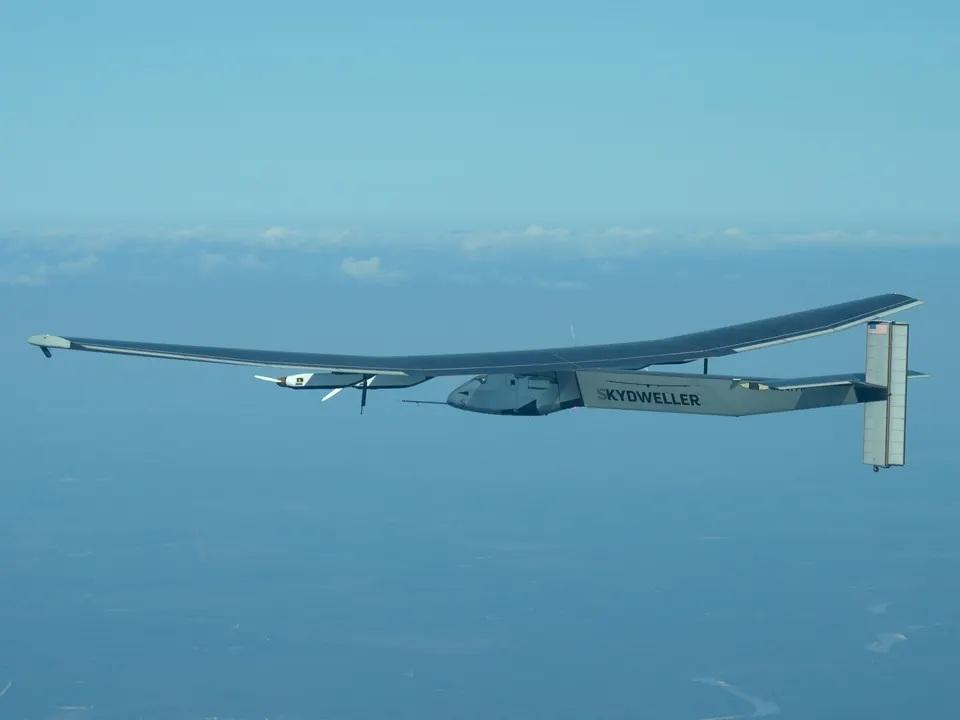
The Skydweller solar-powered uncrewed aircraft which was lost last month
Solar-powered aircraft seem doomed to repeat the myth of Icarus, whose homemade wings melted when he flew too close to the sun. High-profile crashes have terminated a slew of projects across three decades. The loss of the only Skydweller solar aircraft prototype last month might reinforce the impression that this technology will always be just out of reach. But Skydweller Aero CEO Robert Miller remains optimistic. Because, as he explains, this was very different to the accidents that ended other solar projects, and Sky dweller’s technology is not just mature but improving.
Fragile Flying Giants
An uncrewed aircraft using solar power and batteries can remain at high altitude for weeks or months at a time, providing the sensing and communication capability of a satellite at a fraction of the price. Unlike a satellite it can be repositioned at will, and can be landed and upgraded whenever needed. An eternal aircraft is a prize worth wining.
The problem is that solar aircraft tend to be fragile creatures. In the fifty years since the Astro Flight Sunrise made the first ever solar-powered flight, the type has presented engineering challenges. In 2003, NASA’s groundbreaking Helios solar drone ran into unexpected turbulence and disintegrated mid-air over the Pacific in 2003. Solar cells and skin were ripped off and debris fluttered into the ocean, and NASA’s solar dream came to an abrupt end.