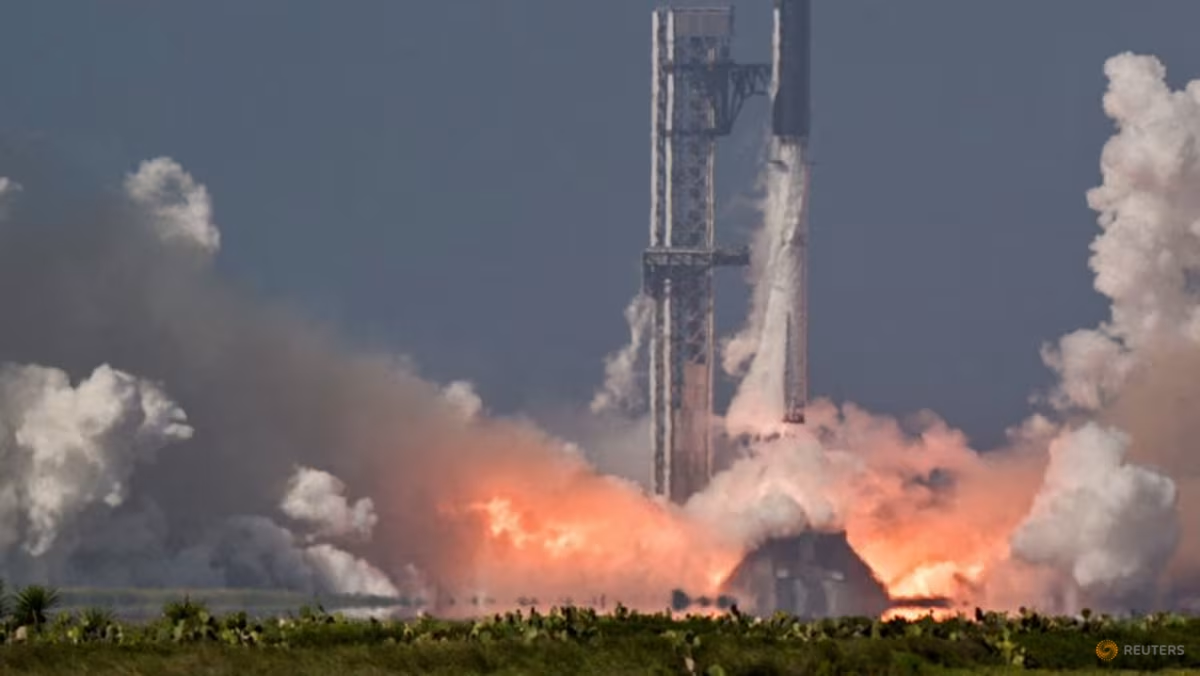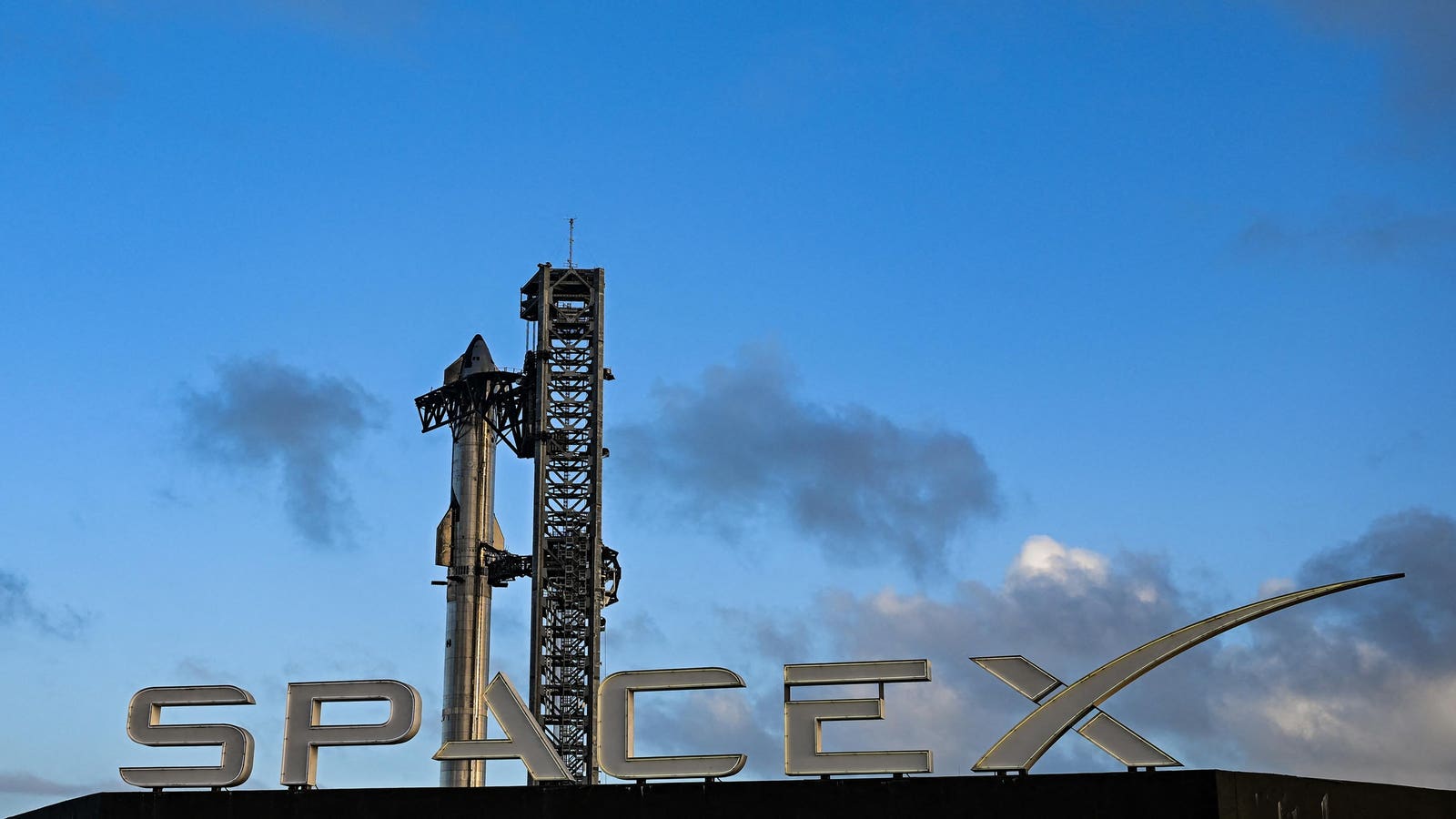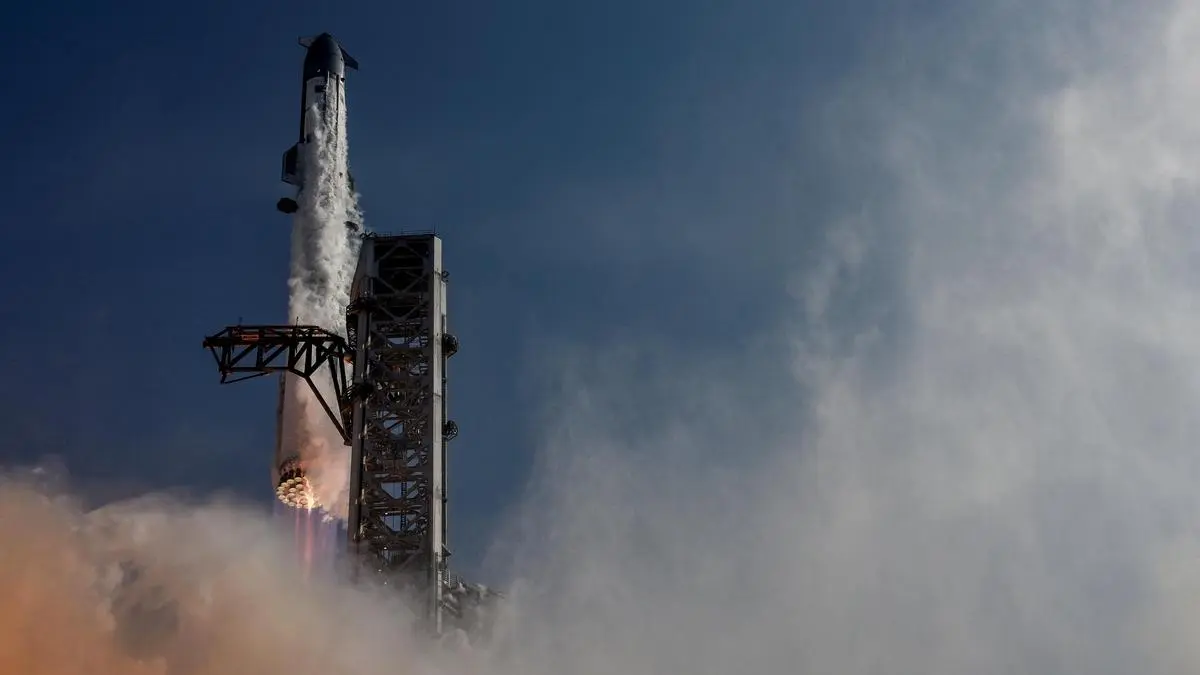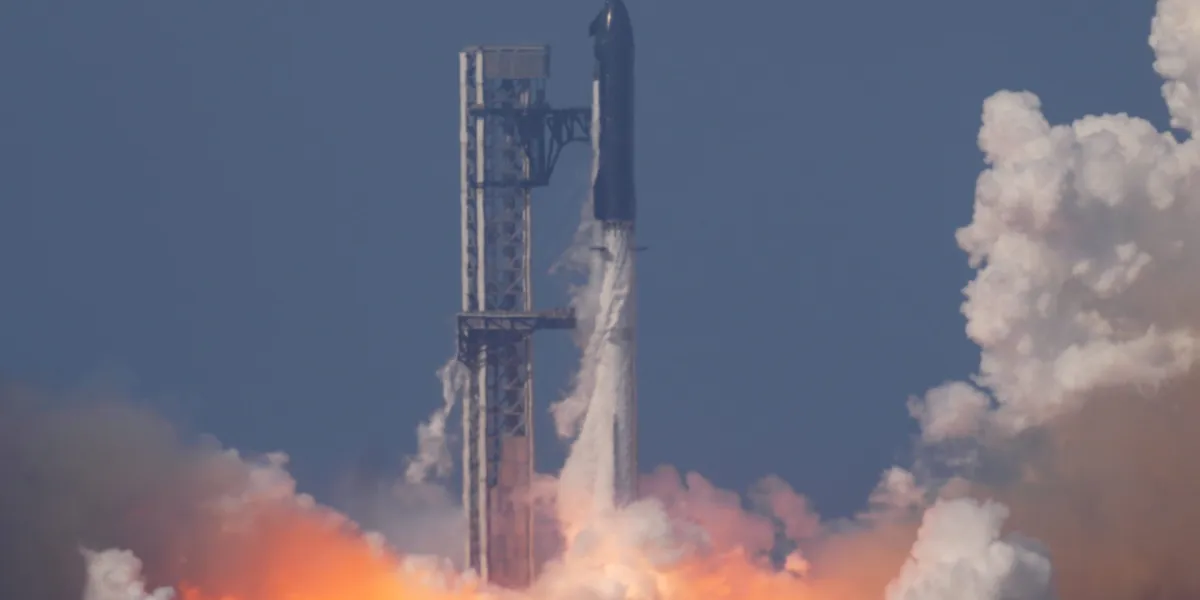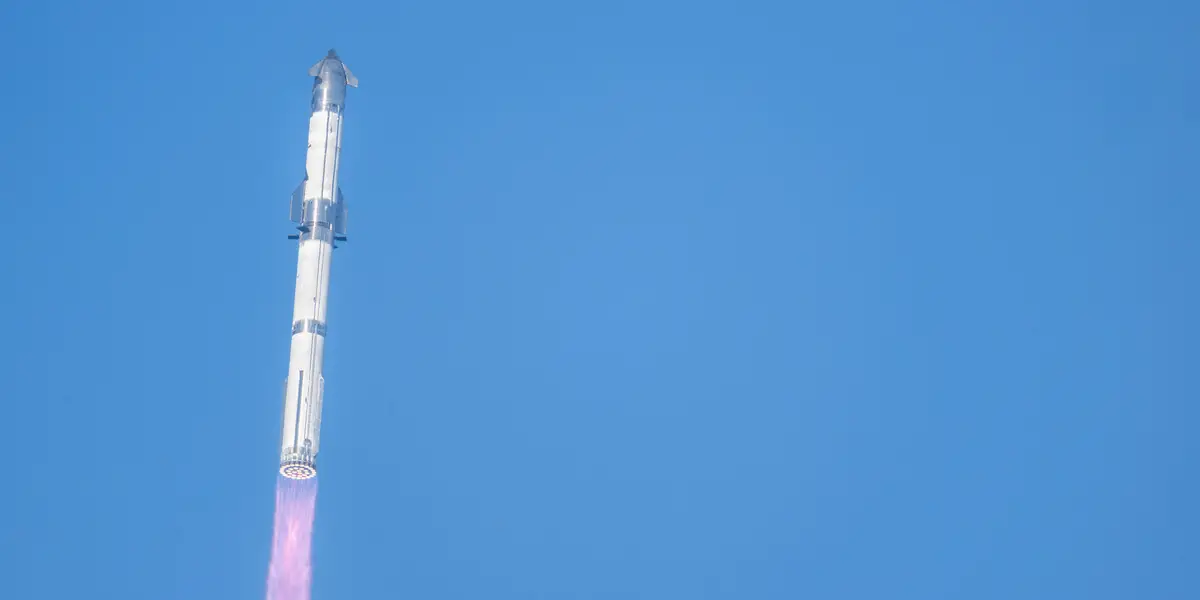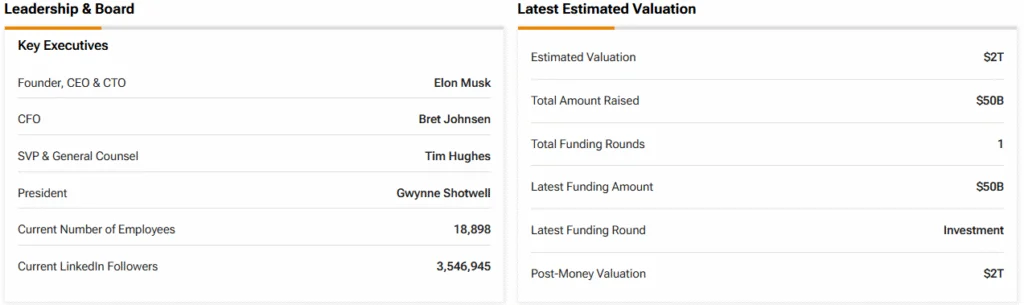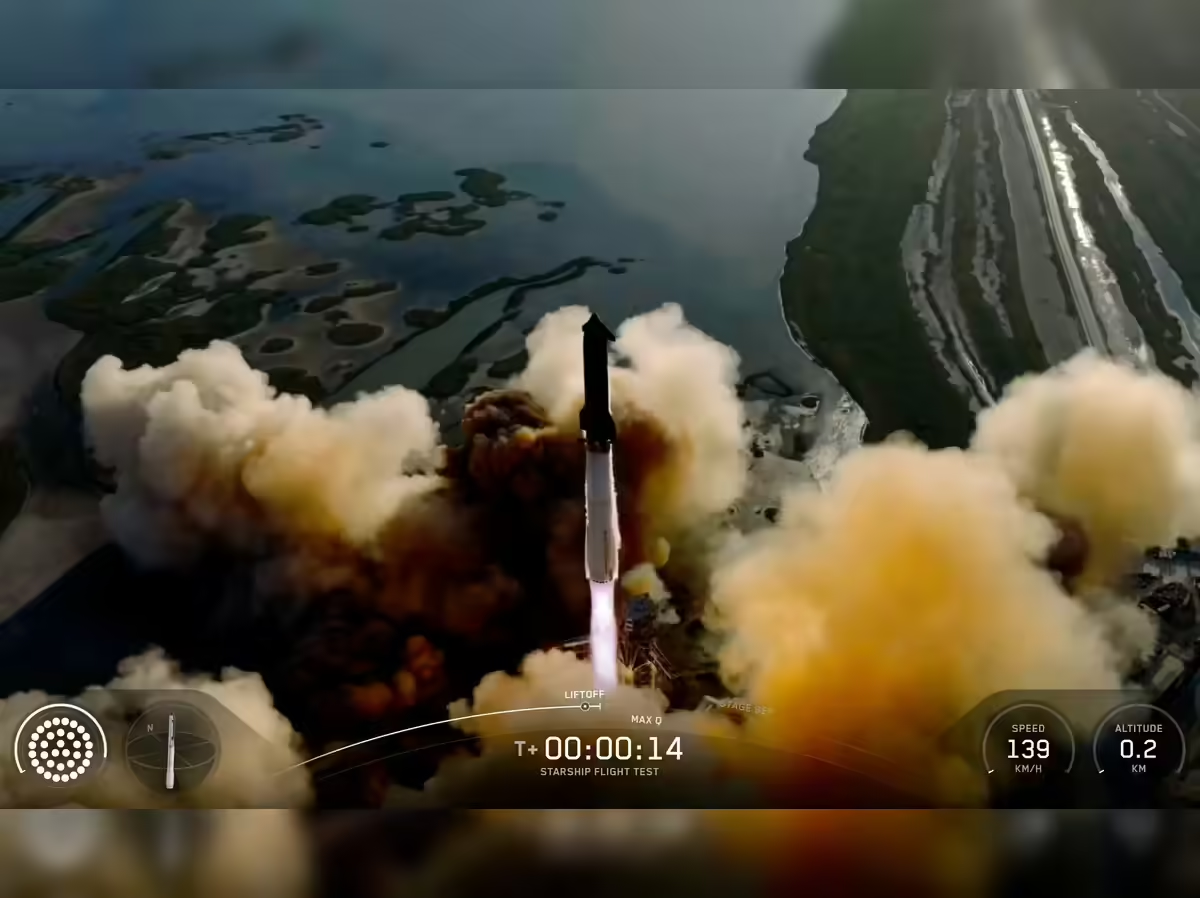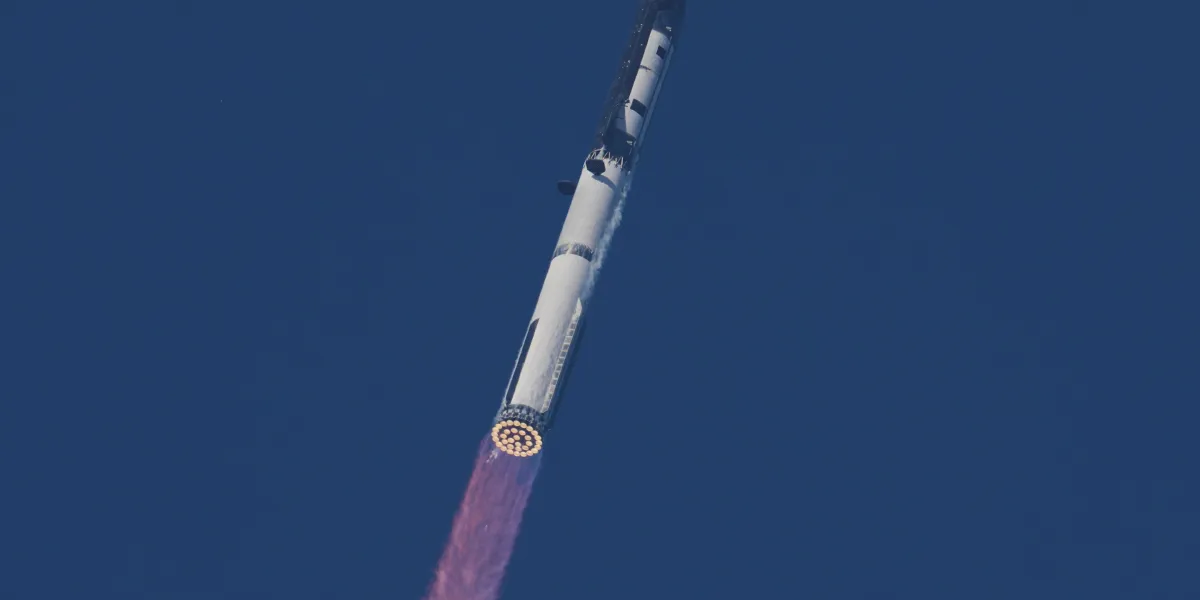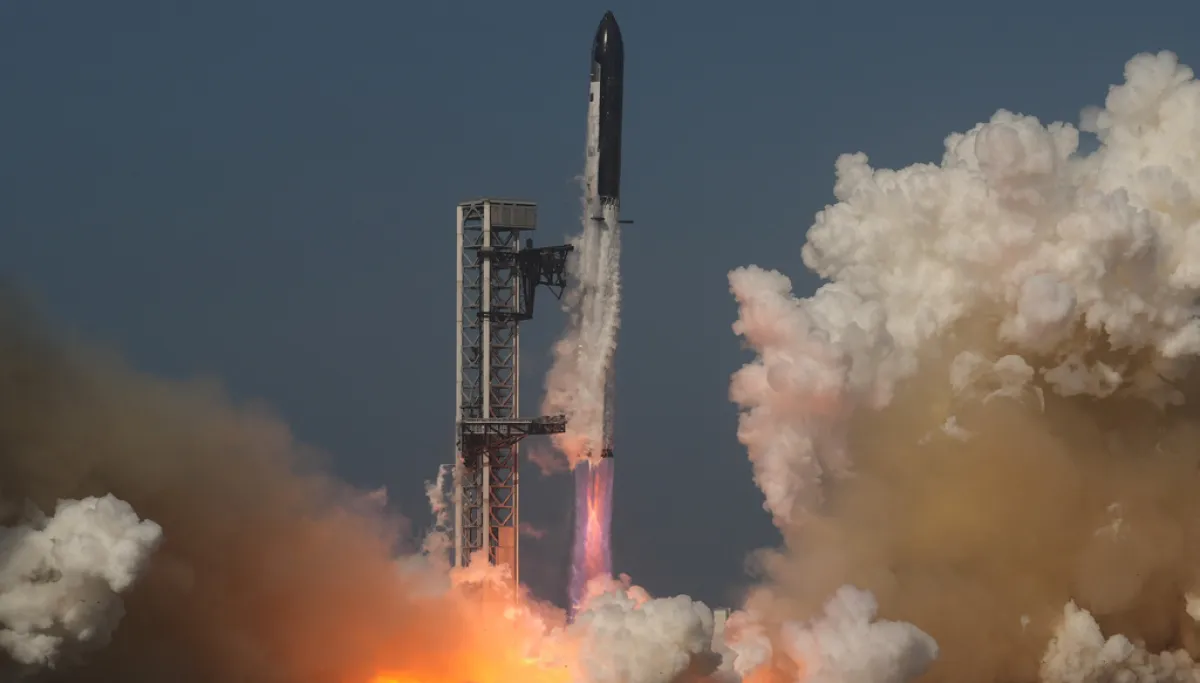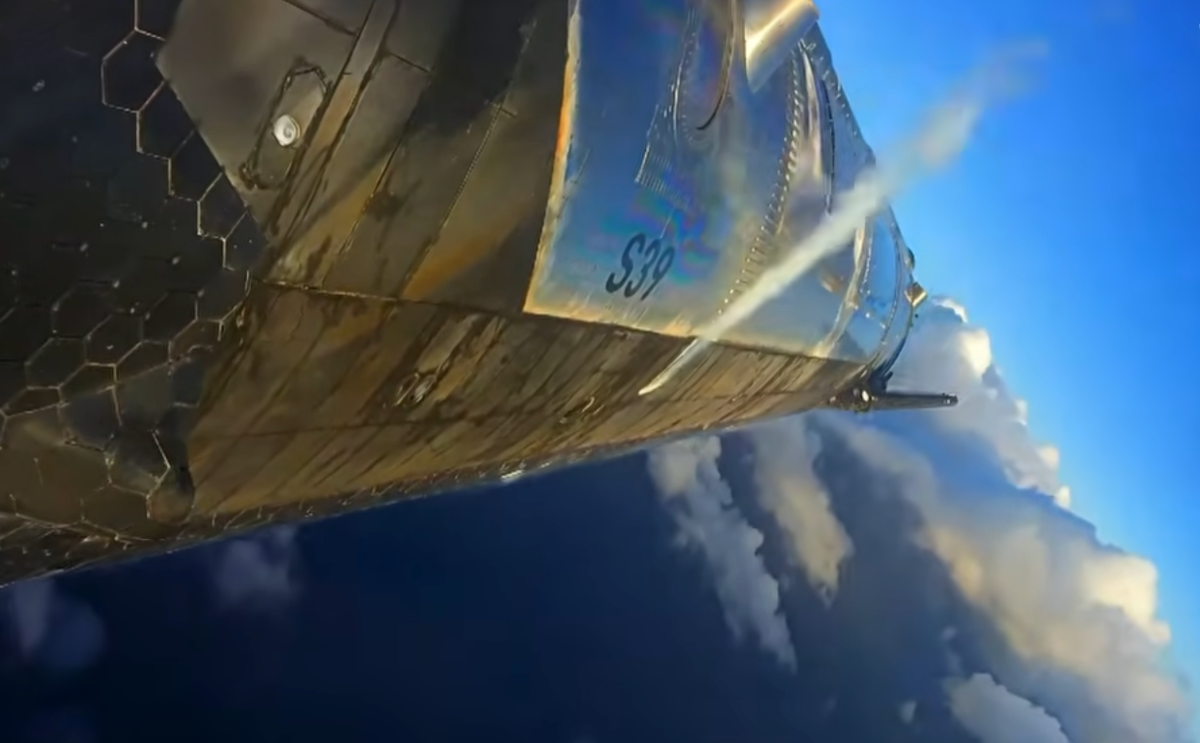
SpaceX’s recent IPO and Starship rocket test flight delivered two big data points that offer a realistic vision for the coming years — and one that may disappoint both the company’s boosters and its critics.
Hidden behind the fantastic expectations for AI enterprise profits and plans for a moon base is a more grounded reality: An expendable Starship could keep SpaceX in business, but doesn’t achieve the cost reductions — or frontier business models — Elon Musk is betting on.
SpaceX is many businesses, but right now only one is producing significant revenue. Starlink, its satellite communications network, is the tent-pole of the firm’s public offering. The top line is fairly incredible; SpaceX’s connectivity business generated $11.4 billion in revenue last year, the bulk of the company’s earnings.
But underneath, you can see the capital expenditure treadmill that scared previous entrepreneurs away from this model. SpaceX needs to replace about a fifth of its satellites every year just to maintain its current level of service. It has invested more in its satellite business ($11.4 billion) since the beginning of 2023 than it has building Starship and its launch infrastructure ($8.4 billion).