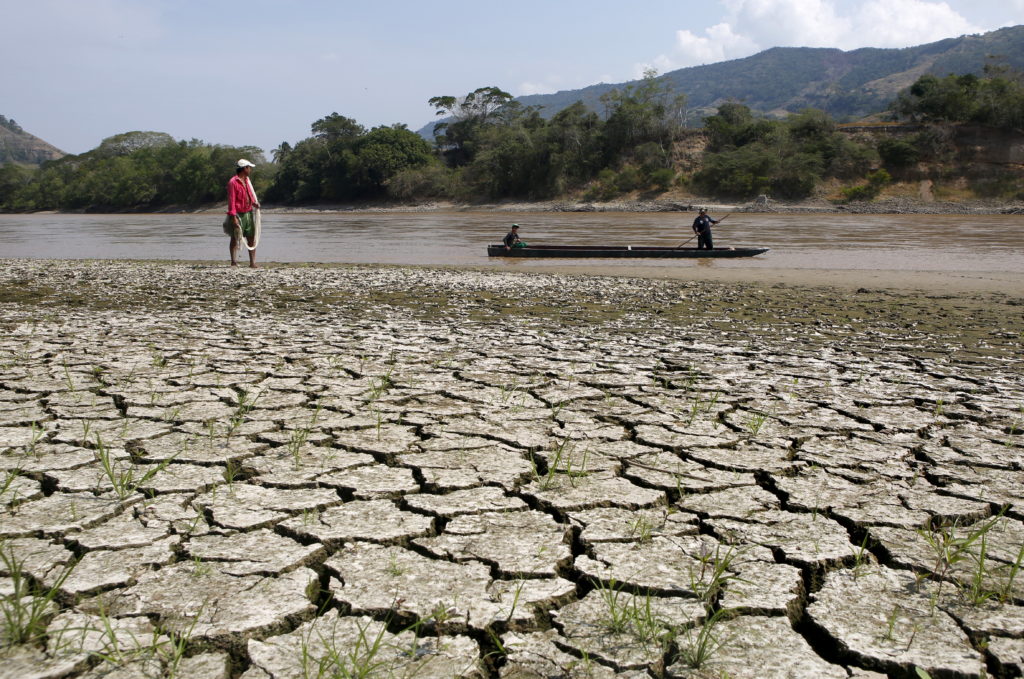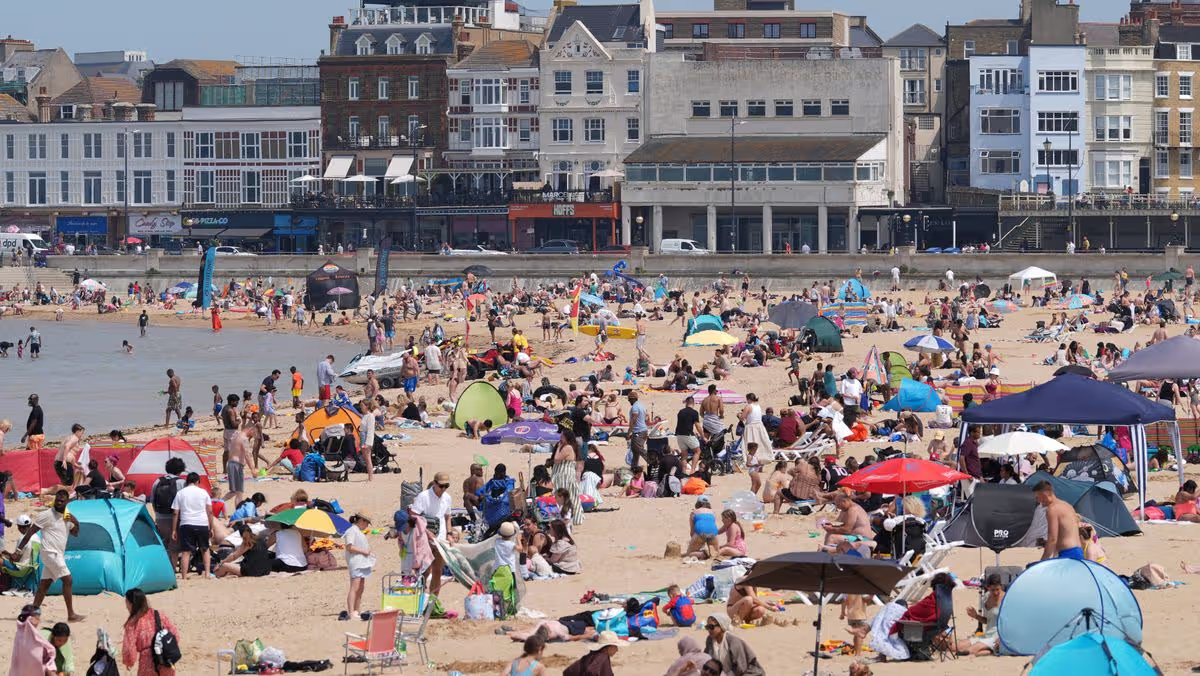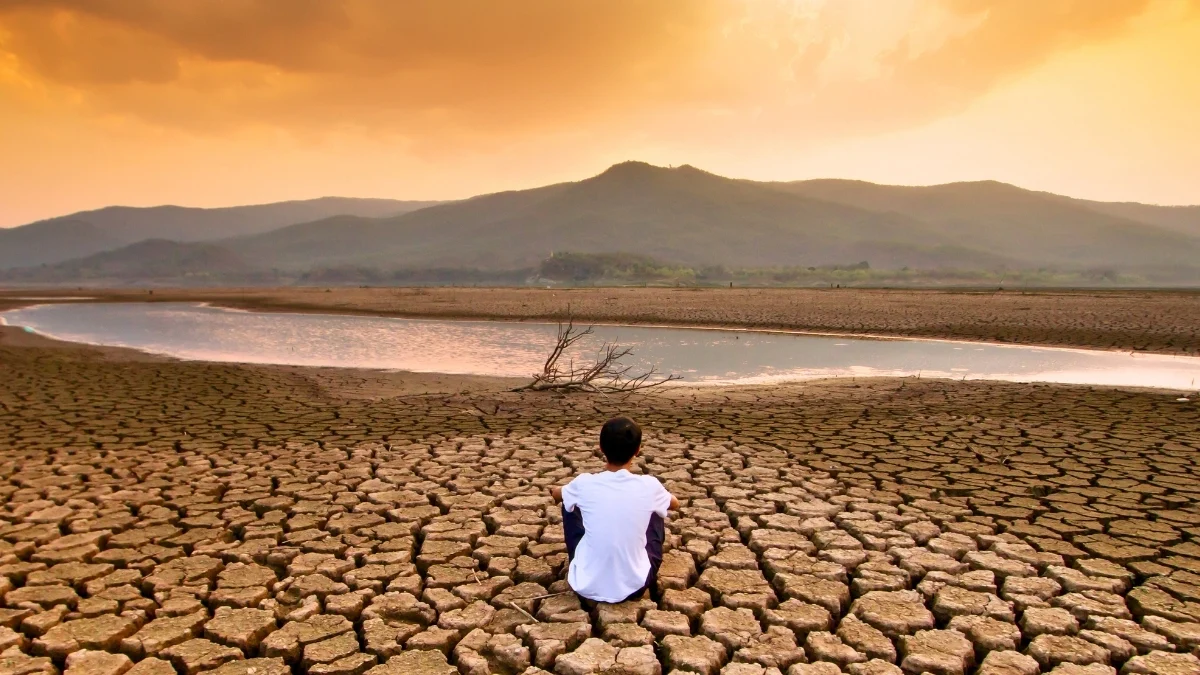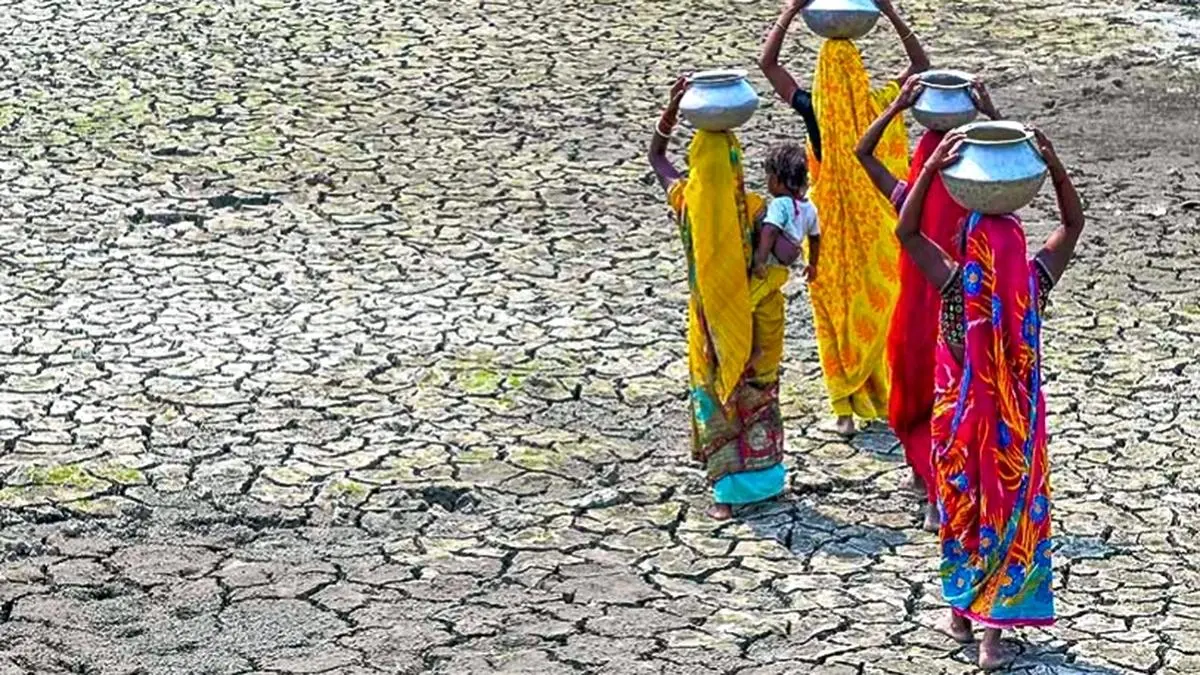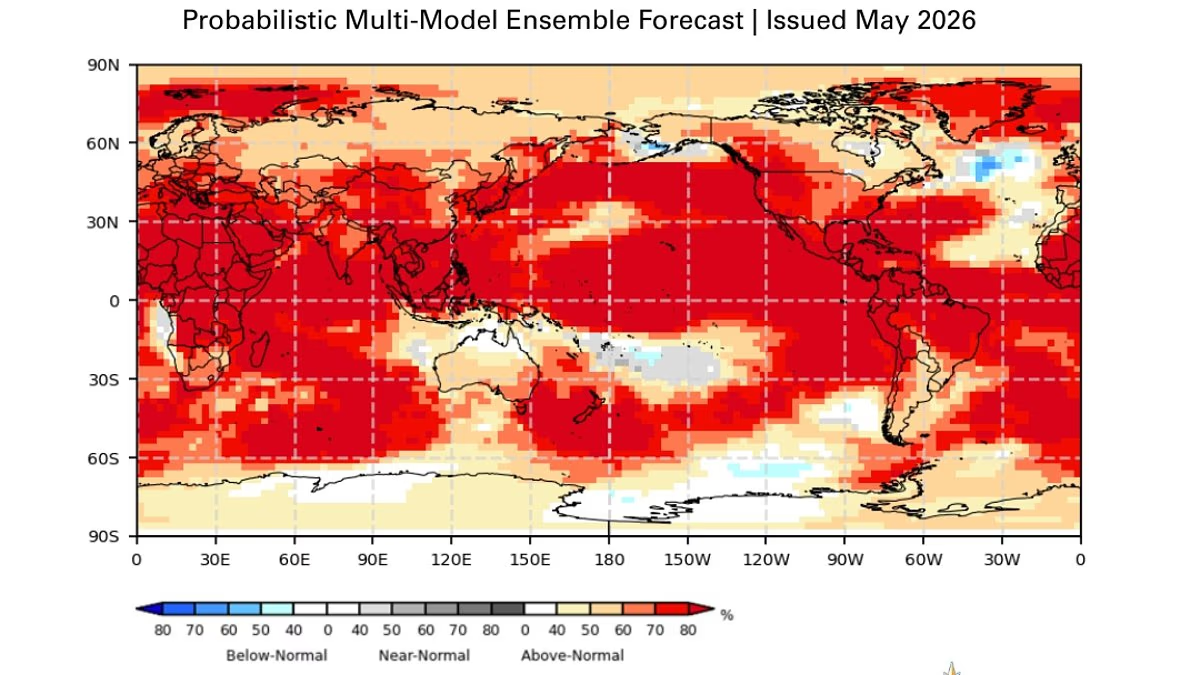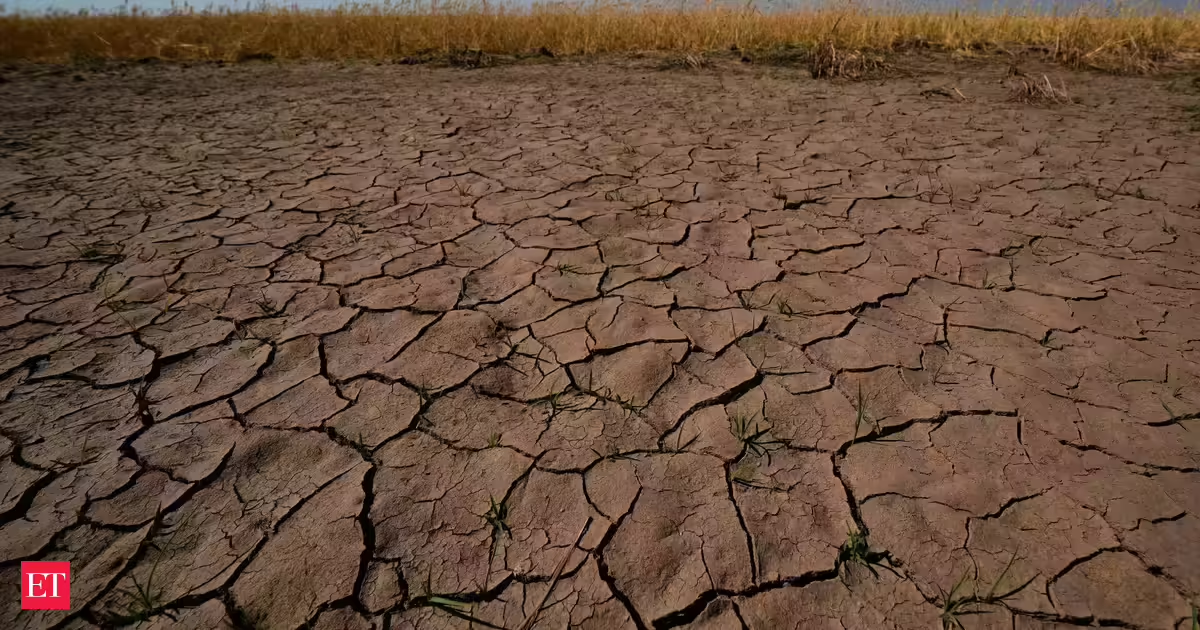
As Super El Niño swiftly approaches, holidaymakers should brace for their summer trips to be impacted, as flights and trains are likely to be cancelled.The powerful climate phenomenon occurs every few years and scientists from the World Meteorological Organisation (WMO) predict it could arrive this summer - with an 80 per cent chance of it happening from June to August.Scientists also indicate a 90 per cent likelihood of it continuing until at least November. Above average temperatures are forecast for 'nearly everywhere' during this time and there's a chance 2026 will be the hottest on record. How El Niño plays out varies each time, but it usually brings increased rainfall in parts of southern South America, the southern United States, parts of the Horn of Africa and central Asia. In contrast, there will be drier conditions over Central America, northern South America, the Caribbean, Australia, Indonesia, and parts of southern Asia.'El Niño conditions will pour fuel on the fire of a warming world. Impacts will hit even harder, travel even farther, and cross borders with devastating speed,' said UN Secretary-General António Guterres.But how will travel be affected by this? The World Meteorological Organisation (WMO) predicts there is an 80 per cent chance of the weather event happening during June to AugustThere is already some uncertainty over travel this summer with the ongoing jet fuel situation which has continued since the start of the Iran war earlier this year - causing many airlines to increase prices and even cancel flights. But, El Niño could impact plans too. The last time the weather event occurred was between 2023 and 2024, when the world was hit by record-breaking temperatures. This time, it could cause a similar heatwave, drought, as well as heavy rainfall.WMO Secretary–General Celeste Saulo said: 'We need to prepare for a potentially strong El Niño event – which will exacerbate drought and heavy rainfall and increase the risk of heatwaves both on land and in the ocean. 'The most recent El Niño, in 2023–24, was one of the five strongest on record and it played a role in the record global temperatures we saw in 2024.'Previous El Niño events have been associated with travel disruption and flight delays thanks to the heavy rainfall, and pilot and aviation expert, Captain Emma Henderson MBE, said this may happen again if we get heavy thunderstorms once more.She says: 'It could be much wetter and hotter this summer, and that could only lead to flight delays if there are big thunderstorms that affect the arrival and departure route.'The things that cause delays are strong winds and violent downpours but even then, it could cause disruption rather than cancellations.'She adds: 'I wouldn’t expect this weather phenomenon to be a reason why people’s holidays are cancelled or disrupted but we are being warned of a greater risk of wildfires as we have seen in past years, and conversely a greater risk of flooding.'Once we are in the air we are above most of the weather so any disruption to flights would only come from weather on the ground causing delays.'There are some factors to consider when booking holidays however, and heat is one concern with El Niño, especially to popular spots like the Mediterranean.Meanwhile, destinations in parts of southern South America, the southern United States, parts of the Horn of Africa and central Asia could be hit by heavy rainfall, possibly leading to flooding. But locations in Central America, northern South America, the Caribbean, Australia, Indonesia, and parts of southern Asia may face extreme heat and droughts.In fact, it's train travel that is due to be more affected by El NiñoNetwork Rail has guidance on how it navigates hot weather on the railway and explains how, 'hot summers can be as challenging as freezing winters' for trains. The rails, overhead power lines and the track ground can all be impacted by high temperatures. Overhead lines can expand and sag in heat which can mean 'trains much travel more slowly' to avoid causing damage. 'If the overhead lines are damaged, we have to cancel or divert train services until they are fixed. This causes delays,' Network Rail outlines. Newer lines are less affected, but older ones are 'more vulnerable' to the heat. Hot weather can also cause rails to buckle. But when this happens, trains are stopped.'If there is no room for the rail to expand, the rail can buckle and we need to close the line to fix it before trains can run again. When we stop trains or close a line, this causes delays,' Network Rail says. Drought can affect the ground underneath the railway tracks too, meaning trains have to slow down to travel safely over any cracks. Signalling system failures can be triggered by 'excessive internal temperatures' inside signalling cabinets exceeding 70°C.
Super El Niño is set to cause flight delays and train cancellations
El Niño could wreak havoc to your summer holiday plans depending on your destination choice and travel insurance cover.
1,452 words~7 min read