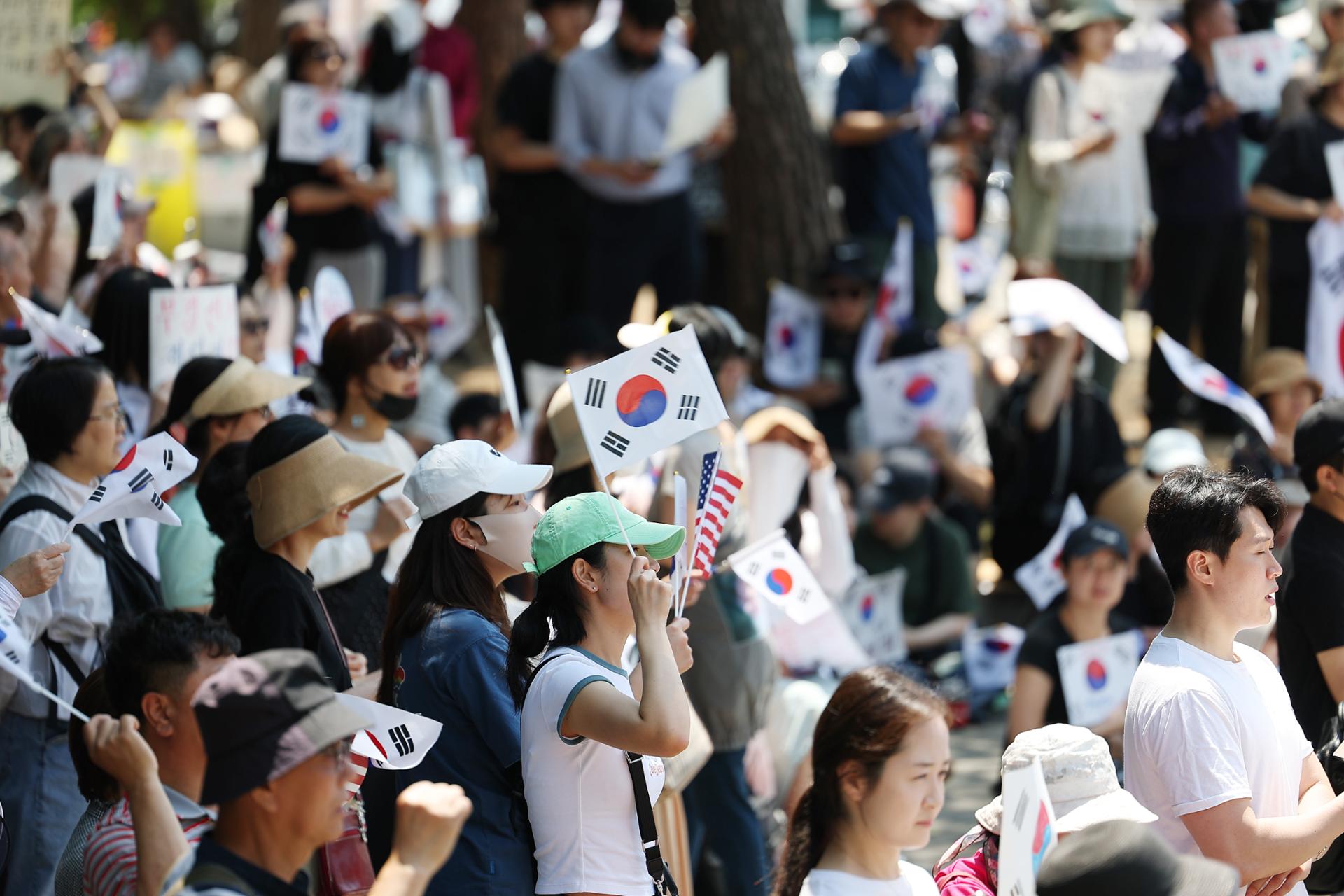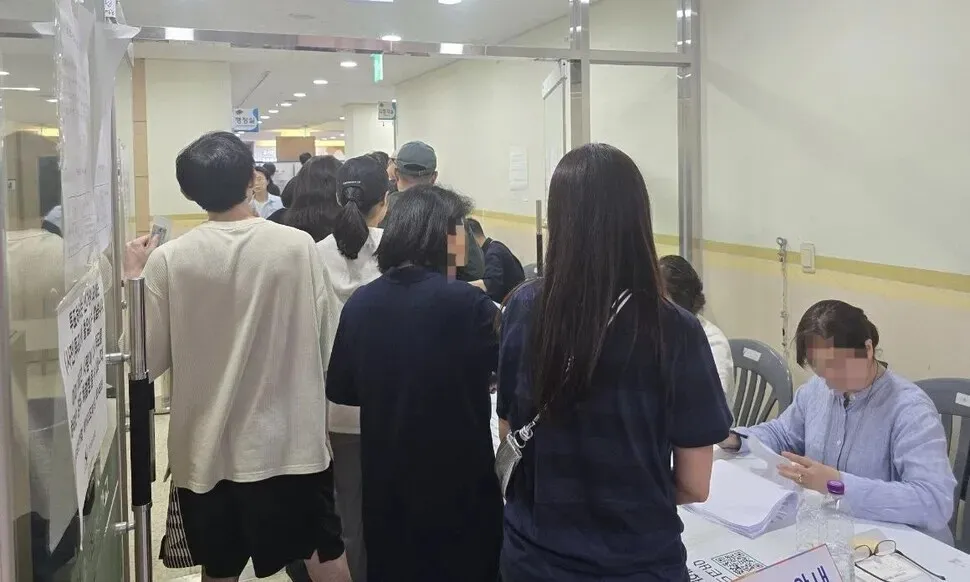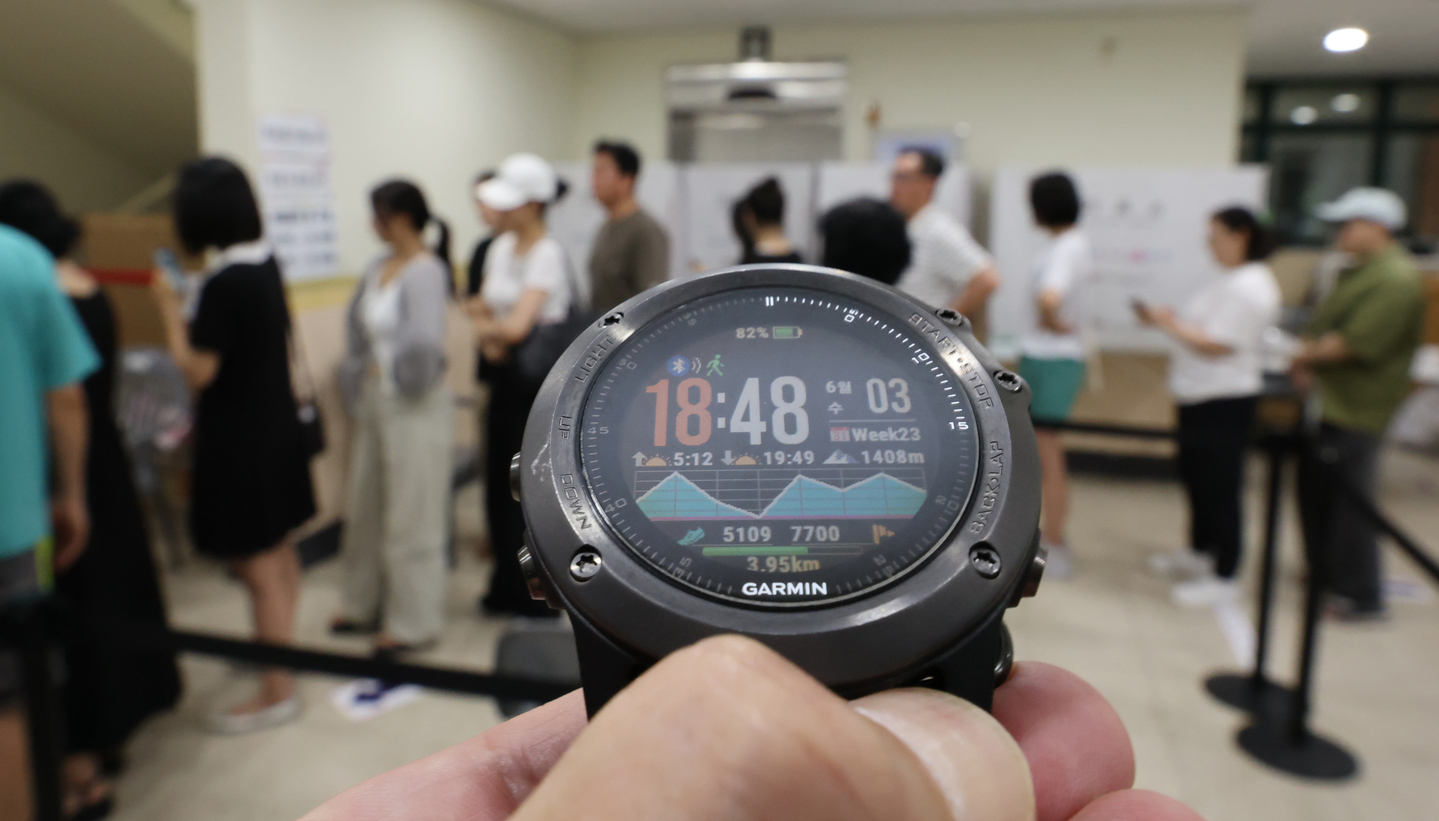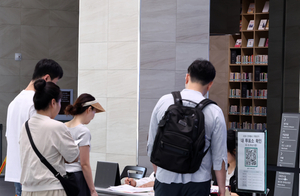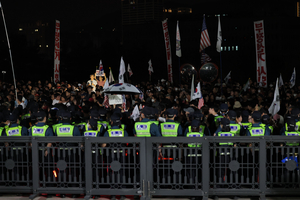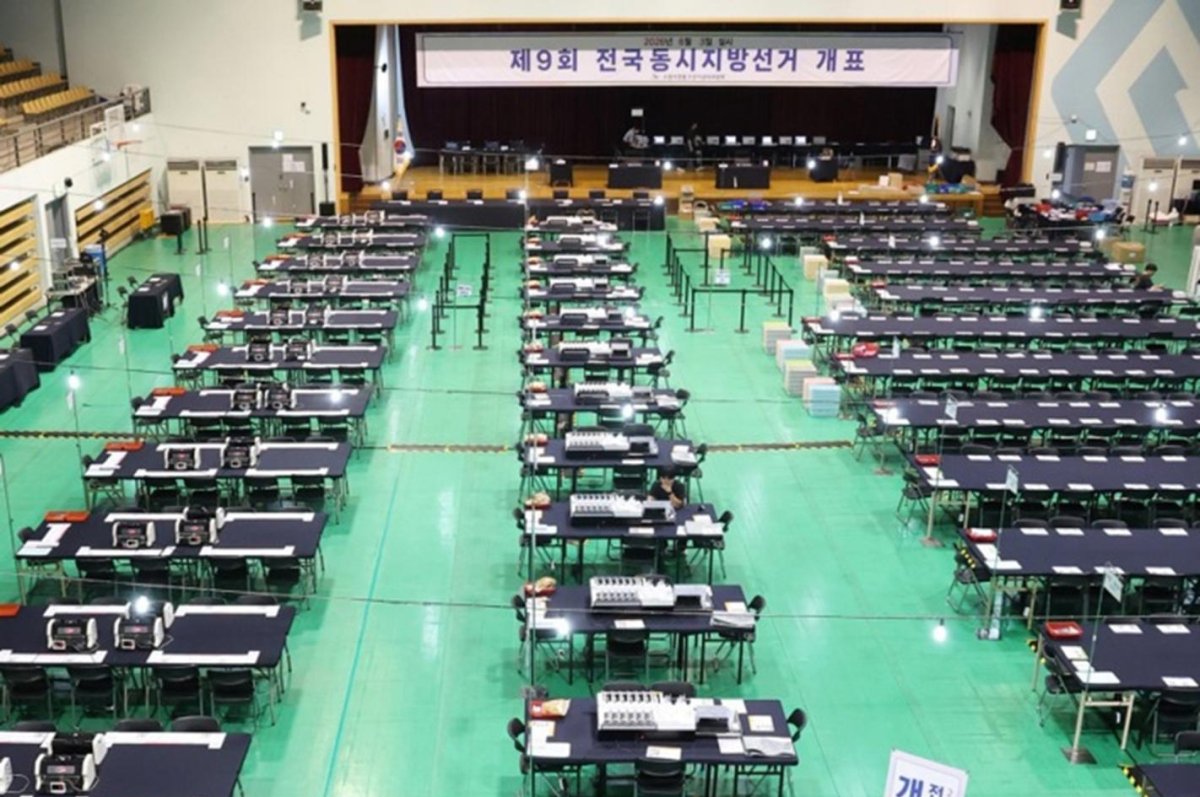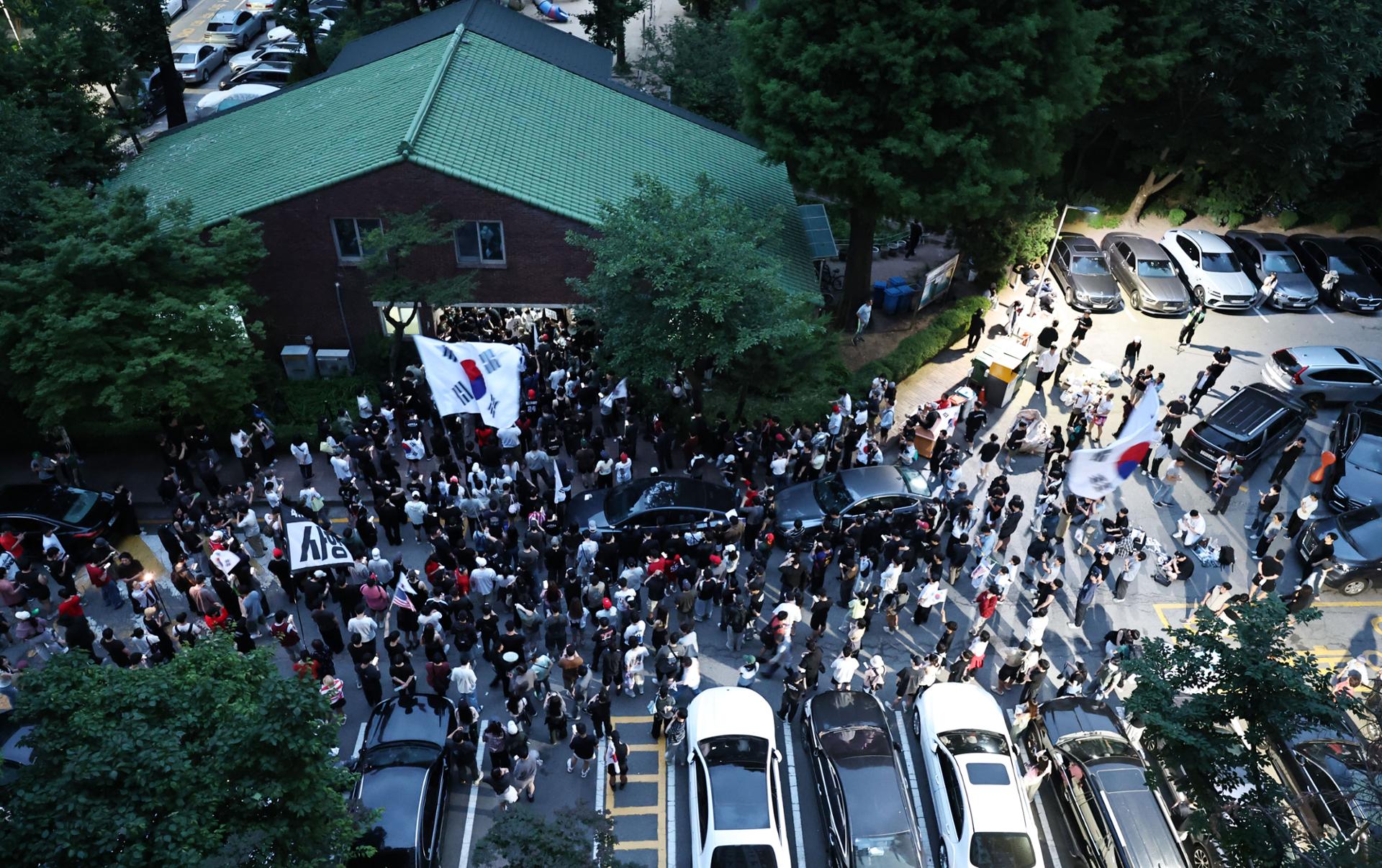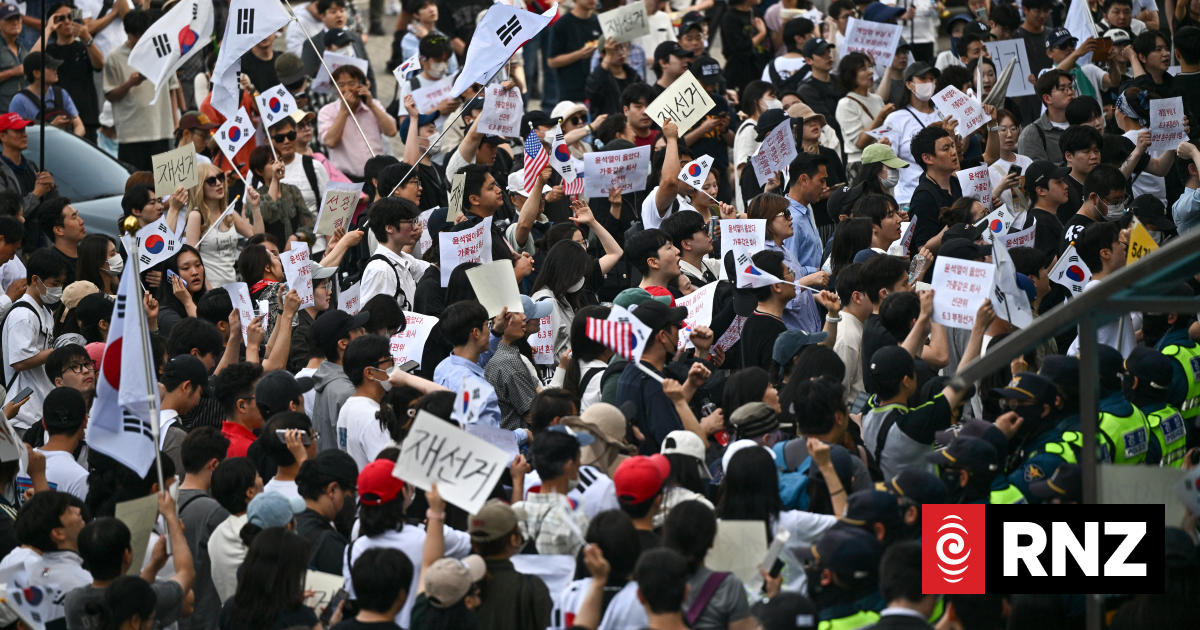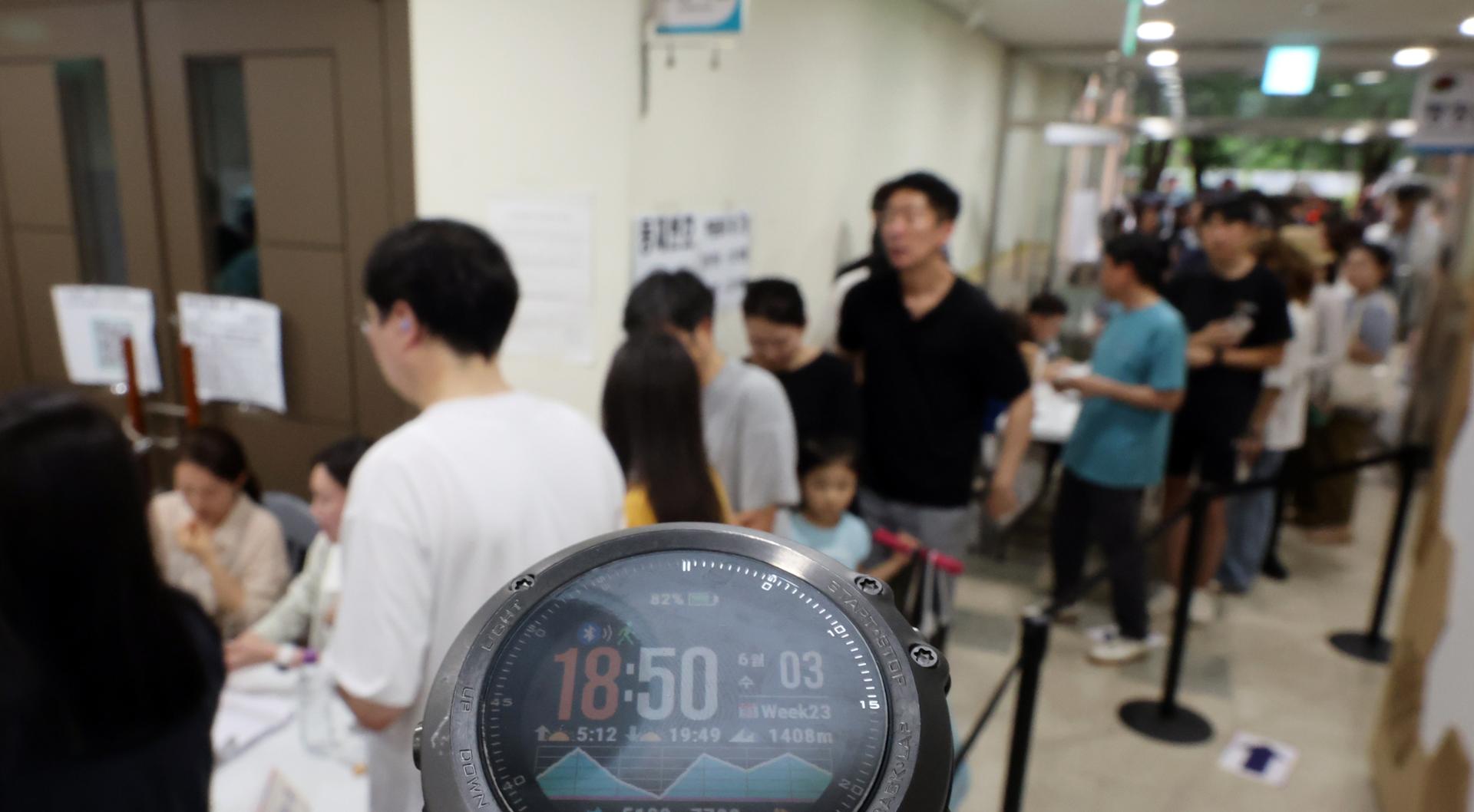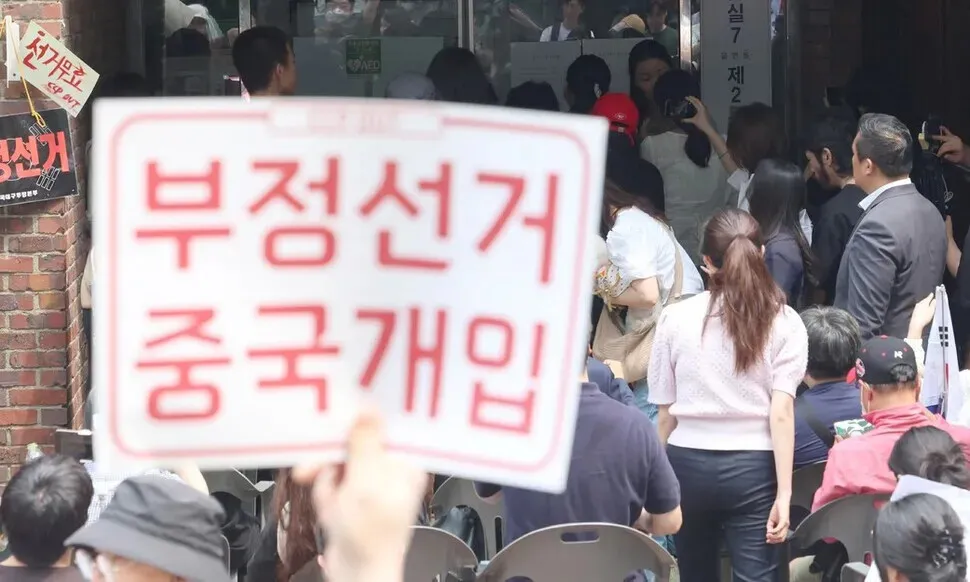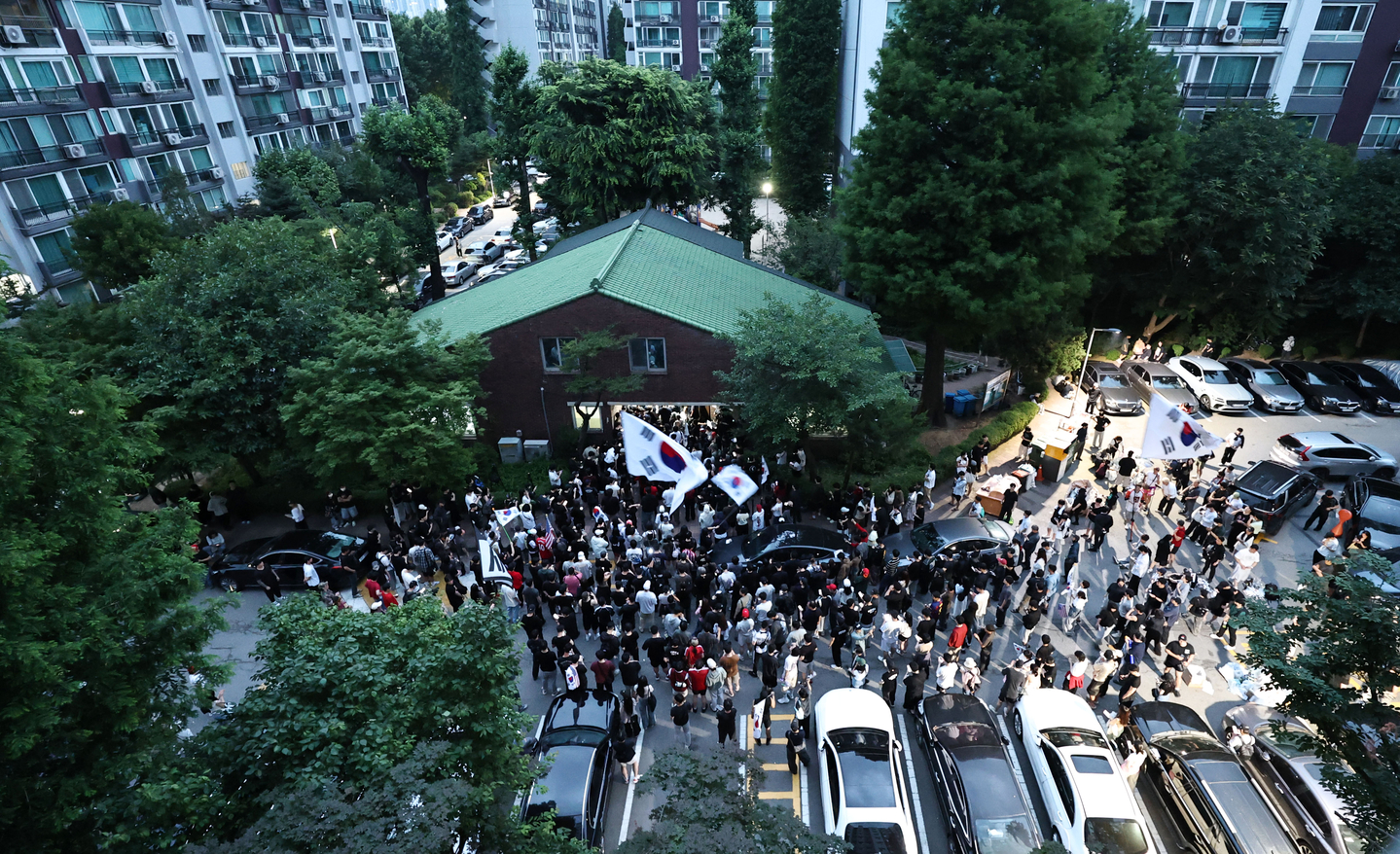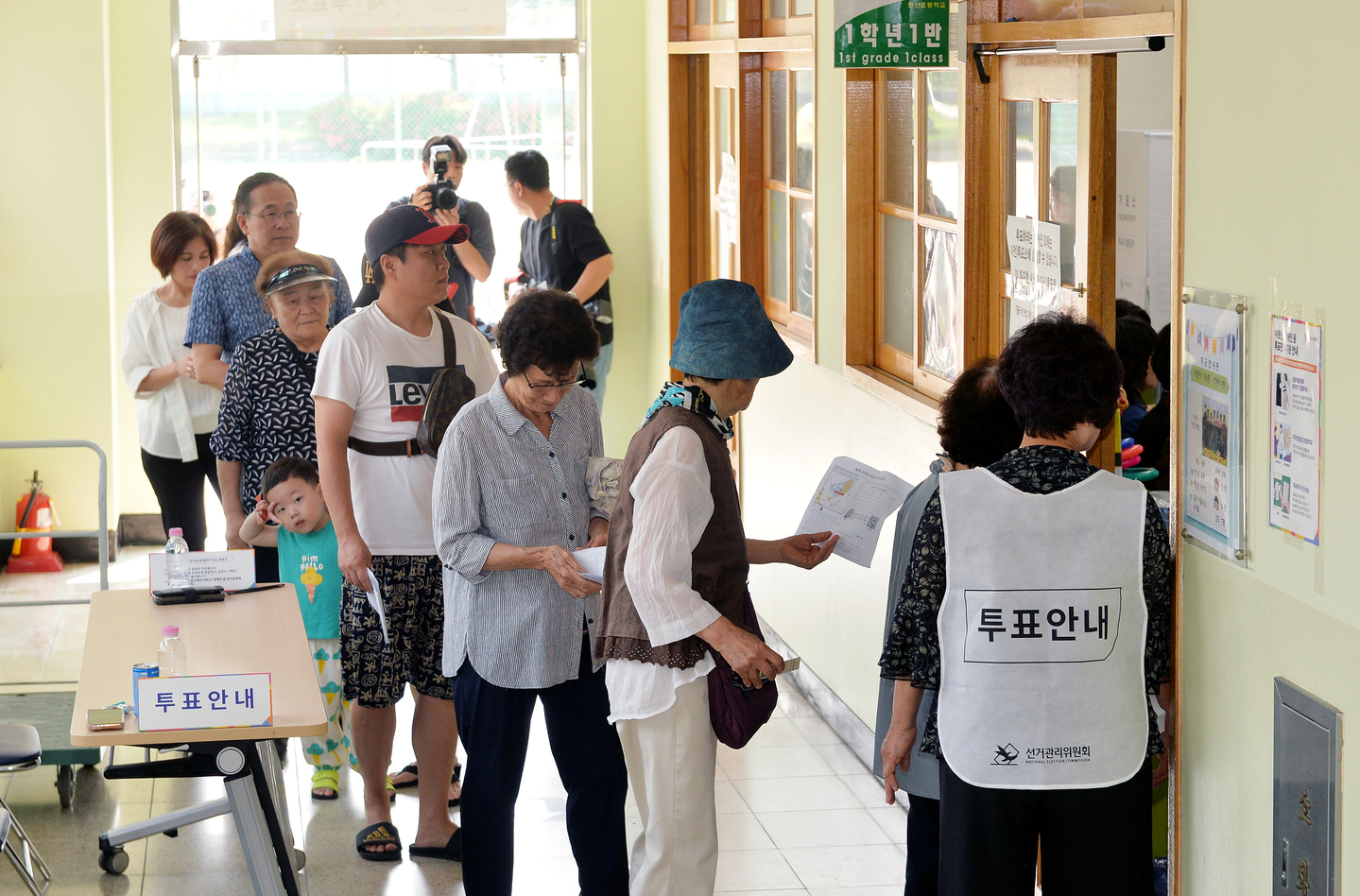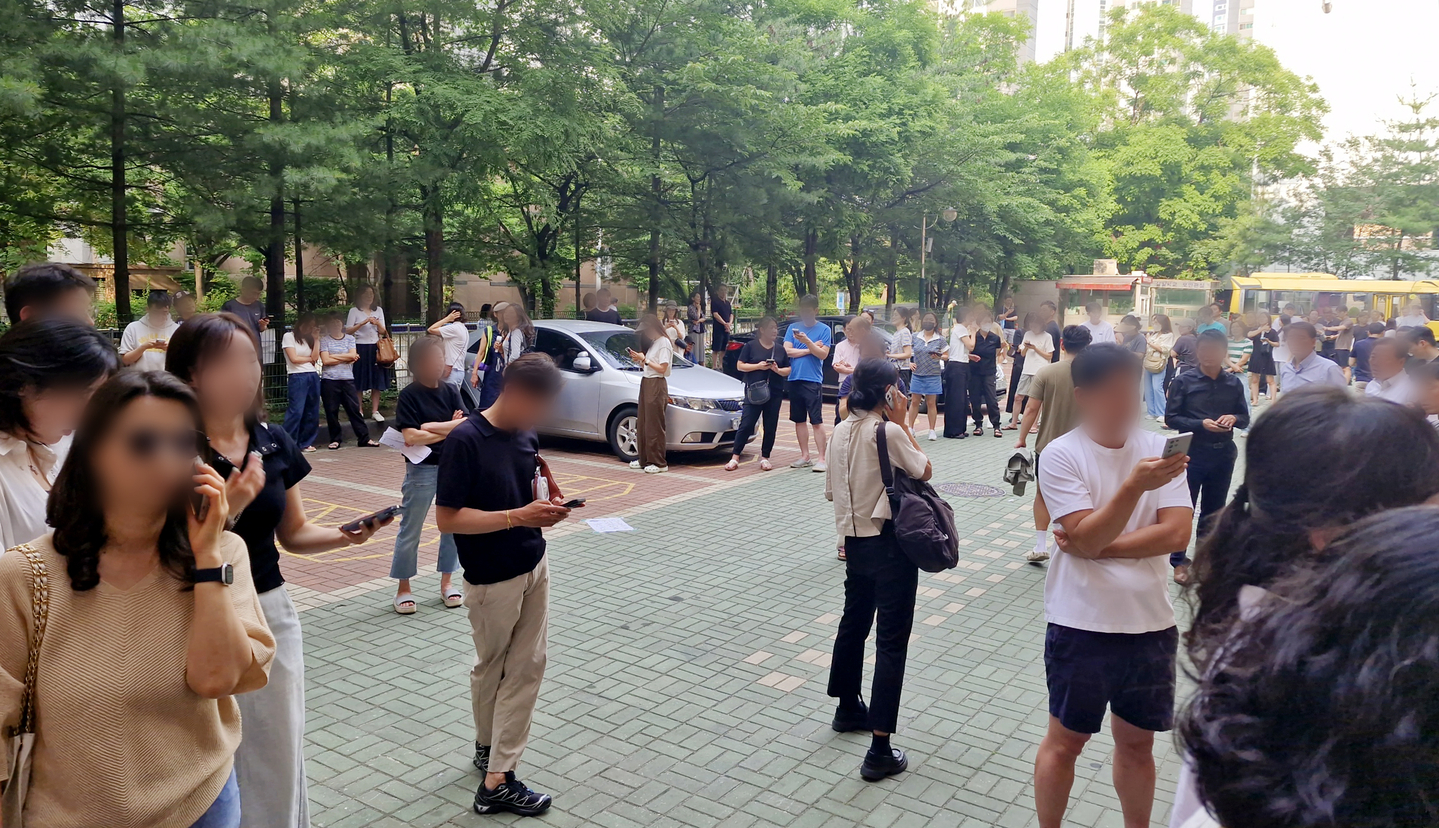
Voters stand in line after a polling station in Jamsil ran out of ballots on Wednesday. (Yonhap) Seoul’s ballot shortage was a rare Election Day failure, but not an unheard-of one.Similar incidents have disrupted voting in the US, Australia and the UK, usually after election authorities underestimated turnout or failed to supply enough ballots to specific polling stations.In the US, during Mississippi’s 2023 gubernatorial election, Hinds County, the state’s most populous county, ran out of ballots after a tight race between then-incumbent Republican Gov. Tate Reeves and Democratic challenger Brandon Presley drew a higher-than-expected turnout. Election officials printed extra ballots, and some polling places remained open longer.In Bethel, Alaska, in 2024, an in-person absentee voting site ran out of official ballots hours before closing and began using sample ballots. State officials said the practice was allowed under Alaska rules when official ballots were unavailable.“If a location runs out of official ballots, they are permitted to use sample ballots,” Brian Jackson, Alaska’s election program manager, told Alaska Public Media at the time.Ballot shortages were also reported in parts of Boston during the 2024 US presidential election. Extra ballots were delivered to polling locations, including in Hyde Park and West Roxbury, while police reportedly helped collect phone numbers from voters waiting in line so they could be notified when ballots arrived.Under Australia’s compulsory voting system, ballot shortages carry added complications because voters can face penalties for not voting.During local council elections in Victoria in 2022, some polling stations ran short of ballots. Replacement ballots were sent, but voters waiting for deliveries were allowed to cast votes on blank ballots with candidates’ names written by hand.The use of blank ballots was an "acceptable approach" given the situation, the Victorian Electoral Commission had said at the time, adding that no voters were turned away.In Western Australia in 2025, the state electoral commission said it would investigate election-day problems, including ballot shortages and long waits, after voters reported disruptions at some polling locations.The UK’s 2010 general election offers a related example. The issue was not a ballot shortage, but some polling stations underestimated turnout and were overwhelmed by long lines and insufficient staffing, leaving some voters unable to cast their ballots before polls closed.Similar disruptions have also been reported in South Africa, Berlin and Zimbabwe, though the causes and political contexts differed. Residents of Sonpa-gu protest the ballot shortage at a polling station on Thursday. (Yonhap) In South Korea, the National Election Commission apologized after ballots ran short at 14 polling stations in Seoul during Wednesday’s local elections.The body said it is investigating the cause and will draw up measures to prevent similar incidents from recurring.
How ballot shortages disrupt elections in other countries
Seoul’s ballot shortage was a rare Election Day failure, but not an unheard-of one. Similar incidents have disrupted voting in the US, Australia and the UK, usu
442 words~2 min read